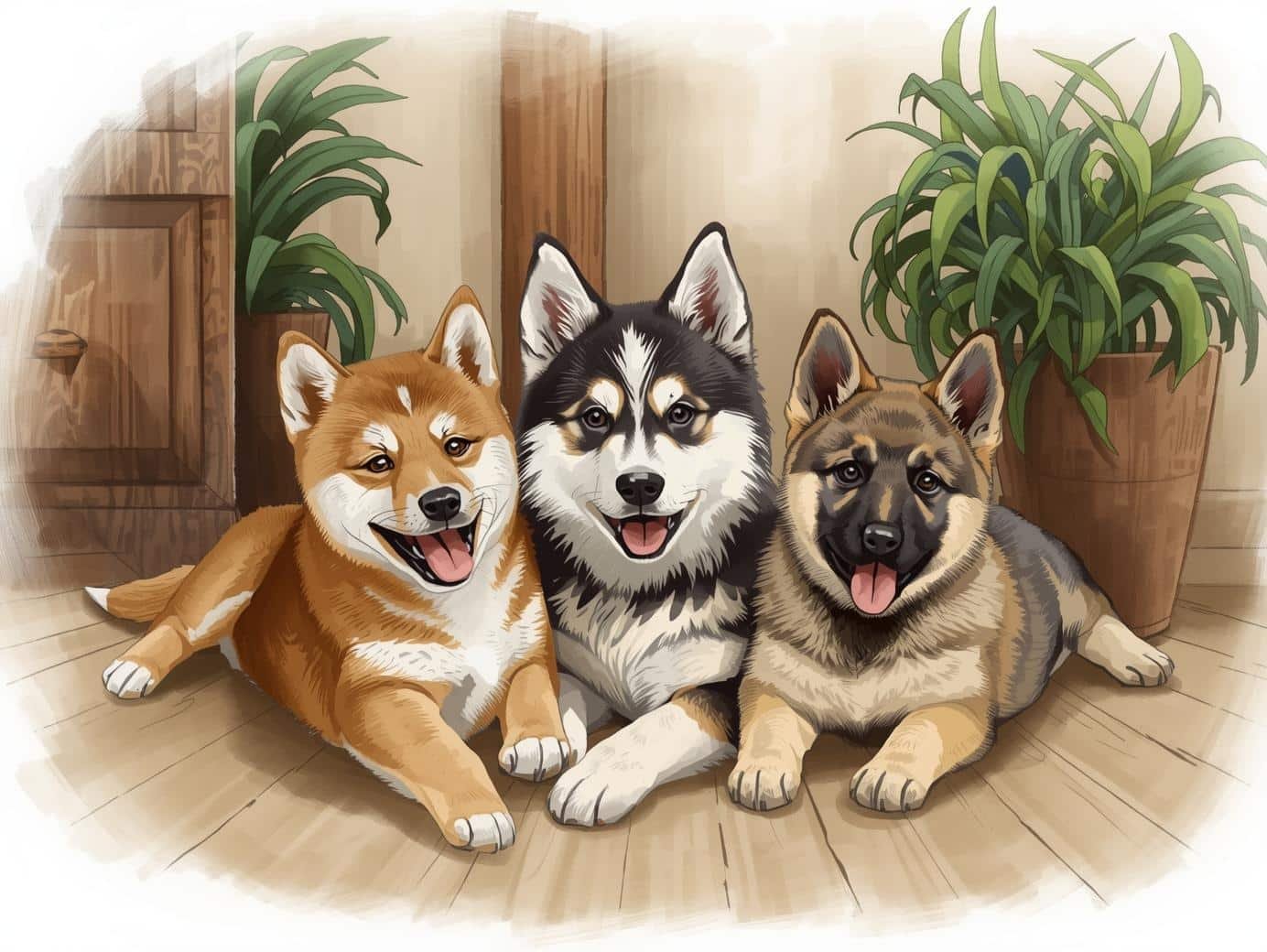
Every dog breed has its own size, shape, personality, and purpose. Some dogs were bred for work, some for companionship, and some for guarding or hunting.
Even when three dogs look similar from far away, their behavior, needs, and lifestyle can be completely different. Understanding these differences helps dog owners choose the right breed that fits their home, energy, and daily routine. Choosing the wrong breed may lead to stress for both the family and the dog.
In this article, we explore the differences between three very unique breeds: the Shiba Inu, the Alaskan Malamute, and the Belgian Malinois. These dogs come from different parts of the world, were bred for different jobs, and have different personalities. Even though all of them are strong and beautiful, they do not behave the same and do not need the same care.
Understanding the Shiba Inu Dog and How This Breed Stands Out
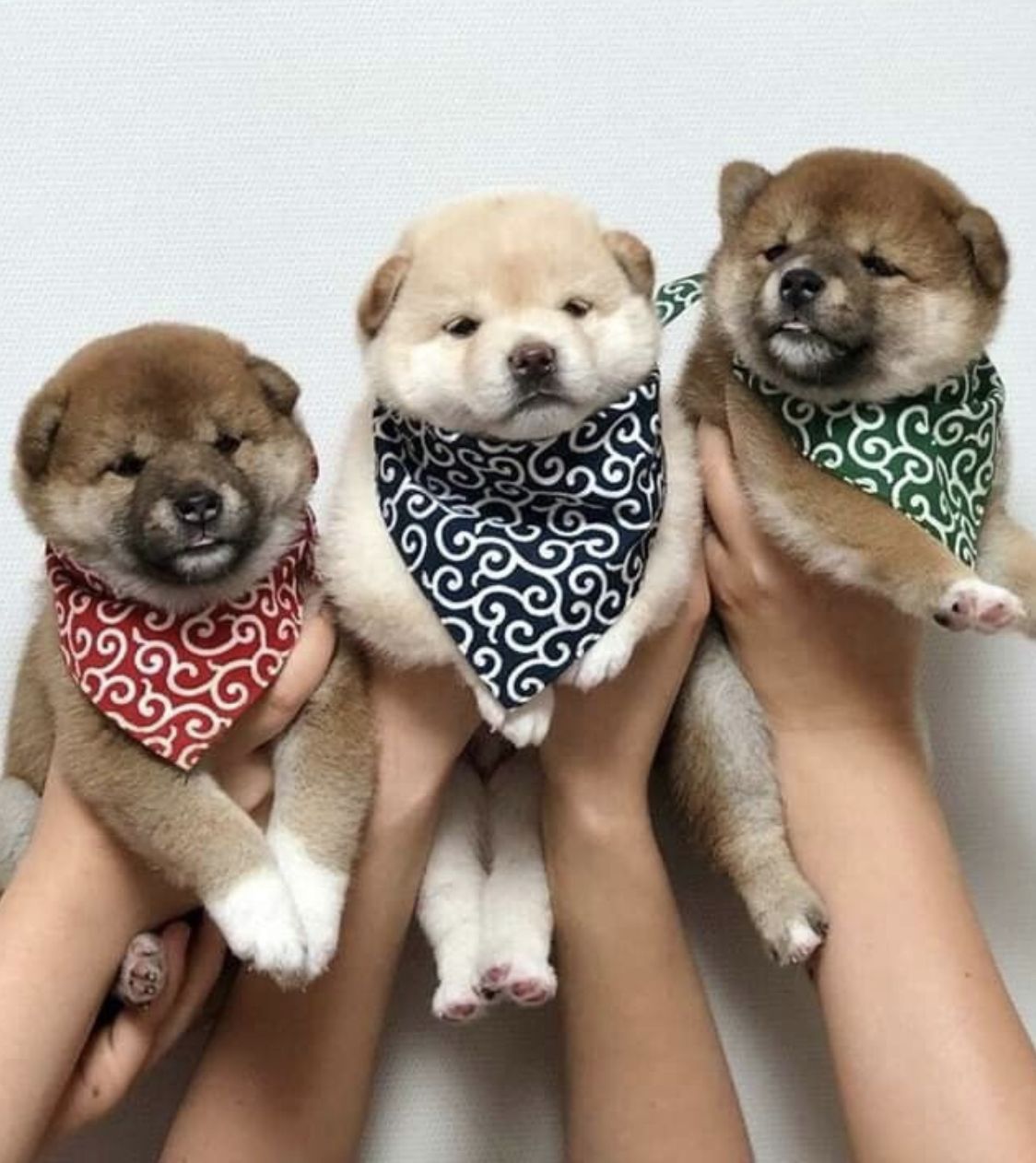
A shiba inu dog is a small to medium-sized dog from Japan. It is one of the oldest dog breeds and was originally used for hunting small animals. Shiba Inus are known for their fox-like face, curly tail, and confident posture. They are independent, brave, and smart, but also stubborn. This breed has a strong personality and likes to make its own decisions.
One of the biggest differences between the Shiba Inu and the other two breeds is its independence. A Shiba Inu behaves more like a cat than a typical dog. It enjoys being with its family but also likes personal space. It does not always follow commands unless it wants to. This makes training more difficult compared to a Belgian Malinois or an Alaskan Malamute puppy.
The Shiba Inu has a thick double coat that keeps it warm in cold weather. The coat sheds heavily twice a year, a period known as “blowing coat.” During this time, owners must brush more often. Grooming needs are moderate. Shiba Inus are naturally clean dogs and do not require frequent baths.
The energy level of a Shiba Inu is moderate. They enjoy walks and playtime but do not need extreme exercise. They are not as active as a Belgian Malinois and not as powerful as an Alaskan Malamute puppy. They prefer quick, fun bursts of activity rather than long running sessions.
Emotionally, Shibas are sensitive. They do not like rough handling and can be reserved with strangers. They form strong bonds with their owners but remain independent.
In summary, the Shiba Inu dog is small, independent, clean, and confident, very different from the other two larger working breeds.
Understanding the Alaskan Malamute Puppy and Why This Breed Needs Strength and Space
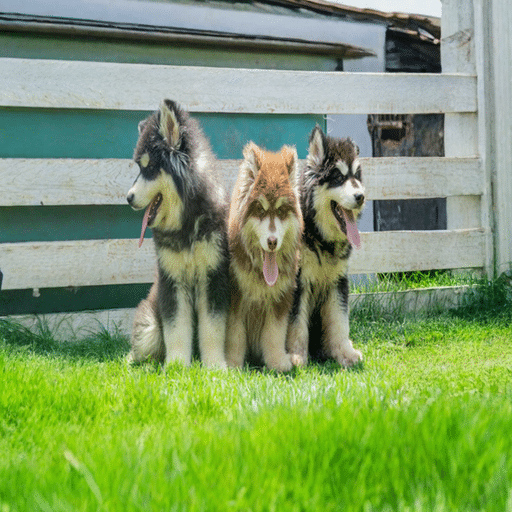
An alaskan malamute dog may look cute and fluffy, but it grows into one of the strongest dog breeds in the world. Malamutes come from Alaska and were bred by Inuit people to pull heavy sleds across long distances in the snow. Because of this working history, Malamutes are powerful, energetic, and built for endurance.
The first big difference between an Alaskan Malamute puppy and the Shiba Inu is size. A Malamute grows extremely large, often weighing 34–45 kg or more. This breed needs space, a strong owner, and daily exercise. A Malamute is not suitable for small apartments or low-activity homes.
Malamutes also have very thick double coats. Their coats are heavier than Shiba Inus and require more brushing, especially during shedding seasons. They cannot live comfortably in hot climates unless they stay mostly indoors with air conditioning. Their coat was designed for freezing weather, not warm temperatures.
The personality of a Malamute is friendly, playful, and affectionate. They love people and enjoy being part of the family. Unlike the Shiba Inu, a Malamute is not independent. It prefers staying close to people and being involved in daily life.
However, Malamutes are strong-willed. They require training from an early age to learn manners. Because of their strength, they can be difficult for new dog owners. They need long walks, running time, and mental stimulation.
A bored Malamute may become destructive.
Compared to the Belgian Malinois, a Malamute is less intense but physically stronger. Compared to the Shiba Inu dog, the Malamute is larger, more affectionate, and more demanding in terms of physical activity.
In short, an Alaskan Malamute puppy grows into a powerful dog that needs space, cold temperatures, and lots of exercise.
Understanding the Belgian Malinois Puppy and Why This Breed Is Highly Skilled and Active
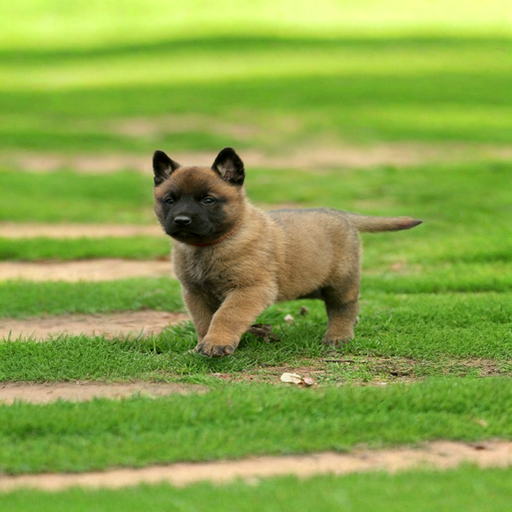
A belgian malinois dog is one of the most intelligent and active dog breeds in the world. Belgian Malinois dogs are used by police, military, security teams, rescue units, and search teams because of their intelligence, agility, and loyalty. Even as puppies, Malinois show strong working abilities.
The biggest difference between a Belgian Malinois puppy and the other two breeds is energy level. Malinois dogs are extremely energetic. They need mental stimulation, physical training, problem-solving tasks, and structured exercise. A simple walk is not enough for them. They need running, jumping, agility exercises, and learning commands.
Their coat is short and easy to groom. It does not require heavy brushing like the Malamute. They can live in warm climates better than the Malamute because their coat is lighter. However, they still prefer moderate temperatures when exercising because they overheat if pushed too hard in the heat.
Personality-wise, Malinois are loyal, focused, and protective. They learn commands quickly and enjoy working. They bond deeply with their owners and love having a job to do. Unlike the independent Shiba Inu dog, Malinois responds immediately to training and wants to please its handler. Unlike the Alaskan Malamute puppy, Malinois does not need cold weather but needs more training and mental challenges.
The Malinois is not ideal for new dog owners because of its high energy and intelligence. If not trained properly, this breed can develop behavioral issues. They must stay active every day.
In summary, the Belgian Malinois puppy is smart, driven, and very active—much more intense than the other two breeds.
Differences in Size
Shiba Inu: small to medium
Alaskan Malamute: very large
Belgian Malinois: medium to large
Size affects home type, exercise needs, and strength.
Differences in Exercise Needs
Shiba Inu: moderate exercise
Alaskan Malamute: high physical exercise
Belgian Malinois: extremely high physical + mental exercise
Exercise level shapes daily lifestyle.
Differences in Grooming
Shiba Inu: moderate shedding
Alaskan Malamute: heavy shedding, thick coat
Belgian Malinois: light shedding, short coat
Different coats require different grooming tools.
Differences in Climate Suitability
Shiba Inu: comfortable in cool or mild climates
Alaskan Malamute: prefers cold climates
Belgian Malinois: adaptable but sensitive to heat during work
Climate affects comfort and safety.
Differences in Personality
Shiba Inu: independent, reserved
Alaskan Malamute: friendly, sociable
Belgian Malinois: focused, intense, loyal
Different personalities require different training methods.
Differences in Training Style
Shiba Inu: stubborn but smart
Alaskan Malamute: strong-willed, needs firm training
Belgian Malinois: one of the easiest breeds to train but needs experience
Training difficulty affects the owner’s lifestyle.
Differences in Living Space Requirements
Shiba Inu: suitable for apartments
Alaskan Malamute: needs large outdoor space
Belgian Malinois: needs active household with room to train
Different spaces suit different breeds.
Differences in Temperament Toward Families
Shiba Inu: good but independent
Alaskan Malamute: playful and affectionate
Belgian Malinois: protective and loyal
Family dynamics influence breed fit.
Understanding the Clear Differences Between These Three Breeds
After comparing the shiba inu dog, the alaskan malamute puppy, and the belgian malinois puppy, it is clear that these three breeds are completely different in size, personality, climate needs, training style, and energy levels. Shibas are independent and small, Malamutes are large and strong, and Malinois are highly energetic and intelligent.
Choosing the right breed depends on your home size, activity level, and how much time you can spend training. When owners understand these differences, they can create better lives for their dogs and enjoy a stronger bond with them.
Find puppies store