

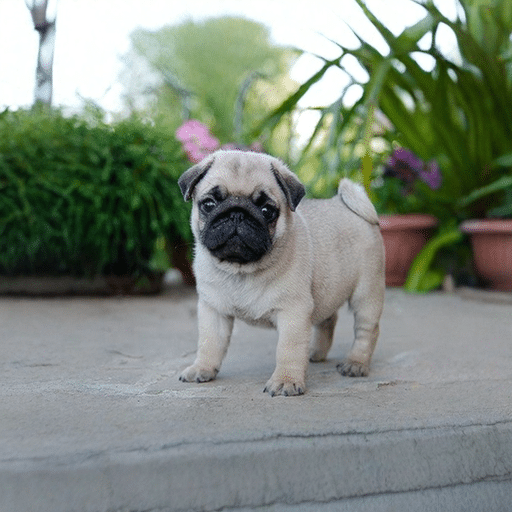
Pug Puppy for Sale in UAE – 8 Weeks Old
Original price was: 7,500 د.إ.6,500 د.إCurrent price is: 6,500 د.إ.
Adorable 8-week-old Pug puppy, vaccinated, healthy, and full of charm! Perfect for any family – free delivery across UAE.
Looking for a pug puppy for sale in UAE? You’re in the perfect place! At Puppies Hub, we offer top-quality, healthy Pug puppies raised with care. This 8-week-old male or female puppy is vaccinated, microchipped, and ready to bring love and laughter to your home. and know the pug dog price.
🐶 Pug Puppy for Sale in UAE – 8 Weeks Old & Vet-Checked
🐾 Why Choose This Pug Puppy for Sale in UAE?
If you’re looking for a sweet, affectionate, and entertaining dog, our pug puppy for sale in UAE is the perfect choice. Pugs are beloved worldwide for their big personalities, loving temperament, and iconic wrinkled faces. Whether you’re living in a Dubai apartment, a Sharjah villa, or anywhere across the Emirates, this little companion will easily become your best friend.
📋 Puppy Details – Pug (Male & Female)
- Breed: Pug
- Age: 8 Weeks
- Gender: Male & Female
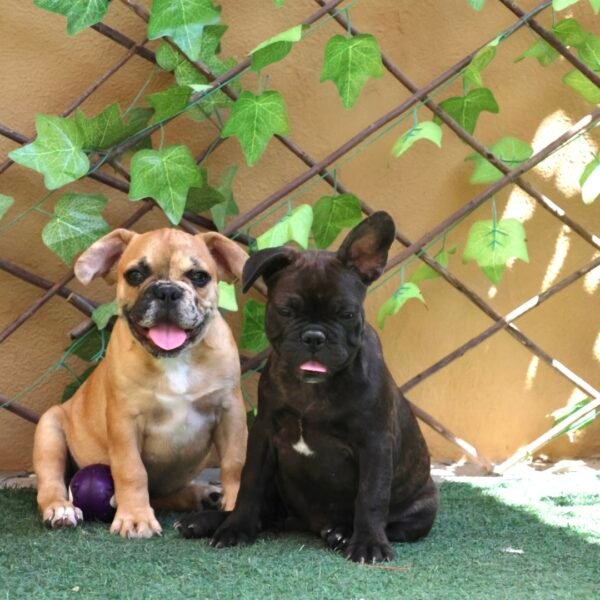
- Color: Fawn / Black
- Size: Small (Expected 6–8 KG)
- Health: Fully vaccinated, dewormed, microchipped, and vet-cleared
- Temperament: Loving, playful, calm
- Training: Socialized, leash-friendly, and pee-pad trained
🚚 Delivery Available Across the UAE
We offer fast, secure delivery to all Emirates: Dubai, Sharjah, Abu Dhabi, Ajman, Ras Al Khaimah, Fujairah, and Umm Al Quwain.
Prefer to meet your puppy online first? No problem! Book a live video call with our team today.
🎓 Training & Socialization Tips
- Crate & toilet training
- Feeding schedules and routine
- First-week home setup
- Positive reinforcement training
👉 Recommended external guide: Pug Breed Guide – AKC
🧴 Grooming & Health Care
Pugs require moderate grooming. Brush their coat weekly, clean facial wrinkles regularly, and keep nails trimmed. We provide:
- Official vaccination card
- Deworming schedule completed
- Vet health certificate
- Personalized after-sales care tips
🌞 Pugs & the UAE Climate
- Walk during early morning or after sunset
- Keep them cool and shaded during hot hours
- Ensure access to fresh water at all times
Pugs are sensitive to heat due to their short snouts, so proper care in UAE weather is essential.
🦴 Daily Routine for a Pug Puppy
Creating a daily routine for your pug puppy for sale in UAE helps ensure a smooth adjustment. Stick to regular feeding times, short play breaks, and potty training sessions. Pugs love attention and thrive in a consistent, loving environment.
🎁 What You Get with This Puppy
- Puppy checklist (PDF)
- Starter food & training treats
- Puppy crate for delivery
- Discount voucher for pet supplies
- 10-day health guarantee
- Personalized support after adoption
🐶 Explore More Breeds Besides the Pug Puppy for Sale in UAE
We offer a wide selection of puppies, all vet-checked and ethically raised: French Bulldog, Toy Poodle, Shih Tzu, Yorkshire Terrier, Pomeranian, and more!
👉 Recommended internal page: Best Dogs for Families in the UAE
🐾 Fun Fact About Pugs
Did you know that Pugs were bred to be lapdogs for the Chinese royal family? Their fun-loving personality and devotion make them one of the most popular companion breeds worldwide.
📞 Contact Puppies Hub Now
- This pug puppy for sale in UAE won’t be available for long. Book your puppy today and enjoy a lifetime of love and joy.
- WhatsApp / Call: +971 58 866 3286
- Email: puppieshub700@gmail.com
- Location: Al Zahia City Center – Sharjah
🏡 Ideal Living Conditions for a Pug Puppy in UAE
Pugs are indoor dogs and thrive in calm, air-conditioned environments. Whether you live in a studio or a villa, a pug puppy can adapt beautifully if provided with attention, love, and daily care. With their loyal heart and gentle demeanor, a pug will become your shadow in no time!
Pugs are incredibly loyal and make wonderful long-term companions. This is your chance to bring home a joyful, loving pet that will brighten every day. Choose your Pug puppy from Puppies Hub today!
FAQs About Pug Puppy
1. What is a Pug Puppy known for?
A Pug Puppy is known for its cute face, small size, and friendly personality. It is a very loving and social dog.
2. What is the average pug dog price?
The pug dog price have different range depending on breeder, location, and quality.
3. Are Pug Puppy dogs good for families?
Yes, a Pug Puppy is great for families. They are gentle, playful, and good with children.
4. How often should I feed a Pug Puppy?
You should feed a Pug Puppy 3–4 times a day when young, then reduce to 2 meals as it grows.
5. Do Pug Puppy dogs need a lot of exercise?
A Pug Puppy needs light to moderate exercise like short walks and playtime.
6. Is pug dog price high compared to other small dogs?
The pug dog price can be medium to high depending on quality and demand.
7. Are Pug Puppy dogs easy to train?
Yes, a Pug Puppy is intelligent but can be a little stubborn, so training should be consistent.
8. Do Pug Puppy dogs bark a lot?
A Pug Puppy does not bark too much, making it suitable for apartments.
9. What should I check before buying a Pug Puppy?
Before buying a Pug Puppy, check:
- Health condition
- Vaccination records
- Breeder reputation
10. What affects pug dog price?
The pug dog price depends on:
- Bloodline
- Health
- Breeder
- Location
11. Are Pug Puppy dogs good for apartments?
Yes, a Pug Puppy is perfect for apartment living because of its small size.
12. Do Pug Puppy dogs have health problems?
Some Pug Puppy dogs may have breathing or weight problems due to their body shape.
13. How long does a Pug Puppy live?
A Pug Puppy can live between 12–15 years with good care.
14. Can I leave a Pug Puppy alone?
A Pug Puppy does not like to be alone for long periods. They need attention and care.
15. Why is Pug Puppy so popular?
The Pug Puppy is popular because it is cute, friendly, easy to live with, and full of love.
| Size | Large, Medium, Small, XLarge, XSmall |
|---|---|
| Health Information | Certified Healthy, Dewormed & Microchipped, Fully Vaccinated, Vet-Checked |
| Gender | Female, Male |
Only logged in customers who have purchased this product may leave a review.
What should you know before choosing a Pug puppy for sale? If you are looking for a Pug puppy for sale, you may also be searching for a Pug puppy, comparing the Pug dog price, looking for a Pug dog for sale, checking Pug puppy for sale near me, Pug dog for sale near me, or trying to understand the average Pug dog cost before making your decision. Before bringing one home, it is important to learn about the Pug's history, personality, nutrition, grooming, health, training, and how well this lovable breed adapts to life in the UAE.
Understanding these details will help you choose the right puppy and provide the care it needs throughout its life.
Pug Puppy for Sale: Why Learning About the Breed Matters
Choosing a Pug puppy should never be based on appearance alone. While Pugs are famous for their wrinkled faces, expressive eyes, and charming personalities, they also have specific care needs that every future owner should understand.
Before bringing a Pug home, it is important to learn about the breed's:
- History
- Daily care requirements
- Grooming needs
- Exercise level
- Common health concerns
- Training
- Compatibility with family life
Understanding these topics will help you make an informed decision and prepare for the lifelong commitment of owning a Pug.
History of the Pug Dog For Sale
The Pug is one of the oldest companion dog breeds in the world, with a history that dates back more than 2,000 years to ancient China.
Unlike many breeds developed for hunting, herding, or guarding, the Pug was bred specifically to be a companion. These small dogs lived alongside Chinese emperors and members of the royal court, where they were highly valued and cared for with great attention.
Centuries of close companionship with people helped shape the breed's affectionate, people-oriented temperament. Today, Pugs continue to thrive on human interaction and often form exceptionally strong bonds with their families.
Where Did the Pug Come From?
The Pug originated in China, where it became a beloved companion of emperors and noble families. During the sixteenth century, Dutch traders introduced the breed to Europe, where its popularity quickly spread among aristocratic households.
With its friendly personality, compact size, and distinctive appearance, the Pug soon became one of Europe's most admired companion breeds.
Today, the Pug remains one of the world's most popular family dogs, loved by owners across Europe, North America, Asia, Australia, the Middle East, and many other parts of the world.
Why Is the Breed Called a Pug?
The exact origin of the name "Pug" remains uncertain. Some historians believe it comes from the Latin word pugnus, meaning "fist," because the breed's wrinkled face was thought to resemble a clenched hand.
Others suggest that the name evolved naturally as the breed gained popularity throughout Europe. Although its true origin is still debated, the name Pug is now recognized around the world.
How the Pug Became Popular
The Pug's popularity grew rapidly among European royal families, where it became a favorite companion in palaces and noble households. Kings, queens, and aristocrats admired the breed for its affectionate nature and suitability for indoor living.
People valued Pugs because they were:
- Friendly
- Loyal
- Affectionate
- Compact in size
- Well-suited to indoor living
- Excellent companions
Pug Puppy Quick Facts
| Feature | Information |
|---|---|
| Breed Group | Toy Group |
| Country of Origin | China |
| Original Purpose | Companion Dog |
| Height | 25–33 cm |
| Weight | 6–8 kg |
| Life Expectancy | 12–15 years |
| Coat Type | Short Double Coat |
| Shedding | Moderate |
| Grooming Needs | Moderate |
| Energy Level | Moderate |
| Intelligence | High |
| Apartment Friendly | Excellent |
| Family Friendly | Excellent |
Physical Appearance
The Pug has one of the most recognizable appearances among all dog breeds.
Its distinctive features include:
- Wrinkled face
- Short muzzle
- Large round eyes
- Small folded ears
- Compact muscular body
- Curled tail
Although small, the Pug has a surprisingly sturdy build. Its body is balanced and strong rather than delicate.
Size and Weight
The Pug is considered a small breed.
Healthy adults generally measure:
| Feature | Average Size |
|---|---|
| Height | 25–33 cm |
| Weight | 6–8 kg |
Both males and females are usually similar in size. Maintaining a healthy weight is especially important because excess weight can make breathing and movement more difficult.
Coat Colors of Pug Puppy for Sale
Pugs are commonly seen in several attractive coat colors.
These include:
- Fawn
- Black
- Silver
- Apricot
Most fawn-colored Pugs also have a black facial mask that gives the breed its distinctive expression.
Why People Love the Pug Puppy for Sale
The Pug has remained popular for generations because it combines affection with personality.
Owners appreciate the breed for its:
- Friendly nature
- Loyal personality
- Compact size
- Funny expressions
- Adaptability
- Gentle temperament
Many Pug owners say the breed has an excellent sense of humor and enjoys making people smile.
Is the Pug the Right Breed for You?
A Pug is an excellent choice for people looking for a loving companion that enjoys spending time with its family.
The breed is especially suitable for:
- Families
- Couples
- Seniors
- Apartment owners
- First-time dog owners
With proper care, training, and regular veterinary attention, a Pug can become a wonderful companion for many years.
Pug Puppy Development Stages
A healthy Pug puppy goes through several important stages during its first year of life. Each stage helps shape the puppy's personality, confidence, and physical development. The experiences a puppy has during these early months often influence how it behaves as an adult.
Providing proper nutrition, early training, socialization, and regular veterinary care gives your puppy the best possible start.
Find Your Pug at Puppies Hub
Choosing where your puppy comes from is one of the most important decisions you will make. A healthy puppy should be raised with proper veterinary care, balanced nutrition, early socialization, and responsible breeding practices.
At Puppies Hub, we are dedicated to helping families across the UAE find healthy, happy puppies that are ready to become lifelong companions.
Our team believes every puppy deserves the best possible start, and every family deserves expert guidance throughout the adoption journey.
Why Choose Puppies Hub?
Finding the right puppy is about much more than appearance.
At Puppies Hub, we focus on raising puppies in an environment that supports their physical health, emotional well-being, and social development.
Our commitment includes:
- Healthy puppies
- Ethical breeding practices
- Veterinary health examinations
- Age-appropriate vaccinations
- Balanced nutrition
- Early socialization
- Clean and comfortable living conditions
- Ongoing customer support
Every puppy receives individual attention before joining its forever home.
Healthy Puppies Raised with Care
The first weeks of a puppy's life have a lasting impact on its future.
At Puppies Hub, every puppy benefits from:
- Daily health monitoring
- Proper feeding
- Clean surroundings
- Gentle interaction with people
- Regular veterinary supervision
These early experiences help puppies become confident, friendly, and well-adjusted companions.
Support Before and After Adoption
Bringing home a new puppy often raises many questions. Our experienced team is available to help with advice about:
- Feeding
- House training
- Grooming
- Exercise
- Vaccinations
- Socialization
- Everyday puppy care
We are committed to supporting you before and after your puppy arrives home.
Serving Families Across the UAE
Whether you live in:
- Dubai
- Sharjah
- Abu Dhabi
Puppies Hub proudly serves families throughout the UAE. We work hard to make finding your new companion simple, enjoyable, and stress-free.
Start Your Journey with Puppies Hub
If you are searching for a healthy Pug puppy for sale, Puppies Hub is ready to help you find the perfect companion.
At Puppies Hub, we are more than just a pet shop near you—we're your trusted destination for puppies for sale Dubai. We offer healthy, vaccinated, and ethically bred puppies delivered across the UAE, including Dubai, Sharjah, and Abu Dhabi. Our team ensures top-quality care, fast delivery, and 24/7 customer support through WhatsApp and phone.
Whether you are welcoming your first puppy or adding another furry friend to your family, Puppies Hub is here to guide you every step of the way.
Common Health Problems in Pug dogs for sale
Pugs are generally loving and resilient dogs, but like all breeds, they can develop certain health conditions. Routine veterinary care, responsible breeding, proper nutrition, and maintaining a healthy weight all contribute to a healthier and longer life.
Understanding these conditions allows owners to recognize symptoms early and seek treatment when necessary.
Common Health Problems
| Health Condition | Description | Common Signs | Prevention & Management |
|---|---|---|---|
| Brachycephalic Airway Syndrome | Pugs have a short muzzle that can make breathing more difficult, particularly in hot weather or during strenuous exercise. | Heavy panting, loud breathing, snoring, difficulty exercising, and overheating. | Avoid excessive exercise in warm weather, provide fresh water, keep your Pug in cool environments, and consult your veterinarian if breathing problems worsen. |
| Eye Problems | The Pug's large, prominent eyes are more exposed and may be prone to injuries and conditions such as dry eye, corneal ulcers, cataracts, and eye irritation. | Redness, excessive tearing, squinting, cloudiness, and signs of discomfort. | Check the eyes regularly and seek prompt veterinary care if any changes are noticed to help protect your dog's vision. |
| Skin Fold Dermatitis | Moisture and debris trapped in the facial wrinkles can lead to skin irritation or infection. | Redness, unpleasant odor, moist skin, and excessive scratching. | Clean and dry the facial folds regularly to prevent irritation and reduce the risk of infection. |
| Dental Disease | Plaque and tartar can build up quickly in a Pug's small mouth, increasing the risk of oral health problems. | Bad breath, plaque buildup, red or bleeding gums, and tooth loss in advanced cases. | Brush the teeth regularly, use veterinarian-approved dental products, and schedule professional dental cleanings when needed. |
| Obesity | Pugs can gain weight easily, which places additional strain on their body and breathing. | Weight gain, reduced mobility, lower activity levels, and decreased stamina. | Feed measured portions, limit treats, and provide regular daily exercise to maintain a healthy body weight. |
| Hip Dysplasia | Although more common in large breeds, some Pugs may also develop hip dysplasia, affecting the hip joint and mobility. | Difficulty standing, limping, reduced activity, and stiffness. | Maintain a healthy weight, provide appropriate exercise, and seek early veterinary evaluation if symptoms develop. |
Vaccination Schedule
Vaccinations help protect your Pug from several serious diseases.
A typical vaccination schedule includes:
| Puppy Age | Recommended Care |
|---|---|
| 6–8 Weeks | First vaccinations and health examination |
| 10–12 Weeks | Booster vaccinations |
| 14–16 Weeks | Final puppy vaccinations |
| Around 16 Weeks | Rabies vaccination according to local regulations |
| Every Year | Annual health examination and booster vaccinations if recommended |
Following your veterinarian's advice helps keep your dog protected throughout its life.
Parasite Prevention
Preventive care protects your Pug against common parasites. Your veterinarian may recommend protection against:
- Fleas
- Ticks
- Intestinal worms
Routine prevention is an important part of responsible pet care.
Pug Dog Price
Many future owners research the Pug dog price before choosing a puppy.
The price may vary depending on factors such as:
- Age
- Bloodline
- Health status
- Vaccination history
- Breeding quality
- Overall condition
Choosing a healthy puppy from a trusted provider is often more valuable than focusing only on the purchase price.
Pug Dog Cost
The total Pug dog cost includes more than buying the puppy.
Future owners should also budget for:
- Quality food
- Veterinary visits
- Vaccinations
- Grooming supplies
- Toys
- Bedding
- Preventive healthcare
Planning helps provide your dog with the care it needs throughout its life.
Pug Dog for Sale
When looking for a Pug dog for sale, always choose a trusted provider that focuses on responsible breeding and puppy welfare.
A healthy puppy should receive:
- Veterinary examinations
- Age-appropriate vaccinations
- Proper nutrition
- Early socialization
- Daily care and attention
These early experiences help puppies become confident family companions.
Pug Dog for Sale Near Me
Many people search online for a Pug dog for sale near me because they want to find a reliable place nearby.
Before choosing a puppy, ask about:
- Health records
- Vaccination history
- Feeding routine
- Veterinary care
- Socialization
A responsible provider will be happy to answer these questions.
Pug Puppy for Sale Near Me
If you are searching for a Pug puppy for sale near me, look for a place that prioritizes the health and well-being of every puppy.
Choosing a trusted provider gives your puppy the strongest possible start and helps you enjoy a smooth transition into puppy ownership.
Can a Pug Live Comfortably in the UAE?
Yes.Pugs can adapt well to life in the UAE when owners understand how to manage the hot climate.
Because they have short muzzles, they are more sensitive to heat than many other breeds.
For their comfort and safety:
- Walk early in the morning.
- Walk after sunset.
- Keep fresh water available.
- Use air-conditioned indoor spaces.
- Avoid prolonged exercise during the hottest hours.
- Watch carefully for signs of overheating.
These simple habits help Pugs remain healthy throughout the year.
Frequently Asked Questions
Is a Pug a good family dog?
Yes. Pugs are affectionate, friendly, and gentle, making them excellent companions for families, couples, seniors, and first-time dog owners.
Does a Pug need a lot of exercise?
No. Most Pugs are happy with one or two short walks each day combined with indoor play and mental stimulation.
Are Pugs easy to train?
Yes. Pugs respond well to positive reinforcement, short training sessions, and consistent routines.
Can a Pug live in an apartment?
Absolutely. Their small size and moderate exercise needs make them one of the best breeds for apartment living.
Where can I find a healthy Pug puppy for sale in the UAE?
Choosing a trusted provider is the best way to begin. Puppies Hub offers healthy, vaccinated, and ethically bred puppies, helping families across Dubai, Sharjah, Abu Dhabi, and the rest of the UAE welcome their new companion with confidence.







Reviews
There are no reviews yet.