
Showing the single result
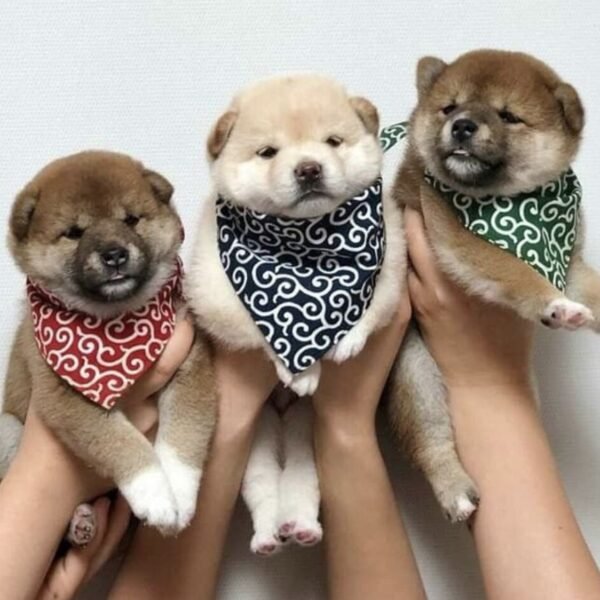
Shiba Inu Puppy for Sale in UAE – 9 Weeks Old & Vet-Checked
Original price was: 10,500 د.إ.9,000 د.إCurrent price is: 9,000 د.إ.What should you know before choosing a Shiba Inu for sale? If you are searching for a Shiba Inu for sale, you may also be looking for a baby Shiba Inu puppy, planning to buy Shiba Inu puppy, or comparing the Shiba Inu dog price Dubai, the Shiba Inu dog price in UAE, and the overall Shiba Inu dog cost before making your decision. Some families are also interested in a Japanese Shiba Inu puppy or wonder whether a Shiba Inu dog mini is different from the standard breed.
Before bringing one home, it is important to understand the breed’s history, personality, grooming needs, training requirements, health, and how well it adapts to living in the UAE. Knowing these details will help you choose the right puppy and prepare for a happy life together.
Shiba Inu for Sale: Understanding the Breed Before You Buy
Choosing a Shiba Inu is about much more than finding a beautiful puppy. This breed has a unique personality, strong instincts, and a long history that make it very different from many other companion dogs.
Before bringing one home, it is important to understand:
- The breed’s history
- Its natural temperament
- Daily care requirements
- Grooming needs
- Exercise level
- Health concerns
- Suitability for your lifestyle
Learning about the breed first helps owners make informed decisions and build a strong relationship with their future dog.
Japanese Shiba Inu Puppy History
The Japanese Shiba Inu puppy comes from one of the oldest native dog breeds in Japan. Archaeological evidence suggests that dogs similar to the modern Shiba Inu lived alongside people thousands of years ago.
Originally, these dogs were bred to help hunters travel through forests and mountainous regions.
Their responsibilities included:
- Flushing birds from bushes
- Tracking small game
- Assisting hunters
- Moving quickly across rough terrain
Unlike many modern companion breeds, the Shiba Inu developed as an active working dog with remarkable intelligence and independence. These qualities are still visible today.
Where Did the Shiba Inu Come From?
The Shiba Inu originated in Japan, where it became one of the country’s most respected and treasured native dog breeds. With a history that stretches back for centuries, the breed has played an important role in Japanese culture and rural life.
The name “Shiba Inu” also has an interesting background. In Japanese, “Inu” simply means “dog.” The meaning of “Shiba” is less certain and remains debated among experts. Some believe it refers to the brushwood shrubs found in Japanese forests where these dogs often hunted, while others suggest it describes the reddish color of autumn leaves, which resembles the traditional coat color of many Shiba Inus.
For centuries, Shiba Inus lived in rural areas of Japan and worked alongside hunters. Their compact size, agility, and quick movements allowed them to navigate dense vegetation and mountainous terrain where larger hunting dogs often struggled.
You can learn more about a tea cup Pomeranian puppy and mini schnauzer
The History of the Shiba Inu
During the early twentieth century, the Shiba Inu population faced a serious decline. Several factors contributed to this reduction, including:
- Urban development
- Changes in traditional hunting practices
- The effects of World War II
- Disease outbreaks
To protect the breed from disappearing, dedicated Japanese breeders began preservation efforts. They carefully selected healthy Shiba Inus from different regions of Japan and worked to maintain the breed’s original characteristics.
Their efforts were successful. Today, the Shiba Inu is recognized as one of Japan’s national treasures and remains one of the country’s most popular and beloved dog breeds.
The breed’s popularity has also expanded internationally, with Shiba Inus now admired by dog lovers throughout Europe, North America, Australia, and the Middle East.
Why Is the Shiba Inu So Popular?
The Shiba Inu continues to attract dog lovers because it combines beauty, intelligence, confidence, and independence uniquely.
People appreciate the breed for its:
- Fox-like appearance
- Compact size
- Clean habits
- High intelligence
- Loyal personality
- Athletic ability
Beyond its physical appearance, many owners are drawn to the Shiba Inu’s distinctive character. Unlike breeds that constantly seek attention, Shiba Inus often display confidence and independence while still developing strong emotional bonds with the people they trust.
Shiba Inu Quick Facts
| Feature | Information |
|---|---|
| Breed Group | Non-Sporting Group |
| Country of Origin | Japan |
| Original Purpose | Hunting Dog |
| Height | 35–43 cm |
| Weight | 7–11 kg |
| Life Expectancy | 12–15 years |
| Coat Type | Double Coat |
| Shedding | Moderate to Heavy During Seasonal Changes |
| Grooming Needs | Moderate |
| Energy Level | High |
| Intelligence | High |
| Apartment Friendly | Yes, with exercise |
| Family Friendly | Yes |
Shiba Inu Physical Appearance
The Shiba Inu has one of the most recognizable appearances among dog breeds. Its alert expression and fox-like face make it instantly recognizable.
Typical features include:
- Upright ears
- Curled tail
- Almond-shaped eyes
- Compact body
- Thick double coat
- Strong legs
Despite being medium-small in size, the Shiba Inu has an athletic build that allows it to move with speed and confidence.
Shiba Inu Size
The breed is considered small to medium in size. Healthy adults generally measure:
| Feature | Average Size |
|---|---|
| Height | 35–43 cm |
| Weight | 7–11 kg |
Male Shiba Inus are usually slightly larger than females.
Maintaining a healthy body weight is important because extra weight places unnecessary pressure on the joints.
Key Physical Characteristics of the Shiba Inu
| Feature | Description | Key Details |
|---|---|---|
| Shiba Inu Dog Mini | A “Shiba Inu dog mini” is not an officially recognized breed or size by major kennel clubs. | The term usually refers to smaller-than-average adults, young puppies, or marketing descriptions. A healthy Shiba Inu should meet the official breed standard, and health should always be prioritized over size. |
| Coat Colors | Shiba Inus are available in several distinctive coat colors. | Common colors include Red, Black and Tan, Cream, Sesame, Black Sesame, and Red Sesame. Most also have the characteristic Urajiro—cream or white markings found on the cheeks, chest, neck, belly, inside the legs, and under the tail. |
| Double Coat | The breed has a weather-resistant double coat designed for protection in different climates. | The coat consists of a soft, dense undercoat and a straight outer coat. Seasonal shedding is normal, and regular brushing helps keep the coat healthy and reduces loose hair. |
| Facial Expression | The Shiba Inu is known for its alert and expressive appearance. | Triangular eyes, upright ears, and a confident expression give the breed an intelligent, curious, and observant look. |
| Tail | The curled tail is one of the Shiba Inu’s defining physical traits. | A healthy tail naturally curls over the back. Different curl styles are acceptable and contribute to the breed’s balanced, elegant appearance. |
| Movement | The Shiba Inu has an athletic, confident gait that reflects its hunting heritage. | Movement should be smooth, balanced, light, and efficient, allowing the breed to travel comfortably across challenging terrain. |
Why the Shiba Inu Looks Different from Other Small Dogs
Unlike many companion breeds developed mainly for appearance, the Shiba Inu still carries many characteristics of an active working dog.
Its body is designed for:
- Endurance
- Agility
- Speed
- Balance
- Quick reactions
These qualities continue to make the breed unique among modern family dogs.
Learn about the Jack Russell Terrier and German Shepherd breeds
Is the Shiba Inu Right for Every Family?
Although the Shiba Inu is an amazing companion, it is not identical to breeds that constantly seek attention.
Owners should appreciate its:
- Independent thinking
- Intelligence
- Confidence
- Strong personality
Families willing to invest time in training and socialization often discover a loyal companion that develops a deep bond with its household.
Understanding these natural characteristics before bringing a puppy home helps create realistic expectations and a stronger relationship.
Baby Shiba Inu Puppy Development
A baby Shiba Inu puppy grows and learns quickly during its first year of life. Every stage of development helps shape the puppy’s personality, confidence, and behavior as an adult. The first few months are especially important because this is when puppies begin exploring the world, building trust with people, and learning how to interact with other animals.
Giving a puppy the right care during this period creates a strong foundation for a healthy and happy life.
Shiba Inu Puppy Development Stages
| Age | Development Milestones | What Owners Should Know |
|---|---|---|
| Birth to 2 Weeks | Puppies spend most of their time sleeping and nursing. Their eyes and ears remain closed, they cannot regulate their body temperature, and they depend entirely on their mother for warmth, nutrition, and protection. | Healthy puppies should gain weight steadily during this stage. Proper maternal care is essential for healthy early development. |
| 3 to 4 Weeks | Puppies begin opening their eyes fully, responding to sounds, walking with better balance, playing with their littermates, and becoming curious about people and their surroundings. | These early interactions help develop important social skills and encourage healthy emotional and behavioral development. |
| 5 to 8 Weeks | Shiba Inu puppies become increasingly playful, confident, and independent. They learn bite control, dog communication, social behavior, confidence, and appropriate play. | Responsible breeders continue gentle daily handling and expose puppies to normal household experiences to help prepare them for life with their future families. |
When Can a Shiba Inu Puppy Leave Its Mother?
Most Shiba Inu puppies are ready to leave their mother between 8 and 10 weeks of age. These early weeks are a critical period for development, as puppies learn essential social skills and behaviors through interactions with:
- Their mother
- Their littermates
- Daily play
- Natural social experiences
Leaving a puppy too early may affect its confidence, communication skills, and ability to adapt to new situations. Waiting until the puppy reaches the appropriate age gives it the strongest possible foundation for a healthy and balanced life.
Signs That a Puppy Is Ready for a New Home
Before joining a new family, a healthy Shiba Inu puppy should be able to:
- Eat solid food independently
- Drink water without assistance
- Walk confidently
- Play actively
- Gain weight consistently
- Receive an initial veterinary examination
- Begin an appropriate vaccination schedule
Responsible breeders ensure that puppies reach these important milestones before allowing them to move to their new homes.
Buying a Shiba Inu Puppy: What to Consider First
If you plan to buy a Shiba Inu puppy, it is important to understand the breed before committing. A puppy will become a member of your family for many years, so choosing carefully helps create a successful long-term relationship.
Before bringing a Shiba Inu home, consider:
- Your daily schedule
- Available living space
- Grooming needs
- Exercise requirements
- Long-term veterinary care
- Training commitment
Choosing a puppy should never be based only on appearance. Understanding the breed’s personality, energy level, and needs is essential for providing the right environment.
You can also buy an english bulldog for sale and a French Bulldog for sale Dubai
Shiba Inu Personality
The Shiba Inu is famous for its distinctive and independent personality. Unlike many companion breeds that constantly seek attention, the Shiba Inu is naturally confident, self-assured, and capable of entertaining itself.
Typical personality traits include:
- Loyal
- Intelligent
- Alert
- Curious
- Independent
- Clean
- Brave
- Observant
Although Shiba Inus value their independence, they often develop strong emotional bonds with the people they trust and form deep connections with their families.
Is the Shiba Inu Friendly?
Yes. Most Shiba Inus are affectionate and loyal toward their families. However, they are usually more reserved around strangers compared with many other companion breeds.
Rather than immediately approaching every new person, a Shiba Inu often prefers to observe and decide when it feels comfortable. Early socialization helps puppies become more confident and adaptable in different situations.
Learn more about the Doberman Pinscher
Is the Shiba Inu Good with Children?
A well-socialized Shiba Inu can become an excellent family companion. Older children often build strong relationships with this breed because they understand how to interact respectfully.
Young children should always be supervised, and they should learn basic rules for safe interaction, such as:
- Avoid pulling the dog’s tail or ears
- Do not disturb the dog while sleeping
- Handle the puppy gently
- Allow the dog to move away when it needs quiet time
Respectful interactions help build trust and create a positive relationship between children and dogs.
Living with Other Dogs
Shiba Inus can successfully live with other dogs when introductions are gradual and carefully managed. Early socialization is especially important because it helps puppies develop confidence around unfamiliar animals.
Puppies that regularly meet friendly, well-behaved dogs are more likely to become relaxed and socially comfortable adults. Owners should supervise early interactions and reward calm behavior.
Can a Shiba Inu Live with Cats?
Many Shiba Inus can successfully share a home with cats, especially when both animals are introduced at a young age.
Introductions should always be slow and controlled. Allow each pet to become comfortable at its own pace, and never force interaction.
With patience, proper supervision, and positive experiences, many Shiba Inus and cats develop peaceful relationships.
Shiba Inu Intelligence
The Shiba Inu is an intelligent breed with strong problem-solving abilities. Unlike dogs that naturally look to their owners for every instruction, many Shiba Inus prefer to think independently and make their own decisions.
This intelligence makes training rewarding but also requires patience, consistency, and positive reinforcement.
Shiba Inus quickly learn to recognize:
- Daily routines
- Family members
- Favorite walking routes
- Feeding times
- Household rules
Mental challenges are just as important as physical exercise for keeping this intelligent breed satisfied.
Exercise Requirements
The Shiba Inu is more active than many small companion breeds and requires regular exercise to maintain both physical and mental health.
Healthy adults usually enjoy:
- Daily walks
- Play sessions
- Exploring new environments
- Interactive games
Without enough activity and stimulation, some Shiba Inus may become bored and develop unwanted behaviors.
Mental Stimulation
Mental exercise is essential for keeping a Shiba Inu engaged and preventing boredom.
Activities that encourage problem-solving include:
- Puzzle toys
- Treat-dispensing games
- Hide-and-seek
- Obedience practice
- Scent games
Changing activities regularly keeps training enjoyable and helps prevent repetitive behavior.
Can a Shiba Inu Live in an Apartment?
Yes. A Shiba Inu can adapt well to apartment living if its physical and mental needs are properly met.
Owners should provide:
- Regular walks
- Daily playtime
- Mental enrichment
- Safe opportunities to explore
A Shiba Inu that receives enough exercise and stimulation is usually calm and comfortable indoors.
Does the Shiba Inu Bark a Lot?
Compared with many other breeds, the Shiba Inu is generally not an excessive barker. Most dogs bark to communicate specific situations, such as:
- Someone approaching the home
- Unusual sounds
- Excitement
- Feeling threatened
Consistent training and proper enrichment can help prevent unnecessary barking.
Is the Shiba Inu a Guard Dog?
The Shiba Inu is not traditionally considered a guard dog. Its size and personality make it unsuitable for physical protection, but its natural awareness makes it an excellent watchdog.
Many owners appreciate how quickly their Shiba Inu notices:
- Visitors
- Unusual sounds
- Movement outside the home
- Changes in the environment
Building Confidence Through Early Socialization
The first months of a Shiba Inu puppy’s life have a lasting influence on its future behavior. Positive experiences during this period help create a confident, adaptable adult dog.
Owners should gradually introduce puppies to:
- New people
- Friendly dogs
- Different environments
- Household noises
- Car rides
- Grooming sessions
- Veterinary visits
Each positive experience teaches the puppy that new situations are safe and manageable. Early socialization often leads to a calmer, better-adjusted adult Shiba Inu that is easier to train and more comfortable in everyday life.
Best Food for a Shiba Inu
A healthy diet plays an important role in keeping a Shiba Inu active, maintaining a healthy weight, and supporting strong muscles, healthy joints, and a beautiful coat. Because this breed is naturally energetic, it needs balanced nutrition that matches its age, activity level, and overall health.
A high-quality diet should include:
- Animal protein
- Healthy fats
- Vitamins
- Minerals
- Fiber
- Omega-3 and Omega-6 fatty acids
Fresh drinking water should always be available throughout the day.
Feeding a Japanese Shiba Inu Puppy
A growing Japanese Shiba Inu puppy needs more frequent meals than an adult dog because puppies grow rapidly during the first year.
High-quality puppy food supports:
- Healthy bones
- Brain development
- Muscle growth
- Strong immune system
- Healthy digestion
When changing to a new food, introduce it gradually over several days to reduce the chance of stomach upset.
Feeding Schedule by Age
Keeping a regular feeding routine helps puppies develop healthy eating habits.
| Age | Meals Per Day |
|---|---|
| 8–12 Weeks | 4 meals |
| 3–6 Months | 3 meals |
| 6–12 Months | 2–3 meals |
| Adult | 2 meals |
| Senior | 2 smaller meals or as recommended by a veterinarian |
Regular meal times also help with house training and digestion.
Choosing the Right Shiba Inu Dog Food
Not every dog food is suitable for every Shiba Inu. Look for products that list real animal protein as the first ingredient.
Good ingredients include:
- Chicken
- Turkey
- Salmon
- Lamb
- Beef
Balanced nutrition also includes healthy fats and carbohydrates that provide long-lasting energy.
Avoid foods that contain unnecessary fillers or excessive artificial additives.
Healthy Treats
Treats are useful for training and rewarding good behavior.
Healthy choices include:
- Small training treats
- Cooked chicken pieces
- Carrots
- Blueberries
- Apple slices without seeds
- Veterinary-approved dental treats
Treats should only make up a small portion of the daily diet.
Foods to Avoid
Some foods that are safe for people can be dangerous for dogs.
Never feed your Shiba Inu:
- Chocolate
- Grapes
- Raisins
- Onions
- Garlic
- Alcohol
- Coffee
- Tea
- Xylitol
- Macadamia nuts
- Cooked bones
If your dog eats any harmful food, contact your veterinarian immediately.
Water Requirements for Shiba Inu Dog
Fresh water is especially important for active breeds like the Shiba Inu.
Owners should:
- Refresh water several times each day.
- Clean bowls daily.
- Carry water during long walks.
- Encourage drinking after exercise.
Proper hydration becomes even more important during the hot summer months in the UAE.
Grooming a Shiba Inu
The Shiba Inu has a dense double coat that provides natural protection against a variety of weather conditions. Although the breed is well known for its exceptional cleanliness, regular grooming is still an important part of maintaining its overall health and appearance.
A consistent grooming routine helps to:
- Remove loose hair
- Reduce shedding
- Maintain healthy skin
- Keep the coat in excellent condition
- Detect skin problems early
One characteristic that surprises many owners is how naturally clean Shiba Inus are. They frequently groom themselves in a manner that is often compared to a cat’s grooming habits, which contributes to their reputation as one of the cleanest dog breeds.
Brushing the Double Coat
Regular brushing is essential for maintaining the health of a Shiba Inu’s double coat. During most of the year, brushing two or three times a week is usually sufficient to remove loose hair and prevent excessive buildup of the undercoat.
However, during seasonal shedding periods, daily brushing is strongly recommended to keep the coat healthy and manage the increased amount of loose hair.
When brushing, pay particular attention to areas where the undercoat tends to accumulate, including:
- Neck
- Chest
- Behind the ears
- Tail
- Hind legs
Regularly removing loose undercoat helps improve air circulation, keeps the coat comfortable, and reduces the amount of hair shed around the home.
Seasonal Shedding
Like many double-coated breeds, the Shiba Inu experiences heavier shedding during seasonal coat changes. Owners commonly refer to this period as “blowing the coat,” when large amounts of the soft undercoat are shed over the course of several weeks.
Brushing every day during these periods helps remove loose hair before it spreads throughout the home and keeps the coat in good condition. Because shedding can be significant, many owners also find themselves vacuuming more frequently until the seasonal coat change is complete.
Bathing a Shiba Inu
Unlike many long-haired breeds, the Shiba Inu does not require frequent bathing. Thanks to its naturally clean coat, most healthy adults only need a bath every one to three months, unless they become unusually dirty.
Before bathing, it is helpful to:
- Brush the coat thoroughly
- Remove loose hair and tangles
- Use lukewarm water
- Prepare a dog-friendly shampoo
After shampooing, rinse the coat thoroughly to remove all residue, as leftover shampoo can irritate the skin and affect the coat’s natural condition.
Choosing the Right Shampoo
Always choose a gentle shampoo formulated specifically for dogs. Products designed for sensitive skin are often an excellent choice for Shiba Inus, as they help cleanse the coat without stripping away its natural protective oils.
Human shampoos should never be used because a dog’s skin has a different pH balance. Using products made for people can dry the skin, damage the coat, and increase the risk of irritation.
Shiba Inu Grooming and Health Care Checklist
| Care Area | Recommended Care | Why It Matters |
|---|---|---|
| Nail Care | Check the nails every few weeks and trim them when they become too long or begin clicking on hard floors. If you’re unsure how to trim them safely, seek help from a professional groomer or veterinarian. | Proper nail care prevents discomfort, supports healthy movement, and reduces the risk of posture problems. |
| Dental Care | Brush your Shiba Inu’s teeth several times a week, ideally every day, using toothpaste made specifically for dogs. | Regular brushing helps reduce plaque, tartar, gum disease, and bad breath while supporting long-term oral health. |
| Ear Cleaning | Inspect the ears weekly to ensure they remain clean, dry, and free from unpleasant odors. Clean only the visible part of the ear using a dog-safe ear cleaner. | Routine ear care helps prevent infections and allows early detection of redness, swelling, excess wax, or unusual odors that may require veterinary care. |
| Eye Care | Check the eyes regularly to ensure they remain bright and clear. Watch for excessive tearing, redness, cloudiness, or swelling. | Early identification of eye problems allows prompt treatment and helps protect your dog’s vision. |
| Paw Care | Examine the paws after walks, especially after outdoor activities. Remove stones, dirt, and plant material, and check for cuts or cracked paw pads. | Keeping the paws clean and healthy helps prevent irritation, discomfort, and minor injuries. |
Grooming Schedule for Shiba Inu Dog Mini
| Grooming Task | Recommended Frequency |
|---|---|
| Brushing | 2–3 times weekly |
| Daily Brushing During Shedding | Yes |
| Bathing | Every 1–3 months |
| Nail Trimming | Every 3–4 weeks |
| Ear Check | Weekly |
| Teeth Brushing | Several times weekly or daily |
| Paw Inspection | After outdoor walks |
Daily Care Routine
Following a consistent daily routine helps keep a Shiba Inu healthy and happy.
A simple schedule may include:
| Time | Activity |
|---|---|
| Morning | Walk, breakfast, fresh water |
| Mid-Morning | Rest and independent play |
| Afternoon | Short training session |
| Evening | Walk, dinner, family time |
| Night | Final toilet break and quiet rest |
Routine gives dogs confidence because they know what to expect each day.
Common Grooming Mistakes
Some grooming mistakes are easy to avoid.
These include:
- Brushing too infrequently during shedding season
- Using human shampoo
- Ignoring dental care
- Forgetting regular nail trimming
- Skipping ear checks
- Bathing too often
Building a simple grooming routine from puppyhood makes these tasks much easier throughout the dog’s life.
Why Grooming Strengthens Your Bond
Grooming is not only about keeping your dog clean. It also provides an opportunity to build trust.
Gentle brushing, calm handling, and positive reinforcement help your Shiba Inu become comfortable with regular care. This makes future veterinary visits, grooming appointments, and health checks much less stressful for both the dog and the owner.
Find Your Shiba Inu at Puppies Hub
Choosing the right place to welcome your new puppy is just as important as choosing the right breed. A healthy puppy should come from a trusted source that prioritizes health, ethical breeding, proper nutrition, and early socialization.
At Puppies Hub, we are committed to helping families across the UAE find happy, healthy puppies that are ready to become loving companions.
Every puppy receives attentive care from the beginning, helping them grow into confident and well-adjusted family pets.
Why Families Choose Puppies Hub
Finding a puppy is easy. Finding one that has been raised with care, responsibility, and professional attention is much more important.
At Puppies Hub, our focus goes beyond offering puppies. We work to ensure every puppy receives the best possible start before joining its forever home.
Our commitment includes:
- Healthy puppies raised with care
- Ethical breeding practices
- Veterinary health checks
- Age-appropriate vaccinations
- Proper nutrition
- Early socialization
- Clean and comfortable living environments
- Ongoing support for new puppy owners
Our goal is to match every family with the puppy that best fits their lifestyle.
Healthy Puppies Raised with Care
The first weeks of a puppy’s life influence its future health and personality.
That is why every puppy deserves:
- Regular health monitoring
- Proper feeding
- Daily interaction with people
- Safe surroundings
- Professional veterinary care
These early experiences help puppies become more confident when moving into their new homes.
Support Before and After Adoption
Bringing home a puppy often comes with many questions. Whether you need advice about:
- Feeding
- House training
- Grooming
- Vaccinations
- Exercise
- Daily routines
- Socialization
Our team is always ready to help.
We believe that good support continues even after your puppy arrives home.
Puppies Hub Across the UAE
Puppies Hub proudly serves families throughout the UAE.
Whether you live in:
- Dubai
- Sharjah
- Abu Dhabi
Our team is ready to help you find the right puppy and provide guidance throughout your journey as a dog owner.
Find also find Corgi in Dubai from the Puppies Hub store
Bringing Home a Shiba Inu
If you are looking for a healthy Shiba Inu for sale, choosing a trusted source gives your puppy the strongest possible start.
At Puppies Hub, we are more than just a pet shop near you—we’re your trusted destination for puppies for sale Dubai. We offer healthy, vaccinated, and ethically bred puppies delivered across the UAE, including Dubai, Sharjah, and Abu Dhabi. Our team ensures top-quality care, fast delivery, and 24/7 customer support through WhatsApp and phone.
Whether you are welcoming your very first puppy or adding another companion to your family, we are here to help you make the experience enjoyable, simple, and rewarding.
Common Health Problems in the Shiba Inu
The Shiba Inu is generally considered a healthy breed, but like all dogs, it can develop certain inherited or age-related health conditions. Regular veterinary care, a balanced diet, daily exercise, and responsible breeding all help reduce the risk of many health problems.
Understanding the most common conditions allows owners to recognize early warning signs and seek treatment before small issues become more serious.
Common Health Problems in Shiba Inus
| Health Condition | Description | Common Signs | Prevention & Management |
|---|---|---|---|
| Hip Dysplasia | A condition that affects the hip joint. Although more common in larger breeds, it can also occur in some Shiba Inus. | Difficulty standing, limping, reluctance to jump, reduced activity, and stiffness after resting. | Maintaining a healthy body weight helps reduce pressure on the joints. Your veterinarian may recommend medication, physical therapy, or surgery depending on the severity. |
| Patellar Luxation | The kneecap slips out of its normal position, a condition seen in many small and medium-sized breeds. | Skipping while walking, sudden limping, holding one leg up, and difficulty climbing stairs. | Mild cases may only require monitoring, while more severe cases can require surgical correction. |
| Eye Conditions | Shiba Inus may develop eye disorders such as cataracts, glaucoma, or Progressive Retinal Atrophy (PRA). | Cloudy eyes, excessive tearing, vision changes, redness, and squinting. | Regular eye examinations and early veterinary care improve treatment outcomes and help protect vision. |
| Allergies | Allergic reactions may be triggered by food ingredients, grass, dust, flea bites, or environmental allergens. | Itchy skin, frequent scratching, ear infections, hair loss, and excessive licking. | Identifying the underlying trigger with your veterinarian allows for an effective treatment and management plan. |
| Dental Disease | Plaque and tartar buildup can lead to gum disease, bad breath, and tooth loss if left untreated. | Bad breath, plaque buildup, red gums, bleeding gums, and difficulty chewing. | Brush the teeth regularly, provide veterinarian-approved dental treats, and schedule professional dental cleanings when needed. |
| Obesity | Excess body weight can affect overall health, even in this naturally active breed. | Weight gain, reduced mobility, lower activity levels, and decreased stamina. | Feed measured portions, limit treats, and provide daily exercise to maintain a healthy body condition and reduce the risk of joint problems, diabetes, and heart disease. |
Vaccination Schedule for Baby Shiba Inu Puppy
Vaccinations help protect your Shiba Inu from several serious diseases. A veterinarian will recommend the best schedule for each puppy.
A typical vaccination timeline includes:
| Puppy Age | Recommended Care |
|---|---|
| 6–8 Weeks | First vaccinations and health examination |
| 10–12 Weeks | Booster vaccinations |
| 14–16 Weeks | Final puppy vaccination series |
| Around 16 Weeks | Rabies vaccination according to local regulations |
| Every Year | Annual health examination and booster vaccinations if recommended |
Keeping vaccination records up to date protects both your puppy and other pets.
Parasite Prevention
Preventive care protects your dog from common parasites, including:
- Fleas
- Ticks
- Intestinal worms
Your veterinarian will recommend products based on your dog’s age, lifestyle, and environment.