
Showing the single result
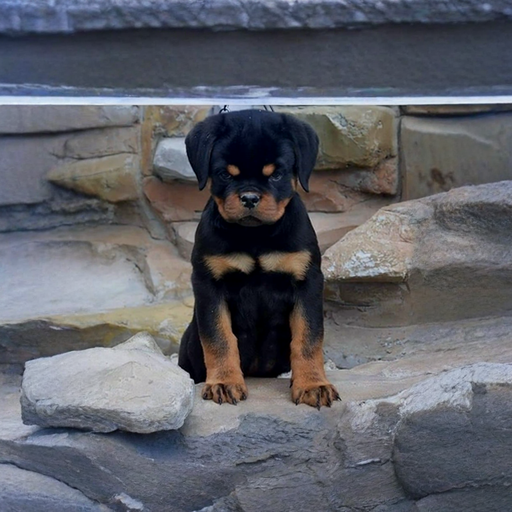
Rottweiler Puppy for Sale in UAE – Only 10 Weeks Old
Original price was: 10,000 د.إ.9,000 د.إCurrent price is: 9,000 د.إ.What should you know before choosing a Rottweiler puppy for sale? If you are looking for a Rottweiler puppy for sale, you may also be comparing a Rottweiler for sale, searching for a dog Rottweiler puppy, checking the Rottweiler dog price, the Rottweiler puppy price, or the Rottweiler dog price Dubai before making your decision. Many families also search for Rottweiler Dubai, dog Rottweiler for sale, Rottweiler puppy for sale near me, or even miniature Rottweiler for sale while trying to find the right puppy.
Before bringing one home, it is important to understand the breed’s history, temperament, training needs, health, grooming requirements, and how well a Rottweiler adapts to living in the UAE. Learning about these topics first helps you choose the right puppy and prepare for many years together.
Rottweiler Puppy for Sale: Learn About the Breed First
Choosing a Rottweiler should never be based solely on its impressive appearance. While the breed is well known for its strength and confident presence, it is equally admired for its loyalty, intelligence, and deep devotion to its family.
Bringing a Rottweiler into your home is a long-term commitment. Before making that decision, it is important to understand the breed’s characteristics, care requirements, and lifestyle needs. Future owners should learn about:
- The breed’s history
- Daily exercise requirements
- Training and socialization
- Nutrition
- Health care
- Grooming needs
- Compatibility with family life
Having realistic expectations from the beginning helps create a positive and rewarding relationship with your dog.
History of the Rottweiler
The Rottweiler is one of the oldest working dog breeds in the world, with a history that dates back nearly 2,000 years to the time of the Roman Empire.
As Roman armies traveled across Europe, they moved large herds of cattle to provide food for their soldiers. Powerful, dependable dogs were needed to herd and protect these animals during long journeys. Over time, these early working dogs became the ancestors of the modern Rottweiler.
When the Roman Empire expanded into what is now Germany, the breed continued to develop around the town of Rottweil, where it eventually acquired its name.
Where Did the Rottweiler Come From?
The modern Rottweiler originated in Germany, specifically in the historic town of Rottweil. For centuries, local merchants, butchers, and farmers relied on these strong and intelligent dogs to perform a variety of demanding tasks.
Their traditional responsibilities included:
- Herding cattle
- Protecting livestock
- Pulling carts
- Guarding property
- Assisting merchants during transport
Because of their versatility, reliability, and willingness to work, Rottweilers earned a reputation as dependable working dogs capable of handling challenging jobs.
Why Is the Breed Called the Rottweiler?
The breed takes its name from the German town of Rottweil, where it became closely associated with local butchers and cattle merchants. These hardworking dogs played an essential role in moving livestock, protecting valuable goods, and assisting with everyday work.
As the breed became established in the region, people began referring to these dogs as Rottweilers, meaning “the dog from Rottweil.” The name has remained ever since and is now recognized around the world as one of the most respected working dog breeds.
How the Rottweiler Changed Over Time
Although the Rottweiler was originally developed for herding and guarding livestock, its role has changed significantly over the years.
Today, Rottweilers work in many different fields, including:
- Police work
- Military service
- Search and rescue
- Therapy work
- Service dog assistance
- Family companionship
Their intelligence and willingness to work continue making them one of the most respected working breeds in the world.
Find Pomeranian puppy for sale
Why the Rottweiler Is So Popular
The Rottweiler has earned worldwide popularity because it combines strength with loyalty. Owners appreciate the breed for its:
- Intelligence
- Confidence
- Protective nature
- Trainability
- Strong work ethic
- Deep family loyalty
When properly raised and socialized, a Rottweiler becomes both a loving companion and a dependable guardian.
Rottweiler Quick Facts
| Feature | Information |
|---|---|
| Breed Group | Working Group |
| Country of Origin | Germany |
| Original Purpose | Herding and Guarding Cattle |
| Height | 56–69 cm |
| Weight | 35–60 kg |
| Life Expectancy | 9–10 years |
| Coat Type | Short Double Coat |
| Shedding | Moderate |
| Grooming Needs | Low to Moderate |
| Energy Level | High |
| Intelligence | Very High |
| Family Friendly | Yes, with proper training |
| Apartment Friendly | Possible with sufficient exercise |
Physical Appearance
The Rottweiler has a muscular, well-balanced body built for strength and endurance.
Typical features include:
- Broad head
- Strong jaw
- Dark almond-shaped eyes
- Medium-sized ears
- Powerful neck
- Deep chest
- Straight back
- Strong legs
Every part of the breed’s body reflects its history as a hardworking working dog.
Size and Weight
The Rottweiler is considered a large breed. Healthy adults generally measure:
| Feature | Average Size |
|---|---|
| Male Height | 61–69 cm |
| Female Height | 56–63 cm |
| Male Weight | 50–60 kg |
| Female Weight | 35–48 kg |
Maintaining a healthy weight is extremely important because extra weight places additional pressure on joints and bones.
Coat and Color
The Rottweiler has a short, dense double coat that provides excellent protection in a variety of weather conditions. Although the coat is relatively easy to maintain, it is one of the breed’s most distinctive physical characteristics.
The Rottweiler is recognized for a single classic color pattern consisting of:
- A black coat
- Clearly defined rust or mahogany markings
These markings typically appear above the eyes, on the cheeks, chest, legs, and beneath the tail. Well-defined markings are an important feature of the breed standard and contribute to the Rottweiler’s distinctive appearance.
You can learn about the Jack Russell dog and Dog Dalmatian
Is There a Miniature Rottweiler for Sale?
Many people search online for a Miniature Rottweiler, hoping to find a smaller version of this powerful breed. However, it is important to know that there is no officially recognized Miniature Rottweiler.
Some advertisements use the term “miniature” to describe:
- Smaller-than-average puppies
- Mixed-breed dogs
- Rottweilers that are naturally below the average size
If you are looking for a healthy Rottweiler puppy, focus on choosing one from a responsible breeder who prioritizes health, temperament, and proper socialization rather than unusually small size. A well-bred, healthy puppy is always a better choice than one selected solely because it is marketed as “miniature.”
Why the Rottweiler Is Different from Many Other Large Breeds
Unlike breeds developed mainly for guarding or companionship, the Rottweiler combines several working abilities in one dog.
It possesses:
- Physical strength
- Intelligence
- Problem-solving ability
- Loyalty
- Endurance
- Natural confidence
This combination makes it one of the most versatile working breeds ever developed.
Is the Rottweiler the Right Breed for You?
A Rottweiler can become an outstanding companion for owners willing to invest time in training, exercise, and socialization.
This breed is best suited to people who can provide:
- Daily physical activity
- Consistent leadership
- Positive training
- Mental stimulation
- Long-term commitment
When raised responsibly, the Rottweiler becomes a calm, confident, and affectionate member of the family.
Dog Rottweiler Puppy Development
A dog Rottweiler puppy grows quickly during its first year, both physically and mentally. While Rottweilers become large and powerful adults, every puppy begins life completely dependent on its mother. The experiences a puppy has during the first few months play a major role in shaping its confidence, behavior, and relationship with people.
Early socialization, proper nutrition, and positive training all contribute to raising a calm, well-balanced adult dog.
Rottweiler Puppy Development Stages
| Age | Development Milestones | What Owners Should Know |
|---|---|---|
| Birth to 2 Weeks | Puppies spend most of their time sleeping and nursing. Their eyes remain closed, their hearing is still developing, they cannot regulate their body temperature, and they rely completely on their mother for warmth, nutrition, and protection. | Healthy Rottweiler puppies should gain weight steadily during this stage. Proper maternal care is essential for healthy growth and development. |
| 3 to 4 Weeks | Puppies begin opening their eyes fully, responding to sounds, walking with greater confidence, playing with their littermates, and becoming curious about people and their surroundings. | These early experiences help develop important social skills and lay the foundation for confident adult behavior. |
| 5 to 8 Weeks | Rottweiler puppies become much more active and begin developing confidence and independence. They learn bite control, social behavior, communication with other dogs, and appropriate play. | Responsible breeders provide gentle daily interaction and expose puppies to normal household experiences to help prepare them for a smooth transition into family life. |
When Can a Rottweiler Puppy Leave Its Mother?
Most Rottweiler puppies are ready to join a new family between 8 and 10 weeks of age.
Keeping puppies with their mother and littermates during this period allows them to develop important life skills.
These include:
- Social communication
- Emotional stability
- Confidence
- Appropriate play behavior
Taking a puppy home too early may increase the risk of behavioral problems later in life.
Signs That a Puppy Is Ready for a New Home
Before moving to a new family, a healthy puppy should:
- Eat solid food without assistance.
- Drink water independently.
- Walk confidently.
- Play normally.
- Gain weight consistently.
- Receive its first veterinary examination.
- Begin its vaccination schedule.
These milestones help ensure the puppy is physically and emotionally ready for the transition.
Rottweiler Temperament
The Rottweiler is known for having a calm, confident, and loyal temperament. Unlike some breeds that become excited easily, a well-raised Rottweiler usually observes situations before reacting.
Common personality traits include:
- Loyal
- Intelligent
- Courageous
- Calm
- Protective
- Confident
- Patient
- Observant
These characteristics make the breed an excellent family companion when properly trained and socialized.
Find a Dachshund for sale Dubai and a Cockapoo for sale
Is the Rottweiler Good with Families?
Yes. A well-socialized Rottweiler is known for forming strong, lasting bonds with its family. Although the breed has a powerful appearance, many owners describe their Rottweilers as affectionate, loyal, and gentle with the people they know and trust.
Rottweilers enjoy being involved in family life and often prefer spending time with their owners rather than being left alone for long periods. Early training and socialization help puppies grow into confident, well-mannered members of the household.
Is the Rottweiler Good with Children?
When properly trained and socialized, a Rottweiler can be a wonderful companion for children. Older children often enjoy walking, playing with, and training the dog, helping to build a strong relationship based on trust and respect.
Because of the breed’s size and strength, young children should always be supervised during interactions. Parents should also teach children how to behave appropriately around dogs by following simple guidelines:
- Respect the dog’s personal space.
- Do not disturb the dog while it is eating.
- Never pull the ears or tail.
- Allow the puppy to rest undisturbed while sleeping.
- Handle the puppy gently and calmly.
Positive experiences from an early age help build lifelong friendships between children and dogs.
Can a Rottweiler Live with Other Dogs?
Yes. Many Rottweilers live happily with other dogs, especially when they are introduced and socialized from an early age.
Regular exposure to friendly, well-behaved dogs helps puppies develop appropriate social skills and confidence. Introductions should always be calm, gradual, and supervised, while rewarding polite behavior encourages positive interactions.
Can a Rottweiler Live with Cats?
A Rottweiler can successfully share a home with cats, particularly when both animals are introduced during puppyhood.
The introduction process should be gradual, allowing each pet to adjust at its own pace. Interactions should never be forced, as patience and positive experiences are the foundation of a peaceful relationship.
With proper introductions and ongoing supervision, many Rottweilers and cats live together comfortably for many years.
Rottweiler Intelligence
The Rottweiler is considered one of the most intelligent working dog breeds. It learns quickly, enjoys solving problems, and performs best when given a clear purpose.
Many Rottweilers quickly recognize:
- Daily routines
- Family rules
- Training commands
- Feeding schedules
- Household expectations
Their intelligence allows them to excel in obedience, service work, search and rescue, tracking, and a variety of dog sports.
How Easy Is It to Train a Rottweiler?
Rottweilers are highly trainable when owners use positive, consistent training methods. They respond best to:
- Praise
- Rewards
- Clear communication
- Short, focused training sessions
- Consistency
Training should begin while the puppy is still young. Establishing good habits early makes it much easier to manage a large, powerful adult dog.
Basic Commands Every Rottweiler Should Learn
Early obedience training helps build confidence, improves communication, and enhances safety in everyday situations.
Every Rottweiler should learn basic commands such as:
- Sit
- Stay
- Come
- Down
- Leave it
- Wait
- Heel
Practicing these commands regularly strengthens the bond between owner and dog while encouraging good manners.
Mental Stimulation
Because the Rottweiler is an intelligent working breed, mental exercise is just as important as physical activity.
Activities that keep the mind engaged include:
- Puzzle toys
- Obedience training
- Scent games
- Problem-solving exercises
- Interactive toys
Providing regular mental challenges helps prevent boredom and encourages balanced behavior.
Exercise Requirements
Rottweilers have moderate to high energy levels and require regular exercise to stay healthy and happy.
Most healthy adults benefit from:
- Daily walks
- Structured play sessions
- Obedience training
- Controlled running or jogging
- Interactive games
Regular physical activity helps maintain muscle tone, supports overall health, and reduces the likelihood of unwanted behaviors caused by excess energy.
Is the Rottweiler Naturally Protective?
Yes. The Rottweiler has strong natural protective instincts that developed over centuries of working as a guardian and livestock protector.
A confident Rottweiler is naturally observant and pays close attention to its surroundings. It may alert its family when it notices:
- Visitors
- Unusual sounds
- Unexpected movement
- Changes around the home
With proper socialization and training, these protective instincts become balanced, allowing the dog to remain calm while recognizing everyday situations.
Early Socialization
The first months of a Rottweiler puppy’s life are a critical period for learning and development. Positive experiences during this time help shape a confident, well-adjusted adult dog.
Gradually introduce your puppy to:
- Different people
- Friendly dogs
- New environments
- Car rides
- Household noises
- Veterinary visits
- Grooming sessions
Early socialization teaches puppies to approach new experiences with confidence rather than fear.
Preparing Your Home for a Rottweiler Puppy
Before bringing your puppy home, prepare a safe, comfortable environment where it can settle in and learn new routines.
Essential supplies include:
- A comfortable dog bed
- Food and water bowls
- Durable chew toys
- Puppy-safe gates
- A properly sized crate
- Training treats
- A sturdy leash and harness
Puppy-proofing your home by removing hazardous objects and securing dangerous areas also helps prevent accidents during the first few weeks.
Why Early Training Makes a Difference
Rottweilers grow rapidly into large, powerful dogs, making early training one of the most important investments an owner can make.
Teaching good manners during puppyhood is much easier than correcting unwanted behaviors later in life. Short, consistent training sessions help puppies develop:
- Self-control
- Confidence
- Good manners
- Focus
- Trust
With patience, consistency, and positive reinforcement, these early lessons become lifelong habits, helping your Rottweiler grow into a well-behaved, reliable, and confident companion.
Best Food for a Rottweiler
A balanced diet is one of the most important factors in raising a healthy Rottweiler. As a large, muscular working breed, the Rottweiler requires high-quality nutrition to support healthy growth, strong bones, muscle development, joint health, and overall well-being throughout its life.
The ideal diet should be tailored to the dog’s:
- Age
- Body weight
- Activity level
- Overall health
- Veterinary recommendations
A complete and balanced diet should include:
- High-quality animal protein
- Healthy fats
- Essential vitamins
- Minerals
- Fiber
- Omega-3 and Omega-6 fatty acids
Fresh, clean drinking water should always be available to keep your Rottweiler properly hydrated.
Feeding a Rottweiler Puppy
A growing Rottweiler puppy has different nutritional needs than an adult dog. Because large-breed puppies grow rapidly, their growth must remain steady rather than too fast, helping to support healthy bones and joints.
Choose a high-quality puppy food formulated specifically for large breeds. These diets are carefully balanced to provide the nutrients needed for healthy development, including:
- Calcium
- Phosphorus
- High-quality protein
- DHA for brain development
- Essential vitamins and minerals
Avoid overfeeding, as excessive weight gain during puppyhood can increase the risk of joint and skeletal problems later in life.
Rottweiler Feeding Schedule
Feeding smaller, regular meals throughout the day supports healthy digestion and provides a steady supply of energy during growth.
A typical feeding schedule is:
| Age | Meals per Day |
|---|---|
| 8–12 weeks | 4 meals |
| 3–6 months | 3 meals |
| 6–12 months | 2–3 meals |
| Adult | 2 meals |
| Senior | 2 smaller meals, or as recommended by a veterinarian |
Keeping meal times consistent also helps establish a predictable daily routine and can support house training in young puppies.
Portion Control of a Dog Rottweiler Puppy
Every Rottweiler has unique nutritional requirements, so there is no single portion size that suits every dog.
The correct amount of food depends on factors such as:
- Age
- Body weight
- Activity level
- Metabolism
- Type of food
Rather than relying on a fixed quantity, follow the feeding guidelines provided by the food manufacturer and adjust portions with your veterinarian’s advice when necessary. Maintaining a healthy body condition is more important than feeding a specific amount.
Healthy Treats
Treats are an excellent way to reward good behavior and support positive training when offered in moderation.
Healthy options include:
- Cooked chicken pieces
- Small training treats
- Carrot slices
- Apple slices without seeds
- Blueberries
- Veterinary-approved dental treats
Treats should complement a balanced diet and should never replace complete meals.
Foods to Avoid
Some human foods are toxic or potentially dangerous for dogs and should never be given to a Rottweiler.
Avoid feeding:
- Chocolate
- Grapes
- Raisins
- Onions
- Garlic
- Alcohol
- Coffee
- Tea
- Xylitol (artificial sweetener)
- Macadamia nuts
- Cooked bones
If your dog accidentally eats any of these foods, contact your veterinarian immediately, as prompt treatment may be necessary.
Water Requirements for Rottweiler Puppy For Sale
Because Rottweilers are large, active dogs, they require constant access to clean, fresh drinking water throughout the day.
To maintain proper hydration:
- Wash water bowls every day.
- Refill them with fresh water regularly.
- Carry water during long walks or outdoor activities.
- Encourage your dog to drink after exercise.
Proper hydration is especially important during hot weather, particularly in regions such as the UAE, where high temperatures can increase the risk of dehydration.
Grooming Guide
Grooming a Rottweiler
Although the Rottweiler has a short coat, regular grooming is still an important part of keeping the dog healthy.
Routine grooming helps:
- Remove loose hair
- Keep the coat clean
- Improve skin health
- Reduce shedding
- Detect skin problems early
Most Rottweilers enjoy gentle brushing once they become familiar with the routine.
Rottweiler Grooming and Health Care Checklist
| Care Area | Recommended Care | Why It Matters |
|---|---|---|
| Brushing the Coat | Brush the short double coat once or twice a week using a rubber grooming brush, grooming mitt, or soft bristle brush. Increase brushing during seasonal shedding. | Removes loose hair, distributes natural oils, keeps the coat healthy, and reduces shedding around the home. |
| Bathing | Bathe your Rottweiler every 6–8 weeks or whenever it becomes particularly dirty. Brush the coat before bathing, use lukewarm water, and choose a dog-specific shampoo. Rinse thoroughly. | Keeps the coat and skin clean while preventing irritation caused by shampoo residue. |
| Seasonal Coat Care | During shedding seasons, brush more frequently, remove loose undercoat, and check the skin for signs of irritation. | Helps control shedding, supports skin health, and maintains a healthy coat throughout the year. |
| Nail Care | Check the nails every few weeks and trim them if they touch the ground while standing or click on hard floors. Seek professional help if needed. | Proper nail length supports healthy movement, posture, and overall comfort. |
| Ear Cleaning | Inspect the ears weekly to ensure they remain clean, dry, and odor-free. Watch for redness, swelling, excess wax, or unusual discharge. Clean only the visible part of the ear with a veterinarian-approved ear cleaner. | Routine ear care helps prevent infections and allows early detection of ear problems. |
| Dental Care | Brush the teeth regularly, ideally every day or at least several times a week. Use dog-specific toothpaste and veterinarian-recommended dental chews when appropriate. | Reduces plaque, tartar, gum disease, and bad breath while promoting lifelong oral health. |
| Eye Care | Check the eyes regularly to ensure they remain bright, clear, moist, and alert. Seek veterinary care if you notice excessive tearing, redness, swelling, or cloudiness. | Early detection of eye problems helps protect your Rottweiler’s vision and overall eye health. |
| Paw Care | Inspect the paws after walks for stones, cuts, cracked paw pads, or splinters, and remove any trapped debris. | Clean, healthy paws improve comfort and reduce the risk of irritation or infection. |
| Weight Management | Maintain a healthy weight through balanced nutrition and regular exercise. | Reduces stress on the hips, knees, elbows, and spine, supporting long-term mobility and joint health. |
Daily Care Routine
A consistent daily routine helps Rottweilers feel secure and well-adjusted.
An example schedule includes:
| Time | Activity |
|---|---|
| Morning | Walk, breakfast, fresh water |
| Mid-Morning | Rest and mental enrichment |
| Afternoon | Training session or playtime |
| Evening | Walk, dinner, family time |
| Night | Final toilet break and rest |
Routine helps dogs understand what to expect throughout the day.
Grooming Schedule
| Grooming Task | Recommended Frequency |
|---|---|
| Brushing | 1–2 times weekly |
| Bathing | Every 6–8 weeks |
| Nail Trimming | Every 3–4 weeks |
| Ear Check | Weekly |
| Teeth Brushing | Daily or several times weekly |
| Paw Inspection | After outdoor activities |
Common Grooming Mistakes
Some common mistakes owners make include:
- Bathing too frequently
- Ignoring dental care
- Skipping regular brushing
- Forgetting nail trimming
- Not checking the ears
- Allowing excess weight to develop
A simple grooming routine helps prevent many of these issues.
Grooming Strengthens the Bond Between Dog and Owner
Regular grooming is not only about appearance. It also allows owners to monitor their dog’s health while strengthening trust through gentle handling and positive experiences.
Dogs that become comfortable with grooming from puppyhood usually remain more relaxed during veterinary visits and professional grooming appointments.
Find Your Rottweiler Puppy at Puppies Hub
Choosing where your puppy comes from is just as important as choosing the breed itself. A healthy puppy should come from a trusted source that values responsible breeding, proper veterinary care, and early socialization. Starting with a well-cared-for puppy helps build the foundation for a confident, healthy, and happy companion.
At Puppies Hub, we are passionate about helping families across the UAE find healthy puppies that are ready to become lifelong companions.
Our team understands that bringing home a Rottweiler is a long-term commitment, and we are here to guide you throughout the process—from choosing the right puppy to learning how to care for it as it grows.
Why Choose Puppies Hub?
Every puppy deserves the best possible start in life.
That is why Puppies Hub focuses on:
- Healthy puppies
- Ethical breeding practices
- Veterinary health examinations
- Age-appropriate vaccinations
- Balanced nutrition
- Early socialization
- Clean and comfortable living conditions
- Professional guidance for new owners
Our goal is to help every puppy transition smoothly into its forever home while giving new owners the confidence they need to care for their newest family member.
Healthy Puppies Raised with Care
The first weeks of a puppy’s life are extremely important.
At Puppies Hub, every puppy receives attention and care that supports healthy development.
This includes:
- Daily health monitoring
- Proper feeding
- Clean surroundings
- Gentle human interaction
- Regular veterinary care
These early experiences help puppies become more confident and adjust more easily to life with their new families.
Support Before and After Adoption
Bringing home a Rottweiler puppy often comes with many questions, especially for first-time owners.
Our team is happy to guide about:
- Feeding schedules
- House training
- Grooming routines
- Exercise
- Vaccinations
- Socialization
- Everyday puppy care
We believe that excellent customer support continues long after your puppy arrives home.
Puppies Hub Across the UAE
Whether you live in:
- Dubai
- Sharjah
- Abu Dhabi
Puppies Hub proudly serves families throughout the UAE.
We work hard to make the process of finding your new puppy simple, enjoyable, and stress-free.
Start Your Journey with Puppies Hub
If you are searching for a healthy Rottweiler puppy for sale, Puppies Hub is committed to helping you find the right companion for your family.
At Puppies Hub, we are more than just a pet shop near you—we’re your trusted destination for puppies for sale Dubai. We offer healthy, vaccinated, and ethically bred puppies delivered across the UAE, including Dubai, Sharjah, and Abu Dhabi. Our team ensures top-quality care, fast delivery, and 24/7 customer support through WhatsApp and phone.
Whether you are looking for your first Rottweiler or adding another loyal companion to your family, Puppies Hub is here to help you every step of the way.
Common Health Problems in the Rottweiler
The Rottweiler is generally a strong and healthy breed, but like all dogs, it can be affected by certain inherited and age-related health conditions. Regular veterinary checkups, a balanced diet, proper exercise, and responsible breeding all help reduce many health risks.
Understanding these conditions allows owners to recognize early warning signs and seek treatment before problems become more serious.
Common Health Problems in Rottweilers
| Health Condition | Description | Common Signs | Prevention & Management |
|---|---|---|---|
| Hip Dysplasia | A common orthopedic condition in large breeds where the hip joint does not develop properly. | Limping, difficulty standing, reluctance to jump, stiffness after exercise, and reduced activity. | Maintain a healthy weight, avoid excessive exercise during puppyhood, and follow your veterinarian’s recommendations for long-term joint health. |
| Elbow Dysplasia | A developmental condition affecting the elbow joint that can cause pain and reduced mobility. | Front leg lameness, difficulty running, swollen joints, and stiff movement. | Early diagnosis, weight management, and appropriate veterinary treatment can improve mobility and quality of life. |
| Heart Conditions | Some Rottweilers are predisposed to inherited heart diseases that require regular monitoring. | Low energy, difficulty exercising, heavy breathing, and frequent coughing. | Routine veterinary examinations help detect heart problems early and support timely treatment. |
| Eye Problems | Rottweilers may develop eye conditions such as cataracts, Progressive Retinal Atrophy (PRA), or eyelid abnormalities. | Cloudy eyes, excessive discharge, redness, vision changes, or irritation. | Regular eye examinations and prompt veterinary care help protect vision and improve treatment outcomes. |
| Obesity | Excess body weight places additional strain on the body and increases the risk of several health problems. | Weight gain, reduced mobility, lower activity levels, and decreased stamina. | Feed balanced meals, measure portions carefully, limit treats, and provide daily exercise to maintain a healthy weight. |
| Gastric Dilatation-Volvulus (Bloat) | A life-threatening condition in which the stomach fills with gas and may twist, affecting large, deep-chested breeds like the Rottweiler. | Swollen abdomen, restlessness, unsuccessful attempts to vomit, heavy drooling, and difficulty breathing. | This is a medical emergency. Seek immediate veterinary care if any symptoms of bloat appear. |