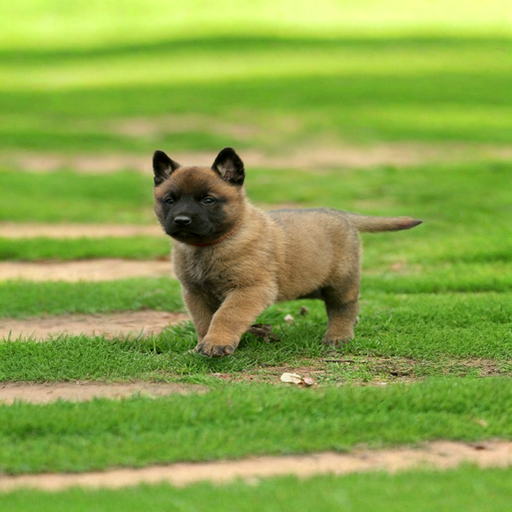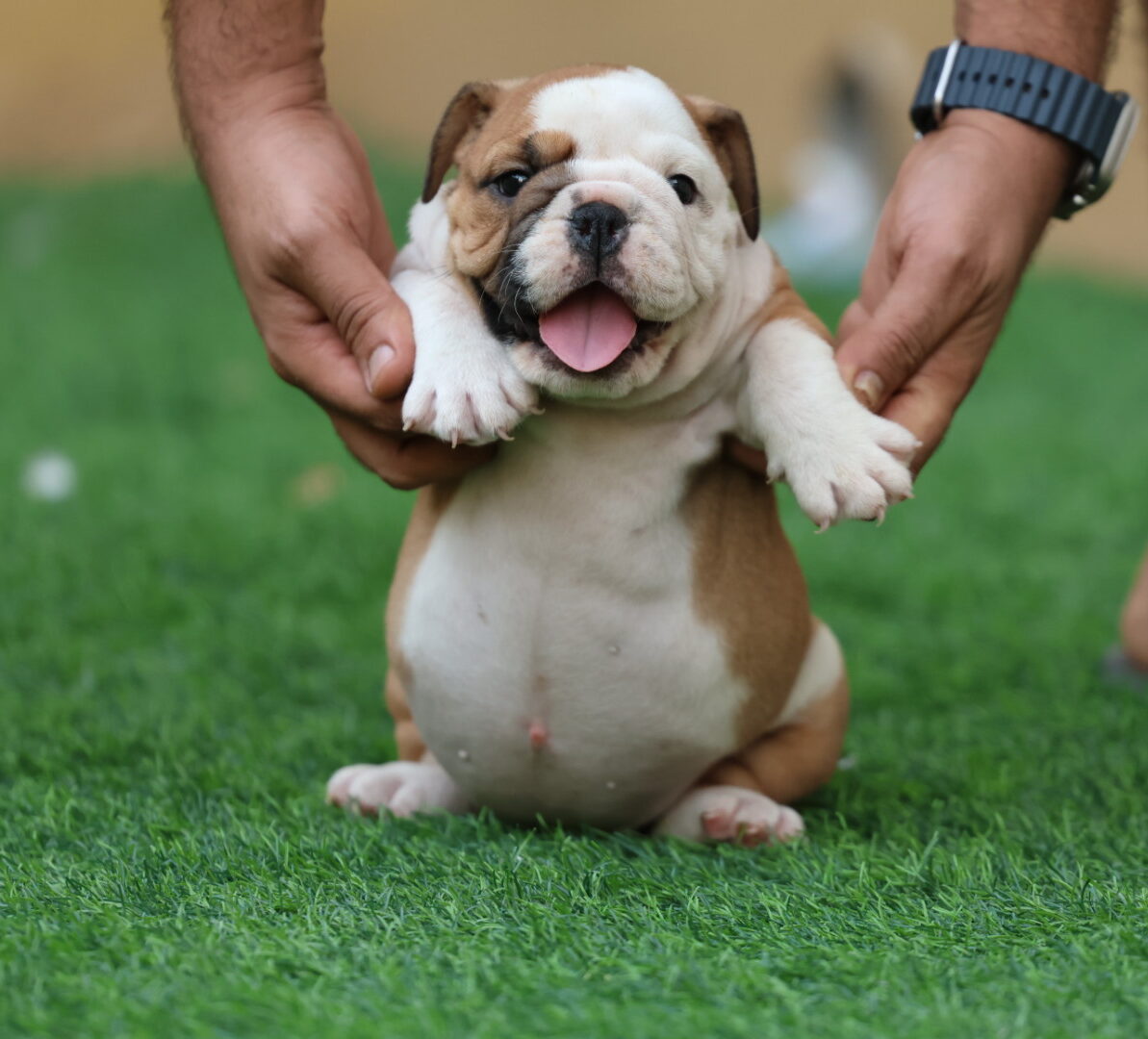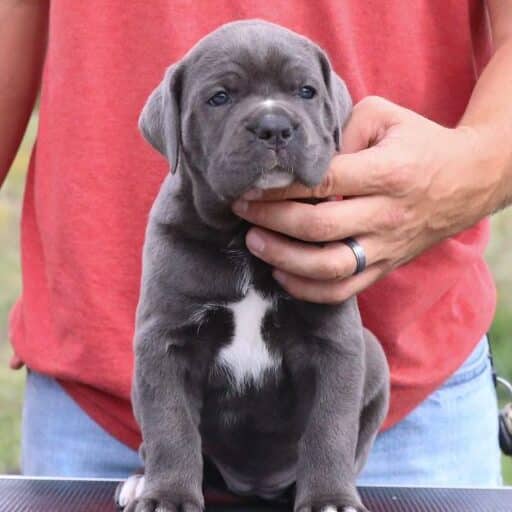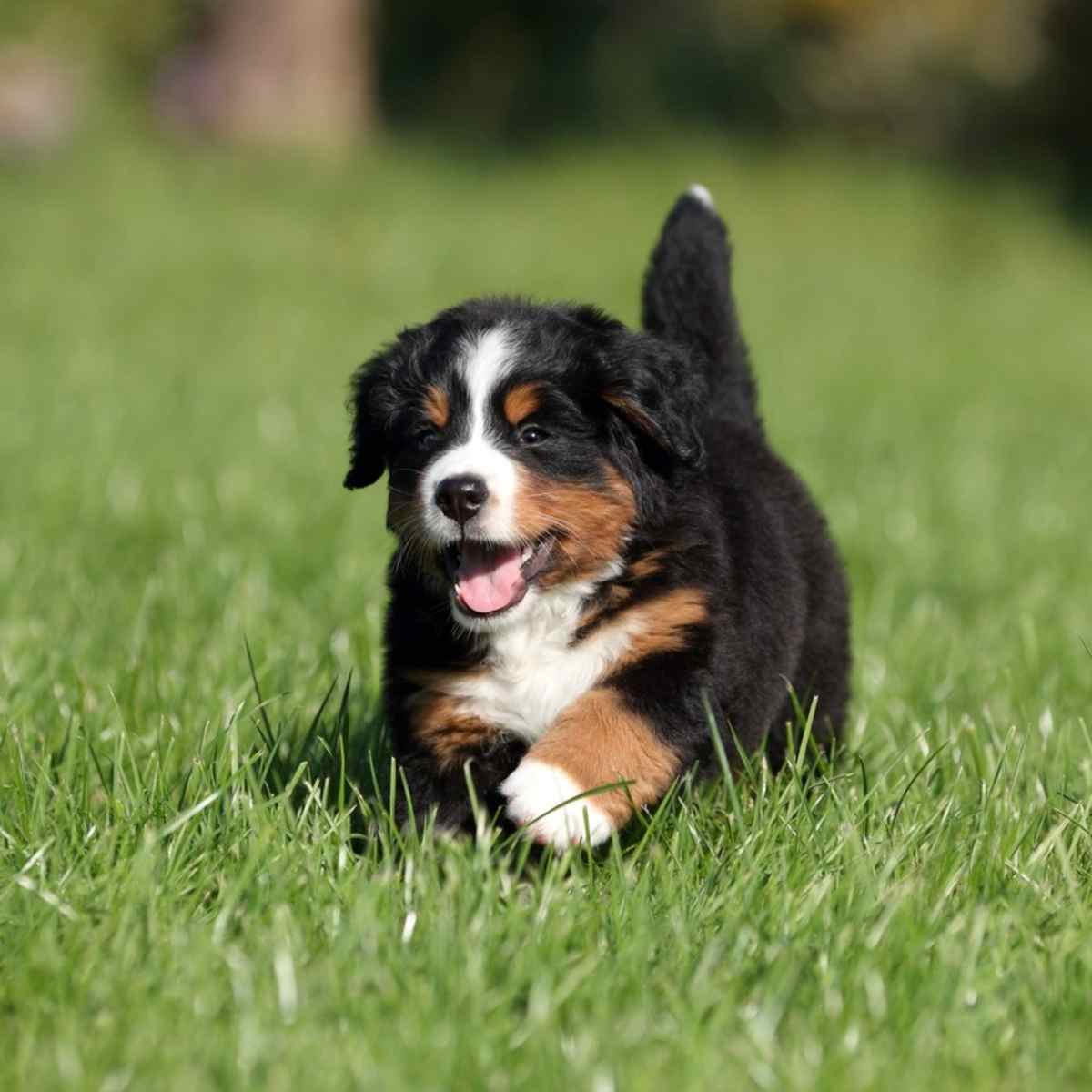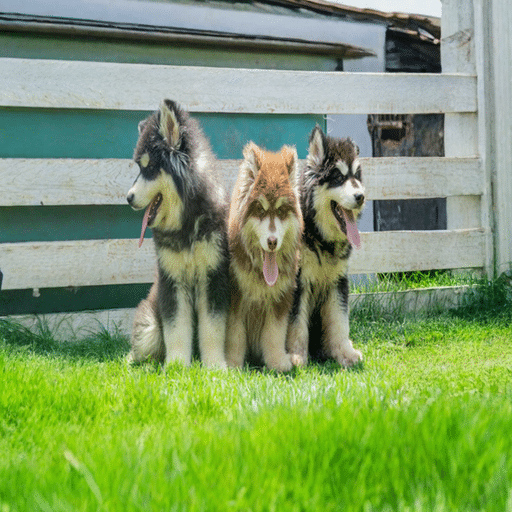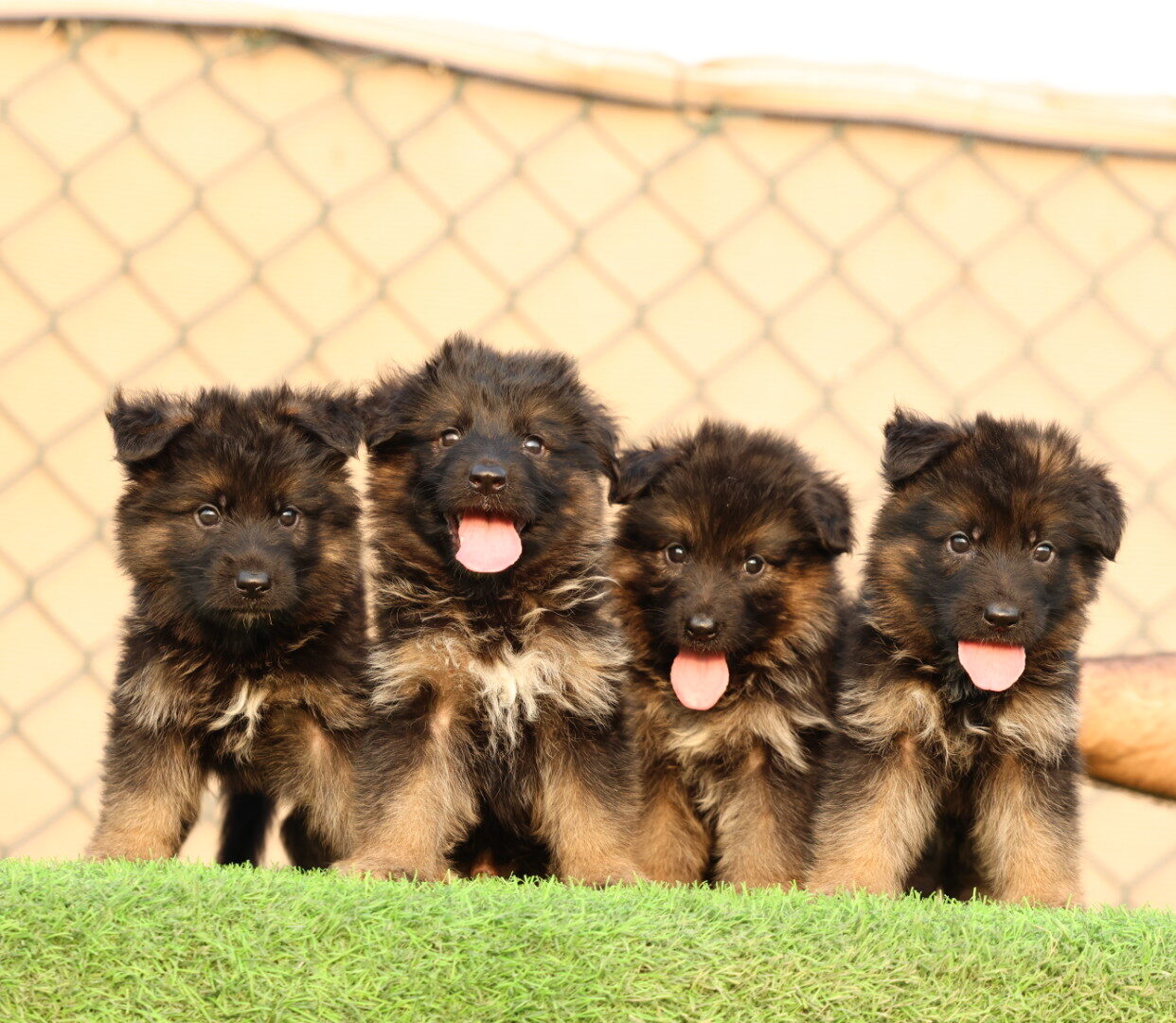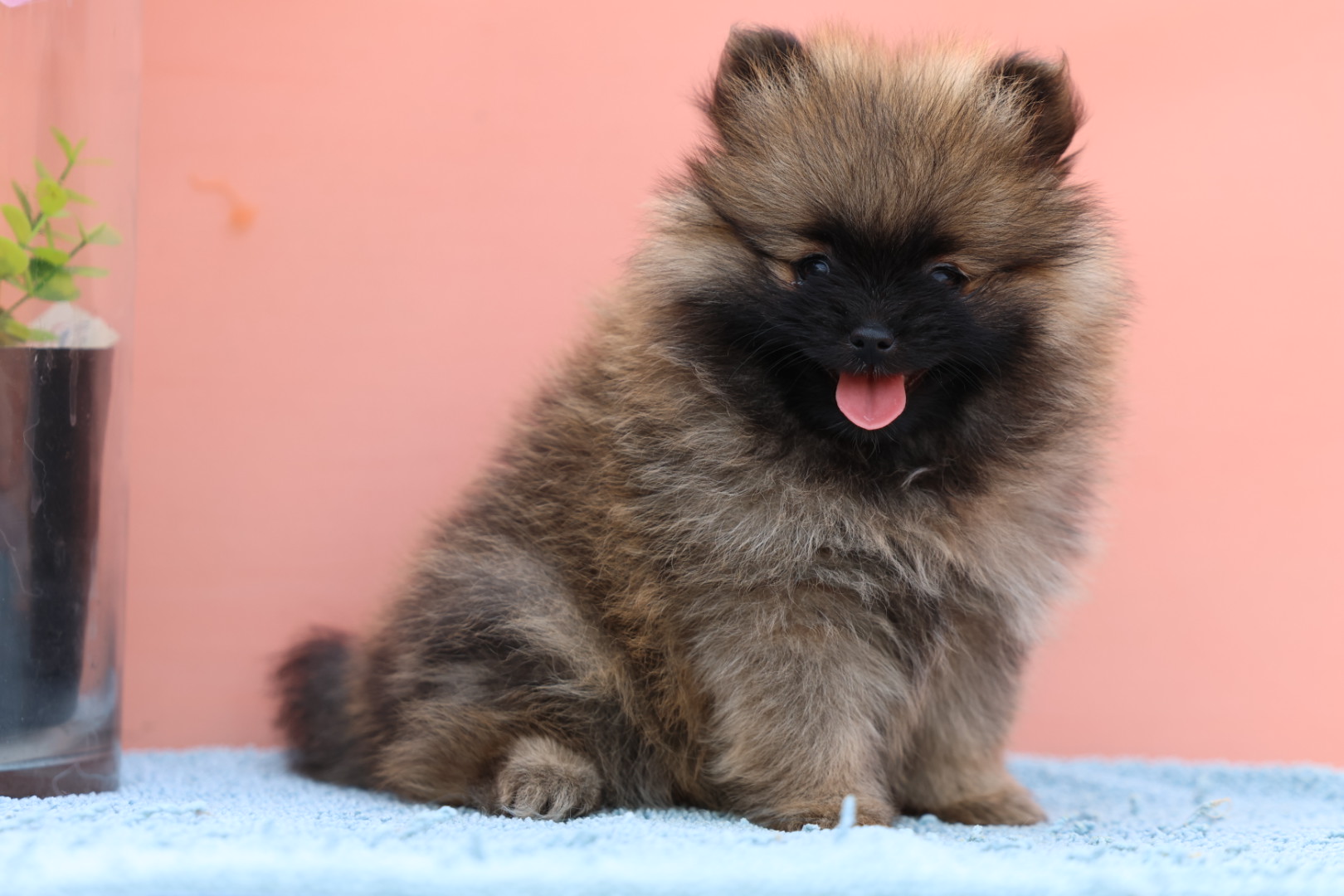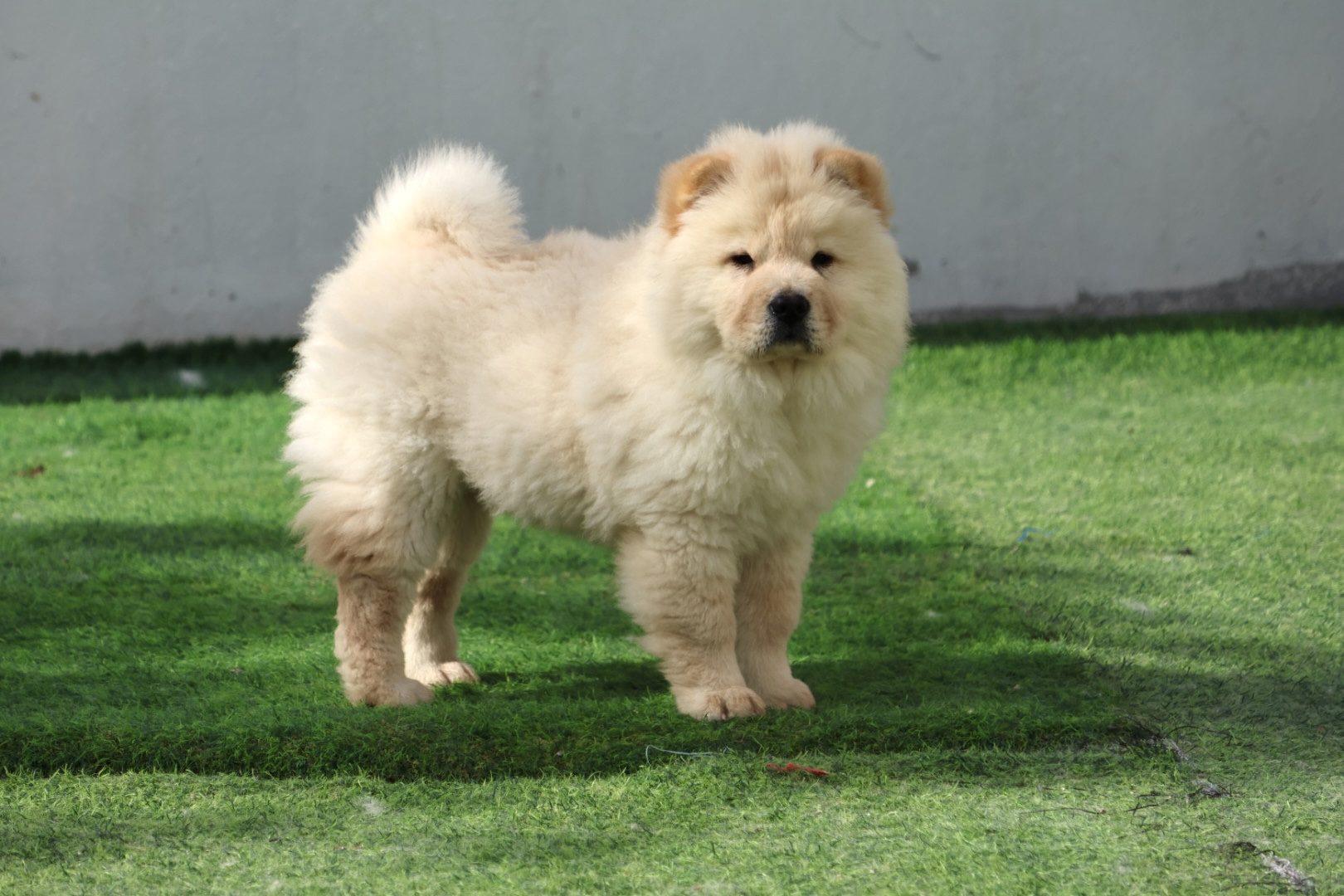
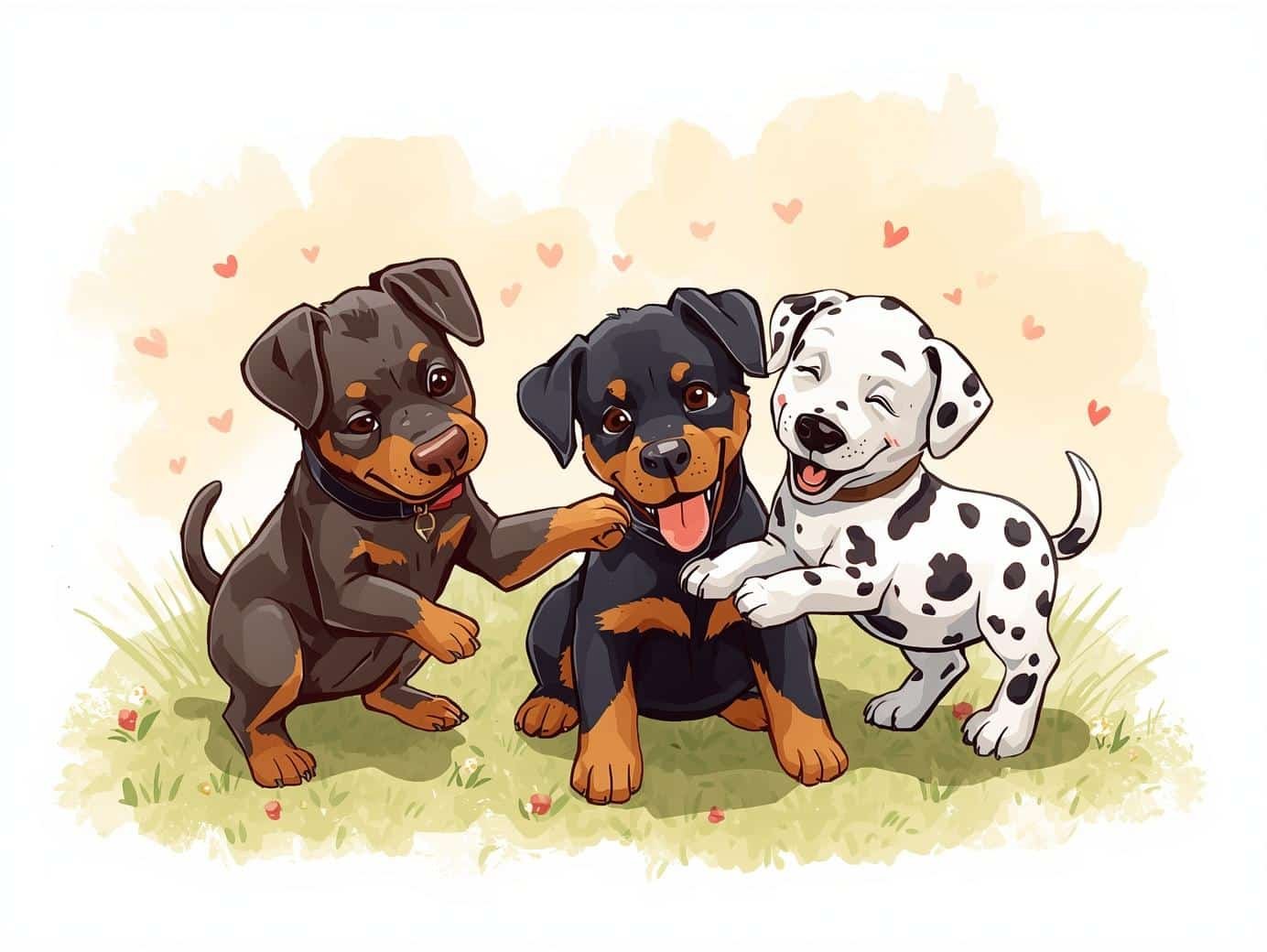
When exploring different dog breeds, few comparisons are as fascinating as the Doberman Puppy, Rottweiler Puppy, and Dalmatian Puppy. These three breeds each have rich histories, strong personalities, and specific traits that shape their behavior, training needs, and compatibility with different families.
Understanding their differences is not just about identifying which one is stronger, faster, or more intelligent—it’s about learning how their genetics, instincts, and upbringing influence who they become as adult dogs.
Whether someone is choosing a protection breed like the Doberman or Rottweiler, or a high-energy companion like the Dalmatian, the decision must be informed by lifestyle compatibility, training commitment, activity level, and long-term care needs. This article explores each breed in depth, comparing them from multiple angles and offering a complete guide to making the right choice.
Understanding the Temperament, Intelligence & Lifestyle Needs of a Doberman Puppy
A doberman puppy represents one of the most intelligent and powerful working breeds in the world. Known for their loyalty, sharp alertness, and natural protective instinct, Dobermans are often chosen for security roles, obedience competitions, and highly structured training programs.
Their intelligence is among the highest of all dog breeds, making them incredibly fast learners who require mental challenges to stay satisfied. Unlike more laid-back breeds, a Doberman Puppy thrives in environments where daily training, routine, and mental stimulation are prioritized. They absorb commands rapidly, but their sharp minds also mean they become bored easily if not engaged, which can lead to unwanted behaviors.
In terms of temperament, Dobermans are affectionate with their families and highly bonded to their owners. However, this deep connection means they dislike being left alone for long periods. They require owners who are consistent, confident, and committed to giving them structure. Early socialization is essential to ensure that the puppy grows into a balanced adult who is comfortable with strangers, environments, and other animals.
Because Dobermans have a strong drive for protection, proper training from an early age ensures that natural instincts develop in a controlled, healthy manner. Their lifestyle needs include active exercise, obedience training, and environments where they have a job or purpose.
Physically, Dobermans are athletic and energetic. They have sleek, muscular bodies built for speed and endurance. This means that regular exercise—such as running, agility routines, or advanced training—is necessary for their well-being. They are not ideally suited for low-energy households or owners who prefer a relaxed lifestyle. Instead, they thrive with active families, experienced dog owners, or people involved in professional dog training.
When properly raised, a Doberman Puppy grows into a confident, disciplined, and deeply loyal companion.
Personality, Strength & Training Needs of a Rottweiler Puppy
A rottweiler puppy carries a reputation for strength, stability, and intelligence. Historically bred as working dogs for guarding, pulling, and herding, Rottweilers are powerful and dependable animals known for their courage and sharp instincts.
A well-bred Rottweiler displays a calm confidence rather than aggression. They are loyal, affectionate with their families, and protective in a balanced, controlled way. However, because of their strong personalities and physical power, they require early socialization and structured training to help them develop into well-behaved adult dogs.
Rottweiler Puppies learn quickly and respond exceptionally well to positive reinforcement. They need mental stimulation just as much as physical exercise. Their intelligence allows them to excel in obedience, scent work, protection training, and various dog sports. However, improper training or lack of structure can lead to behavioral issues, especially as they grow into large, muscular adults. Owners must understand that Rottweilers benefit from consistent boundaries, clear commands, and firm but gentle leadership.
This prevents anxiety, dominance issues, or excessive protectiveness.
Physically, the Rottweiler is a robust and durable breed. They require moderate to high levels of exercise, including daily walks, playtime, and structured training sessions. Their thick bodies and strong legs support intense activity, but they can become overweight without mindful diet and exercise management.
Rottweiler Puppies also require exposure to children, other animals, and new environments to ensure balanced development. When raised correctly, these dogs become incredibly loyal and affectionate, often forming close bonds with each member of the family. A Rottweiler Puppy is best suited for confident owners committed to training, socializing, and providing a secure, active home environment.
Energy Level, Behavior & Lifestyle Fit of a Dalmatian Puppy
A dalmatian puppy is known for its iconic spotted coat, boundless energy, and outgoing personality. Originally used as carriage dogs, firehouse mascots, and general working companions, Dalmatians are active, intelligent, and friendly animals that thrive in stimulating environments. Their strong stamina and excitement for life make them ideal for energetic families or individuals who enjoy outdoor activities. Unlike the Doberman or Rottweiler, which have strong protective instincts, the Dalmatian relies more on sociability, curiosity, and athleticism.
They love playing, exploring, and participating in activities that challenge both their body and mind.In terms of temperament, Dalmatian Puppies are playful, enthusiastic, and highly interactive. They enjoy socializing with people and other animals, making them good companions for families. However, their high energy level requires consistent exercise, including long walks, runs, and playtime. Without proper stimulation, they may develop hyperactivity, restlessness, or destructive behaviors.
They respond well to training but may show independent streaks, making consistent routines essential for obedience and control. Their intelligence shines through in problem-solving skills and adaptability, but owners must be patient and persistent during training sessions.
Physically, Dalmatians are athletic and lean. Their strong legs and endurance mean they require more exercise than many other companion breeds. They also have unique dietary needs because of their predisposition to urinary issues. Owners should maintain proper hydration and high-quality food. Their social nature means they thrive in environments where they are included in family activities.
A Dalmatian Puppy brings excitement, joy, and constant energy into a home, making them perfect for active owners or families looking for a dynamic, playful companion.
Comparing the Three Breeds: Temperament Differences
The Doberman, Rottweiler, and Dalmatian each have unique temperaments shaped by breed history. Dobermans are alert, loyal, and strongly bonded to their families.
They excel in protection roles due to their instinctive capacity to assess danger. Rottweilers are calm, confident, and stable, making them reliable guardians. Their protective instincts are balanced and deeply rooted. Dalmatians, on the other hand, are energetic, social, and playful. They are less focused on guarding and more focused on interacting with people and staying physically active.
Differences in Energy Levels & Exercise Needs
Dobermans require structured high-intensity workouts and mental challenges. Rottweilers need balanced exercise—strength-building, obedience practice, and moderate daily activity. Dalmatians require the highest level of endurance-based exercise among the three. Their stamina and drive for movement make them exceptional running partners and active family dogs.
Differences in Training Styles
Dobermans learn advanced commands quickly and require structured training programs. Rottweilers respond best to firm leadership combined with affection and positive reinforcement. Dalmatians need patience and consistency due to their independent, playful nature. Each breed requires a unique training style tailored to temperament and energy level.
Differences in Socialization Requirements
Dobermans must be exposed to new situations early to ensure balanced protective instincts. Rottweilers need socialization to prevent dominance or overprotectiveness. Dalmatians benefit from socialization to help channel their energy and avoid hyperactive behaviors. All three breeds need early exposure, but the reasons differ based on their natural tendencies.
Differences in Health Considerations
Dobermans may face heart conditions and require regular checkups. Rottweilers are prone to joint issues and benefit from controlled growth patterns. Dalmatians require diet management to prevent urinary complications. Understanding these differences helps owners choose the breed they can support long-term.
Differences in Family Suitability
Dobermans fit well with active, experienced owners who prefer structure. Rottweilers are ideal for confident families seeking a calm but powerful guardian. Dalmatians suit energetic households that enjoy outdoor adventures and constant activity. Lifestyle compatibility plays a significant role in selecting the right breed.
Differences in Purpose & Historical Roles
Dobermans were bred for personal protection and security. Rottweilers were developed for herd control and guarding. Dalmatians were originally used for endurance-based roles such as escorting carriages. Their historical purpose heavily influences their modern behavior and training needs.
Conclusion: Choosing the Right Breed Based on Lifestyle & Commitment
The Doberman Puppy, Rottweiler Puppy, and Dalmatian Puppy each offer a unique combination of temperament, intelligence, energy, and lifestyle compatibility. The Doberman is best for owners seeking a highly intelligent and loyal working companion. The Rottweiler is ideal for families wanting a calm, protective guardian with balanced energy. The Dalmatian is perfect for active households that enjoy daily adventures, exercise, and playful companionship.
Understanding the differences between these breeds ensures that potential owners choose the one that matches their lifestyle, energy levels, training commitment, and long-term care expectations. When raised correctly, each of these breeds becomes a devoted, loving, and remarkable companion.