Every dog breed in the world has a special history, a special body shape, a special purpose, and a special personality. This is why dogs are not all the same, even if they look cute and friendly in their own way. Some dogs were made to work, some were made to protect, and some were made to be loving family companions. Because of these differences, each breed needs different food, different training, different exercise, and different care.
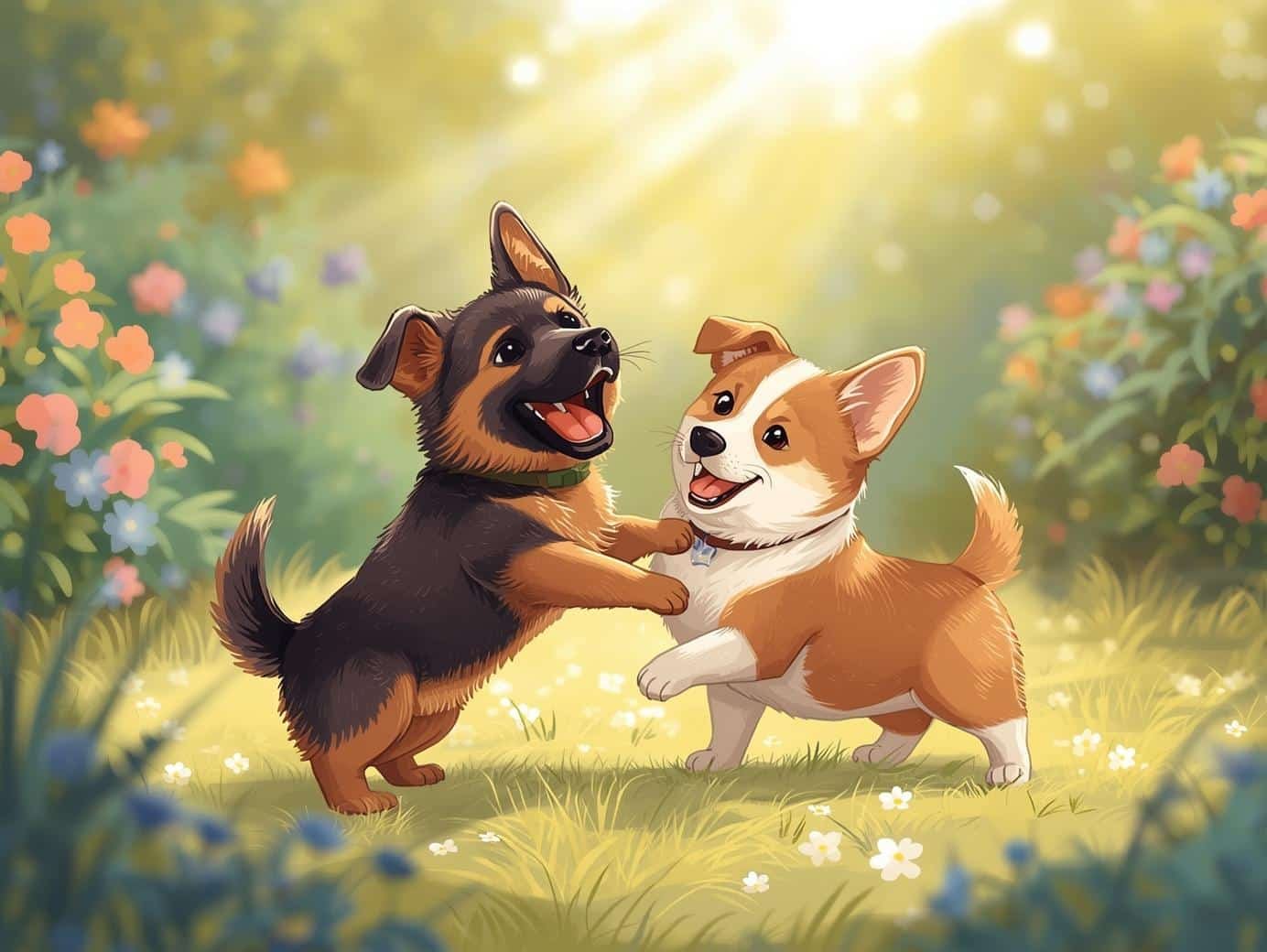
When comparing breeds like the German Shepherd and the Corgi, the differences become very clear. One is big, strong, and hardworking. The other is small, playful, and funny.
To understand these differences better, we must first learn about how dog breeders influence the development of each breed. Then we can compare how a German Shepherd puppy behaves, learns, and grows compared to a Corgi puppy.
In this article, we will look deeply at these differences using simple English so every reader can understand easily. We will also explore different angles: history, personality, size, training needs, exercise levels, food needs, lifestyle needs, and how each breed fits into a family home.
How Dog Breeders Shape Every Dog and Why This Matters
Good dog breeders play one of the most important roles in the dog world because they choose which dogs are allowed to have puppies and which are not. A good breeder does not pick dogs randomly. They study each dog carefully. They look at health, behavior, size, coat, personality, and even how the dog reacts to people. Breeders help create the qualities we see in dogs today.
For example, some breeders focus on working dogs like German Shepherds. They choose dogs that are brave, smart, and strong. This makes future generations of German Shepherds better at police work, guarding, and obedience training. Other breeders focus on smaller dogs like Corgis. They choose dogs that are friendly, fast, and good at herding. This helps keep the Corgi’s playful and alert personality strong.
Breeders also help control health problems. If a dog has a serious illness, a good breeder will not let that dog have puppies. This helps reduce unhealthy traits. Ethical breeding helps dogs live longer, healthier lives.
Another important job of breeders is socializing puppies early. Puppies learn a lot in the first 8 weeks of life. Breeders who give puppies love, gentle handling, clean environments, and early playtime help them grow into confident, friendly adults.
Because of breeders, each dog breed has a clear identity. German Shepherds are known for loyalty and intelligence. Corgis are known for being energetic and happy. Breeders influence size, coat color, behavior, and even how playful or calm a puppy may become.
This is why understanding breeders is important before comparing different breeds. They create the differences we see between German Shepherds and Corgis today.
What Makes a Puppy German Shepherd Puppy Special and Different
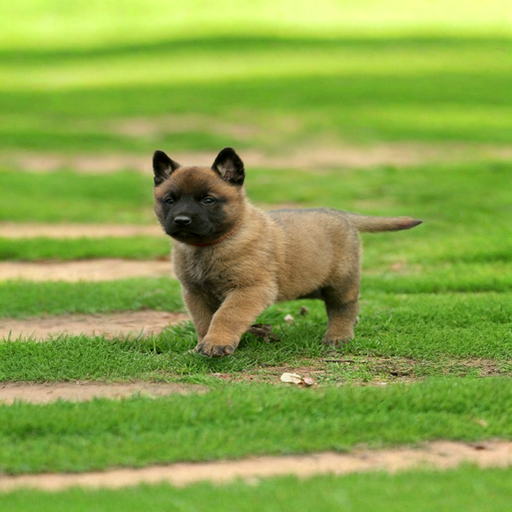
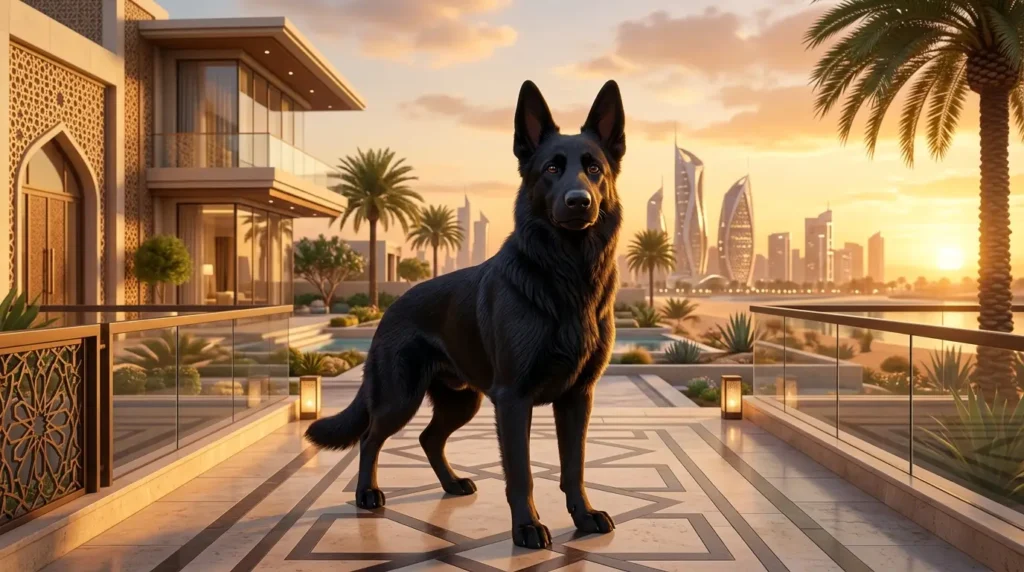
A puppy German Shepherd puppy is one of the smartest and most trainable dogs in the world. Even as a baby, a German Shepherd puppy is quick to learn commands, understand body language, and respond to training. They are famous for being used in police work, military missions, search and rescue operations, and as service dogs for people with disabilities.
German Shepherd puppies grow fast. They start small but quickly become medium to large-size dogs. Their bodies are strong and muscular. Their minds are sharp and active. This breed needs a lot of mental stimulation. They enjoy games that make them think, such as puzzle toys, scent games, and learning new tricks. They also love physical activity like running, walking, and playing fetch.
German Shepherd puppies bond deeply with their owners. They are protective, loyal, and very aware of their surroundings. They do not like to be bored and may become destructive if they do not get enough exercise or attention. This means German Shepherds are not ideal for people who live very busy lives with little time for their dogs.
Another major difference is their working instinct. This breed has natural abilities to guard, protect, and watch over their family. Even as puppies, they may bark when they hear strange sounds or see unfamiliar people. This is not aggression—it is their natural role as protectors.
German Shepherd puppies need early training. Because they grow into large and powerful adults, they must learn good behavior from the beginning. Basic obedience, socialization with other dogs, and exposure to different environments are very important.
When comparing them to a Corgi puppy later in this article, the biggest difference is clear: German Shepherd puppies are more serious, more focused, and more driven by purpose.
What Makes a Corgi Puppy Unique and Different From Larger Breeds
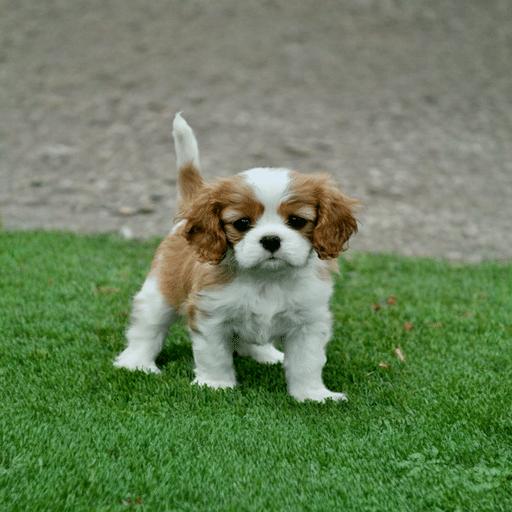
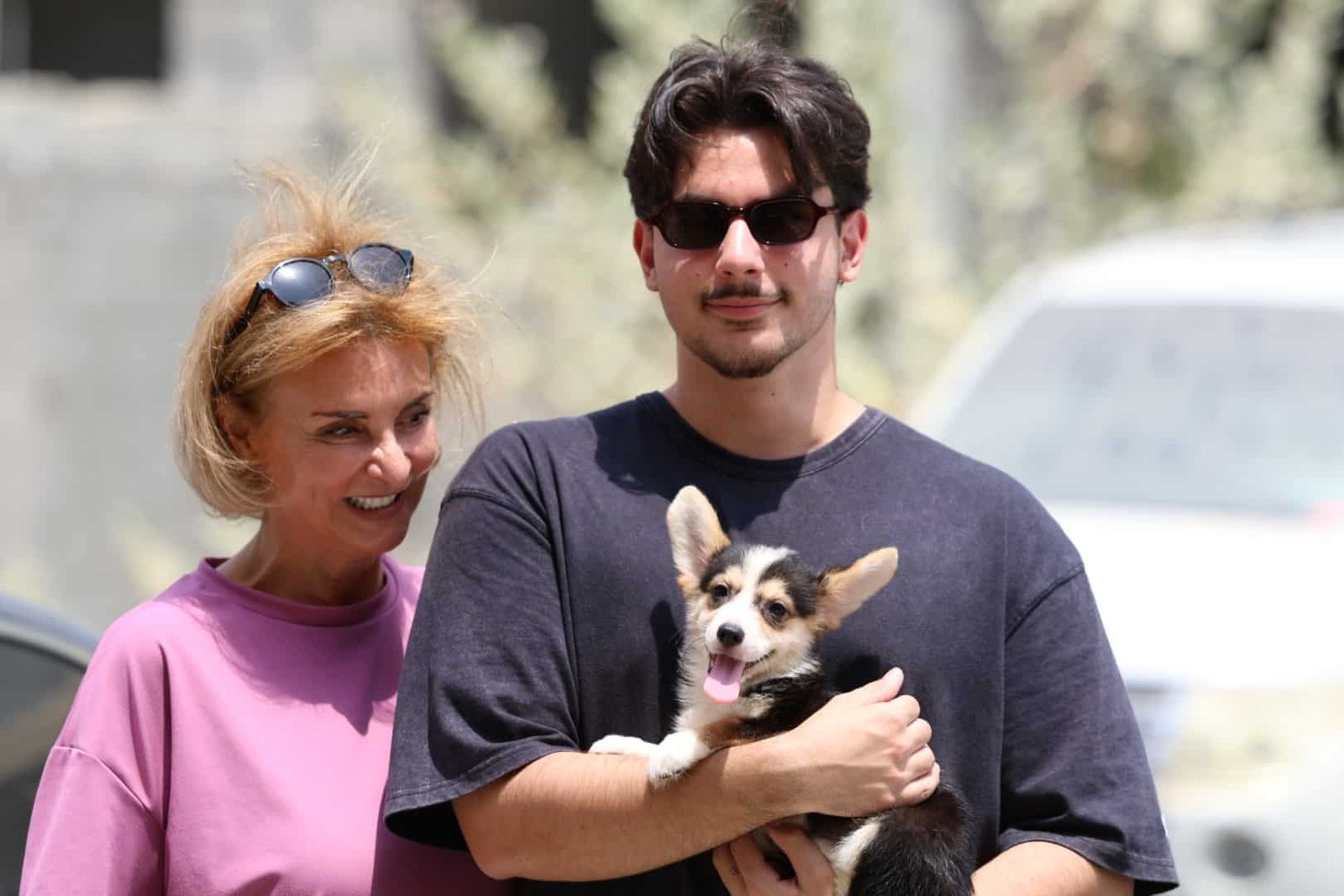
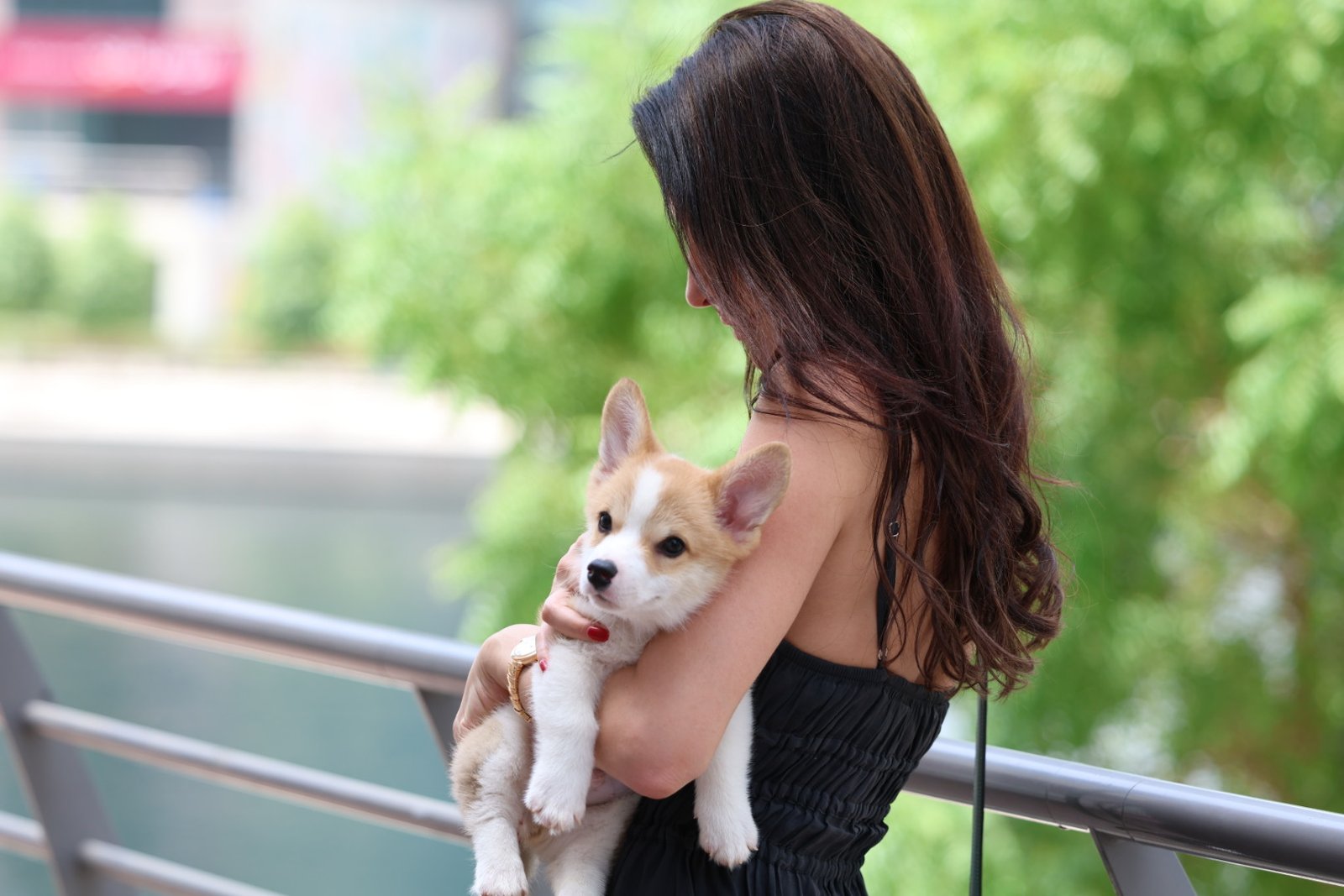
A corgi puppy is small, fluffy, and full of joy. Corgis may have short legs, but they have big hearts and big energy. They are one of the happiest, funniest, and most playful dog breeds. Originally, Corgis were herding dogs in Wales. Their job was to run under cows and sheep, nip at their heels, and lead them to the right direction. Because of this history, Corgis today still have a strong herding instinct.
Corgi puppies love to run, chase moving objects, and play games like fetch. They are very active for their size. Even though they look small, they need a lot of exercise. Corgis are smart, but in a different way than German Shepherds. They are clever, curious, and sometimes stubborn. They enjoy problem-solving games but may not always listen if they do not feel like it.
Corgis have a different personality style. They love being funny, entertaining their family, and showing affection. They also have big appetites and can gain weight easily, so owners must control their food. Corgi puppies socialize easily with people and other dogs because of their friendly nature.
Corgis do not grow very tall, but they grow wide. Their long bodies and short legs make them unique. However, this shape also means they must avoid activities that harm their back, such as jumping off high furniture or climbing too many stairs.
When comparing them to German Shepherd puppies, the personality difference is clear: Corgis are playful, funny, and joyful, while German Shepherds are serious, focused, and hard-working.
Breed History and How It Shapes Personality: puppies for sale
German Shepherds were created for herding and protection. Corgis were created for herding small animals. One is large and strong, the other is small and fast. History shapes their behavior today. German Shepherds are natural workers. Corgis are natural herders and comedians.
Size and Body Differences
German Shepherds grow large and muscular. Corgis stay small with short legs. Size influences how much food they need, how much exercise they can do, and what activities are safe.
Exercise Needs and Activity Levels
German Shepherds need long walks, running, and high-energy training. Corgis need daily exercise but not as heavy as a German Shepherd. Corgis enjoy playtime more than heavy work.
Training Styles and Intelligence Differences
German Shepherds are serious learners. They follow commands quickly. Corgis are smart but sometimes stubborn. They learn well with positive reinforcement and fun games.
Social Behavior and Family Life
German Shepherds bond deeply with one or two main people. Corgis love the whole family and enjoy being the center of attention. Both breeds are friendly but in different styles.
Grooming Needs and Coat Types
German Shepherds shed a lot and need brushing. Corgis also shed but have different coat textures. Grooming needs may affect owners differently.
Health Differences
German Shepherds may face hip issues. Corgis may face back issues. These differences affect exercise, jumping, and long-term care.
Food and Feeding Needs
German Shepherds need high-protein food. Corgis need controlled portions to avoid weight gain. Breed size and metabolism affect feeding.
Living Space and Environment
German Shepherds need large open areas or big homes. Corgis can live in apartments but still need outdoor time. Space affects happiness and behavior.
Emotional Needs and Bonding
German Shepherds need strong leadership and deep connection. Corgis need attention, fun, and play. Both are loyal but express love differently.
The Real Difference Between German Shepherds and Corgis
When comparing puppy german shepherd puppy with a corgi puppy, the differences are big. One is a working dog, the other is a playful companion. One is serious, the other is funny. One grows large, the other stays small.
But both are wonderful in their own way. What matters most is choosing the breed that fits your lifestyle, your home, and your daily routine. With love, training, and proper care, both breeds can become amazing family members.
find small puppies near me