Many dog owners want to understand Dog Body Language especially when they live with a strong Rottweiler, raise a smart Belgian millions puppy, or think about adopting a guardian breed like a cane corso for sale. Dogs cannot speak like humans, so they use body language to communicate. Every movement, look, ear position, and tail wag tells a story. Understanding these signals helps owners build trust, prevent bites, and create a safe home.
Dogs use body language to show happiness, fear, stress, excitement, or warning. Many behavior problems happen because humans misunderstand these signals. A wagging tail does not always mean the dog is friendly. A quiet dog is not always calm. Learning dog communication is one of the most important skills for every dog owner.
This article explains the main parts of dog body language in simple English. It shows how dogs express emotions and how owners can respond correctly.
Rottweiler: Reading Strong Breed Signals Correctly
The Rottweiler is a powerful and loyal breed. Because of its strength, understanding body language is very important. Rottweilers often communicate in calm but serious ways. They may not bark much, but their posture can show how they feel.
A relaxed Rottweiler has a loose body, soft eyes, and a tail in a natural position. When they are happy, they may wag gently and lean toward their owner. When they feel unsure, their body may become stiff, and they may watch closely.
Because Rottweilers are protective, they may stand tall when they sense danger. This does not always mean aggression. It can mean alertness. Owners must look at the full picture: ears, tail, breathing, and overall posture.
Early training and socialization help Rottweilers feel confident. When owners understand their signals, they can prevent fear and avoid stressful situations.
Belgian Malinois Puppy: Fast Communication and High Sensitivity
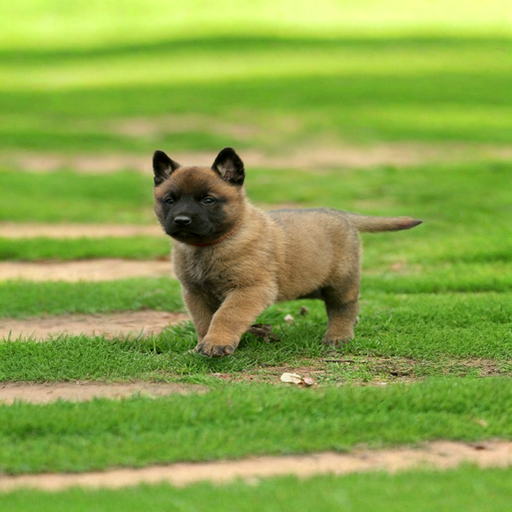
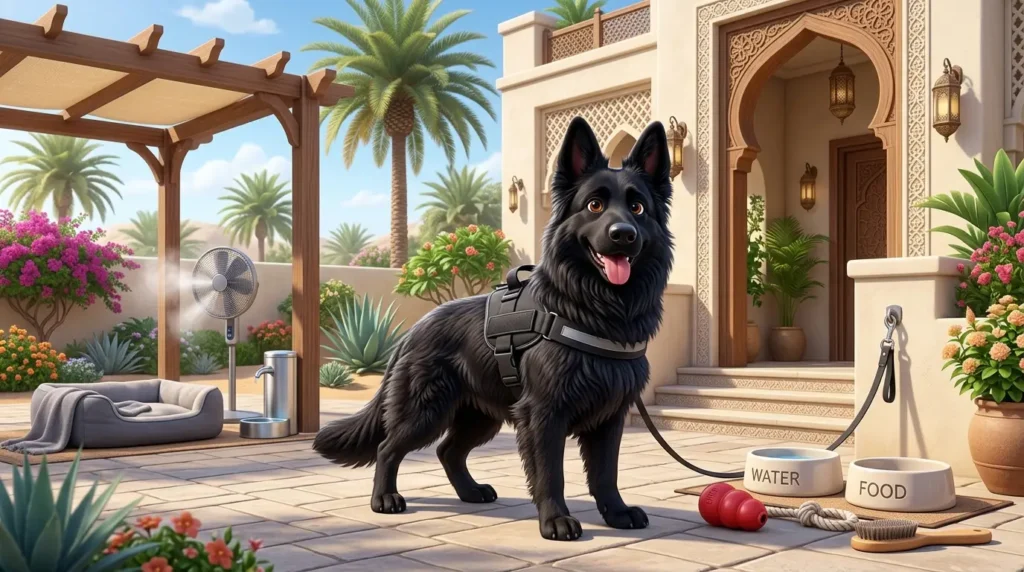
A Belgian Malinois puppy is highly intelligent, energetic, and emotionally sensitive. Malinois puppies communicate very quickly with their bodies. They react fast to sounds, movement, and human emotions.
A happy Malinois puppy often shows excitement with bouncing movements, bright eyes, and active tail wagging. When stressed, they may pace, pant, or avoid eye contact. Because Malinois are working dogs, they need structure. Confusion or boredom can show through restless body language.
Malinois puppies also use their mouths a lot. Nipping can be part of play, but it also can be a stress signal. Owners should teach calm behavior early and provide mental stimulation.
Understanding Malinois body language helps owners guide this breed safely. Calm leadership builds trust and reduces anxiety.
Cane Corso for Sale: Body Language in Guardian Dogs
The phrase cane corso for sale often attracts people looking for a strong guard dog. Cane Corsos are powerful and protective. Their body language can be very clear, but owners must learn to read it.
A calm Cane Corso is quiet, steady, and relaxed. A stressed Cane Corso may become stiff, stare, or stand between the owner and a stranger. This is often protective behavior, not immediate aggression.
Because Cane Corsos are large and strong, early socialization is essential. Owners must teach them what is normal and safe. Watching body language helps prevent serious problems.
Guardian breeds often communicate with posture more than barking. Understanding these signals protects everyone.
Tail Wagging: What It Really Means
Tail wagging is one of the most misunderstood signals. Fast wagging can mean excitement, but stiff wagging can mean warning. A low tail can mean fear. A high tail can mean alertness.
Owners must look at the whole body, not only the tail.
Ear Position and Listening Signals
Ears show mood. Forward ears mean interest. Back ears may mean fear or submission. Relaxed ears show comfort.
Different breeds have different ear shapes, but movement still gives clues.
Eyes and Facial Expressions
Soft eyes mean calmness. Wide eyes can show fear. Staring can be a warning. Dogs also use blinking to show comfort.
Understanding eye signals helps prevent bites.
Mouth Signals: Panting, Lip Licking, and Growling
Panting can mean heat or stress. Lip licking often shows anxiety. Growling is a warning, not bad behavior.
Respect warnings instead of punishing them.
Posture and Body Stiffness
Relaxed dogs have loose bodies. Stiff bodies mean tension. A crouched posture shows fear.
Body posture is one of the strongest signals.
Play Behavior vs Aggression
Play bows, bouncy movement, and relaxed faces show play. Aggression shows stiffness, hard stares, and raised hackles.
Knowing the difference is essential.
Signs of Fear in Dogs
Fear signs include hiding, trembling, tail tucked, and avoidance. Fear can lead to biting if ignored.
Give fearful dogs space and calm support.
Signs of Stress and Anxiety
Yawning, pacing, panting, and shaking off can be stress signals. Dogs often show stress before problems happen.
Reduce triggers and create safe routines.
Signs of Confidence and Comfort
Comfortable dogs explore calmly, accept touch, and rest easily. They show relaxed body language.
Confidence builds with positive experiences.
Communication Between Dogs
Dogs communicate with each other through posture, tail, and facial signals. Proper socialization teaches good dog communication.
Supervised play helps puppies learn manners.
How Humans Should Respond to Dog Signals
Owners should respond calmly. Reward relaxed behavior. Respect warning signs. Avoid forcing interaction.
Understanding prevents conflict.
Body Language During Training
Dogs show focus through eye contact and posture. Stress during training means sessions are too long or confusing.
Keep training positive and short.
Dogs and Children: Extra Safety
Children may not read body language well. Supervision is critical. Teach children gentle behavior and respect for dog space.
Safety protects everyone.
Common Mistakes Owners Make
Ignoring growling, forcing hugs, or punishing fear signals are common mistakes. These actions increase bite risk.
Education creates better outcomes.
How to Learn Your Dog’s Personal Language
Each dog is unique. Owners should observe daily patterns. Knowing normal behavior makes it easier to spot stress.
Bonding improves communication.
When to Get Professional Help
If a dog shows aggression or extreme fear, professional trainers or vets should help. Early support prevents danger.
Help is responsible, not shameful.
Dog Body Language Is the Key to Trust
Dogs speak with their bodies every day. Understanding Dog Body Language helps owners build safer, happier relationships. Whether you own a gentle companion or a strong guardian breed, reading signals correctly prevents problems and strengthens bonds.
The more you understand your dog, the better your life together will be.
Find puppies for sale near me