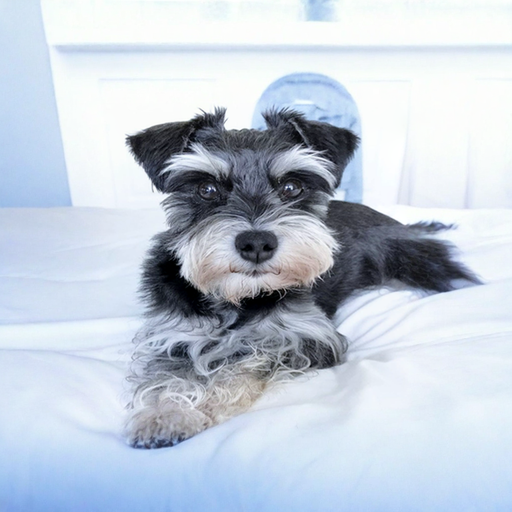
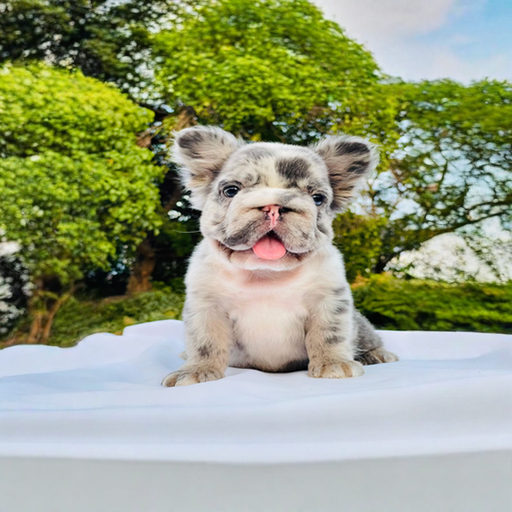
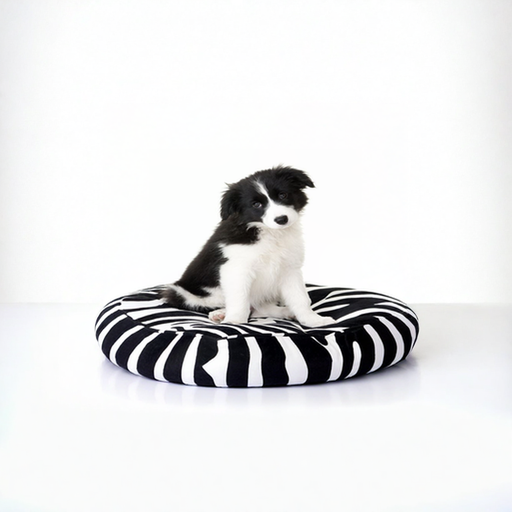
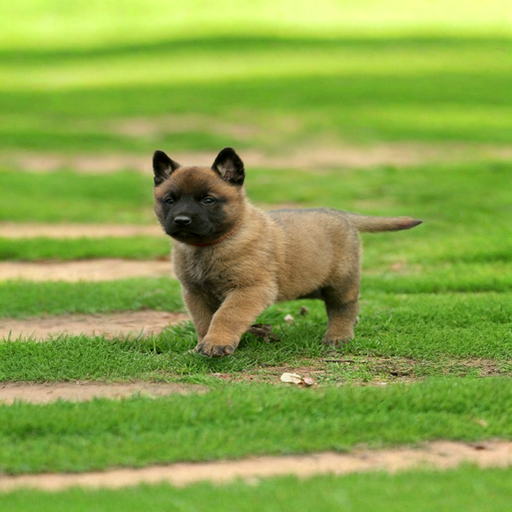
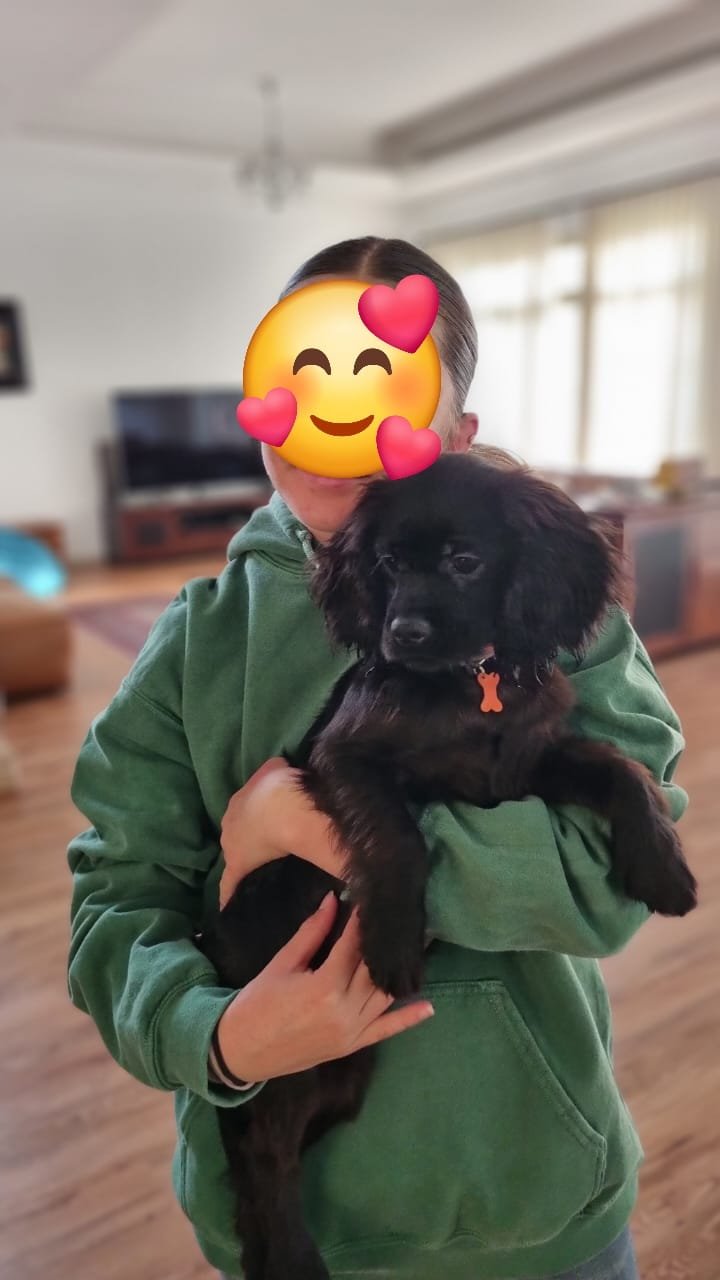
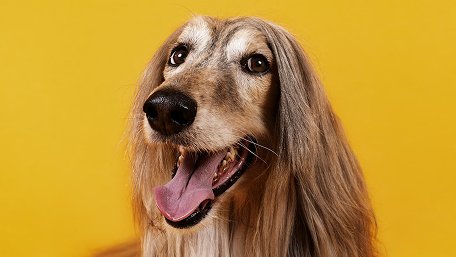
When you bring home an active malamute puppy, a smart border collie dog, or a protective belgian malinois dog from https://puppieshub.ae/, you focus on training, feeding, and exercise. However, one important part of grooming that many owners forget is ear cleaning. Dogs of all breeds can develop ear problems if their ears are not cleaned correctly. Learning how to clean your dog’s ears safely helps prevent infections, bad smell, discomfort, and serious health issues.
In this complete guide, you will learn step-by-step how to clean your dog’s ears the right way, how often to do it, what products to use, and how to recognize signs of ear infection.
Why Dog Ear Cleaning Is Important?
A dog’s ears naturally collect dirt, wax, moisture, and bacteria. While some buildup is normal, excessive accumulation can create an environment where bacteria and yeast thrive. If not addressed, this may lead to irritation, inflammation, or painful ear infections.
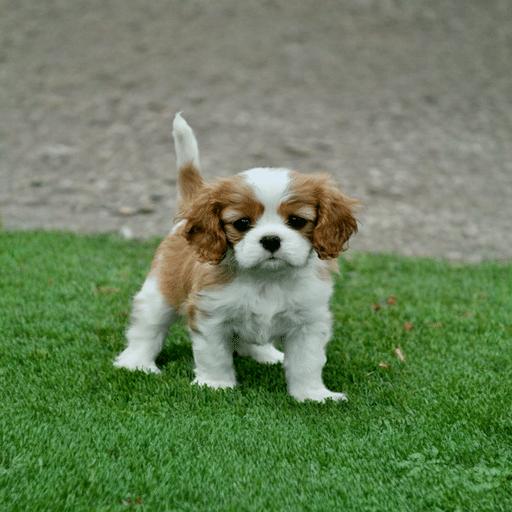
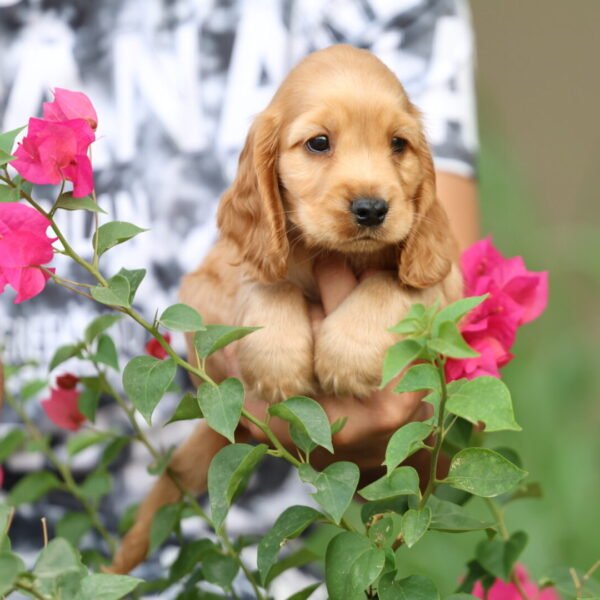
Certain breeds are more prone to ear problems due to their ear structure. Dogs with floppy or drooping ears—such as Cocker Spaniel or Basset Hound—tend to trap moisture and reduce airflow inside the ear canal. In contrast, breeds with upright ears, like the German Shepherd, generally have better ventilation, which lowers the risk of infection.
Regular ear cleaning helps:
- Remove excess wax and debris
- Reduce moisture buildup
- Prevent bacterial and yeast growth
- Detect early signs of redness, odor, or discharge
By maintaining clean ears, you protect your dog from discomfort and prevent minor issues from developing into more serious and costly health problems. Consistent care supports overall ear health and keeps your dog comfortable and pain-free.
Understanding the Structure of a Dog’s Ear
A dog’s ear canal is different from a human ear canal. It has an L-shape. This means dirt can easily get trapped inside. Because of this structure, cleaning must be done carefully. Pushing cotton swabs deep inside can cause damage. Always clean only the visible area unless advised by a veterinarian.
Malamute Puppy Ear Care Needs
A malamute puppy usually has upright ears, which allow better air flow. However, they are active dogs and may collect dust during outdoor play. Even though upright ears reduce moisture buildup, regular inspection is still important. Cleaning once every few weeks is usually enough unless the puppy gets very dirty.
Border Collie Dog and Active Lifestyle Ear Hygiene
The border collie dog is known for its high energy, intelligence, and love for outdoor activity. Whether herding, running, hiking, or playing in open fields, this breed is constantly exposed to dust, grass, moisture, and environmental debris. Because of this active lifestyle, ear hygiene becomes especially important.
Frequent movement through grass and dirt can allow small particles to enter the ear canal. Over time, this buildup—combined with natural wax—may create irritation or increase the risk of infection. Although Border Collies have semi-erect ears that allow more airflow than fully floppy breeds, they can still experience ear issues if not monitored regularly.
For active Border Collies, weekly ear checks are recommended. During inspection, look for:
-
Redness or swelling
-
Unpleasant odor
-
Excess wax or discharge
-
Signs of discomfort
If you notice scratching, frequent head shaking, or sensitivity when touching the ears, cleaning may be necessary. Early attention prevents minor irritation from developing into painful infections.
Regular ear care, combined with proper grooming and routine health checks, helps ensure your Border Collie stays comfortable, focused, and ready for its next adventure.
find a book store online
Belgian Malinois Dog and Working Breed Ear Maintenance
If you check belgian malinois price you will know that Belgian Malinois is widely known for its role in security, police, and military work. This highly active and intelligent breed spends significant time outdoors during training, patrol, and exercise sessions. Because of this constant exposure, regular ear checks are essential.
During training, dust, sand, and small debris can enter the ear canal. Although the Belgian Malinois has upright ears that allow better airflow compared to floppy-eared breeds, this does not eliminate the risk of ear problems. Moisture from rain, washing, or intense physical activity can remain trapped inside the ear, creating an environment where bacteria or yeast may grow.
Routine ear care should include:
- Weekly visual inspections
- Checking for redness, odor, or unusual discharge
- Gently cleaning when buildup is visible
- Thorough drying after baths or wet training sessions
Early detection is key. Signs such as head shaking, scratching, or sensitivity when touching the ears may indicate irritation or infection. With consistent monitoring and proper hygiene, working dogs like the Belgian Malinois can maintain healthy ears and stay focused on their demanding roles.
Signs Your Dog’s Ears Need Cleaning
Look for these warning signs:
- Head shaking
- Scratching ears
- Redness inside ear
- Bad smell
- Brown or yellow discharge
- Sensitivity when touched
If you notice these signs, cleaning may help. If symptoms are severe, visit a veterinarian.
How Often Should You Clean Your Dog’s Ears?
Frequency depends on breed and lifestyle.
- Dogs with floppy ears may need weekly cleaning.
- Dogs with upright ears may need cleaning every 2 to 4 weeks.
- Dogs that swim often need more frequent cleaning.
Over-cleaning can cause irritation, so balance is important.
Step-by-Step Guide: How to Clean Your Dog’s Ears Correctly
Follow these simple steps for safe ear cleaning.
Step 1: Gather Supplies
Before you begin, prepare everything you need:
- Vet-approved dog ear cleaning solution
- Cotton balls or soft gauze
- A clean towel
Avoid using alcohol or hydrogen peroxide, as these can irritate the sensitive skin inside the ear canal and cause discomfort.
Step 2: Keep Your Dog Calm
Choose a quiet, comfortable area with minimal distractions. Speak gently and reassure your dog throughout the process. If needed, have your dog sit or lie down in a relaxed position. Keeping the experience positive helps prevent anxiety during future cleanings.
Step 3: Apply the Cleaning Solution
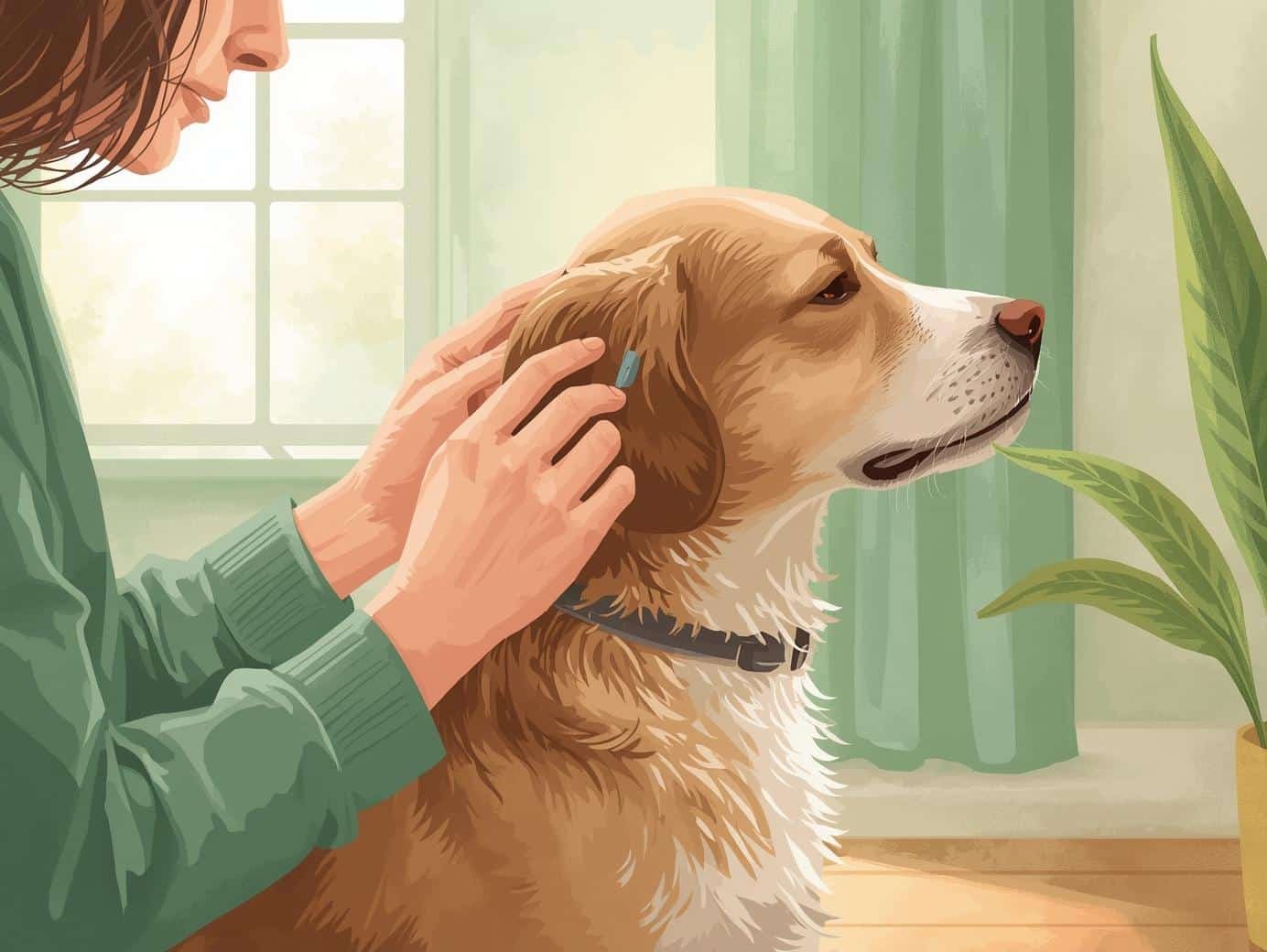
Gently lift the ear flap to expose the ear canal. Carefully add a few drops of the cleaning solution into the canal, following the product’s instructions. Avoid inserting the bottle tip deep into the ear.
Step 4: Massage the Base of the Ear
Massage the base of the ear for about 20 to 30 seconds. You may hear a soft squishing sound—this is normal and indicates the solution is breaking down wax and debris inside the canal.
Step 5: Let Your Dog Shake
Step back and allow your dog to shake its head. This natural reaction helps loosen and expel dirt and excess solution from the ear.
Step 6: Wipe the Outer Ear
Using a cotton ball or soft gauze, gently wipe away visible dirt and excess liquid from the outer part of the ear.
Never push anything deep into the ear canal, as this can cause injury or push debris further inside.
common mistakes to avoid
- Using cotton swabs deep inside the ear
- Using human ear drops
- Cleaning too often
- Ignoring strong odor or heavy discharge
When to Visit the Veterinarian
If you see thick discharge, swelling, bleeding, or if your dog cries in pain, professional treatment is necessary. Ear infections may require medication.
Breeds with Higher Risk of Ear Infections
Some breeds have floppy ears and are more prone to infections, including:
- cocker spaniel puppy
- Basset Hound
- Labrador Retriever
- Golden Retriever
These breeds may need more frequent cleaning.
Preventing Ear Problems
Prevention is easier than treatment.
- Dry ears after swimming
- Trim excess hair around ear opening
- Maintain regular grooming
- Feed balanced diet for strong immunity
The Role of Diet in Ear Health
A healthy immune system reduces infection risk. Some dogs with food allergies may develop frequent ear infections. Balanced nutrition supports overall ear health.
Cleaning Puppy Ears Safely
Puppies have delicate skin. Be very gentle during cleaning. Introduce ear cleaning early so they get used to the process. Positive reinforcement makes grooming easier.
Can You Use Natural Remedies?
Some natural solutions may help mild cleaning, but always consult a vet before using homemade products. Professional ear cleaners are safer and balanced for pH levels.
Seasonal Considerations in UAE
Hot and humid weather increases moisture in ears. Dogs living in UAE may need more frequent checks due to dust and heat.
Building a Routine for Ear Care
Check ears weekly even if cleaning is not required. Early detection prevents serious infections. Make ear care part of regular grooming routine.
Dog Ear Cleaning – Frequently Asked Questions
1. How often should I clean my dog’s ears?
It depends on the breed and activity level. For most dogs, cleaning every 2 to 4 weeks is sufficient. Active or floppy-eared breeds may require more frequent checks.
2. Can I use cotton swabs?
You may use cotton swabs to clean the outer ear only, but never insert them deep into the ear canal. This can push debris further inside or cause injury.
3. What are signs of an ear infection?
Common signs include:
4. Is ear cleaning painful?
Ear cleaning should not be painful if done correctly and gently. If your dog shows pain, stop and consult a veterinarian.
5. Can puppies have ear infections?
Yes. Puppies can develop ear infections just like adult dogs, especially if moisture or debris builds up.
6. Should I clean my dog’s ears after swimming?
Yes. Gently drying the ears after swimming helps prevent moisture buildup, which can lead to infection.
7. Can food allergies cause ear problems?
Yes. Allergies—especially food allergies—can increase inflammation and make infections more likely.
8. What solution should I use?
Always use a vet-approved ear cleaning solution specifically designed for dogs.
9. Is a bad smell normal?
No. A strong or unpleasant odor often indicates infection and should be checked by a veterinarian.
10. Can I clean my dog’s ears weekly?
Only if necessary. Over-cleaning may irritate the ear canal and disrupt its natural balance.
11. Do dogs with upright ears need cleaning?
Yes, but they typically need cleaning less often than dogs with floppy ears because airflow reduces moisture buildup.
12. What if my dog resists cleaning?
Use gentle handling, speak calmly, and reward your dog afterward. Positive reinforcement helps make the process easier over time.
13. Can ear infections spread?
Yes. If untreated, infections can worsen and potentially affect deeper parts of the ear.
14. Is professional cleaning ever needed?
In severe or recurring cases, professional veterinary cleaning and treatment may be necessary.
15. Why is early detection important?
Early treatment prevents pain, avoids complications, and reduces the risk of more serious or chronic ear problems.
Cleaning your dog’s ears correctly is an essential part of responsible pet ownership. Whether you care for a malamute puppy, an energetic border collie dog, or a hardworking belgian malinois dog, regular ear inspection and safe cleaning prevent infections and discomfort.