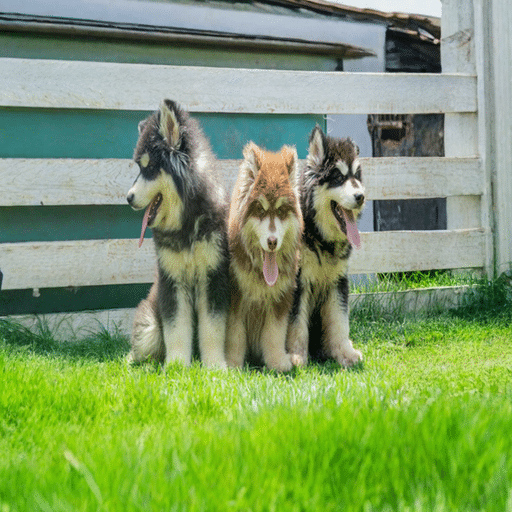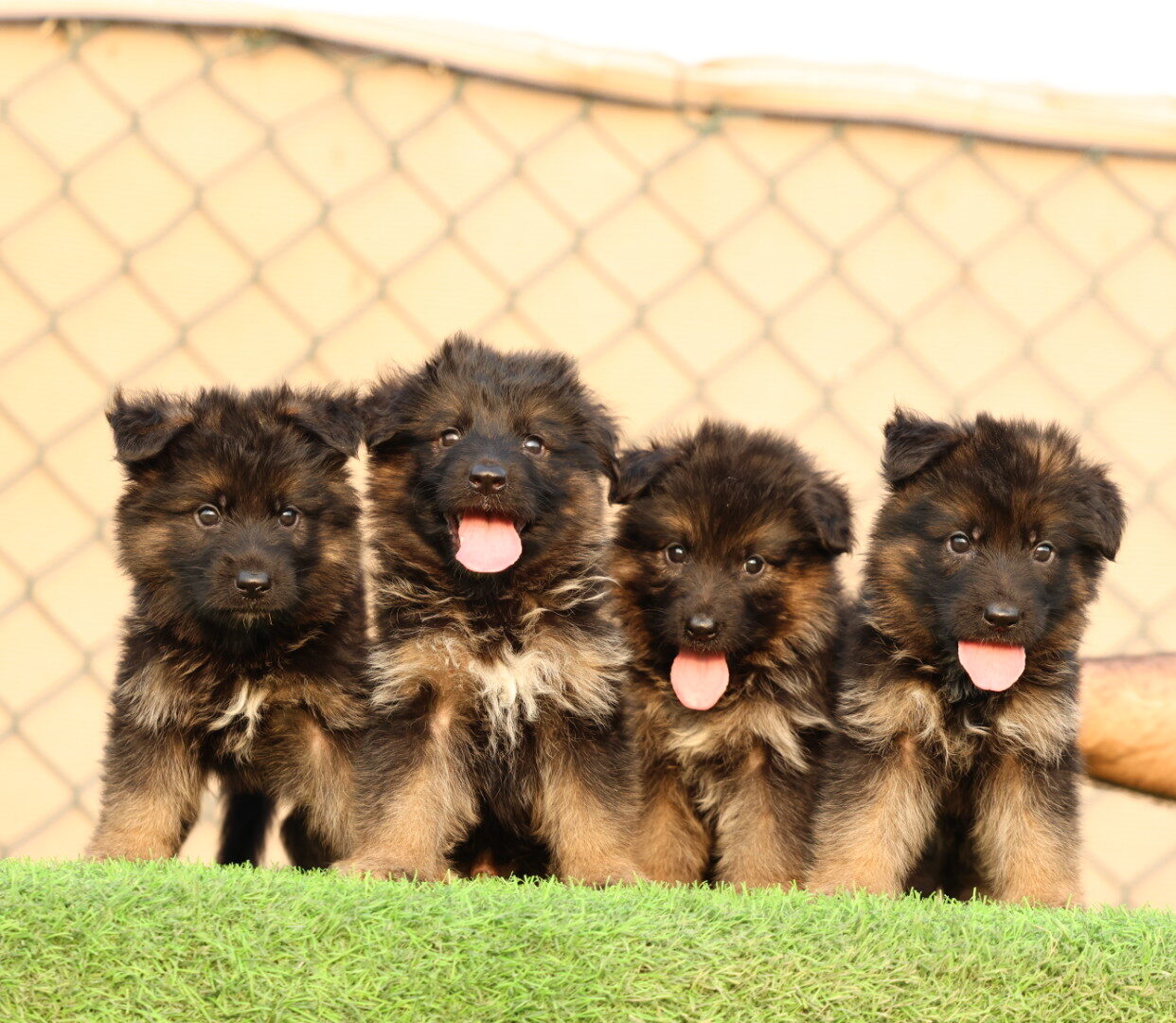
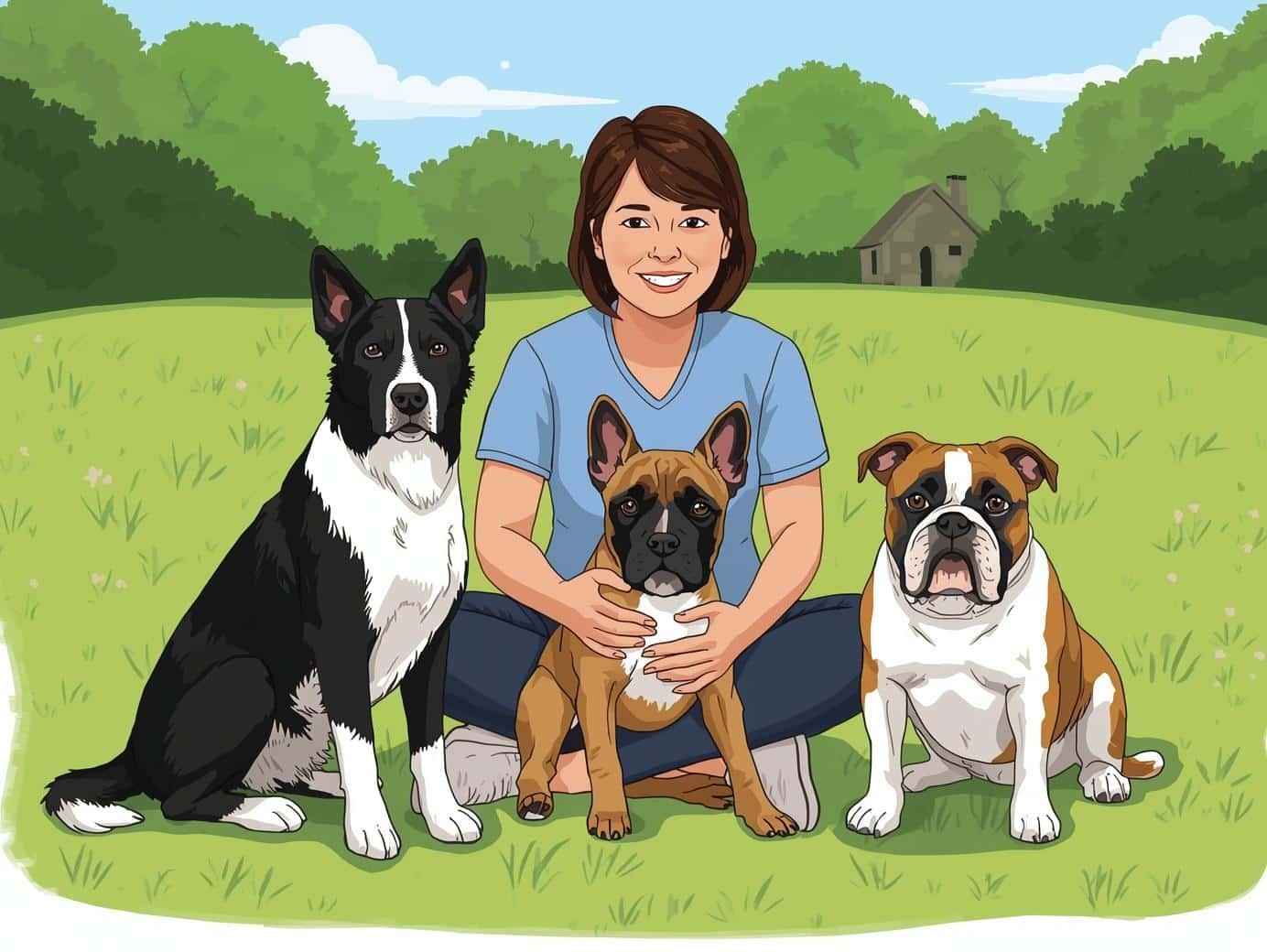
When comparing dogs, few combinations are as fascinating as the Border Collie Dog, the Belgian Malinois Puppy, and English Bulldog Puppies. These three breeds represent entirely different origins, temperaments, energy levels, and purposes in the canine world.
Understanding the differences between them isn’t only about choosing a favorite; it’s about recognizing how genetics, history, instincts, and physical structure shape a dog’s behavior and compatibility with your lifestyle.
Some dogs are bred for intense mental tasks, others for protection and physical stamina, and some breeds exist to bring companionship, affection, and emotional comfort. This article explores their differences from every angle—intelligence, trainability, temperament, health, lifestyle fit, appearance, and purpose—to give a complete understanding of which breed suits which type of owner.
Whether you’re looking for a loyal working dog, a high-drive sport partner, or an affectionate family companion, the distinctions between these three breeds reveal what makes each one special and what type of household they thrive in.
Differences in Intelligence, Behavior & Purpose: Understanding the Border Collie Dog
The border collie dog is widely recognized as one of the most intelligent and mentally capable breeds in the world. Originally bred for herding sheep across challenging landscapes, the Border Collie developed exceptional problem-solving skills, quick thinking, and the ability to follow complex commands with precision.
Their intelligence is often measured not only by how fast they learn commands but by how quickly they can assess situations and make decisions independently. Because herding requires constant evaluation of movement, distance, signals, and animal behavior, Border Collies excel at tasks involving strategy and focus.
Their minds are always active, sometimes to the point where they require constant stimulation to prevent boredom, anxiety, or destructive habits. Unlike many companion breeds, their intelligence is tied to an intense desire to work, complete tasks, and stay mentally engaged.
In terms of temperament, the Border Collie is alert, sensitive, and deeply connected to its handler. They thrive on positive reinforcement, consistent training, and mental challenges such as agility, obedience, scent work, and advanced trick training. A key difference between them and companion breeds is that their intelligence does not naturally slow down in adulthood. Border Collies remain highly alert throughout their lives and require ongoing mental and physical engagement.
This makes them extraordinary for active families, dog sport enthusiasts, and owners who enjoy daily training routines. However, for people seeking a calm, low-maintenance dog, the Border Collie may feel overwhelming. Their energy, intelligence, and herding instincts require structure, routine, and an environment where they can thrive through purposeful activity.
Another major difference that sets the Border Collie Dog apart is its sensitivity to movement. Herding dogs naturally respond to motion and react to small changes in their environment. This sensitivity makes them excellent at understanding human gestures and directions, making them exceptionally trainable.
However, it also means they can develop unwanted behaviors such as herding children, chasing bikes or cars, or becoming overstimulated in chaotic environments. Their intelligence, while impressive, requires thoughtful management to channel it into productive activities. When matched with the right lifestyle, the Border Collie becomes one of the most loyal, brilliant, and capable breeds in the world.
Differences in Drive, Energy & Working Instinct: Understanding the Belgian Malinois Puppy
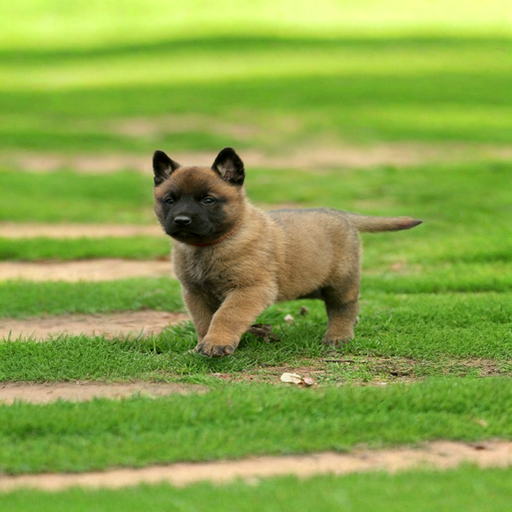
A belgian malinois puppy represents one of the most powerful working dog breeds in existence. Known for their unmatched athleticism, sharp intelligence, and intense work drive, Belgian Malinois dogs are commonly used in police work, military operations, detection tasks, and protection training.
What makes them different from the Border Collie and English Bulldog is their high level of physical and mental stamina. While Border Collies excel in strategic thinking and agility, Belgian Malinois excel in strength, courage, speed, endurance, and responsiveness to high-pressure environments. A Malinois is built for action; they require structured training from a very young age to develop self-control, obedience, and proper behavior.
A Belgian Malinois Puppy learns quickly, but unlike the Border Collie who learns for mental stimulation, the Malinois learns out of intensity and drive. Their intelligence is tied to their working purpose—they want to act, move, protect, chase, and complete physically demanding tasks. They are fearless, driven, and incredibly loyal to their handlers, making them outstanding working partners when trained correctly. However, they are not suitable for inexperienced owners or households looking for a casual family dog.
A Malinois needs controlled exposure, advanced training, boundaries, and significant exercise to maintain a balanced temperament. Without proper mental structure and physical release, they can exhibit destructive, anxious, or aggressive behaviors simply because all that energy has nowhere to go.
Another difference is their emotional structure. Belgian Malinois form strong bonds and will protect their families with confidence and intensity. Their protective instincts are among the strongest of any breed, giving them abilities as guard dogs that neither the Border Collie nor English Bulldog naturally possess. Because of this natural instinct, training and socialization must begin early—ideally in puppyhood—to ensure they grow into disciplined, confident adults.
Their physical abilities allow them to jump high fences, outrun most breeds, and perform tasks that require explosive power, something both Border Collies and English Bulldogs do not share. For experienced owners who want a working companion or sport partner, a Belgian Malinois Puppy offers unmatched potential.
Differences in Temperament, Build & Lifestyle: Understanding English Bulldog Puppies
Unlike the other two breeds, english bulldog puppies were bred for companionship and family life rather than herding or working protection roles. Their temperament is gentle, affectionate, and calm. English Bulldogs are known for loyalty, friendliness, and a stable, predictable personality.
These puppies are less active, less demanding, and far more suited for indoor living. Their stocky bodies, wide stance, and gentle demeanor set them apart from the athletic Border Collie and the intense Belgian Malinois. They enjoy short walks, relaxed environments, and being close to their families. They are affectionate, patient, and excellent with children, making them a perfect family pet for many types of households.
A key difference lies in their energy requirements. While Border Collies and Belgian Malinois need constant physical and mental activity, English Bulldogs thrive with moderate, gentle exercise. Their short noses and heavy structure mean they overheat easily, cannot handle long-distance running, and may struggle in hot climates. This makes them best suited for temperature-controlled indoor environments with short, supervised outdoor activity.
Their low energy doesn’t imply low intelligence—Bulldogs are clever in their own way, often using problem-solving skills to get what they want. However, they are independent thinkers and may show stubborn behavior during training.
They respond best to patience, positivity, and a calm approach rather than strict obedience routines.
Health needs also distinguish English Bulldog Puppies from the other breeds. Their unique physical structure requires attentive care to breathing, skin folds, joint health, and body temperature.
Because they are calm, gentle, and low-maintenance compared to the Malinois and Border Collie, they appeal to families, apartment dwellers, or first-time dog owners who want a loving companion without intense training demands. Despite their calm nature, they form deep bonds and enjoy consistent affection.
They are social, sweet, and playful in short bursts, preferring comfort over high-intensity activity. These differences make English Bulldogs one of the most recognizable and loved companion breeds internationally.
Comparing Intelligence Across the Three Breeds
Intelligence expresses itself differently across breeds. The Border Collie ranks as one of the smartest dogs in obedience, problem-solving, and task-based intelligence. They learn quickly, retain information easily, and excel in athletic and mental sports. The Belgian Malinois matches their intelligence but expresses it through intense action-oriented tasks.
The Malinois excels at situations requiring pressure, control, and physical discipline. English Bulldogs, while not competing in obedience rankings, have emotional intelligence and independence, giving them a unique type of cleverness that suits family life.
Differences in Training Styles
Border Collies require mentally stimulating, fast-paced training using positive reinforcement. Belgian Malinois require strict structure, advanced training skills, and consistent engagement. English Bulldogs require gentle, patient, short sessions due to their lower stamina and stubborn tendencies. Each breed responds best to different training techniques.
Differences in Physical Needs & Energy Levels
The Border Collie needs several hours of exercise and mental stimulation daily. The Belgian Malinois requires even more, including structured work, agility, protection tasks, or advanced obedience. English Bulldogs need minimal exercise and prefer calm environments. These differences dramatically affect which household suits which breed.
Differences in Health Challenges
Border Collies commonly face genetic eye issues and hip concerns. Belgian Malinois may develop joint problems due to their intense athletic lifestyle. English Bulldogs face respiratory, skin fold, and mobility challenges due to their brachycephalic structure. Understanding these health differences helps owners provide better long-term care.
Differences in Family Compatibility
Border Collies fit best with active families that enjoy training and outdoor adventures. Belgian Malinois belong with experienced handlers or working homes. English Bulldogs are ideal for calm families, children, and relaxed households who want affectionate companionship.
Differences in Purpose & Breed History
Border Collies were bred for herding livestock. Belgian Malinois were bred for guarding and working tasks. English Bulldogs evolved into companion dogs after their historical roles disappeared. Their original purpose influences their instincts, energy, and behavior today.
Choosing the Right Breed Based on Key Differences
The differences between the Border Collie Dog, the Belgian Malinois Puppy, and English Bulldog Puppies reveal how diverse dog breeds can be in intelligence, purpose, temperament, energy, and lifestyle needs. The Border Collie excels in mental sharpness and agility. The Belgian Malinois leads in intensity, endurance, and protective instinct.
The English Bulldog shines in companionship, affection, and calm stability. Choosing the right breed depends entirely on your daily routine, experience level, activity preferences, and home environment. Each breed brings something special—and when placed in the right household, they become extraordinary companions.