
Many dog owners ask an important question: Why Do Dogs Bite? This question becomes common when families live with a friendly cockapoo dog, compare the border collie price before choosing an active breed, or consider adopting a strong guardian like a cane corso for sale. Even gentle and loving dogs can bite in certain situations. Biting does not always mean aggression. In most cases, biting is a form of communication. Dogs bite because they feel afraid, excited, confused, or threatened. Understanding why dogs bite helps owners prevent problems and keep both people and dogs safe.
Dogs do not use words. They use body language, sounds, and actions to express feelings. When these signals are ignored, dogs may bite as a last resort. Most dog bites can be prevented when owners understand the reasons behind the behavior and respond correctly.
This article explains why dogs bite, what different types of biting mean, and how owners can prevent biting through training, care, and understanding. It also explains how age, breed, and environment affect biting behavior.
Cockapoo Dog: Play Biting and Emotional Sensitivity
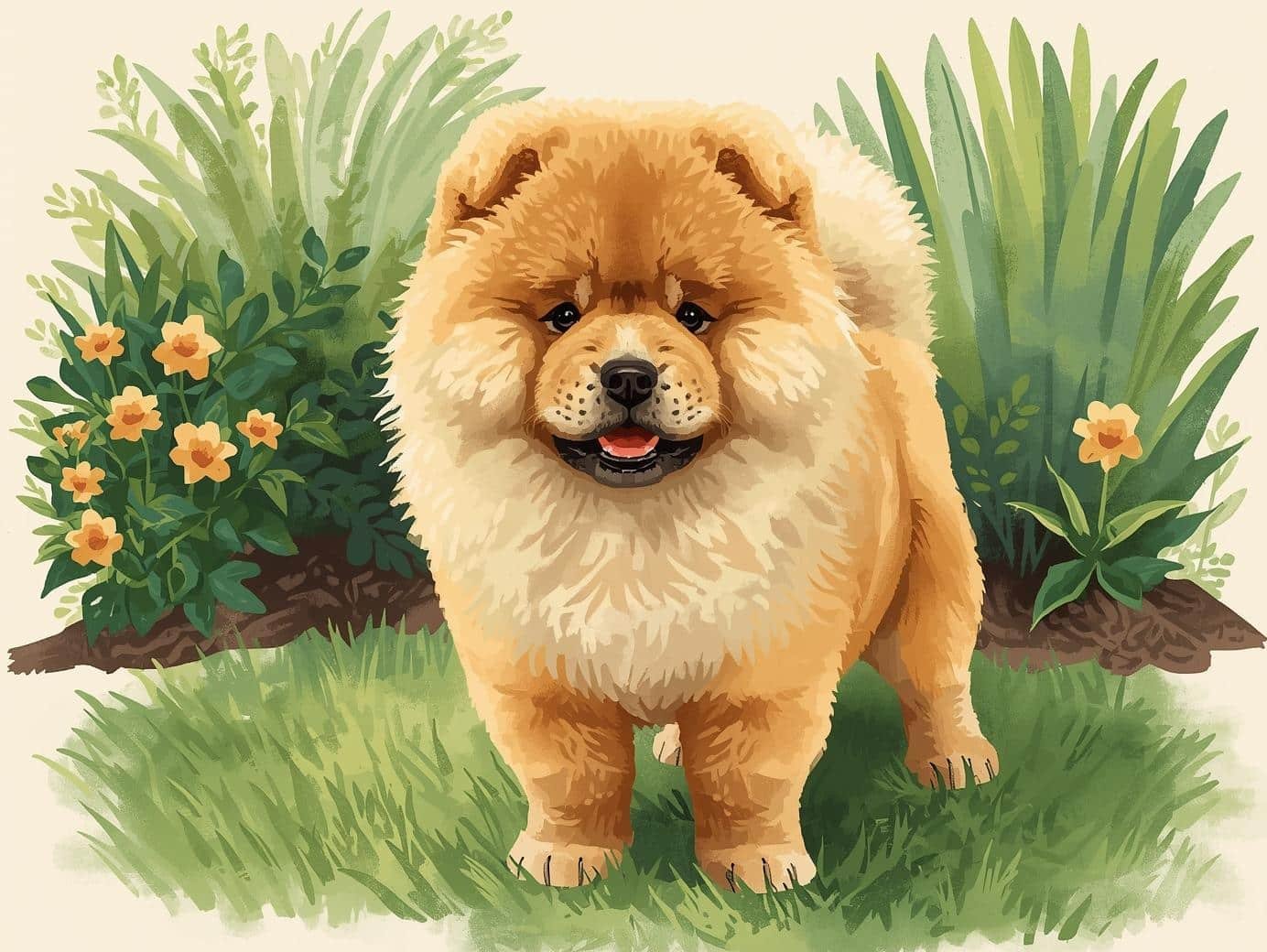
The cockapoo dog is known for being friendly, playful, and very emotional. Cockapoos often bite during play, especially when they are puppies. This type of biting is usually gentle and not meant to cause harm. Puppies explore the world with their mouths, just like babies use their hands.
Play biting often happens during excitement. When Cockapoos get too excited, they may nip hands or clothes. This does not mean the dog is aggressive. It means the dog needs guidance. Teaching bite inhibition is very important. Owners should stop play when biting starts and offer toys instead of hands.
Cockapoos are also sensitive dogs. If they feel scared or stressed, they may bite to protect themselves. Loud voices, rough handling, or sudden movements can trigger fear. Calm behavior and gentle training help reduce this risk.
Positive training works best for Cockapoos. Punishment increases fear and may make biting worse. Understanding emotions and responding calmly helps this breed grow into a gentle adult dog.
Border Collie Price: Intelligence, Energy, and Control
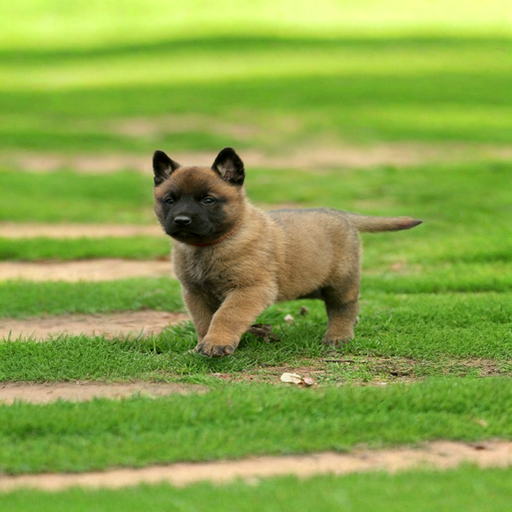
When people look at border collie price, they often focus on intelligence and working ability. Border Collies are extremely smart and energetic dogs. Because of their high intelligence, they need mental and physical activity every day. When their needs are not met, problem behaviors like biting may appear.
Border Collies may bite due to frustration or boredom. They were bred to herd animals, and herding behavior includes nipping. Without proper outlets, this instinct may appear toward people or other pets. This is not aggression but instinctive behavior.
Training is very important for Border Collies. They need clear rules and regular mental challenges. Training games, obedience work, and puzzle toys help control energy and reduce biting behavior.
Owners should also understand that Border Collies are sensitive to stress. Yelling or punishment can confuse them and increase anxiety. Calm leadership and consistency help Border Collies stay balanced and controlled.
Cane Corso for Sale: Power, Protection, and Responsibility
The cane corso for sale often attracts owners who want a strong and protective dog. Cane Corsos are large, powerful dogs with strong guarding instincts. Biting behavior in this breed must be taken very seriously because of their strength.
Cane Corsos may bite when they feel their territory or family is threatened. This behavior is part of their protective nature. Proper training and socialization from an early age are essential. Without training, a Cane Corso may react strongly to normal situations.
Early socialization helps Cane Corsos understand what is normal and what is not a threat. Meeting different people, animals, and environments helps reduce fear-based biting. Obedience training builds control and trust between dog and owner.
Owners of Cane Corsos must be calm, confident leaders. Fearful or inconsistent handling increases the risk of aggression. With correct training and responsibility, Cane Corsos can be loyal and controlled companions.
Fear Biting: The Most Common Reason Dogs Bite
Fear is the most common cause of dog bites. When dogs feel scared and cannot escape, they may bite to protect themselves. Fear biting often happens when dogs are cornered, surprised, or handled roughly.
Signs of fear include trembling, hiding, growling, or showing teeth. Ignoring these signs increases the risk of biting. Owners should respect warning signals and give dogs space.
Helping fearful dogs requires patience. Creating safe environments and positive experiences reduces fear over time.
Pain and Medical Reasons for Biting
Dogs in pain may bite suddenly. Injuries, ear infections, dental problems, or arthritis can cause pain. Touching a painful area may trigger a bite.
Regular vet visits help detect pain early. If a dog suddenly starts biting, medical causes should be checked first.
Pain-related biting is not behavioral. Treating the medical issue often stops the biting.
Puppies and Teething Bites
Puppies bite during teething. This is normal behavior. Chewing relieves gum pain.
Owners should provide safe chew toys. Redirecting biting from hands to toys teaches good habits.
Patience is important during this stage.
Play Biting vs Aggressive Biting
Play biting is loose and gentle. Aggressive biting is stiff and intense.
Understanding the difference helps owners respond correctly.
Stopping play early prevents escalation.
Resource Guarding and Biting
Some dogs bite to protect food, toys, or space. This is called resource guarding.
Training and management help reduce this behavior.
Never punish guarding. It increases fear.
Biting During Excitement
High excitement can cause loss of control. Dogs may bite during greetings or play.
Teaching calm behavior helps prevent this.
Routine reduces excitement.
Poor Socialization and Biting
Dogs that lack early socialization may fear people or animals.
Early exposure builds confidence.
Adult dogs can still learn with patience.
How Owner Behavior Affects Biting
Dogs react to human emotions. Stress and anger increase dog anxiety.
Calm owners create calm dogs.
Consistency builds trust.
Training Methods That Reduce Biting
Positive reinforcement teaches better behavior.
Reward calm actions.
Avoid punishment-based methods.
Importance of Early Training
Training should start early.
Good habits form young.
Early guidance prevents problems.
Environment and Biting Triggers
Busy or loud environments increase stress.
Quiet spaces help dogs relax.
Routine supports emotional balance.
Children and Dog Biting
Children may not understand dog signals.
Supervision is essential.
Teaching children respect prevents bites.
When Dogs Bite Strangers
Fear or protection causes stranger bites.
Controlled introductions help.
Never force interaction.
Body Language Warning Signs
Growling, stiff posture, and raised hackles are warnings.
Respect warnings to avoid bites.
Dogs give signals before biting.
How to Respond After a Bite
Stay calm. Separate the dog safely.
Seek medical help if needed.
Consult a trainer or vet.
Preventing Future Bites
Identify triggers.
Change environment and routine.
Training prevents repetition.
Role of Exercise in Bite Prevention
Exercise reduces stress and energy.
Tired dogs bite less.
Balance activity and rest.
Mental Stimulation and Calm Behavior
Mental games reduce frustration.
Smart dogs need challenges.
Engagement prevents problem behavior.
Professional Help and Training
Some cases need professional trainers.
Early help improves results.
Seeking help is responsible.
Myths About Dog Biting
Not all biting dogs are aggressive.
Biting is communication.
Understanding replaces fear.
Legal and Safety Responsibility
Owners are responsible for safety.
Training protects everyone.
Prevention avoids legal issues.
Building Trust With Dogs
Trust reduces fear.
Positive interaction builds security.
Secure dogs bite less.
Long-Term Behavior Improvement
Behavior change takes time.
Consistency creates results.
Patience is key.
Understanding Prevents Biting
Dogs bite for many reasons, but most bites can be prevented. Understanding fear, pain, excitement, and communication helps owners respond correctly. Dogs rely on humans for guidance and safety.
With education, training, and kindness, dogs become safe and loving companions. Prevention starts with understanding, and understanding creates better lives for dogs and people.
Know More about golden retriever price