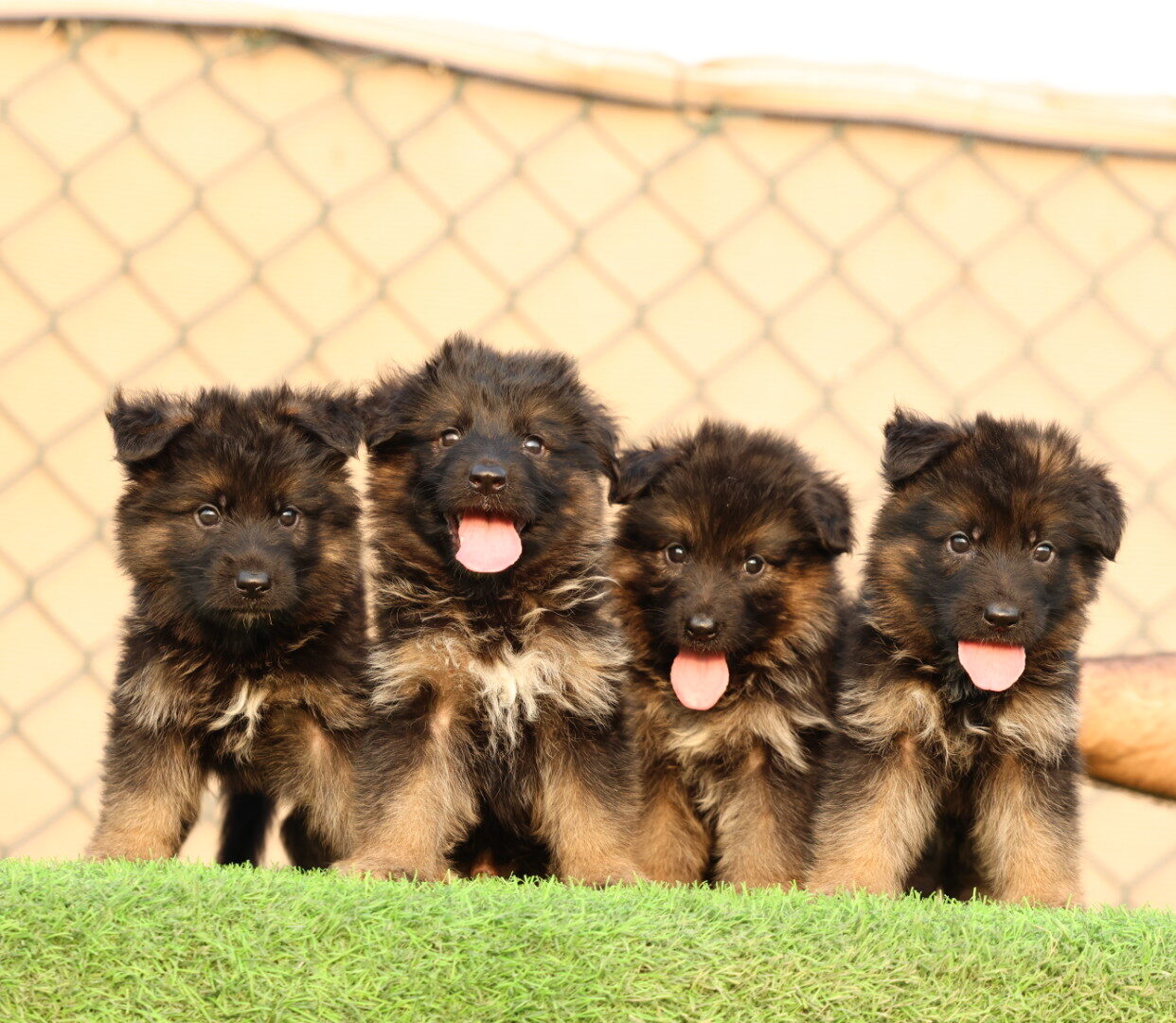

Many dog owners ask about Common Dog Diseases and How to Prevent Them especially when they live with a black labrador in a family home, raise a young cocker spaniel puppy, or care for a strong and protective cane corso. Even though these dogs look very different, they can suffer from many of the same health problems. Dogs depend fully on their owners for protection, care, and prevention. Understanding common dog diseases helps owners keep their dogs healthy, happy, and safe for many years.
Dogs can get sick from viruses, bacteria, parasites, poor nutrition, stress, and lack of medical care. Some diseases are mild and easy to treat, while others are serious and life-threatening. The good news is that many dog diseases can be prevented with simple daily care, regular vet visits, proper food, and clean living conditions.
We will explain the most common dog diseases, how they affect dogs, and what owners can do to prevent them. It also explains how age, breed, environment, and lifestyle play a role in dog health.
Black Labrador: Common Health Problems and Prevention
The black labrador is one of the most popular dogs in the world. Labradors are friendly, active, and intelligent, but they are also prone to certain health problems. One common issue in Labradors is obesity. Labradors love food and may overeat if not controlled. Obesity can lead to diabetes, joint pain, and heart problems.
Joint diseases such as hip and elbow dysplasia are also common in Labradors. These conditions cause pain and difficulty in movement, especially as the dog gets older. Regular exercise, healthy weight, and proper nutrition help reduce the risk.
Labradors may also suffer from ear infections because of their floppy ears. Moisture and dirt can get trapped inside the ear. Cleaning ears regularly and keeping them dry helps prevent infection.
To protect Labradors, owners should provide balanced food, daily exercise, clean water, and regular vet checkups. Vaccinations and parasite prevention are also very important.
Cocker Spaniel Puppy: Early Diseases and Puppy Protection
A cocker spaniel puppy dubai is small, cute, and very sensitive. Puppies have weak immune systems, which makes them more likely to get sick. One common disease in puppies is parvovirus. This virus causes severe vomiting, diarrhea, and weakness. It can be deadly if not treated quickly.
Puppies can also suffer from worms. Intestinal parasites can cause weight loss, diarrhea, and poor growth. Regular deworming is essential during puppyhood.
Cocker Spaniel puppies are also prone to ear infections and eye problems. Their long ears and expressive eyes need special care. Cleaning ears gently and checking eyes daily helps prevent problems.
Vaccination is the most important protection for puppies. Puppies should follow a full vaccination schedule as advised by a vet. Clean living spaces and limited contact with unknown dogs also reduce disease risk.
Cane Corso: Strong Body but Serious Health Risks
The cane corso is a large and powerful dog, but size does not mean immunity to disease. Cane Corsos are prone to joint problems such as hip dysplasia, especially because they grow quickly. Feeding the right food and avoiding excessive exercise during growth helps protect joints.
Heart disease can also affect large breeds. Regular vet visits help detect heart problems early. Cane Corsos may also suffer from skin allergies, which cause itching and hair loss. Clean skin, proper grooming, and quality food help prevent these issues.
Because of their size, Cane Corsos need careful health management. Obesity is dangerous for large dogs and increases the risk of many diseases. Controlled diet and regular activity are key.
Training and mental stimulation also support health. Stress and boredom can weaken the immune system.
Viral Diseases in Dogs
Viral diseases are very dangerous. Parvovirus , distemper, and rabies are some of the most serious. These diseases spread easily and can be fatal.
Vaccination is the best protection. Puppies and adult dogs should follow a complete vaccination plan.
Avoid contact with sick dogs and keep living areas clean.
Bacterial Infections
Bacteria can cause skin infections, ear infections, and urinary infections. These infections often happen when hygiene is poor or immunity is low.
Regular grooming, clean water, and prompt treatment help prevent bacterial problems.
Parasitic Diseases
Parasites such as fleas, ticks, and worms are very common. They cause itching, anemia, weight loss, and disease transmission.
Monthly parasite prevention is very important. Clean bedding and regular grooming help reduce risk.
Skin Diseases in Dogs
Skin problems are common and often caused by allergies, parasites, or infection. Symptoms include itching, redness, and hair loss.
Good nutrition and grooming help maintain healthy skin.
Digestive Problems
Vomiting and diarrhea are common issues. They may be caused by bad food, parasites, or infection.
Feeding proper dog food and avoiding human food reduces risk.
Dental Diseases
Dental disease causes bad breath, pain, and infection. Poor dental health can affect the heart and kidneys.
Regular tooth brushing and dental chews help prevent problems.
Eye Diseases
Eye infections and injuries are common. Redness, discharge, or squinting are warning signs.
Clean eyes gently and seek vet care when needed.
Ear Infections
Ear infections cause pain and head shaking. Floppy-eared dogs are more at risk.
Clean ears regularly and keep them dry.
Joint and Bone Problems
Joint disease causes pain and stiffness. Large breeds are at higher risk.
Proper weight, nutrition, and exercise protect joints.
Heart Disease
Heart disease may develop with age. Early signs include tiredness and coughing.
Regular checkups help detect problems early.
Kidney and Liver Disease
These diseases affect detoxification. Symptoms include appetite loss and vomiting.
Balanced diet and clean water support organ health.
Heat-Related Illness
Heat stroke is very dangerous. Dogs overheat easily.
Provide shade, water, and avoid walking in hot weather.
Importance of Vaccination
Vaccines protect against deadly diseases. Skipping vaccines puts dogs at risk.
Follow vet schedules strictly.
Nutrition and Disease Prevention
Good food supports immunity. Poor diet weakens the body.
Choose quality dog food.
Clean Environment
Clean living spaces reduce infection risk.
Wash bowls, bedding, and toys regularly.
Exercise and Health
Exercise improves circulation and immunity.
Balance activity with rest.
Stress and Immunity
Stress weakens immunity. Calm routines support health.
Training and routine reduce anxiety.
Regular Vet Visits
Vet visits catch disease early. Prevention is better than treatment.
Age and Disease Risk
Puppies and seniors are more vulnerable. Extra care is needed at these stages.
Genetic Diseases
Some diseases are inherited. Responsible breeding reduces risk.
Choose trusted sources.
Human Food Risks
Human food can cause poisoning. Feed dog-safe food only.
Emergency Signs
Sudden collapse, vomiting, or seizures need immediate care. Act fast to save lives.
Building a Health Routine
Daily care habits prevent many diseases.
Consistency is key.
Owner Education
Knowledge protects dogs.
Learning saves lives.
Long-Term Health Commitment
Dogs depend on owners for life.
Health care is a long-term promise.
Quality of Life Matters
Healthy dogs live happier lives.
Comfort is as important as lifespan.
Prevention Is the Best Medicine
Most dog diseases can be prevented with simple care, love, and attention. Understanding common diseases helps owners act early and protect their dogs. Dogs give loyalty and love, and they deserve protection in return.
Healthy habits create strong, happy dogs and peaceful homes.
You can find your favorite dogs in puppies store