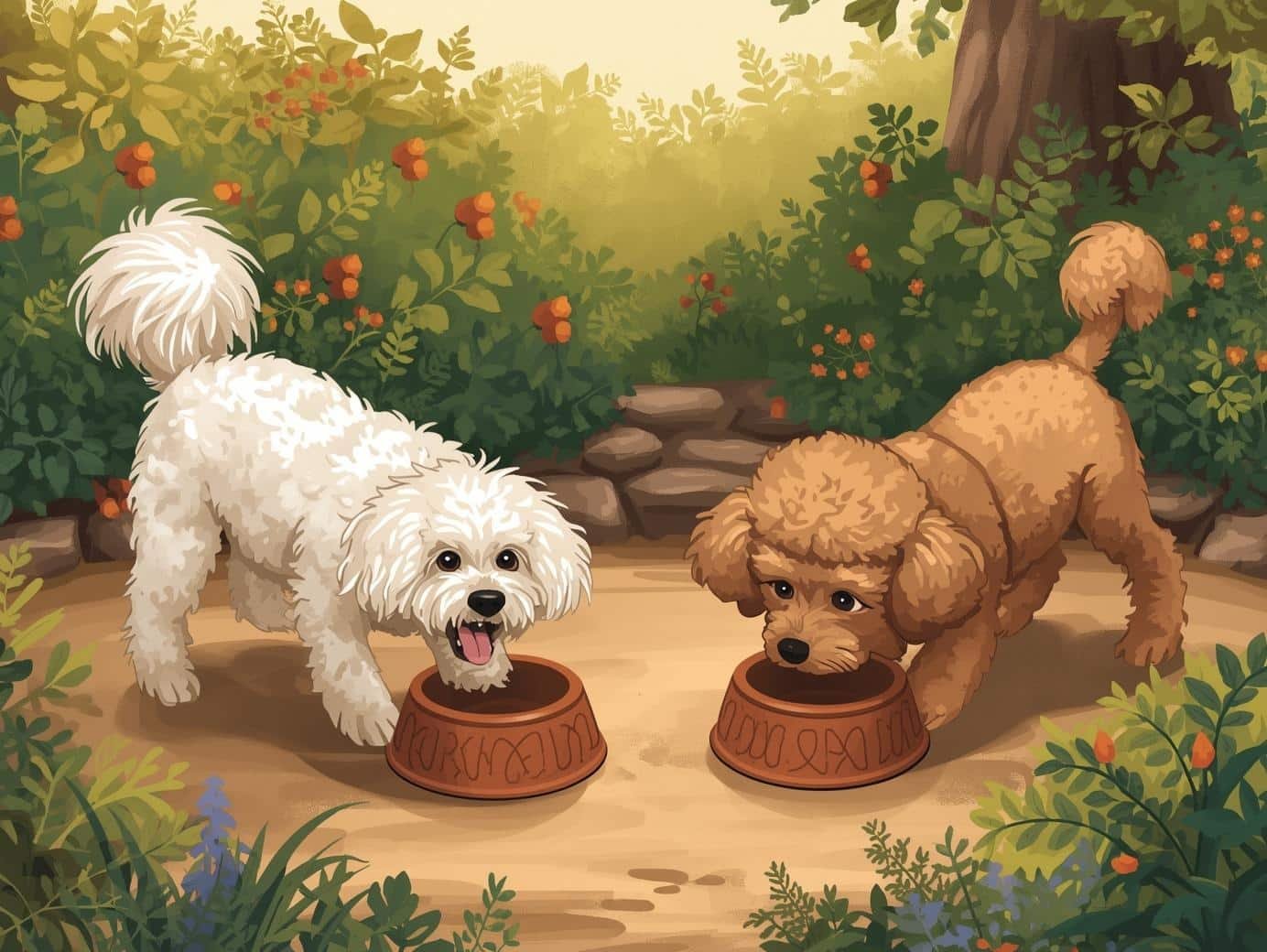
Feeding a puppy the right type of food is one of the most important parts of raising a healthy dog. Puppies grow fast. Their bones, muscles, coat, brain, and immune system all develop during the first months of life. Because of this, the type of food they eat can change how well they grow and how strong and active they become.
But not all puppies need the same food. Different breeds, sizes, and coat types require different nutrients, different feeding schedules, and different amounts.
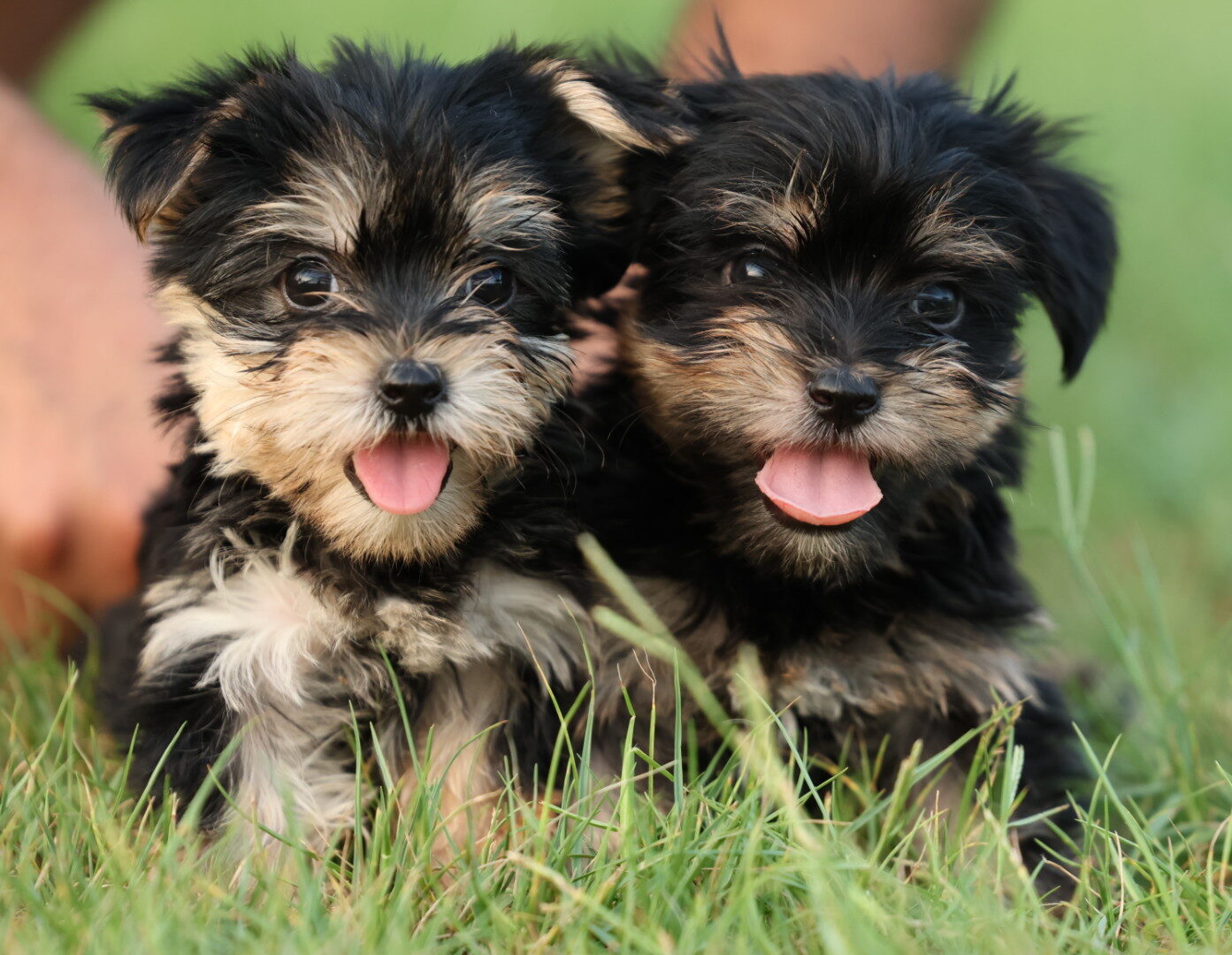
In this article, we will focus on Poodle puppies and Maltese puppies. These two breeds are small, intelligent, and popular in the UAE. They have sensitive stomachs, fluffy coats, and specific food needs that owners must understand. We will also look at how puppy food varies depending on where you buy puppies and how the environment in Abu Dhabi affects feeding choices.
You will learn about food types, feeding routines, nutrition, health tips, and the best diet for Poodle and Maltese puppies.
Poodle Puppies for Sale: Understanding What Poodle Puppies Should Eat
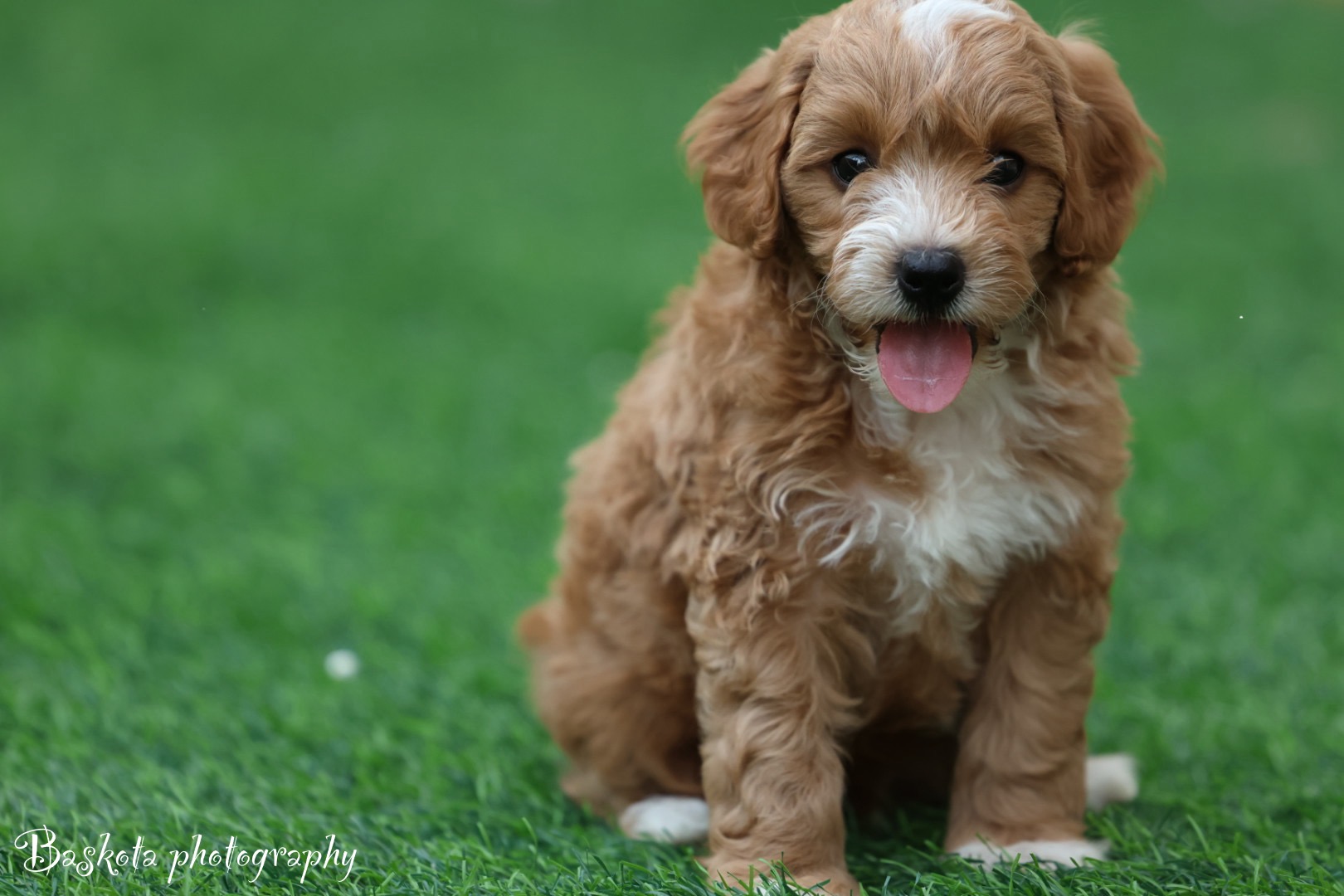
When searching for poodle puppies for sale many people fall in love with their curly coat, friendly personality, and smart behavior. But Poodle puppies need special food because they are active, intelligent, and have sensitive digestion.
The first thing owners should know is that Poodle puppies need high-quality puppy food that contains protein, healthy fats, vitamins, and minerals.
Poodle puppies do well with food that includes chicken, fish, lamb, or turkey. These proteins help build strong muscles. They also need healthy fats like omega-3 and omega-6 to keep their curly coat shiny and soft. Since Poodles have curly hair, their coat dries easily, so food rich in fatty acids helps keep it healthy.
Many Poodle puppies also benefit from grain-free food. Some Poodles are sensitive to wheat or corn, which may cause stomach upset. Grain-free food with sweet potato or brown rice helps digestion and gives long-lasting energy.
Because Poodle puppies are small, they need small kibble sizes. Large kibble is harder for them to chew. Wet food can also be mixed with dry food to help them enjoy the meal more.
Poodle puppies should eat three to four small meals a day. Their stomachs are tiny, so large meals can cause vomiting or stomach pain. Feeding smaller meals helps them stay energetic and avoid low blood sugar.
Owners should avoid giving Poodle puppies foods like chocolate, grapes, raisins, onions, garlic, and spicy food. These foods are toxic to dogs. Treats should be healthy and given in small amounts.
Overall, Poodle puppies need high-quality food with strong nutritional value, balanced proteins, and healthy fats. With the right food, they grow into strong, happy, and intelligent adult dogs.
Puppies for Sale Abu Dhabi: How Environment Changes Feeding Choices
When families look for puppies for sale abu dhabi they often discover that the UAE climate affects how puppies eat and drink. Abu Dhabi is hot for many months of the year. Puppies in warm climates need more water, lighter meals, and food that supports hydration and energy.
Because of the heat, puppies may lose appetite during the day. This means owners should feed them during cooler times like morning or evening. They also need fresh water available all day. Food that contains moisture—like wet food or mixed meals—helps keep puppies hydrated.
Another factor is indoor living. Most puppies in Abu Dhabi spend a lot of time indoors in air-conditioned homes. Indoor puppies burn fewer calories compared to puppies living in cooler countries where they can exercise more. This means puppies in Abu Dhabi need the right balance of food. Too much food can cause weight gain, while too little food can make them weak.
Puppies bought in Abu Dhabi may also come from different breeders. Some breeders give puppies premium food, while others give cheaper options. New owners must continue the same food for at least one week before gradually switching to a better option. Sudden food changes can cause diarrhea or vomiting.
Poodle and Maltese puppies both have sensitive stomachs, so a soft transition is always needed.
Environmental factors also affect treats. Puppies should not eat too many heavy treats in hot weather. Light treats like freeze-dried chicken or small soft treats are easier to digest and healthier for small breeds.
Because Abu Dhabi has a variety of dog foods available in pet shops, owners can find high-quality brands easily. But they must read labels carefully and choose food that supports small-breed puppy growth.
In summary, the feeding needs of puppies in Abu Dhabi depend on climate, home environment, breeder habits, hydration needs, and activity level. Understanding these factors helps owners feed their puppies safely.
Maltese: What Maltese Puppies Should Eat for Healthy Growth
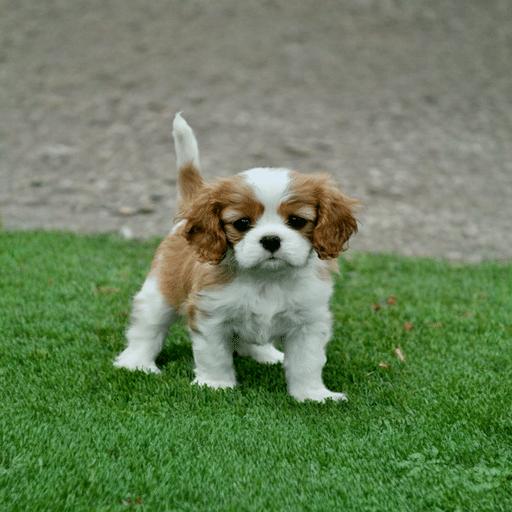
A Maltese is a small, fluffy, gentle breed known for its long white coat. They are very cute but also very sensitive, especially when it comes to food. Maltese puppies have small stomachs and delicate digestion. Because of this, they need high-quality food that is soft, nutritious, and easy to chew.
Maltese puppies need protein for muscle growth. Chicken, turkey, lamb, salmon, and duck are good sources. They also need healthy fats for coat health. The Maltese coat is long, silky, and easily damaged. Food with fish oil or flaxseed helps keep the coat shiny and reduce tangles.
Carbohydrates should come from healthy sources like sweet potato, brown rice, pumpkin, or oats. These are gentle on the stomach and help digestion. Maltese puppies should avoid foods with artificial colors, preservatives, or fillers like corn, soy, and wheat. These can cause allergies or stomach problems.
Because Maltese dogs are small, they need small kibble sizes. Large kibble can be hard to chew and may cause choking. Wet food can also help Maltese puppies who are picky eaters.
The Maltese breed is famous for tear stains under the eyes. Food plays a big role in reducing tear stains. Low-quality food with fillers makes the problem worse. High-quality food with clean ingredients helps reduce staining.
Maltese puppies also need frequent small meals to maintain stable energy. They can suffer from low blood sugar if they go too long without food. Three to four meals a day is ideal.
Owners should never give Maltese puppies salty, fatty, or spicy human food. These can cause serious stomach problems. Instead, treats should be simple and healthy.
With the right food, Maltese puppies grow into healthy adults with beautiful coats and strong bodies.
Types of Food for Maltese and Poodle Puppies
Because Maltese and Poodle puppies are both small breeds with sensitive stomachs, many of the same food types benefit both breeds. Here is a complete guide to the types of food that work best:
Dry Food (Kibble)
Dry kibble is good for cleaning teeth and supporting jaw strength. Small-breed kibble is important because the pieces are small and easy to chew. High-protein kibble supports growth.
Wet Food
Wet food is tasty and helps with hydration. It is great for picky eaters. Mixing wet food with dry food gives puppies balanced nutrition.
Fresh Food
Fresh dog food made from real meat and vegetables is very healthy. It supports digestion and coat health but must be stored properly.
Freeze-Dried Food
Freeze-dried chicken, beef, or lamb is nutritious and easy to digest. It is good as a topper for dry food or as treats.
Homemade Meals
Homemade meals can work if prepared correctly with guidance from a vet. They must include protein, vegetables, and healthy fats. No seasoning should be added.
Grain-Free Food
Some Maltese and Poodle puppies are sensitive to grains. Grain-free options with sweet potato or pumpkin help digestion.
Limited Ingredient Food
Good for puppies with allergies. Contains fewer ingredients to reduce stomach problems.
Puppy-Specific Food
Puppies need more calories, more protein, and more fat than adult dogs. Always choose food labeled for puppies.
Feeding Schedules for Maltese and Poodle Puppies
Puppies should eat:
0–3 months: 4 small meals a day
3–6 months: 3 meals a day
6–12 months: 2–3 meals a day
Small breeds need frequent meals to avoid low sugar levels.
Foods to Avoid
Chocolate
Grapes and raisins
Onions and garlic
Spices and salty food
Bones
Raw dough
Fried or fatty food
These foods can harm puppies.
Differences Between Maltese and Poodle Feeding Needs
Maltese: needs coat-supporting food
Poodle: needs protein for energy
Maltese: picky eater
Poodle: active and needs balanced calories
Maltese: risk of tear stains
Poodle: risk of digestive sensitivity
How UAE Climate Affects Puppy Feeding
Hot climate increases water needs
Puppies may eat less during hot months
Food should be given at cooler times
Hydration is essential
Feeding Maltese and Poodle Puppies the Right Way
it is clear that both breeds need careful, high-quality food to stay healthy. Small breeds have sensitive stomachs, small teeth, and high energy needs.
Choosing the right food helps them grow strong, avoid stomach problems, and develop beautiful coats.
With proper feeding, clean water, a good schedule, and healthy treats, Maltese and Poodle puppies can live long, happy, and active lives in any home—whether in Abu Dhabi or anywhere else.