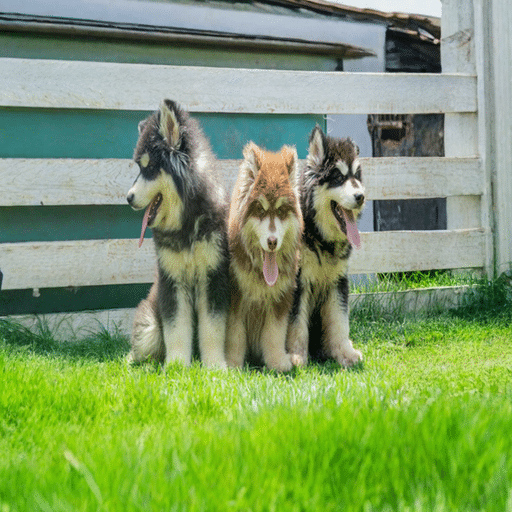

Many dog breeds can suffer from health problems, whether you own an alaskan malamute dog, a strong belgian malinois dog, or a protective cane corso dog, because diseases can affect all dogs at any age. Knowing the most common illnesses helps owners protect their pets early through prevention, vaccination, and regular veterinary care.
Dogs are loving companions, but like humans, they can become sick. Some illnesses are mild and easy to treat, while others can be serious or even life-threatening. Every dog owner should understand the most common diseases that affect dogs, the warning signs, and the best ways to prevent them.
This article explains the most important dog diseases in simple English, with clear information for beginners and experienced pet owners.
Why Understanding Dog Diseases is Important
Dogs cannot speak, so they show illness through behavior and physical changes. If owners do not notice symptoms early, the disease may get worse.
Learning about dog diseases helps you:
• Protect your dog’s life
• Save money on expensive treatments
• Prevent infections
• Improve your dog’s quality of life
• Act quickly in emergencies
Regular vet visits and awareness are essential.
Most Common Signs of Illness in Dogs
Before we list diseases, it is important to know the general signs that your dog may not feel well.
Common illness signs include:
• Loss of appetite
• Vomiting or diarrhea
• Low energy
• Excessive sleeping
• Fever
• Coughing or breathing problems
• Skin redness or hair loss
• Sudden weight loss
• Drinking too much water
• Behavior changes
If you see these signs, you should visit a veterinarian.
1. Parvovirus (Parvo) – A Dangerous Puppy Disease
Parvovirus is one of the most serious infectious diseases in dogs, especially puppies.
Symptoms include:
• Severe vomiting
• Bloody diarrhea
• Weakness
• Dehydration
• Loss of appetite
Parvo spreads easily through infected stool and contaminated surfaces.
Prevention:
• Vaccination is the best protection
• Avoid unsafe public places for unvaccinated puppies
• Clean environments properly
Parvo can be fatal without treatment.
2. Distemper – A Highly Contagious Virus
Canine distemper is another dangerous viral disease.
It affects the:
• Respiratory system
• Digestive system
• Nervous system
Symptoms include:
• Coughing
• Fever
• Nasal discharge
• Seizures
• Weakness
Prevention:
• Vaccination is essential
• Avoid contact with infected animals
Distemper is often deadly, so prevention is critical.
3. Kennel Cough – Common Breathing Infection
Kennel cough is a contagious respiratory infection, common in dogs that visit daycare, parks, or grooming salons.
Symptoms include:
• Dry loud cough
• Sneezing
• Runny nose
• Mild fever
Most dogs recover, but puppies and older dogs may need treatment.
Prevention:
• Vaccination
• Avoid crowded dog areas when outbreaks happen
4. Rabies – A Fatal Viral Disease
Rabies is one of the most dangerous diseases for both dogs and humans.
Symptoms include:
• Aggression
• Drooling
• Paralysis
• Fear of water
Rabies is always fatal once symptoms appear.
Prevention:
• Rabies vaccine is required in most countries
• Avoid wild animal bites
5. Heartworm Disease – A Silent Killer
Heartworm is caused by parasites transmitted by mosquitoes.
Heartworms live in the heart and lungs.
Symptoms include:
• Coughing
• Fatigue
• Weight loss
• Difficulty breathing
Prevention:
• Monthly heartworm medication
• Regular vet testing
Heartworm treatment is expensive, so prevention is best.
6. Fleas and Tick Diseases
Fleas and ticks cause discomfort and can spread diseases.
Common issues include:
• Severe itching
• Skin infections
• Tick fever
• Blood loss in puppies
Prevention:
• Flea and tick treatments
• Clean bedding regularly
• Regular grooming
7. Skin Allergies and Dermatitis
Skin diseases are very common in dogs.
Causes include:
• Food allergies
• Environmental allergies
• Fleas
• Bacterial infections
Symptoms include:
• Scratching
• Red skin
• Hot spots
• Hair loss
Treatment depends on the cause, so vet diagnosis is important.
8. Hip Dysplasia – Joint Disease in Large Dogs
Hip dysplasia affects many large breeds.
It causes abnormal hip joint development.
Symptoms include:
• Limping
• Difficulty standing
• Pain when walking
• Reduced activity
Treatment options:
• Weight control
• Supplements
• Physical therapy
• Surgery in severe cases
Early diagnosis improves outcomes.
9. Diabetes in Dogs
Diabetes happens when the body cannot regulate blood sugar.
Symptoms include:
• Excessive thirst
• Frequent urination
• Weight loss
• Weakness
Diabetes is manageable with:
• Insulin injections
• Special diet
• Regular vet monitoring
10. Kidney Disease
Kidney disease is common in older dogs.
Symptoms include:
• Drinking more water
• Weight loss
• Vomiting
• Bad breath
Treatment:
• Special kidney diets
• Medication
• Regular blood tests
Early care slows progression.
11. Bloat (Gastric Torsion) – Emergency Condition
Bloat is a life-threatening condition in deep-chested dogs.
Signs include:
• Swollen stomach
• Drooling
• Restlessness
• Collapse
Emergency surgery may be needed.
Prevention:
• Feed smaller meals
• Avoid heavy exercise after eating
• Use slow feeder bowls
12. Ear Infections
Ear infections are common, especially in floppy-eared breeds.
Symptoms include:
• Head shaking
• Bad smell
• Red ears
• Scratching
Treatment:
• Ear cleaning
• Antibiotics if bacterial
Regular grooming reduces risk.
13. Obesity – One of the Biggest Dog Health Problems
Obesity leads to many diseases:
• Diabetes
• Joint pain
• Heart problems
• Shorter lifespan
Prevention:
• Controlled feeding
• Daily exercise
• Healthy treats
14. Cancer in Dogs
Cancer is more common in older dogs.
Warning signs include:
• Lumps
• Weight loss
• Loss of appetite
• Bleeding
Early detection gives the best chance of successful treatment.
Serious Diseases in Cane Corso Dog Breeds
The cane corso dog is a strong guardian breed, but it can suffer from several serious conditions.
Common Cane Corso diseases:
• Hip and elbow dysplasia
• Heart disease (cardiomyopathy)
• Entropion (eyelid problem)
• Bloat
Because they are large, they also need controlled growth as puppies.
Prevention tips:
• Avoid overfeeding during puppy stage
• Joint supplements
• Regular heart screening
• Proper training and exercise
Belgian Malinois dog Medical Issues
The belgian malinois dog is athletic, intelligent, and commonly used in police and military work. Because of their active lifestyle, they may face certain health challenges.
Common Malinois health issues:
• Elbow dysplasia
• Hip dysplasia
• Progressive retinal atrophy (eye disease)
• Epilepsy (seizures)
They also require strong mental stimulation, or stress can lead to behavioral problems.
Prevention:
• Regular exercise but not excessive
• Eye checkups
• Early vet screening
Common Diseases in Alaskan Malamute Dog Breeds
The alaskan malamute dog is a large, powerful breed, but it is prone to specific health conditions.
Common Malamute diseases include:
• Hip dysplasia
• Hypothyroidism
• Eye disorders like cataracts
• Bloat (stomach twisting)
Because of their thick coat, they also struggle in hot climates and may develop heat stress.
Prevention tips:
• Maintain a healthy weight
• Regular joint checkups
• Avoid over-exercise in heat
• Feed high-quality nutrition
15. How to Prevent Dog Diseases
Prevention is always easier than treatment.
Best prevention habits:
• Regular vet visits
• Vaccination schedule
• Flea/tick prevention
• Heartworm medication
• Balanced diet
• Clean water
• Exercise and mental stimulation
Questions About Most Common Dog Diseases and Health Problems
1. What are the most common diseases that affect dogs?
The most common dog diseases include:
• Parvovirus
• Distemper
• Kennel cough
• Rabies
• Heartworm disease
• Fleas and tick infections
• Skin allergies
• Ear infections
• Hip dysplasia
• Diabetes
• Kidney disease
Regular vet care helps prevent many of them.
2. How can I know if my dog is sick?
Dogs show sickness through changes in behavior and body signs, such as:
• Loss of appetite
• Vomiting or diarrhea
• Low energy
• Fever
• Coughing
• Excessive scratching
• Drinking too much water
• Sudden weight loss
If symptoms last more than 24 hours, visit a veterinarian.
3. Which diseases are most dangerous for puppies?
The most dangerous puppy diseases are:
• Parvovirus
• Distemper
• Severe diarrhea infections
• Worm infestations
Puppies need vaccinations early to stay protected.
4. Can dog diseases spread to humans?
Yes, some diseases can spread from dogs to humans, such as:
• Rabies
• Certain parasites
• Some bacterial infections
Good hygiene and vaccinations reduce risk.
5. What is Parvovirus and why is it deadly?
Parvovirus is a highly contagious virus that attacks the digestive system.
Symptoms include:
• Bloody diarrhea
• Vomiting
• Severe weakness
• Dehydration
Without quick treatment, it can be fatal.
Vaccination is the best protection.
6. What is kennel cough and is it serious?
Kennel cough is a contagious respiratory infection.
Signs include:
• Loud dry cough
• Sneezing
• Runny nose
Most dogs recover quickly, but puppies and seniors may need vet care.
7. How can I prevent heartworm disease?
Heartworm is spread by mosquitoes and can damage the heart.
Prevention includes:
• Monthly heartworm medication
• Regular vet testing
• Mosquito protection when possible
Prevention is easier than treatment.
8. Why are fleas and ticks dangerous?
Fleas and ticks cause:
• Skin irritation
• Allergies
• Blood loss in puppies
• Serious diseases like tick fever
Use vet-approved flea and tick treatments regularly.
9. What causes skin allergies in dogs?
Skin allergies can come from:
• Food allergies
• Dust or pollen
• Fleas
• Shampoo chemicals
Symptoms include itching, redness, and hair loss. A vet can identify the cause.
10. What is hip dysplasia and which dogs get it most?
Hip dysplasia is a joint disease common in large breeds such as:
• Alaskan Malamute
• German Shepherd
• Cane Corso
Signs include limping, stiffness, and difficulty walking.
11. What health problems affect the alaskan malamute dog?
The alaskan malamute dog is prone to:
• Hip dysplasia
• Eye disorders
• Hypothyroidism
• Bloat
Regular vet checkups and weight control help reduce risk.
12. What diseases are common in the belgian malinois dog?
The belgian malinois dog and cockapoo dog may suffer from:
• Hip and elbow dysplasia
• Eye diseases
• Epilepsy (seizures)
Because they are very active, proper exercise balance is important.
13. What are the main health risks in the cane corso dog?
The cane corso dog is at risk of:
• Joint dysplasia
• Heart disease
• Eyelid problems
• Bloat
Proper feeding, controlled growth, and heart screening help greatly.
14. What is bloat and why is it an emergency?
Bloat happens when the stomach fills with gas and twists.
Warning signs:
• Swollen belly
• Drooling
• Restlessness
• Collapse
Bloat requires immediate emergency vet treatment.
15. Can dogs get diabetes?
Yes, diabetes can affect dogs.
Symptoms include:
• Excessive thirst
• Frequent urination
• Weight loss
• Weakness
Dogs with diabetes need insulin and a special diet.
16. What are signs of kidney disease in dogs?
Kidney disease is common in older dogs.
Symptoms include:
• Drinking more water
• Vomiting
• Weight loss
• Bad breath
Early treatment and special diets can slow the disease.
17. How often should dogs visit the vet?
Most dogs should visit:
• At least once per year for checkups
• More often if senior or chronically ill
• Immediately when serious symptoms appear
Regular visits prevent many health problems.
18. What vaccines do dogs need to stay healthy?
Core vaccines include:
• Parvovirus
• Distemper
• Rabies
• Hepatitis
Your vet may recommend extra vaccines depending on lifestyle.
19. How can I protect my dog from diseases long-term?
Best prevention habits:
• Vaccinations on schedule
• Regular parasite prevention
• Healthy diet
• Exercise and weight control
• Grooming and hygiene
• Early vet diagnosis
Prevention saves lives.
20. Can dogs live long and healthy lives despite diseases?
Yes. With good care, early detection, and proper treatment, most dogs live long, happy lives.
Responsible ownership is the key.
Protect Your Dog With Knowledge
Dogs can suffer from many illnesses, from viral infections like parvo to chronic diseases like hip dysplasia. Whether you own an Alaskan Malamute, Belgian Malinois, or Cane Corso, health awareness is essential.
At puppieshub.ae, dog lovers can find trusted information, healthy puppies, and guidance for responsible dog ownership. Understanding diseases is part of caring for your dog properly.
With prevention, early diagnosis, and proper vet care, your dog can live a long and happy life.