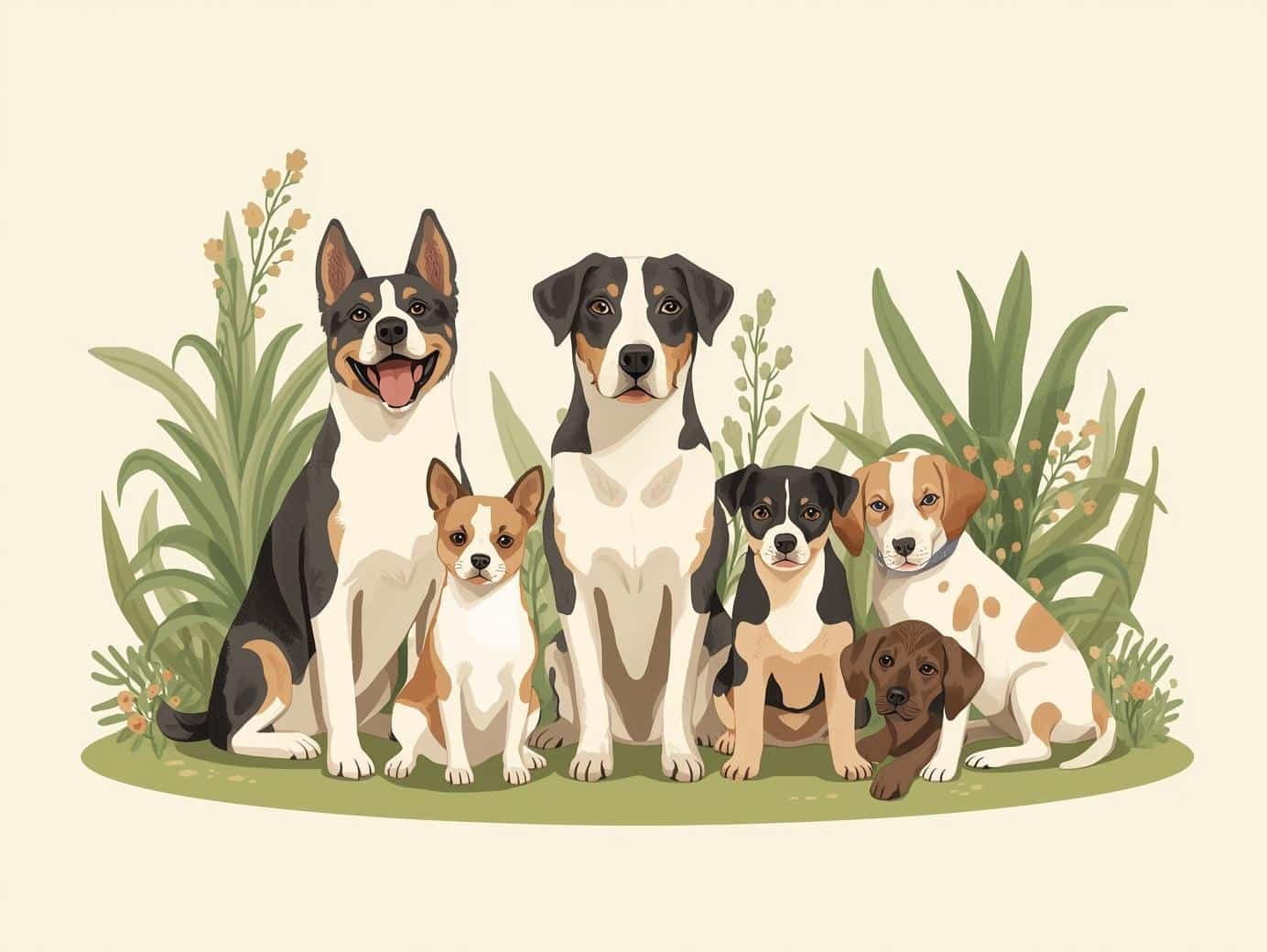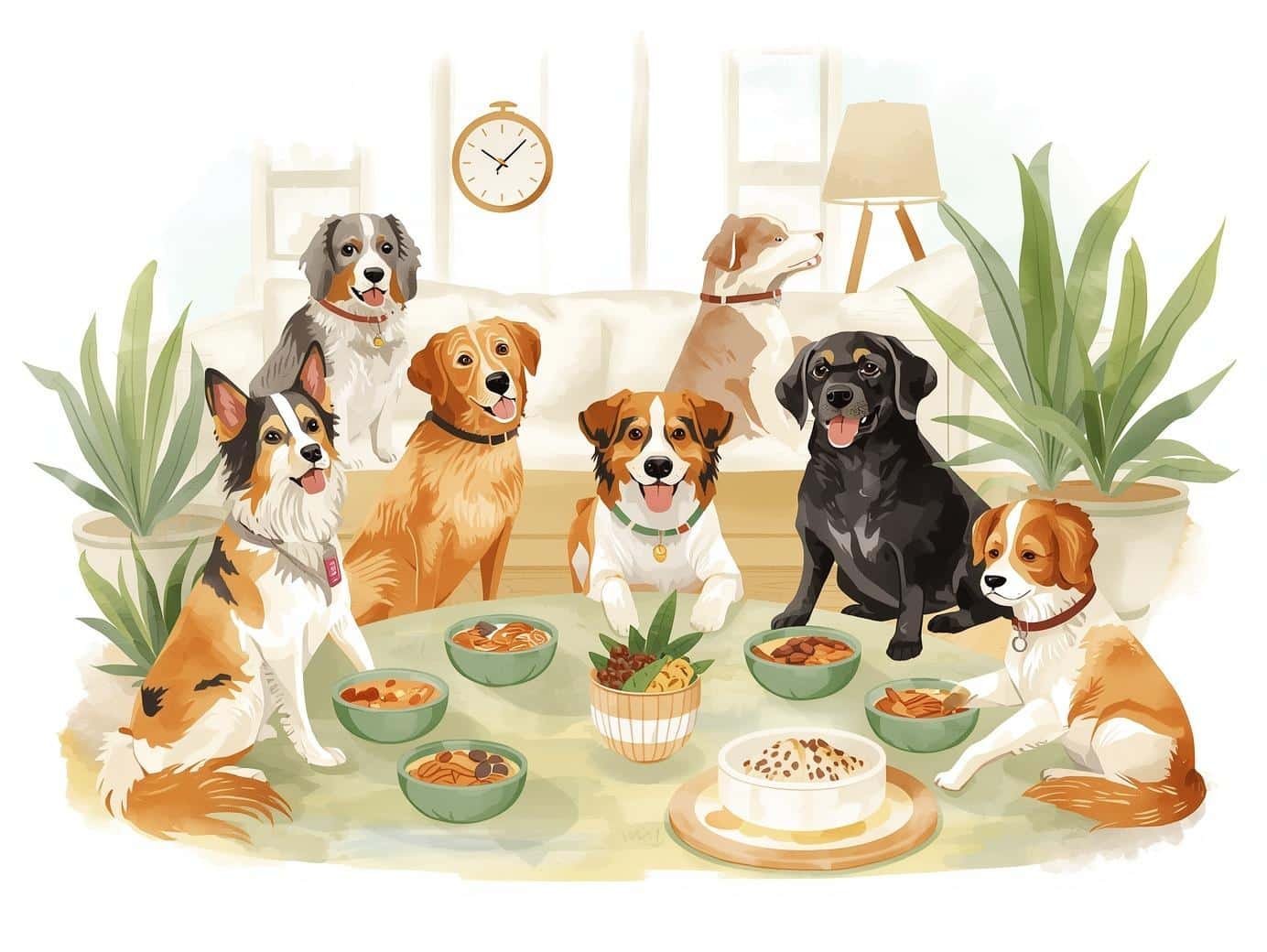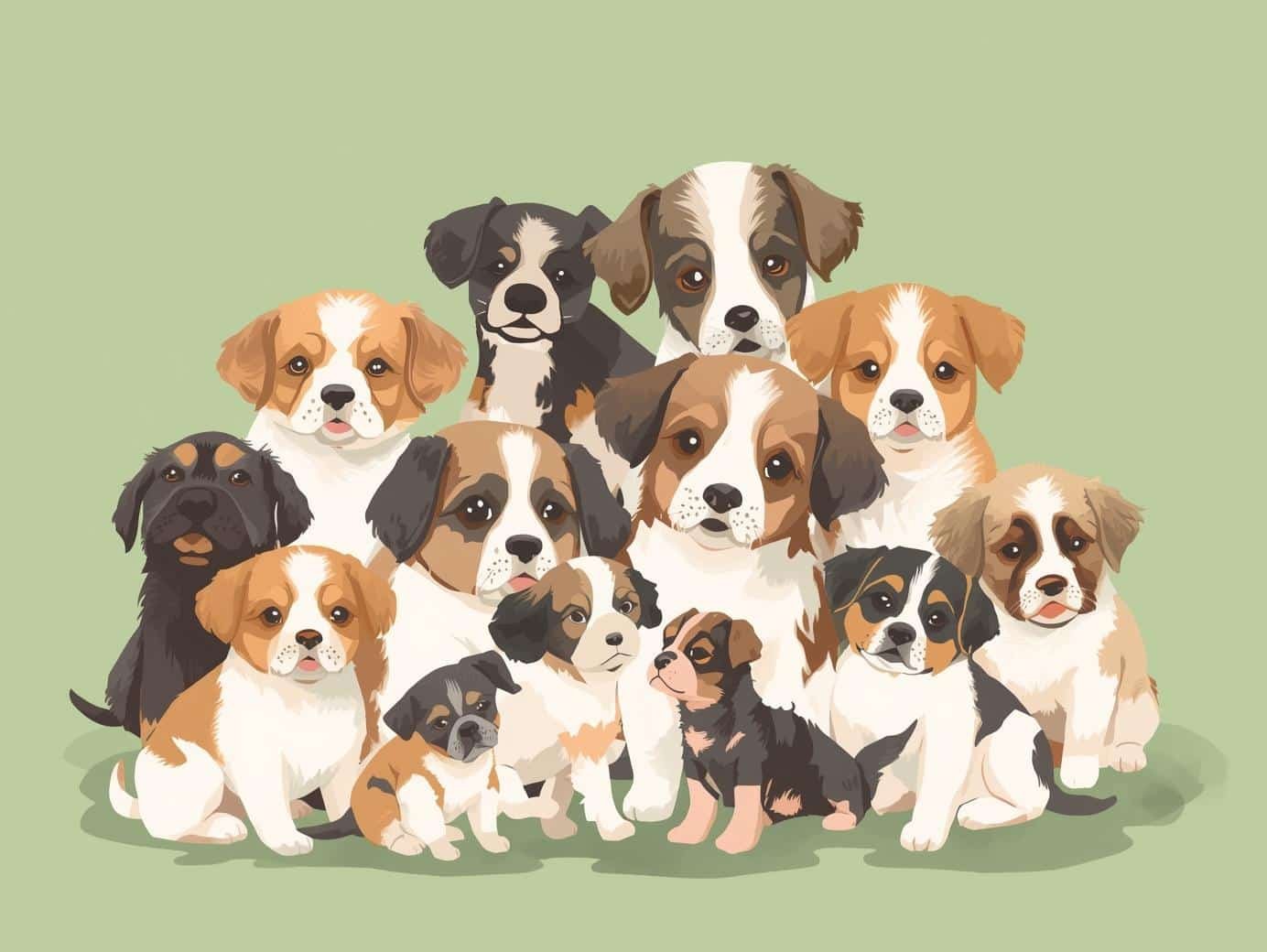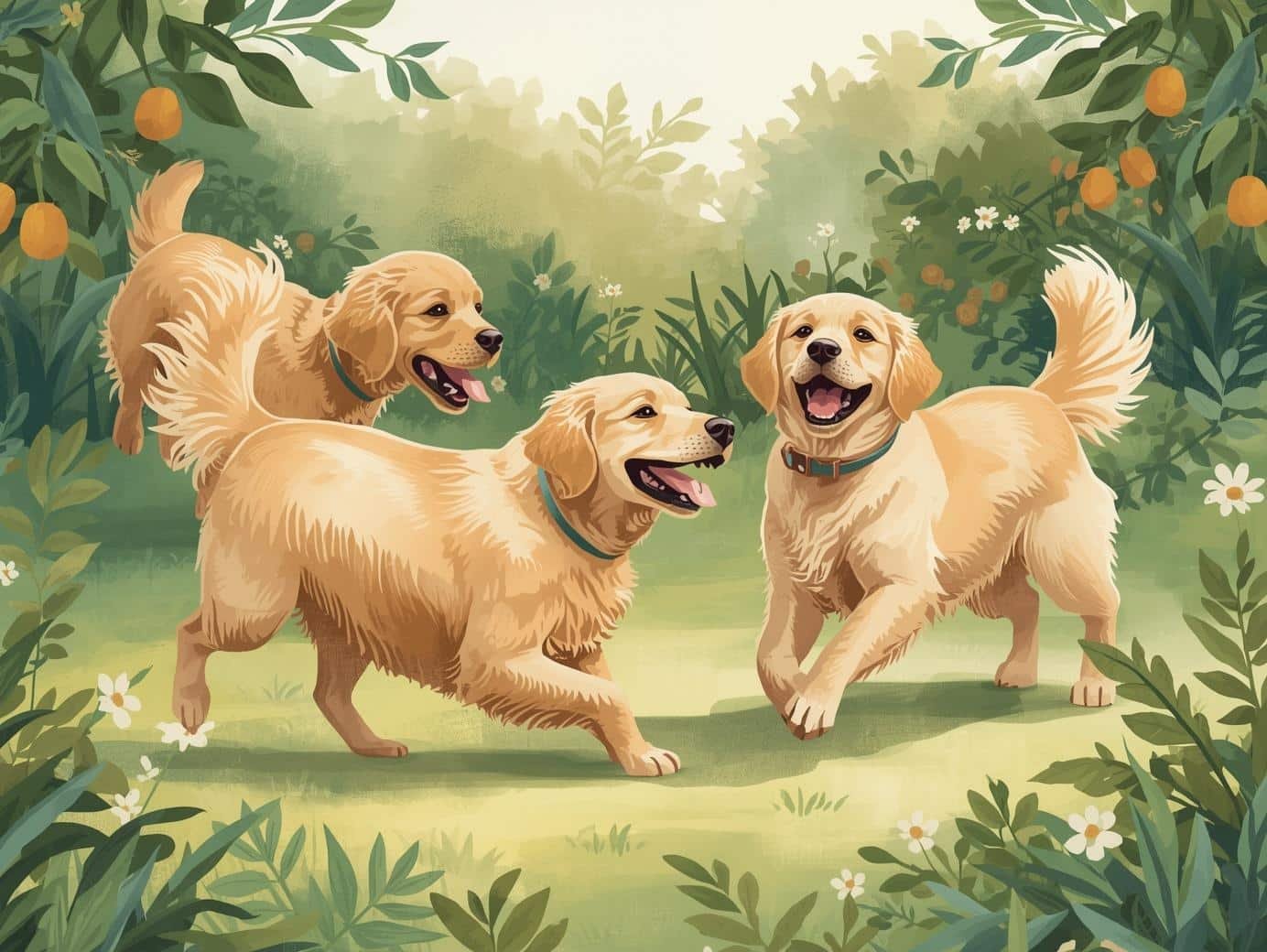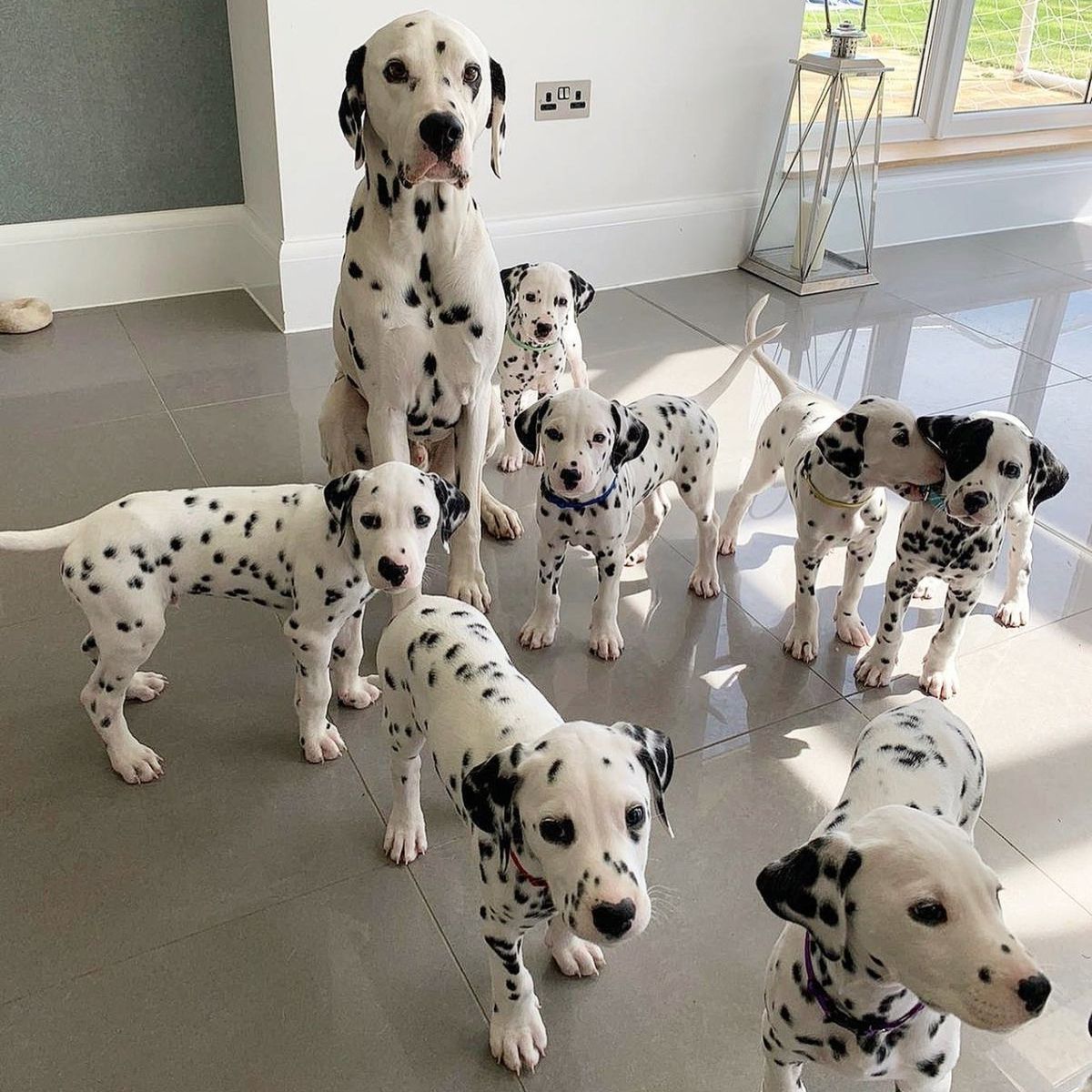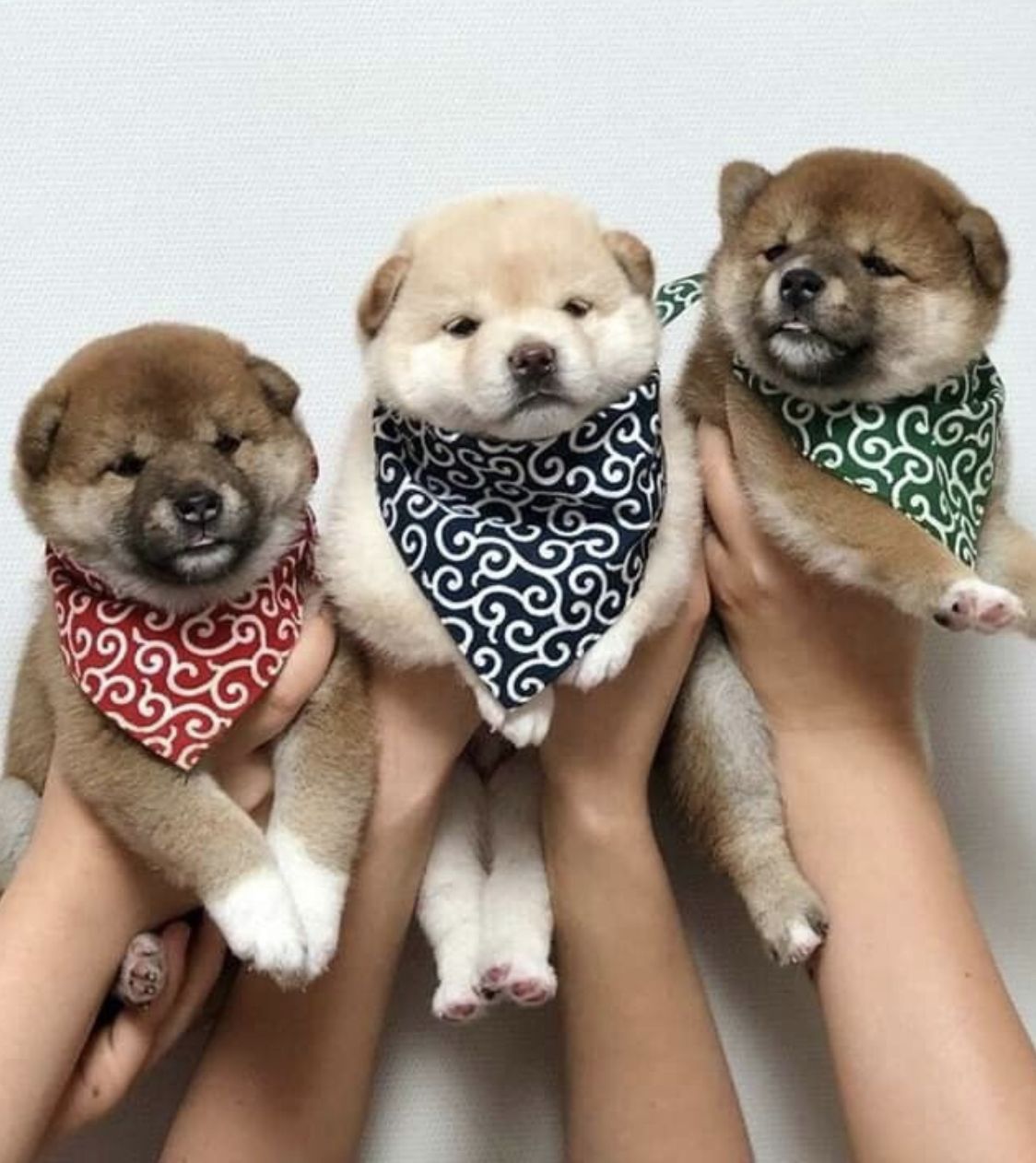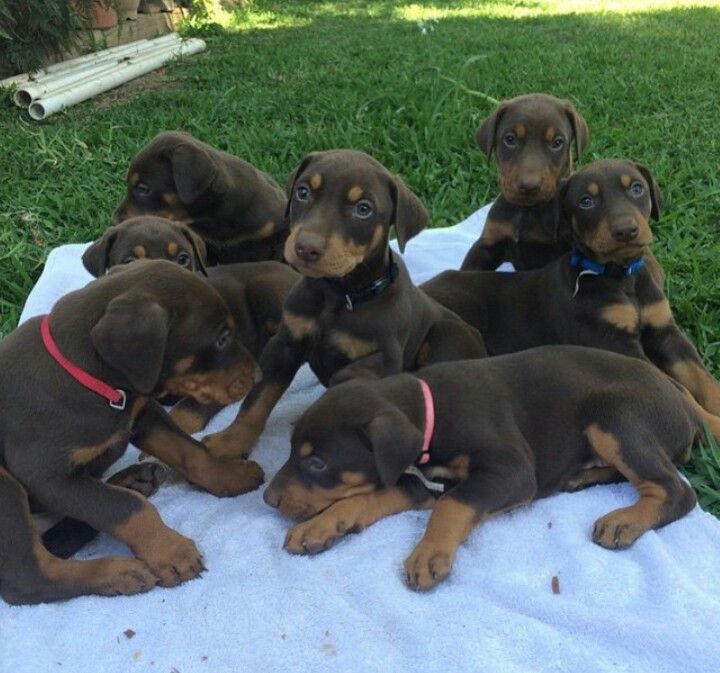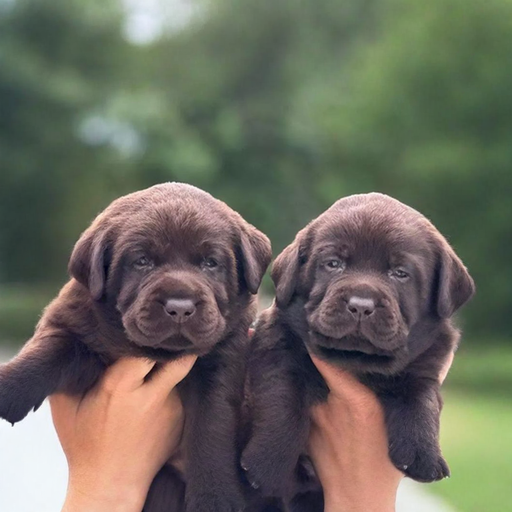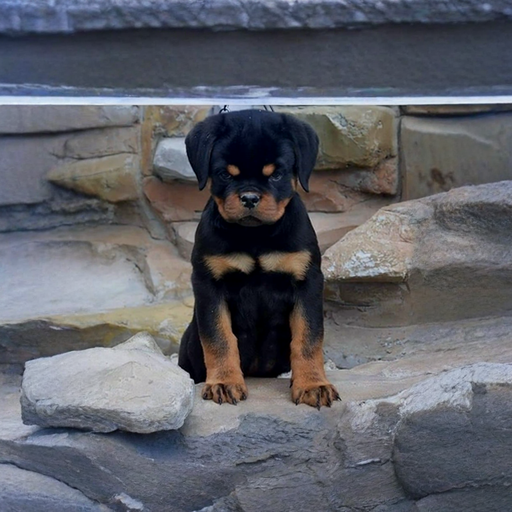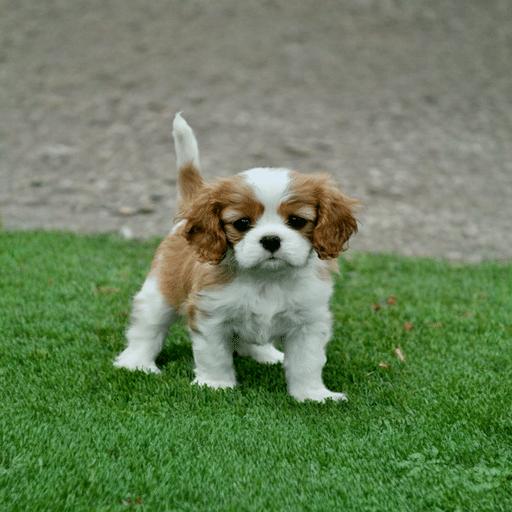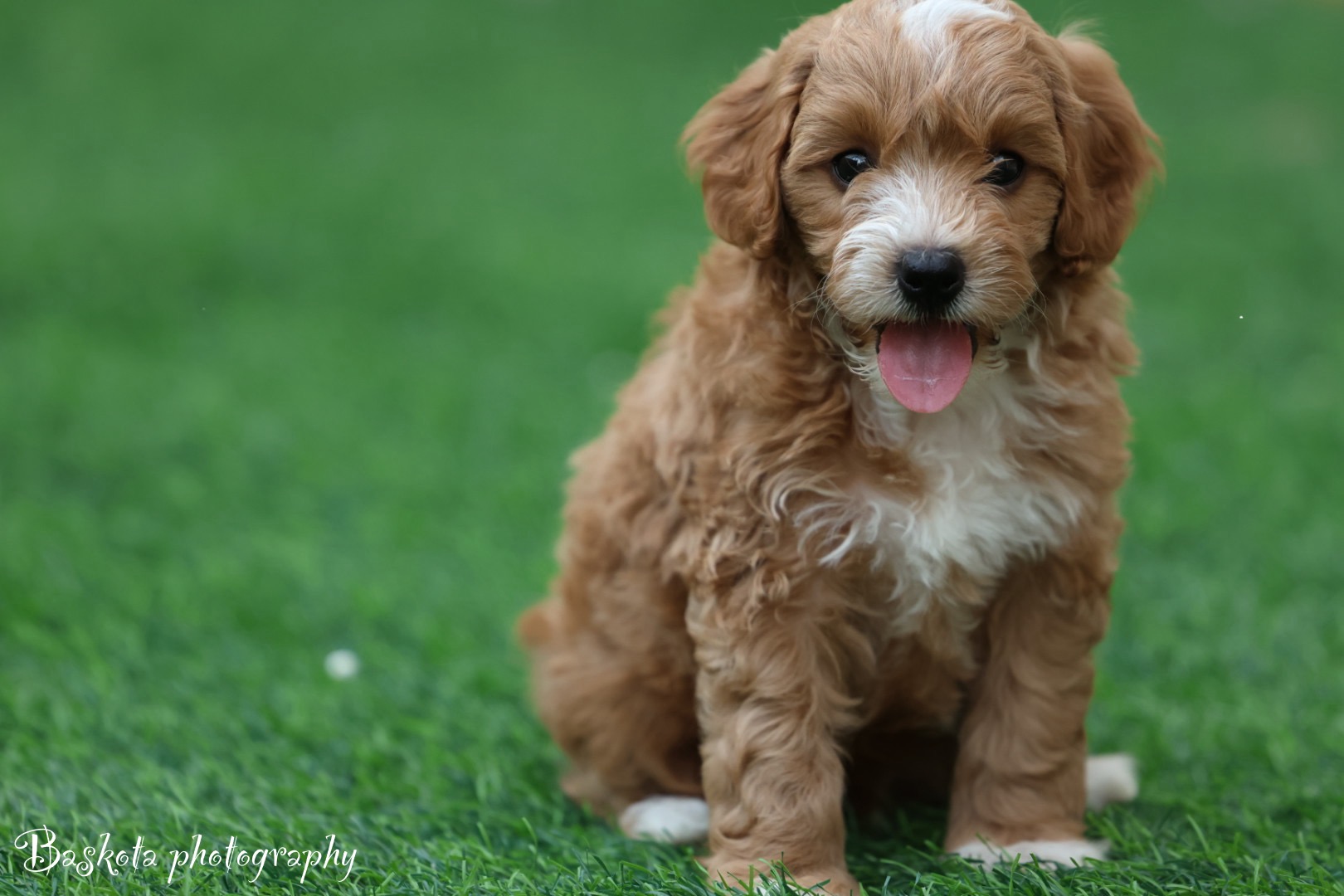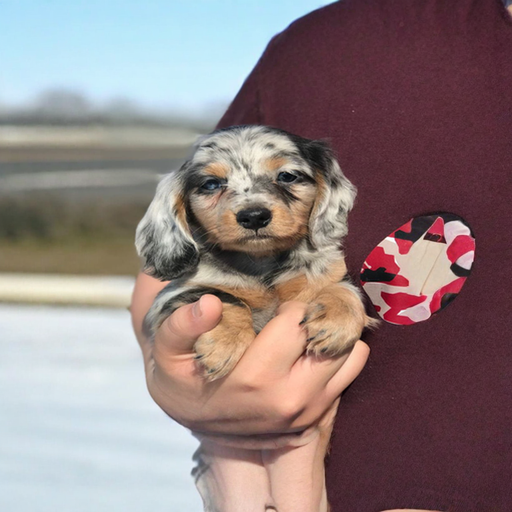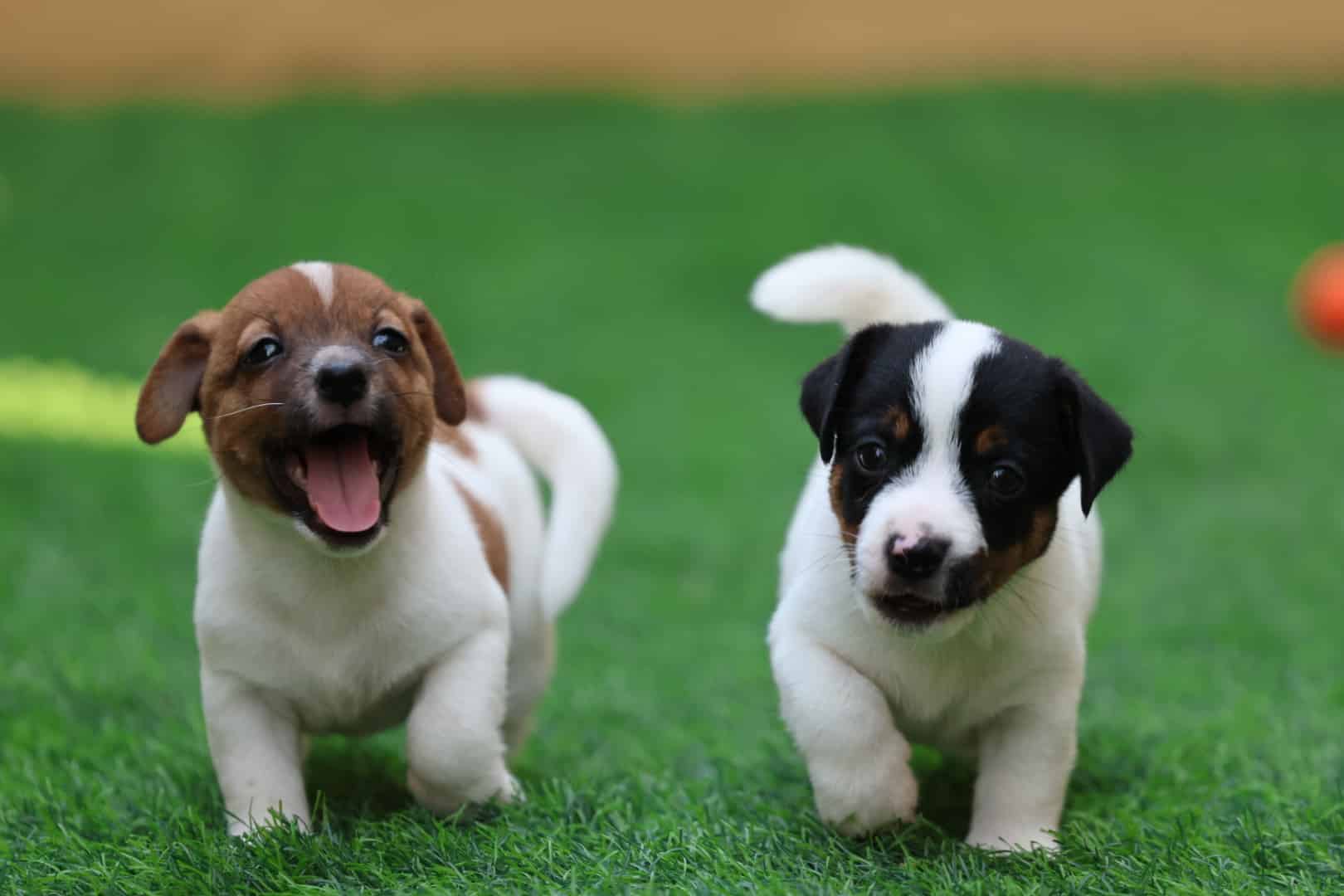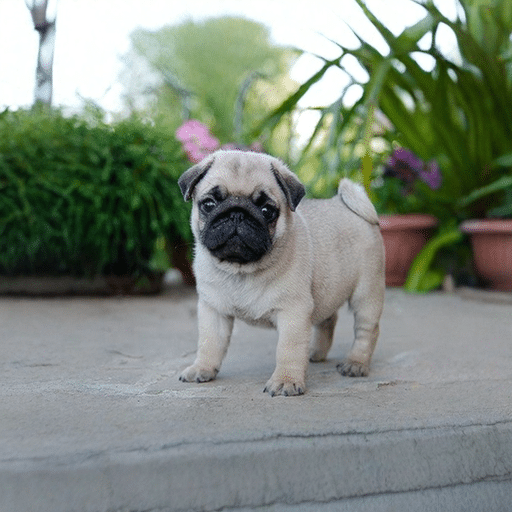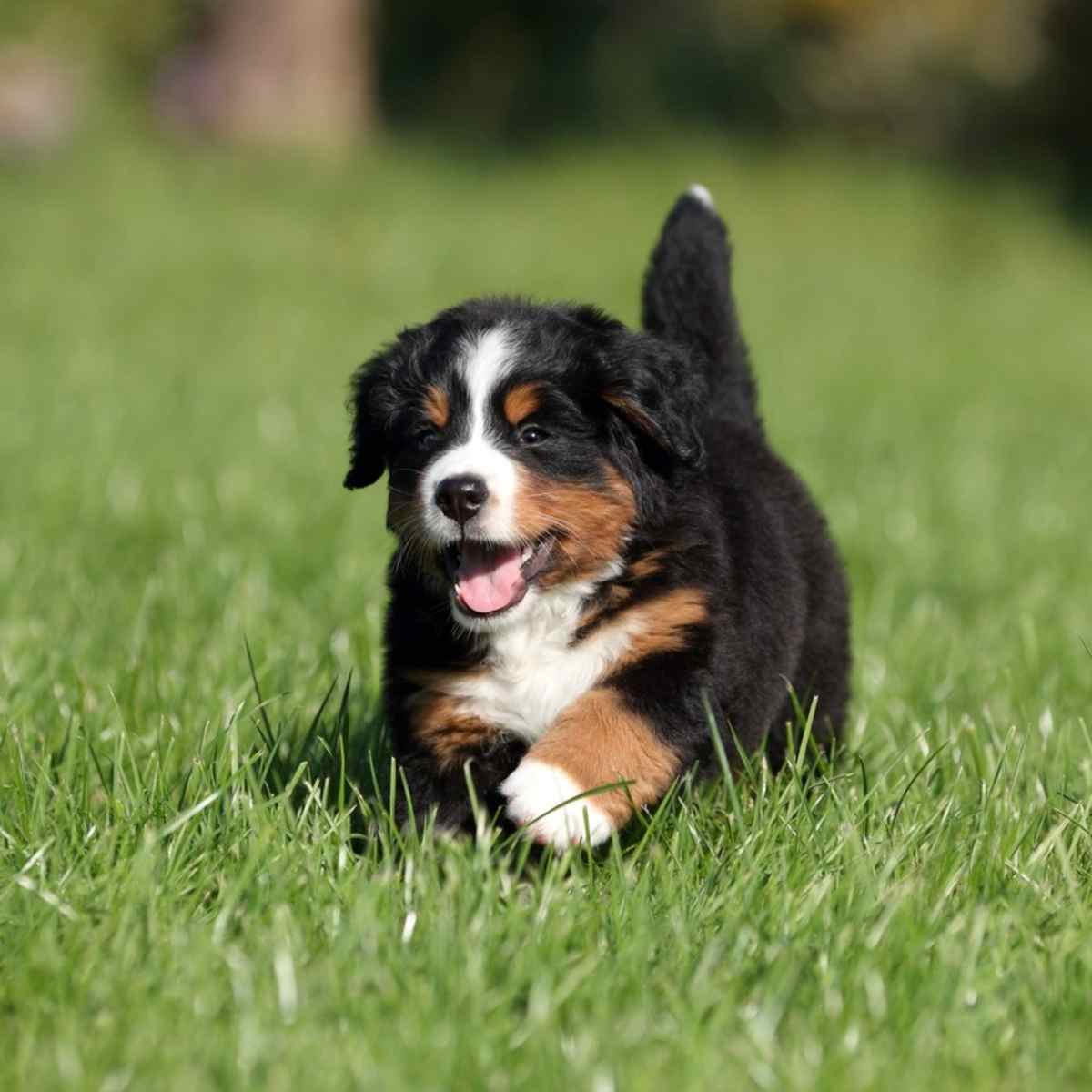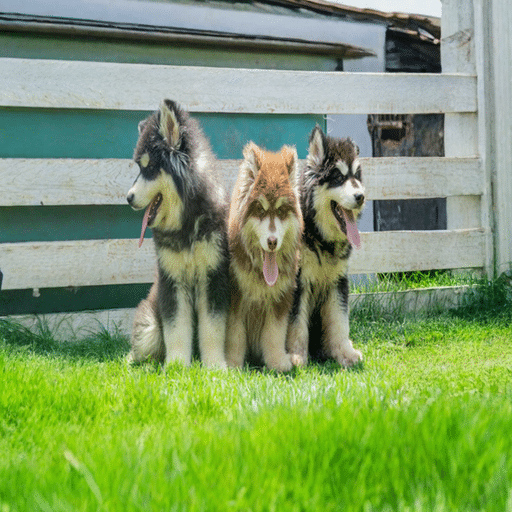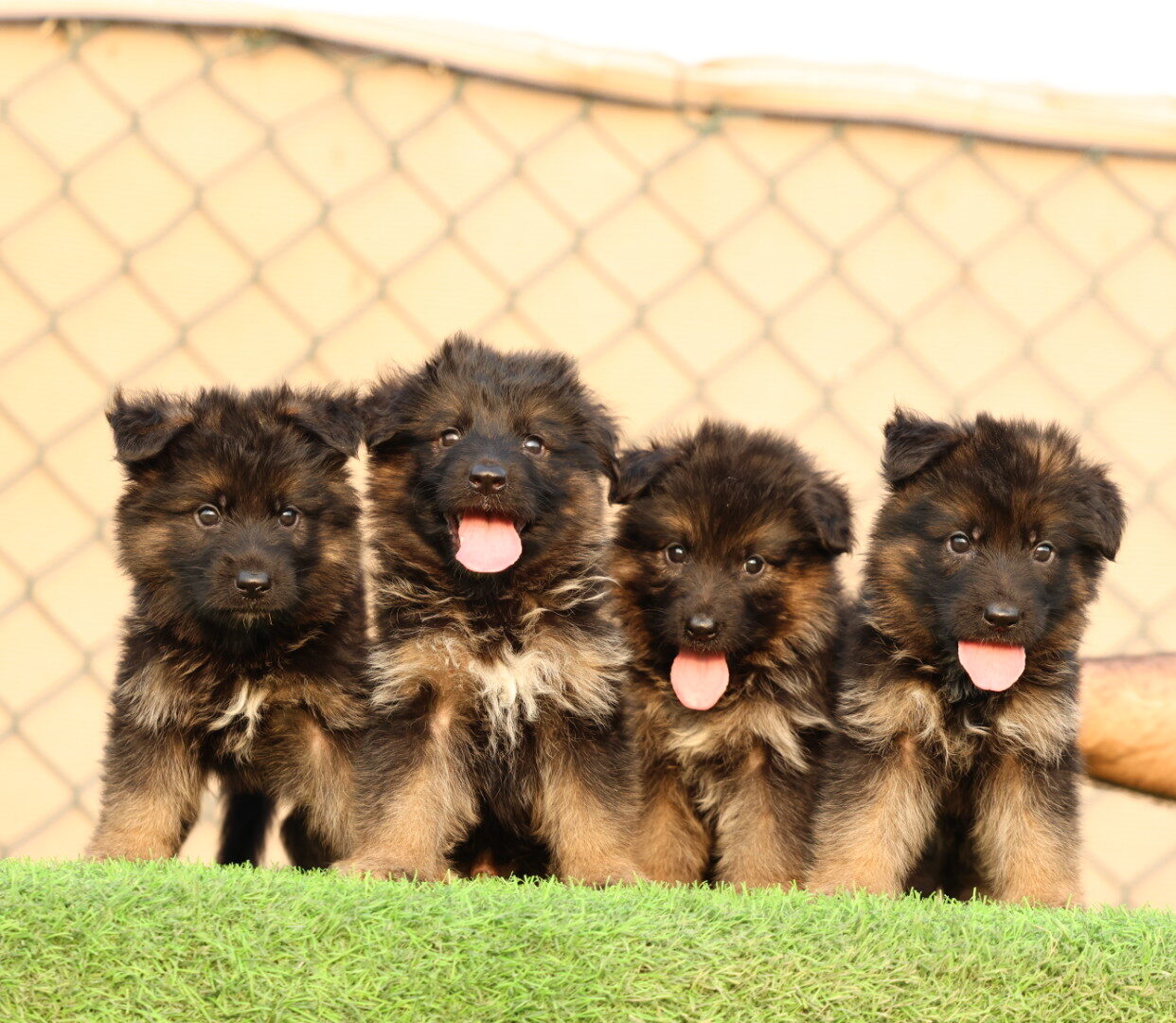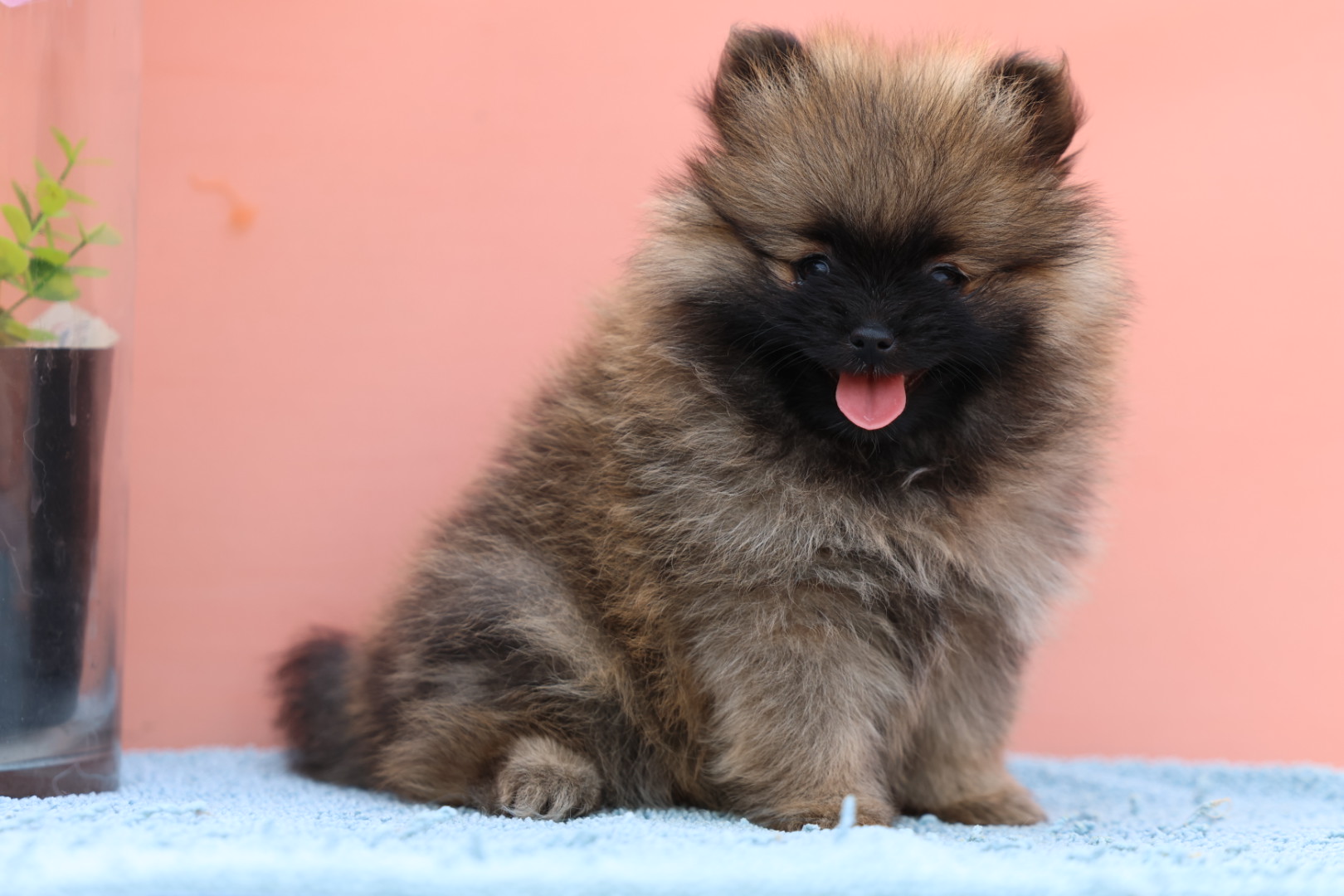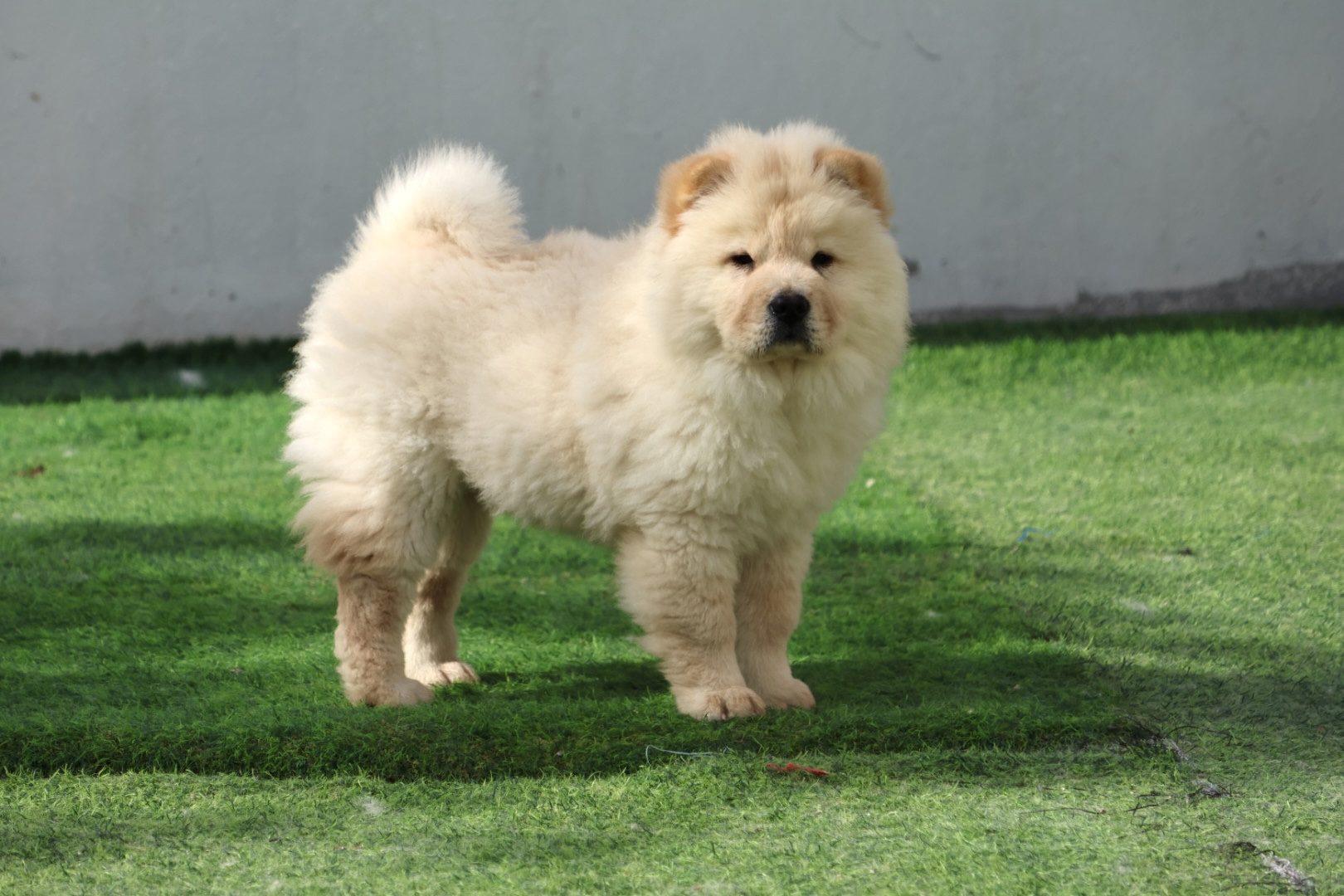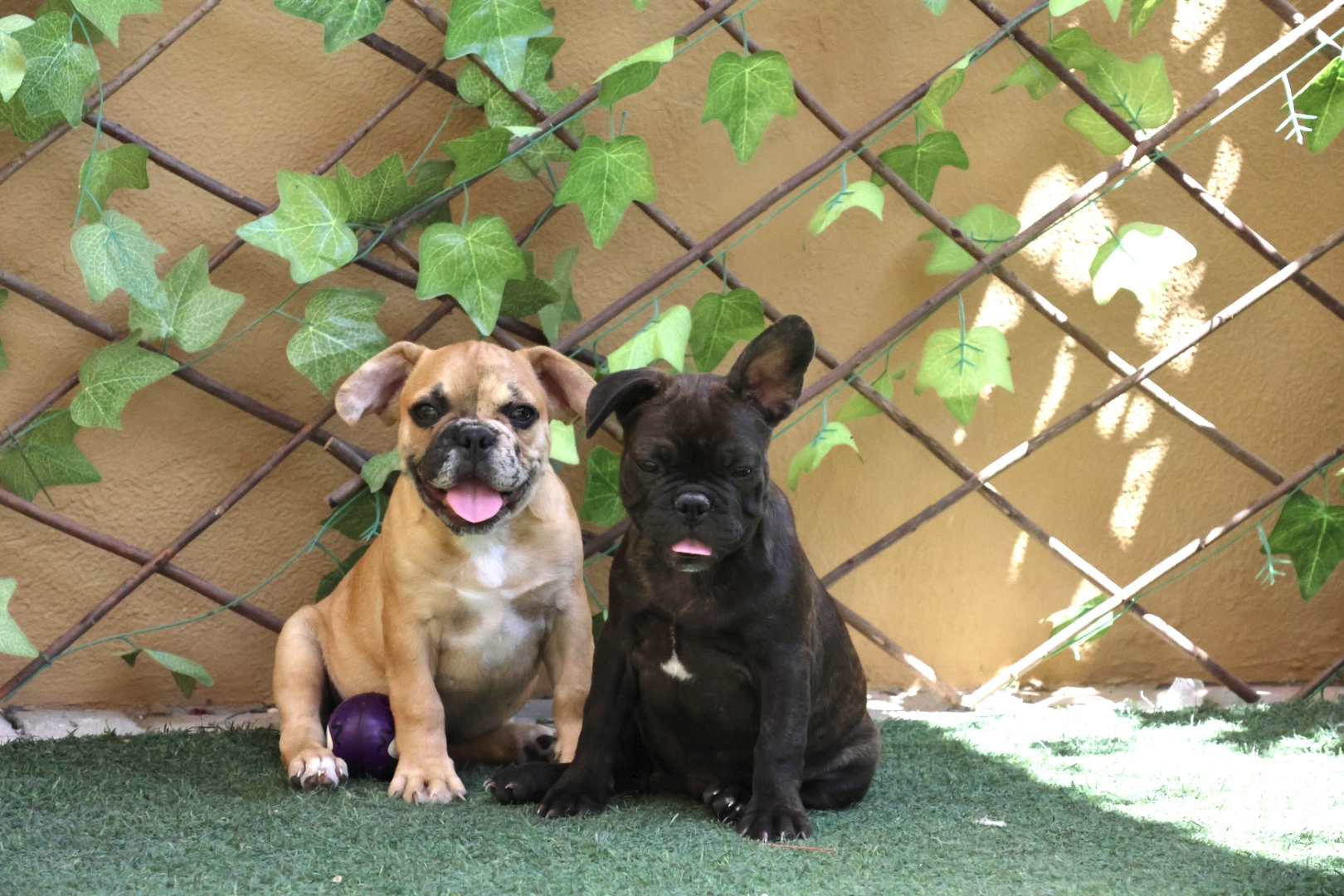
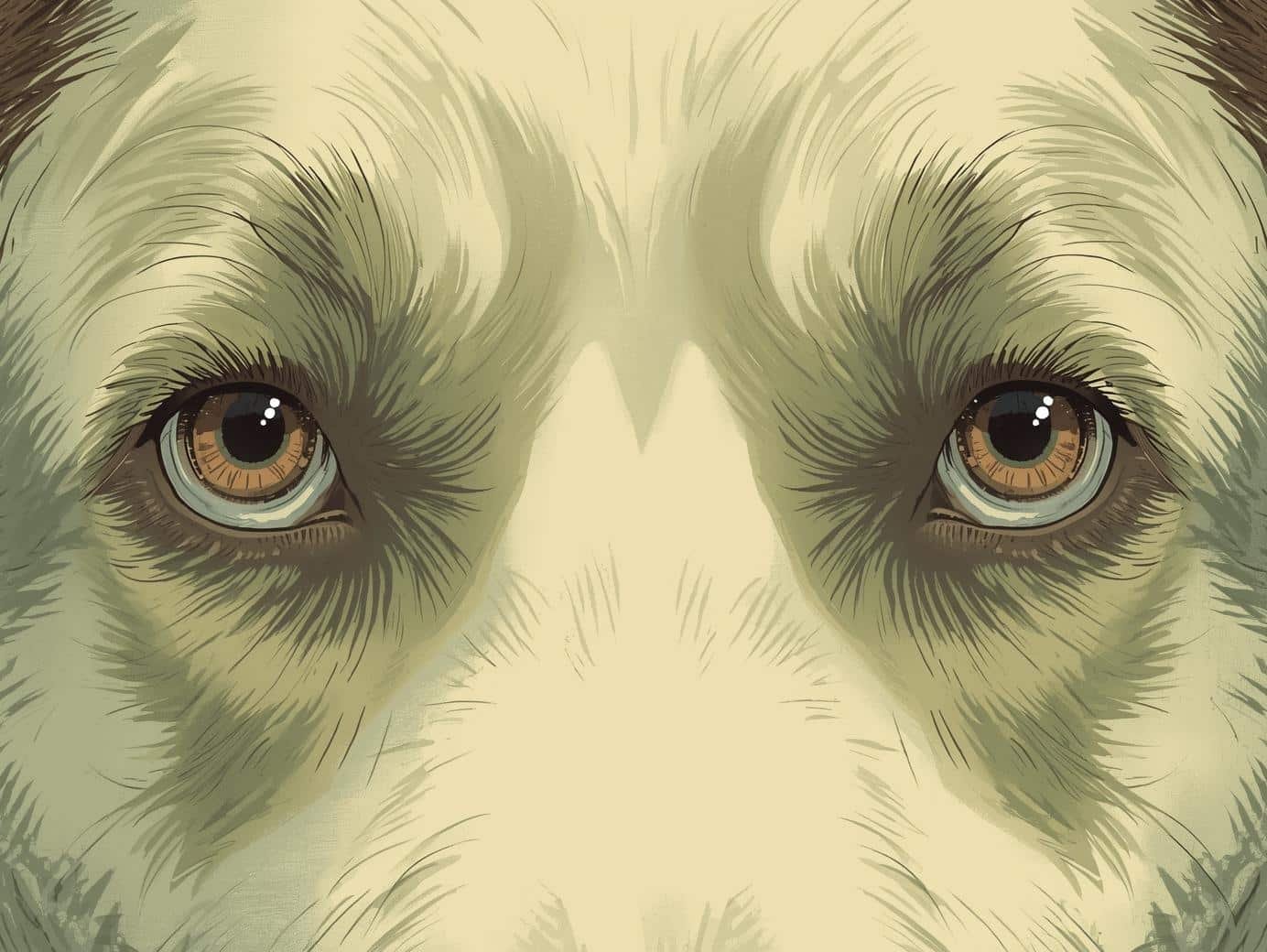
Dogs have an amazing way of speaking without making any sound. Their eyes can tell you so much about what they feel. Many pups look at their owners with love, a fluffy french bulldog may show excitement through bright eyes, and a cute cocker spaniel puppy can express sadness or happiness just with a simple stare. Understanding dog eye language helps you know what your dog wants, even without barking.
Why Dog Eyes Are So Powerful?
A dog’s eyes are like windows into their emotions. Dogs cannot speak human language, so they use body signals. Eye contact is one of the strongest tools they have. Dogs use their eyes to show affection, fear, stress, curiosity, and even warnings. When you learn these signals, you can connect better with your dog.
Dog eyes work together with ears, tail, and posture. But often, the eyes give the first clue about what is happening inside your dog’s mind.
The Loving Look: When Dogs Feel Safe
One of the most common dog eye expressions is the soft loving gaze. When a dog looks at you with relaxed eyes, it means they trust you. Their face is calm, and their eyes may appear warm and gentle. This is a sign of comfort.
Dogs often give this look when they are resting near you or enjoying quiet time. Many owners feel a deep bond during these moments because the dog is showing pure affection.
Wide Eyes: Surprise or Fear
When a dog suddenly opens their eyes wide, it can mean they are surprised or nervous. Sometimes you can see the whites of their eyes, often called “whale eye.” This is not a playful look. It is usually a sign of discomfort.
Dogs may show this expression when they feel threatened, uncomfortable, or unsure about a situation. If you notice wide eyes, it is a good idea to give the dog space and remove stress triggers.
Avoiding Eye Contact: A Sign of Stress
Dogs do not always want direct eye contact. When a dog looks away, it can mean they are feeling anxious or trying to avoid conflict. In the dog world, staring can sometimes feel like a challenge.
A dog that turns its head away or blinks slowly may be saying, “I don’t want trouble.” This is common when dogs meet strangers or when they are scolded.
Slow Blinking: Calm Communication
Slow blinking is a peaceful signal. Dogs sometimes blink slowly to show they feel safe. Owners can also use slow blinking back to reassure the dog.
This is a gentle way of communicating calmness. It can help nervous dogs relax.
The Stare: When Dogs Are Warning You
A hard stare is very different from a loving gaze. If a dog is staring without blinking, with tense body posture, it can be a warning sign.
Dogs may stare when they feel protective, angry, or ready to react. This kind of eye expression should be taken seriously, especially if combined with growling or stiff posture.
Never stare back at a dog showing aggression, because it may increase tension.
Heading About pups and Eye Communication
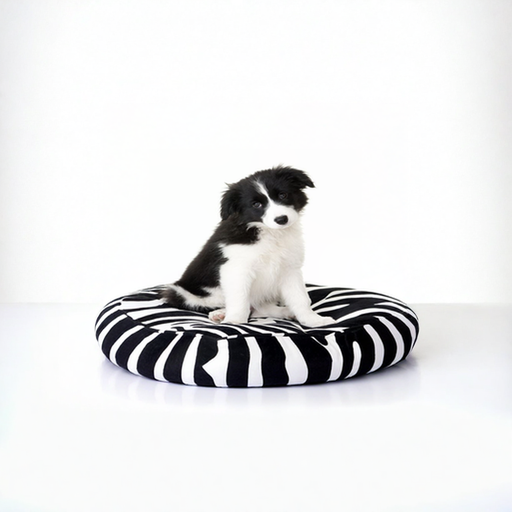
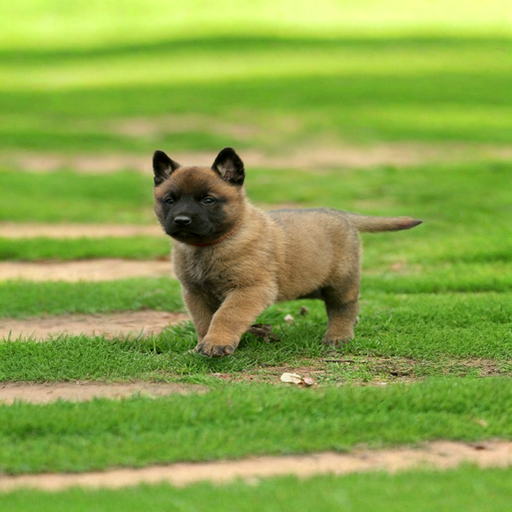
Young pups start learning eye communication very early. Even as babies, they use eye contact to bond with humans. Puppies look at their owners for safety, guidance, and love.
When pups grow up in a caring home, they develop strong emotional understanding. Their eyes become one of their main ways to connect with people. Learning puppy eye language helps you build trust during training.
Excited Eyes: Happiness and Play
When dogs are excited, their eyes can look bright and full of life. They may have a playful sparkle, especially when they see a toy or hear your voice.
Excited eyes often come with wagging tails, jumping, and happy movements. This is a positive sign that your dog is enjoying the moment.
Sad Eyes: Dogs Can Show Emotion
Many people believe dogs can look sad, and in many cases, they really do express sadness through their eyes. Droopy eyelids, slow movement, and less eye contact may show that the dog is feeling down.
Dogs may appear sad when they miss their owner, feel sick, or are bored. If sadness lasts long, it is important to check their health and emotional needs.
Heading About fluffy french bulldog and Facial Expressions
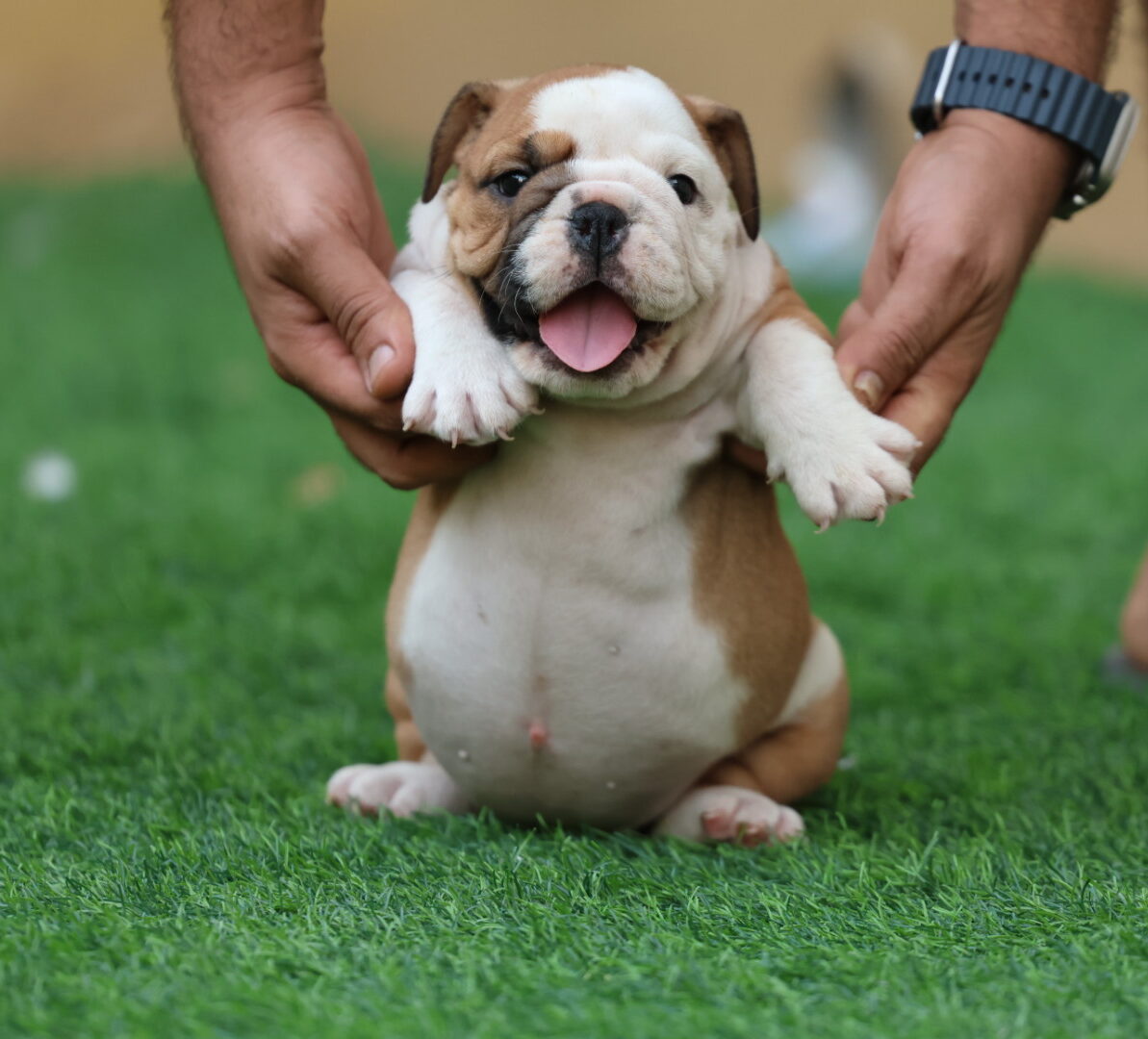
A fluffy french bulldog often has very expressive eyes because of their face shape. French Bulldogs are known for being loving and playful, and their eyes can quickly show joy or worry.
This breed may look deeply at their owners when they want attention. Because they are social dogs, their eye contact is usually strong. Owners should pay attention to signs of stress too, such as wide eyes or avoiding gaze.
Eye Contact and Bonding With Humans
Studies show that eye contact between dogs and humans can increase bonding. When dogs look at their owners, both can feel closer.
Dogs often watch humans to understand emotions. They notice your facial expressions and learn when you are happy, upset, or calm.
Building a relationship through gentle eye contact helps dogs feel secure.
Dogs Watching the World Around Them
Dogs also use their eyes to observe their environment. They look for movement, sounds, and possible danger.
A dog may stare at a door because they hear something outside, or they may watch another animal carefully. This does not always mean aggression. Sometimes it is simple curiosity.
The Role of Eye Shape and Breed Differences
Different dog breeds have different eye shapes, which can affect how their expressions look. Big round eyes may appear more emotional, while almond-shaped eyes may look calmer.
Some breeds naturally have a more intense gaze, while others look softer. Understanding breed traits helps owners interpret eye language correctly.
Heading About cute cocker spaniel puppy and Gentle Eye Signals
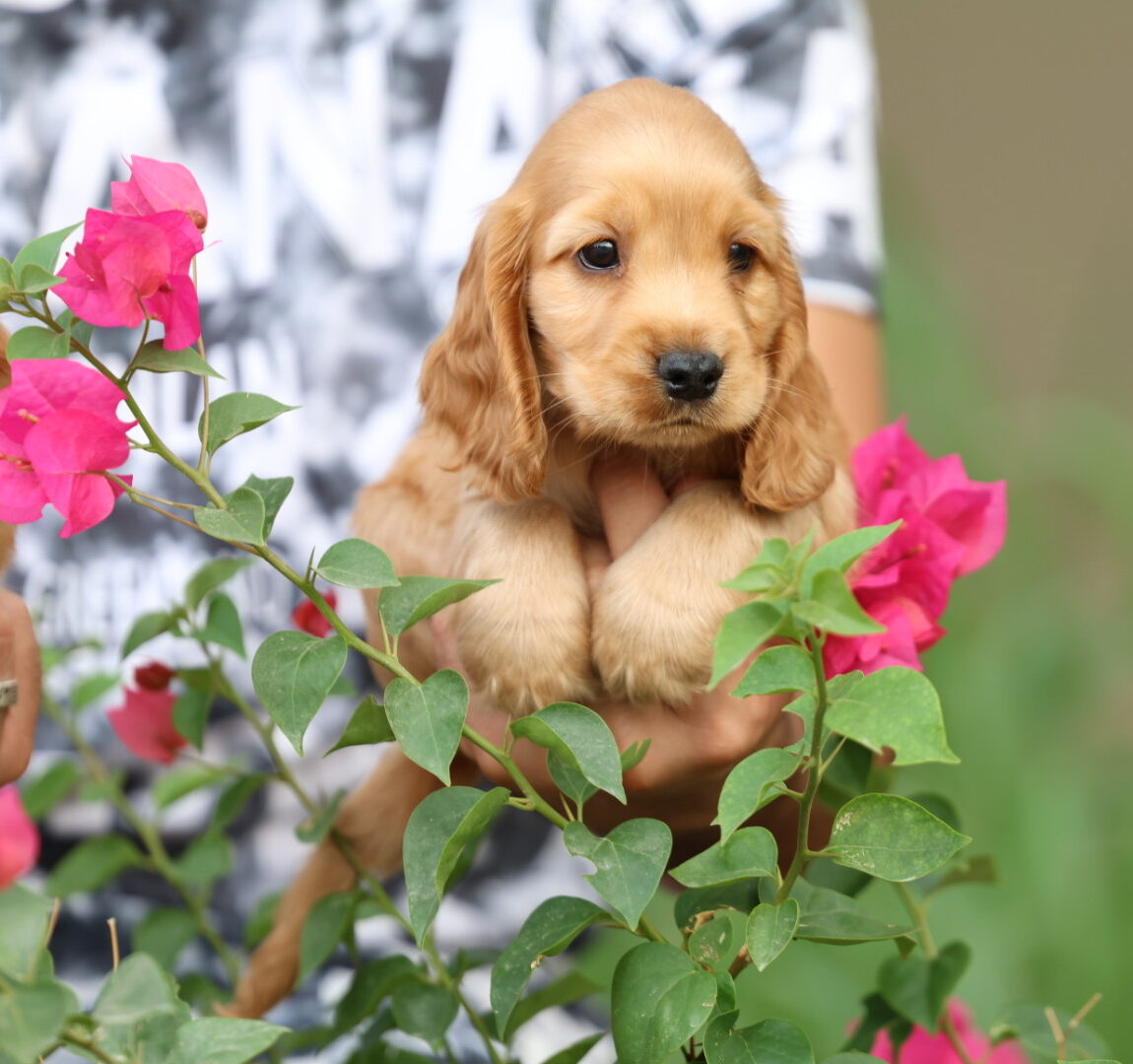
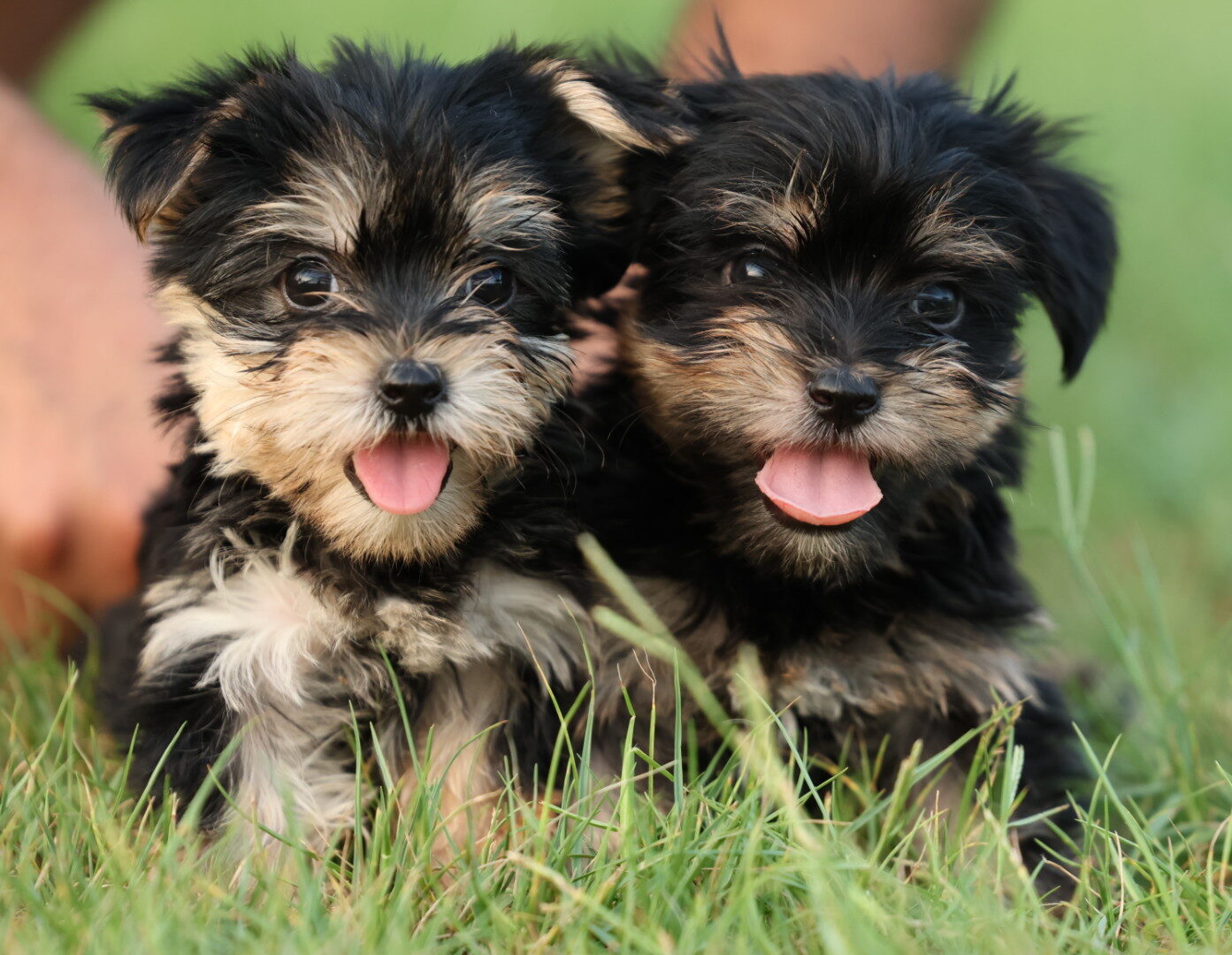
A cute cocker spaniel puppy often has very soft and emotional eyes. Cocker Spaniels are known for their sweet expressions. Their eyes can show love, curiosity, and even sensitivity.
This breed is very people-focused, so they often communicate through eye contact. Puppies especially use their eyes to ask for comfort and attention. Learning their signals helps owners respond kindly.
When Dogs Use Eyes to Ask for Something
Dogs often look at humans when they want food, a walk, or playtime. This is not manipulation, it is communication.
A dog may stare at the leash because they want to go outside, or they may look at your bowl during dinner. Over time, dogs learn what works.
Owners should respond with healthy boundaries while still understanding the dog’s needs.
How to Respond to Dog Eye Language
The best way to respond is with calm awareness. If your dog looks relaxed, you can interact gently. If your dog shows stress signals like whale eye or avoiding gaze, give them space.
Never punish a dog for showing fear. Instead, help them feel safe.
Positive training and calm communication improve trust.
Teaching Children to Understand Dog Eyes
Children should learn that dogs communicate with their eyes. A dog that looks away may not want to be touched. A dog that stares hard may be uncomfortable.
Teaching kids respect helps prevent bites and builds healthy relationships.
Always supervise children with dogs, especially young puppies.
Why Dog Eyes Are So Powerful
A dog’s eyes are like windows into their emotions. Dogs cannot speak human language, so they use body signals. Eye contact is one of the strongest tools they have. Dogs use their eyes to show affection, fear, stress, curiosity, and even warnings. When you learn these signals, you can connect better with your dog.
Dog eyes work together with ears, tail, and posture. But often, the eyes give the first clue about what is happening inside your dog’s mind.
The Loving Look: When Dogs Feel Safe
One of the most common dog eye expressions is the soft loving gaze. When a dog looks at you with relaxed eyes, it means they trust you. Their face is calm, and their eyes may appear warm and gentle. This is a sign of comfort.
Dogs often give this look when they are resting near you or enjoying quiet time. Many owners feel a deep bond during these moments because the dog is showing pure affection.
Wide Eyes: Surprise or Fear
When a dog suddenly opens their eyes wide, it can mean they are surprised or nervous. Sometimes you can see the whites of their eyes, often called “whale eye.” This is not a playful look. It is usually a sign of discomfort.
Dogs may show this expression when they feel threatened, uncomfortable, or unsure about a situation. If you notice wide eyes, it is a good idea to give the dog space and remove stress triggers.
Avoiding Eye Contact: A Sign of Stress
Dogs do not always want direct eye contact. When a dog looks away, it can mean they are feeling anxious or trying to avoid conflict. In the dog world, staring can sometimes feel like a challenge.
A dog that turns its head away or blinks slowly may be saying, “I don’t want trouble.” This is common when dogs meet strangers or when they are scolded.
Slow Blinking: Calm Communication
Slow blinking is a peaceful signal. Dogs sometimes blink slowly to show they feel safe. Owners can also use slow blinking back to reassure the dog.
This is a gentle way of communicating calmness. It can help nervous dogs relax.
The Stare: When Dogs Are Warning You
A hard stare is very different from a loving gaze. If a dog is staring without blinking, with tense body posture, it can be a warning sign.
Dogs may stare when they feel protective, angry, or ready to react. This kind of eye expression should be taken seriously, especially if combined with growling or stiff posture.
Never stare back at a dog showing aggression, because it may increase tension.
Heading About pups and Eye Communication
Young labrador retriever puppies or another young puppies start learning eye communication very early. Even as babies, they use eye contact to bond with humans. Puppies look at their owners for safety, guidance, and love.
When pups grow up in a caring home, they develop strong emotional understanding. Their eyes become one of their main ways to connect with people. Learning puppy eye language helps you build trust during training.
Excited Eyes: Happiness and Play
When dogs are excited, their eyes can look bright and full of life. They may have a playful sparkle, especially when they see a toy or hear your voice.
Excited eyes often come with wagging tails, jumping, and happy movements. This is a positive sign that your dog is enjoying the moment.
Sad Eyes: Dogs Can Show Emotion
Many people believe dogs can look sad, and in many cases, they really do express sadness through their eyes. Droopy eyelids, slow movement, and less eye contact may show that the dog is feeling down.
Dogs may appear sad when they miss their owner, feel sick, or are bored. If sadness lasts long, it is important to check their health and emotional needs.
Heading About fluffy french bulldog and Facial Expressions
A fluffy french bulldog breeders often has very expressive eyes because of their face shape. French Bulldogs are known for being loving and playful, and their eyes can quickly show joy or worry.
This breed may look deeply at their owners when they want attention. Because they are social dogs, their eye contact is usually strong. Owners should pay attention to signs of stress too, such as wide eyes or avoiding gaze.
Eye Contact and Bonding With Humans
Studies show that eye contact between dogs and humans can increase bonding. When dogs look at their owners, both can feel closer.
Dogs often watch humans to understand emotions. They notice your facial expressions and learn when you are happy, upset, or calm.
Building a relationship through gentle eye contact helps dogs feel secure.
Dogs Watching the World Around Them
Dogs also use their eyes to observe their environment. They look for movement, sounds, and possible danger.
A dog may stare at a door because they hear something outside, or they may watch another animal carefully. This does not always mean aggression. Sometimes it is simple curiosity.
The Role of Eye Shape and Breed Differences
Different dog breeds have different eye shapes, which can affect how their expressions look. Big round eyes may appear more emotional, while almond-shaped eyes may look calmer.
Some breeds naturally have a more intense gaze, while others look softer. Understanding breed traits helps owners interpret eye language correctly.
Heading About cute cocker spaniel puppy and Gentle Eye Signals
A cute cocker spaniel puppy often has very soft and emotional eyes. Cocker Spaniels are known for their sweet expressions. Their eyes can show love, curiosity, and even sensitivity.
This breed is very people-focused, so they often communicate through eye contact. Puppies especially use their eyes to ask for comfort and attention. Learning their signals helps owners respond kindly.
When Dogs Use Eyes to Ask for Something
Dogs often look at humans when they want food, a walk, or playtime. This is not manipulation, it is communication.
A dog may stare at the leash because they want to go outside, or they may look at your bowl during dinner. Over time, dogs learn what works.
Owners should respond with healthy boundaries while still understanding the dog’s needs.
How to Respond to Dog Eye Language
The best way to respond is with calm awareness. If your dog looks relaxed, you can interact gently. If your dog shows stress signals like whale eye or avoiding gaze, give them space.
Never punish a dog for showing fear. Instead, help them feel safe.
Positive training and calm communication improve trust.
Teaching Children to Understand Dog Eyes
Children should learn that dogs communicate with their eyes. A dog that looks away may not want to be touched. A dog that stares hard may be uncomfortable.
Teaching kids respect helps prevent bites and builds healthy relationships.
Always supervise children with dogs, especially young puppies.
More Eye Signals Dogs Use Every Day
Dogs use many small eye movements that people often miss. These signals may look simple, but they carry important meaning. Watching your dog closely will help you understand them better.
For example, a dog may squint slightly when relaxed. Another dog may blink quickly when nervous. These small changes help you read your dog’s mood.
Squinting Eyes: Peace and Trust
When a dog squints or keeps eyes half-closed, it usually means they feel calm and safe. This expression is common when dogs are resting in a warm spot or enjoying gentle petting.
Squinting is a relaxed sign, almost like a dog smile. It shows that the dog is not feeling threatened.
Quick Blinking: Nervous Feelings
Fast blinking can sometimes mean stress. Dogs may blink quickly when they feel unsure, confused, or uncomfortable.
If you see this in a new environment, your dog may need more time to adjust. Offer calm support and do not force interaction.
Looking Between Objects and You: Asking for Help
Dogs are very smart. Sometimes a dog looks at an object, then looks back at you. This is a communication method.
Your dog may do this when they want you to open a door, reach a toy, or notice something unusual.
This behavior shows that dogs use eye contact to request help from humans.
The “Side Eye” or Whale Eye Meaning
Whale eye happens when you see the white part of a dog’s eye clearly. Dogs often do this when they feel nervous or protective.
For example, a dog may show whale eye if someone hugs them too tightly or takes away food.
This is an early warning sign. Respect your dog’s space when you notice it.
Eye Language During Training
During training sessions, dogs use their eyes in interesting ways. A focused dog often keeps eyes on the owner, waiting for commands.
If your dog looks away or avoids eye contact, they may feel distracted, bored, or stressed.
Using positive reinforcement helps dogs stay engaged and confident.
Dogs Reading Human Eyes
Dogs do not only communicate with their own eyes, they also read ours. They notice where we look and how we react.
If you look happy, your dog may relax. If you look angry or stressed, your dog may become worried.
This is why calm energy is important when working with dogs.
Dogs Speak Through Their Eyes
Dog eyes are one of the most beautiful ways they communicate. Without barking, they can show love, fear, excitement, and warnings. Whether you are caring for playful pups a loving fluffy french bulldog, or a sweet cute cocker spaniel puppy, understanding eye language helps you connect deeply.
When you learn what your dog’s eyes are saying, you improve trust, safety, and friendship. Dogs may not speak in words, but their eyes tell a powerful story every day.