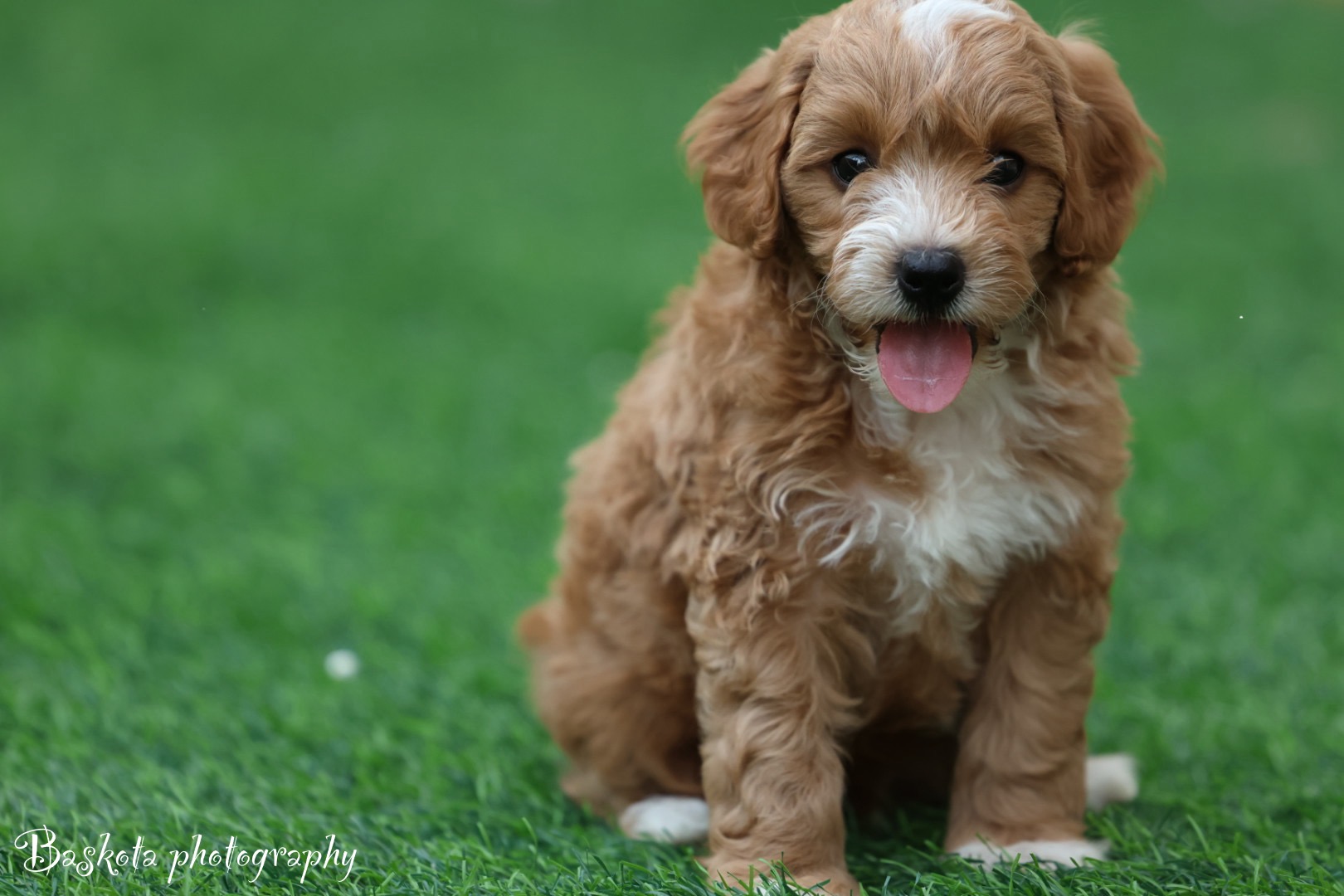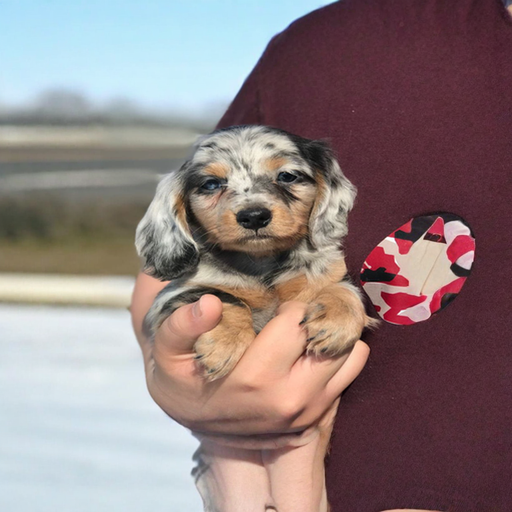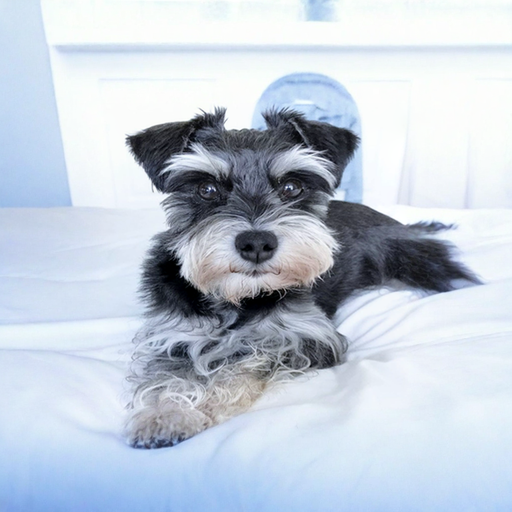
Many dog owners ask about Forbidden Foods for Dogs, especially when they are searching for dogs for sale abu dhabi, thinking about adopting a small Maltese, or bringing home a tiny Chihuahua. Dogs may look at human food with hungry eyes, but many foods that are safe for people can be dangerous or even deadly for dogs. Understanding forbidden foods is one of the most important parts of responsible dog care.
Dogs have different digestive systems than humans. They cannot process certain chemicals, fats, and ingredients. Some foods cause mild stomach upset, while others damage organs like the liver or kidneys. The best way to protect dogs is prevention. Owners should learn which foods are toxic and avoid feeding table scraps.
This article explains the most common forbidden foods for dogs, why they are dangerous, what symptoms to watch for, and how to keep dogs safe. It also explains safe alternatives and daily feeding tips.
Dogs for Sale Abu Dhabi: What New Owners Must Know About Food Safety
When people search for dogs for sale abu dhabi they often focus on breed, appearance, and price. But one of the most important things new owners must learn is food safety. Many dogs become sick because owners share human meals without knowing the risk.
In Abu Dhabi and other warm areas, dogs may drink more water and eat differently due to heat. Owners might offer snacks or leftovers, thinking they are helping. But some common kitchen foods are toxic.
New owners should make a rule: dog food only, plus dog-safe treats. Human food should never be given without veterinary approval. Teaching family members, especially children, not to feed dogs from the table is essential.
Food safety also includes storage. Dogs may steal food from counters or trash bins. Keeping dangerous foods out of reach prevents accidents.
Understanding forbidden foods early helps new owners avoid emergencies and protect their dogs for life.
Maltese: Small Dogs Are More Sensitive to Forbidden Foods
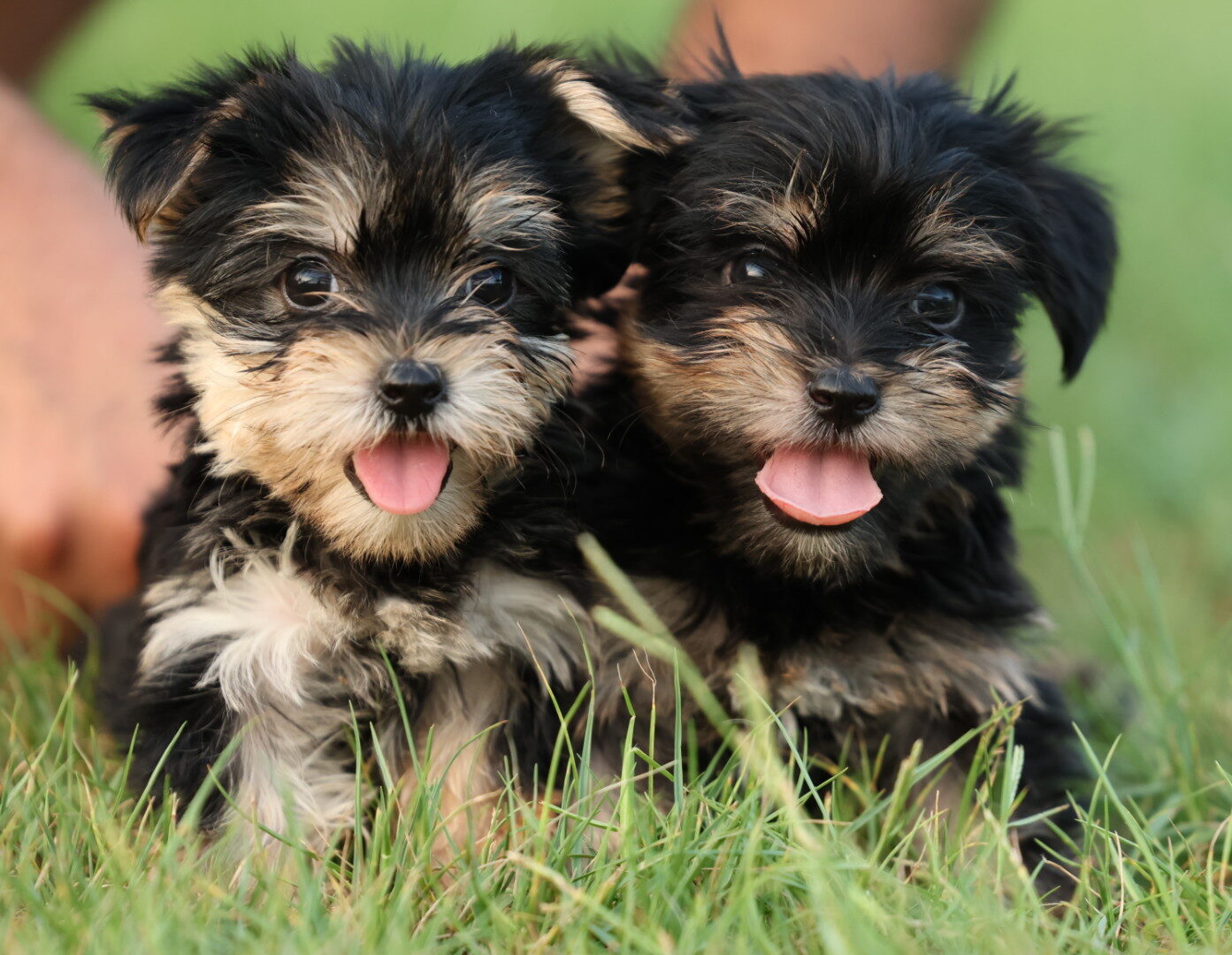
The Maltese is a small, gentle breed that is very popular as a companion dog. Because of its small size, the Maltese is more sensitive to toxic foods. Even a small amount of chocolate, onion, or grapes can cause serious harm.
Small dogs have smaller bodies and organs, so toxins affect them faster. Foods high in fat can also cause pancreatitis, which is painful and dangerous. Maltese dogs also have sensitive stomachs, so spicy or oily foods may cause vomiting or diarrhea.
Owners should feed Maltese dogs a balanced diet made for small breeds. Treats should be limited and dog-safe. Table scraps are not recommended because they often contain salt, seasoning, and harmful ingredients.
Because Maltese dogs are affectionate, owners may feel tempted to share food. But the safest love is proper nutrition and protection from toxic foods.
Chihuahua: Tiny Dogs and High Risk From Human Food
The Chihuahua is one of the smallest dog breeds in the world. This breed is intelligent and alert, but extremely sensitive to forbidden foods. A Chihuahua can become seriously ill from tiny amounts of toxic ingredients.
Chihuahuas are especially vulnerable to chocolate, caffeine, alcohol, and artificial sweeteners. Their small bodies cannot handle these substances. Even a small bite can cause shaking, seizures, or heart problems.
Chihuahuas also have delicate digestion. Fatty foods, dairy, and spicy meals can quickly upset their stomach. Many Chihuahua owners make the mistake of feeding small bites of human food, thinking it is harmless. For this breed, it is not.
Feeding proper dog food, fresh water, and safe treats is the best choice. Owners should also be careful with dropped food on the floor, as Chihuahuas may eat quickly before anyone notices.
Protection through awareness is essential for tiny dogs.
Chocolate: One of the Most Dangerous Foods
Chocolate contains theobromine, which is toxic to dogs. Dark chocolate is especially dangerous. Symptoms include vomiting, diarrhea, rapid heartbeat, and seizures.
Dogs should never eat chocolate in any form. If ingestion happens, veterinary care is urgent.
Grapes and Raisins: Kidney Failure Risk
Grapes and raisins can cause sudden kidney failure in dogs. Even small amounts can be deadly.
Symptoms include vomiting, weakness, and loss of appetite. Avoid completely.
Onions and Garlic: Damage to Red Blood Cells
Onions, garlic, and related foods damage red blood cells and can cause anemia.
These ingredients are common in cooked meals, so table scraps are risky.
Alcohol and Caffeine: Highly Toxic
Alcohol affects the nervous system and can cause coma. Caffeine can cause rapid heart rate and seizures.
Dogs must never consume these drinks.
Xylitol: Hidden Sweetener Danger
Xylitol is found in sugar-free gum and candies. It causes dangerous drops in blood sugar and liver damage.
Keep products containing xylitol away from dogs.
Fatty Foods and Fried Meals
Fatty foods can cause pancreatitis. Symptoms include severe stomach pain and vomiting.
Avoid giving dogs greasy leftovers.
Cooked Bones: Choking and Internal Injury
Cooked bones splinter and can pierce the stomach or intestines. They are very dangerous.
Only provide vet-approved chew items.
Dairy Products: Not Always Safe
Many dogs cannot digest lactose. Dairy can cause diarrhea and stomach upset.
Small amounts may be tolerated by some dogs, but it is safer to avoid.
Salty Foods: Dehydration and Kidney Stress
Chips, salty snacks, and processed meats contain too much salt. Salt causes dehydration and can harm kidneys.
Dogs need low-salt diets.
Spicy Foods: Stomach Irritation
Spices irritate the digestive system. Dogs may vomit or develop diarrhea.
Dogs do not need spicy flavors.
Raw Dough and Yeast
Raw dough expands in the stomach and produces alcohol. This is life-threatening.
Keep dough away from dogs.
Avocado: Risk of Toxicity
Avocado contains persin, which may be harmful. High fat content also causes digestive upset.
Avoid feeding avocado.
Nuts: Some Are Toxic
Macadamia nuts are toxic. Other nuts are high in fat and can cause illness.
Do not give nuts to dogs.
Citrus Fruits
Citrus can irritate digestion. Large amounts may cause vomiting.
Small pieces are not usually deadly, but not recommended.
Moldy Food and Trash Risks
Mold toxins can cause tremors and seizures. Trash food is unpredictable and dangerous.
Secure trash bins.
Safe Foods for Dogs
Some human foods can be safe in small amounts, such as plain boiled chicken, carrots, or apples without seeds.
Always check with a vet first.
Signs of Food Poisoning
Vomiting, diarrhea, shaking, weakness, drooling, and seizures are warning signs.
Seek vet help immediately.
What to Do in an Emergency
If a dog eats a toxic food, contact a veterinarian quickly. Do not wait for symptoms.
Fast action saves lives.
Prevention Tips for Owners
Keep toxic foods out of reach. Teach children not to feed dogs. Use dog-safe treats.
Prevention is the best protection.
Feeding Routine Matters
Regular dog food provides balanced nutrition. Avoid frequent changes and table feeding.
Stable routines support digestion.
Long-Term Health and Nutrition
Proper diet prevents obesity, diabetes, and organ disease. Healthy feeding increases lifespan.
Nutrition is a lifelong investment.
Keep Dogs Safe From Forbidden Foods
Many foods that humans love are dangerous for dogs. Learning forbidden foods is one of the most important responsibilities of dog ownership. Dogs depend on owners for safety, and simple prevention can avoid painful emergencies.
A healthy dog is a happy dog, and proper food is the foundation of good life.
You can find your dogs at puppy store near me