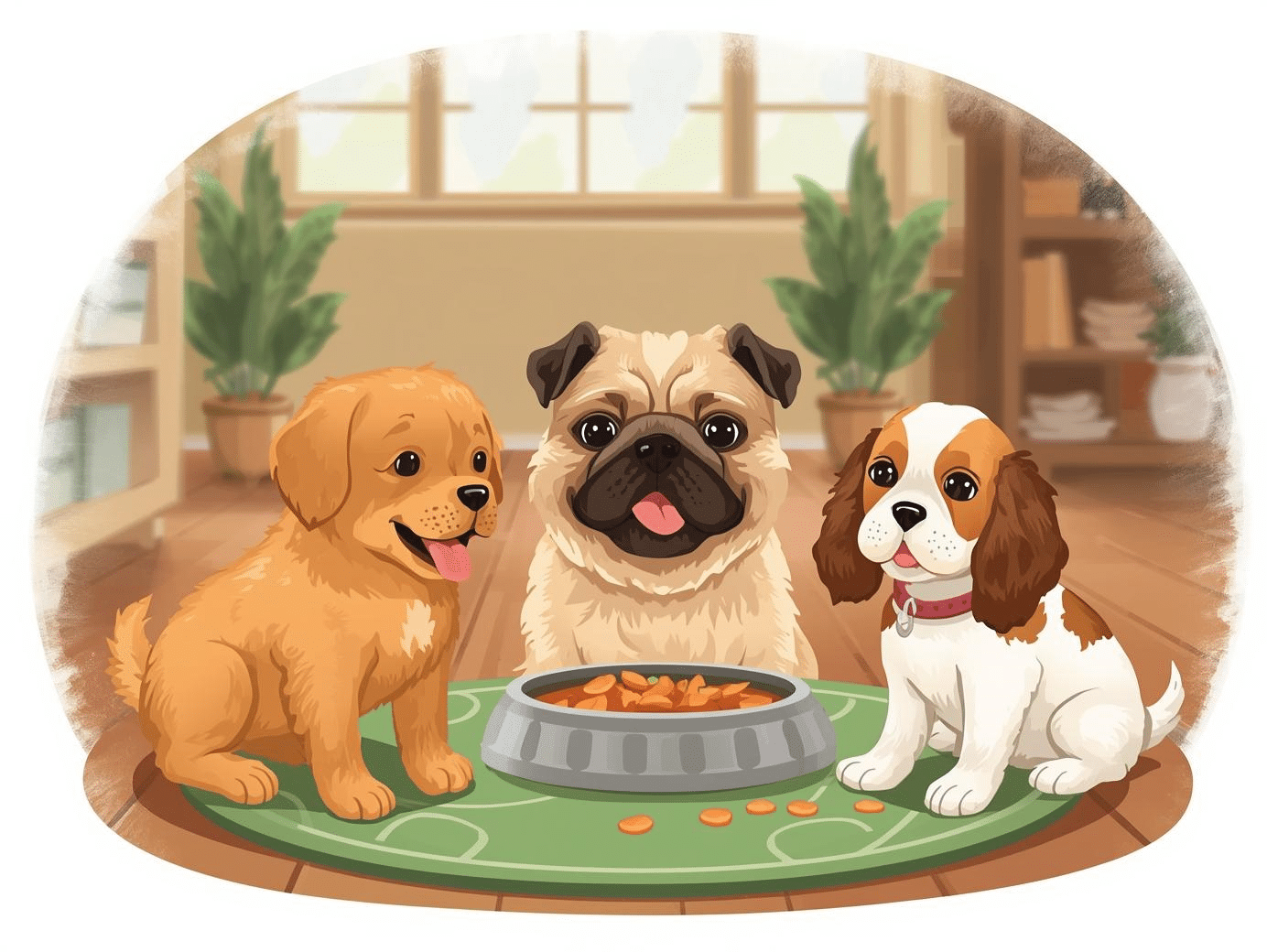
One of the first big changes in a puppy’s life is learning how to eat alone. At birth, puppies drink only their mother’s milk. They cannot eat solid food and depend on her for everything. As they grow, their bodies change, their teeth come in, and their stomachs become stronger.
This is when the weaning process begins. Weaning means slowly moving from milk to solid food. This process does not happen in one day. It takes time, patience, and care.
Most puppies start showing interest in food around three to four weeks old. They may walk toward their mother’s bowl, smell food, or try to lick it. This is a natural sign that they are getting ready for solid food. At first, puppies do not chew. They lick and swallow soft food. That is why early meals must be very soft and easy to eat. As weeks pass, puppies slowly learn to chew and eat on their own.
Eating alone is important for a puppy’s health and independence. It helps them grow strong, learn routines, and prepare for life in a new home. However, every breed develops a little differently. Some puppies are ready faster, while others need more time. Understanding this process helps owners and breeders support puppies in the best way possible.
Puppy Golden Retriever: When This Puppy Learns to Eat Alone
A puppy golden retriever usually starts eating solid food between three and four weeks of age. This breed grows fast and has a strong appetite, so many Golden Retriever puppies show interest in food early. At the beginning, breeders mix puppy food with warm water or puppy milk. The food becomes very soft, almost like soup. Puppies can lick it easily without chewing.
By five weeks old, most Golden Retriever puppies can eat thicker food with less water. They may still drink their mother’s milk sometimes, but solid food becomes more important. At six weeks, many puppies eat solid meals on their own and only nurse a little. By seven to eight weeks, Golden Retriever puppies are usually fully weaned and eating alone without help.
Golden Retriever puppies love food, so owners must be careful not to overfeed them. Too much food at a young age can cause fast weight gain and joint problems later. Feeding should be calm and organized. Each puppy should have its own bowl to avoid fighting or stress. By the time they go to a new home, Golden Retriever puppies should be confident, calm, and comfortable eating alone.
Fluffy French Bulldog: Slow and Gentle Eating Transition
A fluffy french bulldog needs a slower and gentler weaning process. This breed has a small body, sensitive stomach, and a short nose. These features affect how and when the puppy eats alone. Most French Bulldog puppies start trying soft food around four weeks old, sometimes a little later than larger breeds.
The first meals should be very soft and served in shallow bowls. This makes it easier for the puppy to eat and breathe at the same time. Some French Bulldog puppies are picky at first. This is normal. Owners should not rush or force food. Gentle encouragement and patience work best.
Between five and six weeks old, French Bulldog puppies usually eat soft solid food regularly. They may still nurse sometimes, but solid food becomes their main source of nutrition. Full independence usually comes around six to seven weeks. Because of their body shape, meals should be calm and slow. Loud or crowded feeding areas can make them nervous.
By eight weeks old, a healthy fluffy French Bulldog puppy should be eating alone with no problem. Keeping food simple and consistent helps avoid stomach issues. This breed does best with routine and stability from an early age.
Cute Cocker Spaniel Puppy: Learning to Eat with Balance and Routine
A cute cocker spaniel puppy usually begins the weaning process between three and four weeks old. This breed is gentle, curious, and food-loving. Cocker Spaniel puppies often enjoy trying new things, including food, which makes the transition smoother.
Early meals should be soft and easy to digest. Puppies may lick food at first and slowly learn to chew. By five weeks, most Cocker Spaniel puppies eat semi-solid food comfortably. They often enjoy eating and respond well to routine. Feeding at the same times each day helps them feel safe and relaxed.
By six to seven weeks old, most Cocker Spaniel puppies can eat fully on their own. Nursing becomes less important and may stop completely. Because this breed can gain weight easily later in life, it is important to teach good eating habits early. Calm meals, correct portions, and no free-feeding help prevent future problems.
At eight weeks old, a Cocker Spaniel puppy should be fully weaned and ready to continue eating alone in a new home.
General Weaning Timeline for Puppies
Most puppies follow a similar eating timeline. From birth to three weeks, they drink only milk. From three to four weeks, they start tasting soft food. From five to six weeks, solid food becomes more important than milk. From seven to eight weeks, puppies eat alone and no longer need their mother’s milk.
This timeline may change slightly depending on the puppy’s size, health, and environment. Smaller puppies may take more time. Larger puppies may move faster. The key is to watch the puppy’s behavior and adjust slowly. Weaning should never be rushed.
Why Soft Food Is Important at the Start
Puppies do not have strong teeth at first. Their stomachs are also sensitive. Soft food protects their digestion and helps them learn how to eat. Dry food should always be softened in warm water at the beginning. Over time, the food can become thicker.
Sudden food changes can cause diarrhea, vomiting, or refusal to eat. That is why food transitions should take several days. Clean bowls and fresh food are very important during this stage.
Signs That a Puppy Is Ready to Eat Alone
Puppies show clear signs when they are ready. They may chew on toys, watch their mother eat, or walk toward food bowls. They may also become more active and playful. These signs mean their body is ready for solid food.
Confidence matters too. Puppies should feel safe while eating. Loud noise, stress, or rough handling can make them afraid of food. Calm feeding times help puppies enjoy eating and build good habits.
Common Feeding Mistakes to Avoid
One common mistake is starting solid food too early. Another is waiting too long. Both can cause health problems. Overfeeding is also very common, especially with food-loving breeds. Puppies should be active and energetic, not overweight.
Another mistake is changing food too often. Puppies need consistency. Also, removing the mother too early can affect social skills. Even when puppies eat alone, time with their mother is still important.
Feeding Puppies in New Homes
When puppies move to new homes, they may eat less for a few days. This is normal. Owners should keep the same food and feeding schedule at first. Quiet feeding areas help puppies feel comfortable.
Gradual changes can happen after the puppy settles. Watching energy levels, stool quality, and growth helps owners know if the puppy is eating well.
Feeding Puppies in Hot Weather
In hot places like the UAE, puppies may eat less during the day. Feeding early in the morning or in the evening works best. Fresh water must always be available. Slightly wet food can help with hydration.
Food should not be left out for long because heat causes spoilage. Air-conditioned rooms help puppies eat and digest better.
Long-Term Benefits of Proper Weaning
Puppies that learn to eat calmly and correctly grow into healthier adult dogs. Good early nutrition supports strong bones, good digestion, healthy weight, and positive behavior. Feeding habits formed early often last for life.
Learning to eat alone is a big step in a puppy’s life. Each breed follows the same process but at a slightly different pace. With patience, simple food, and calm routines, puppies grow confident and healthy.