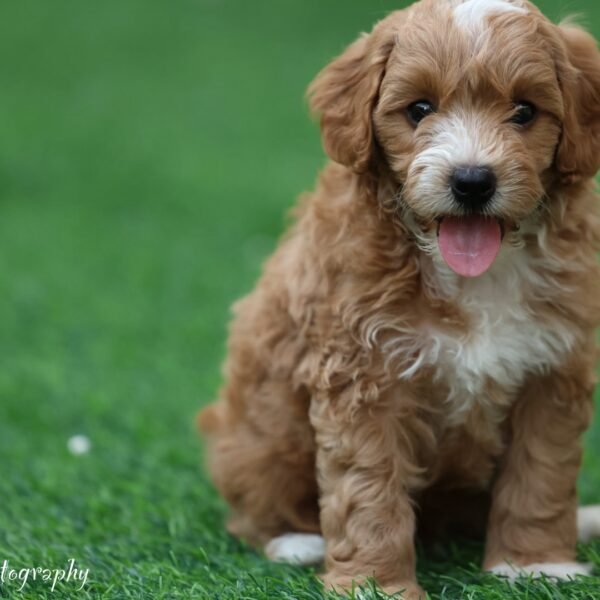
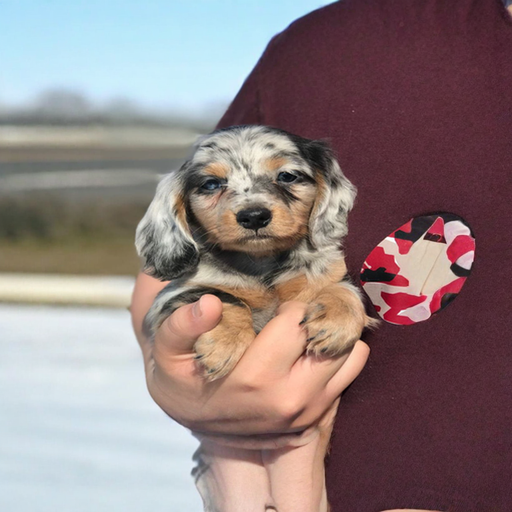
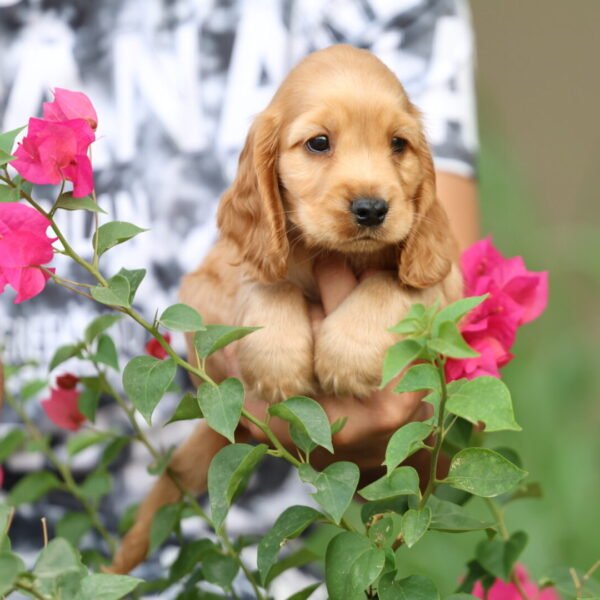
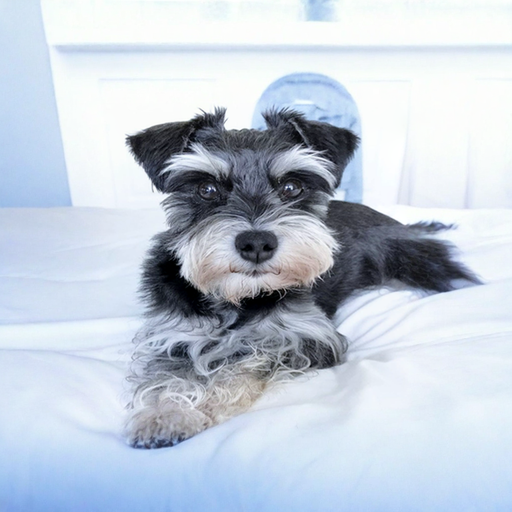
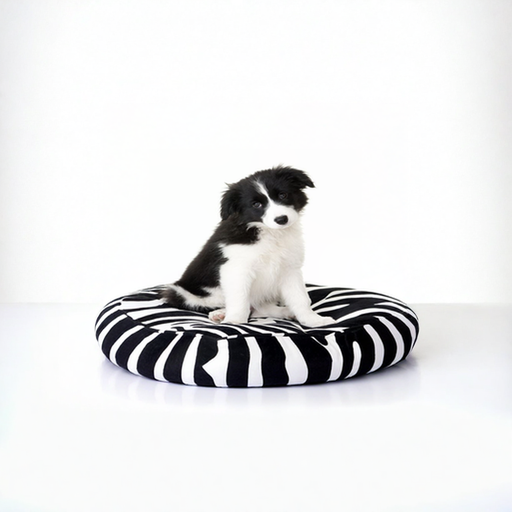
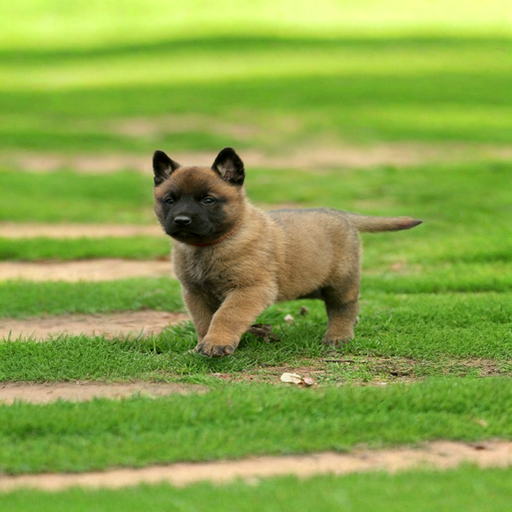
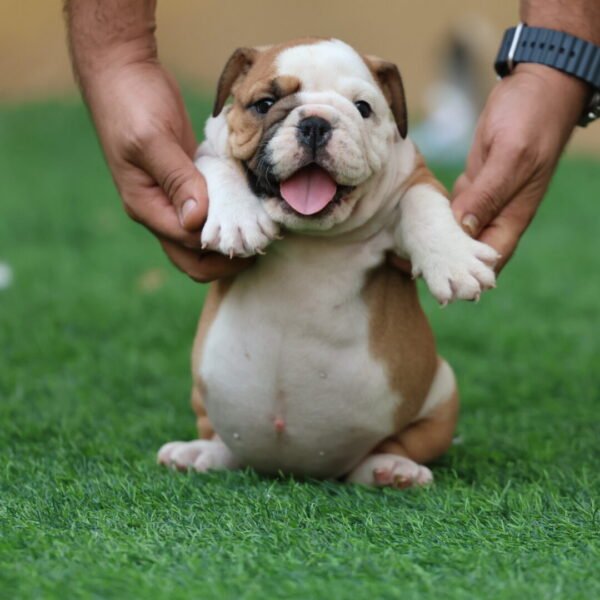
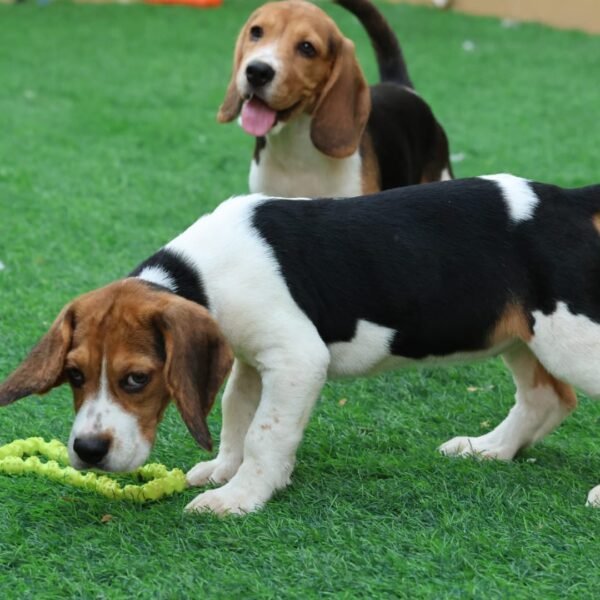
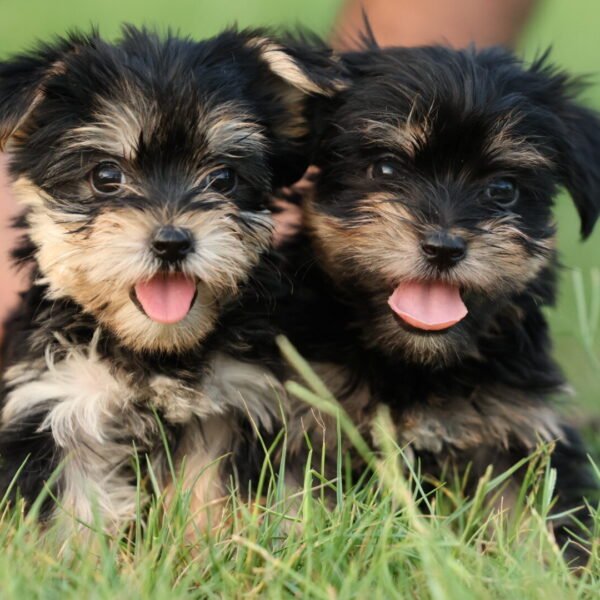
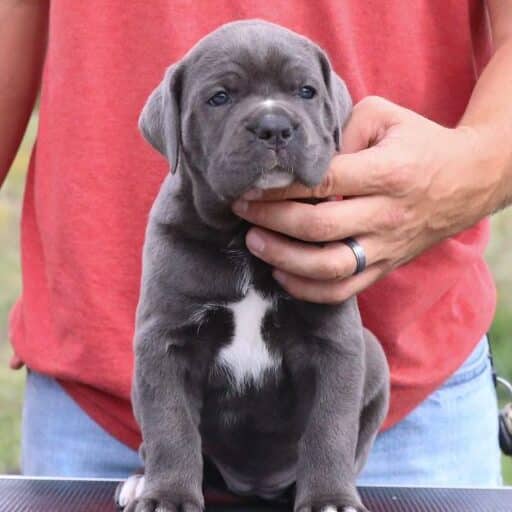
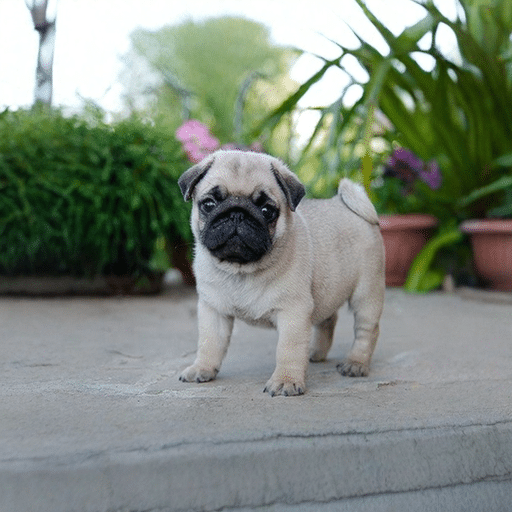
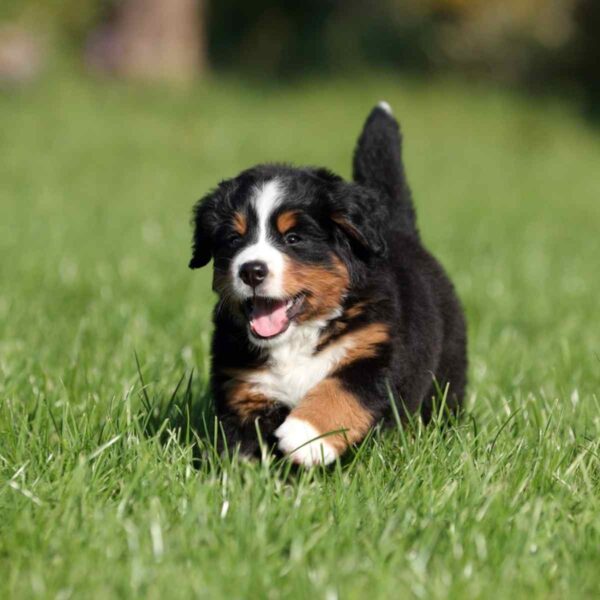
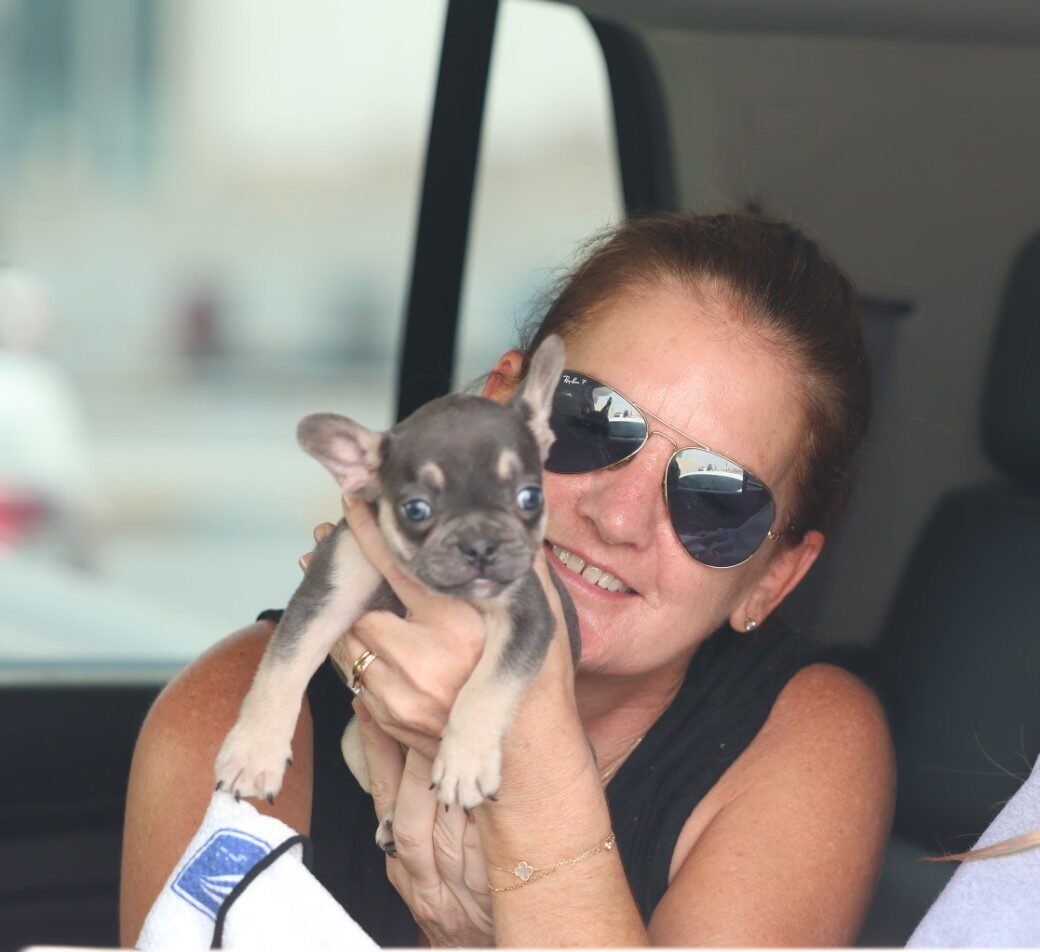
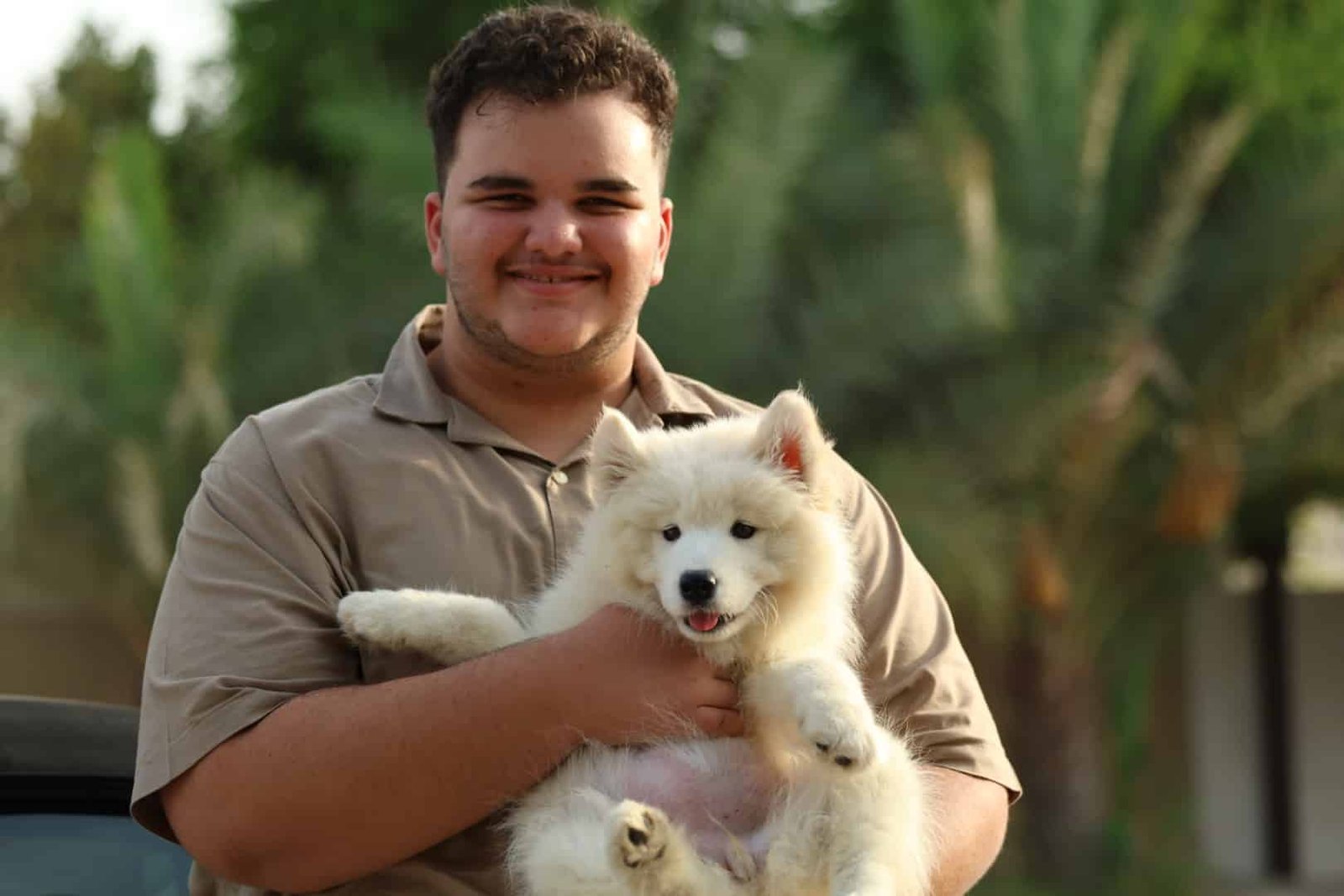
Training a dog is one of the most important parts of raising a happy and well-behaved pet. Whether you have a playful puppy golden retriever, a cute fluffy French bulldog, or a strong chow chow dog, every breed needs proper training to learn good habits and feel safe at home. Dog training is not only about commands, but also about building trust, improving behavior, and creating a loving relationship between you and your pet.
Why Dog Training Is Important ?
Training helps your dog understand what is expected. Dogs do not naturally know human rules, so they need guidance. A trained dog is safer, calmer, and easier to live with.
Training also prevents common problems like biting, barking, jumping, chewing furniture, or pulling on the leash.
Most importantly, training creates communication between you and your dog.
Start Training Early
The best time to train a dog is when they are young, but older dogs can still learn too. Puppies learn faster because they are curious and open to new experiences.
Start with simple rules from the first day:
- Where to sleep?
- Where to go potty?
- How to behave around people?
- What toys are allowed?
Early training helps prevent bad habits from forming.
Use Positive Strengthening
Positive Strengthening is the best and safest way to train any dog. This means rewarding good behavior instead of punishing bad behavior.
Rewards can include:
- Treats
- Praise
- Petting
- Playtime
Dogs learn better when training is fun and encouraging.
Avoid yelling or hitting, as this can create fear and aggression.
Basic Commands Every Dog Should Learn
Every dog should learn a few basic commands for safety and daily life. These include:
Sit, Stay, Come, Down and Leave it
These commands help you control your dog in different situations, especially outdoors.
Practice daily with short sessions of 5 to 10 minutes.
House Training Your Dog
House training is one of the first challenges for new dog owners. Puppies need patience and routine.
Tips for success:
- Take your dog outside after eating, sleeping, or playing
- Reward immediately after pottying outside
- Use a consistent spot
- Clean accidents properly without punishment
Over time, your dog will learn the correct place to go.
Crate Training for Comfort and Safety
Crate training gives your dog a safe space. Dogs naturally like small den-like areas.
A crate helps with:
House training
Preventing chewing when alone
Travel safety
Never use the crate as punishment.
Make it comfortable with a soft bed and toys.
Leash Training Your Dog
Walking calmly on a leash is an important skill. Many dogs pull because they are excited.
Steps to leash training:
Start indoors first
Reward walking beside you
Stop walking when pulling happens
Be consistent and patient
With practice, your dog will learn polite walking.
Socialization: Training Beyond Commands
Training is not only about tricks, but also about behavior around people and animals.
Socialization means introducing your dog to:
New people
Other dogs
Different sounds
Cars and busy places
A socialized dog becomes confident and friendly instead of fearful.
Heading About puppy golden retriever Training Tips
A puppy golden retriever is one of the easiest breeds to train because they are friendly and smart. They love pleasing their owners and enjoy learning.
Golden Retriever puppies respond very well to positive reinforcement and play-based training.
They need early training for jumping and excitement because they are very energetic.
Daily exercise and mental stimulation are important for this breed.
Handling Chewing and Teething
Puppies chew a lot, especially during teething. This is normal, but they need safe options.
Provide:
- Chew toys
- Rubber bones
- Frozen treats
- Redirect chewing away from furniture or shoes.
Never punish chewing, just replace the object with something safe.
Training Your Dog Not to Bark Too Much
Barking is natural, but excessive barking can be a problem.
To reduce barking:
- Identify the cause (boredom, fear, attention)
- Reward quiet behavior
- Provide more exercise
- Avoid shouting, as dogs may think you are barking too
Leash Training Your Dog
Walking calmly on a leash is an important skill. Many dogs pull because they are excited.
Steps to leash training:
- Start indoors first
- Reward walking beside you
- Stop walking when pulling happens
- Be consistent and patient
With practice, your dog will learn polite walking.
Heading About fluffy French bulldog Training Style
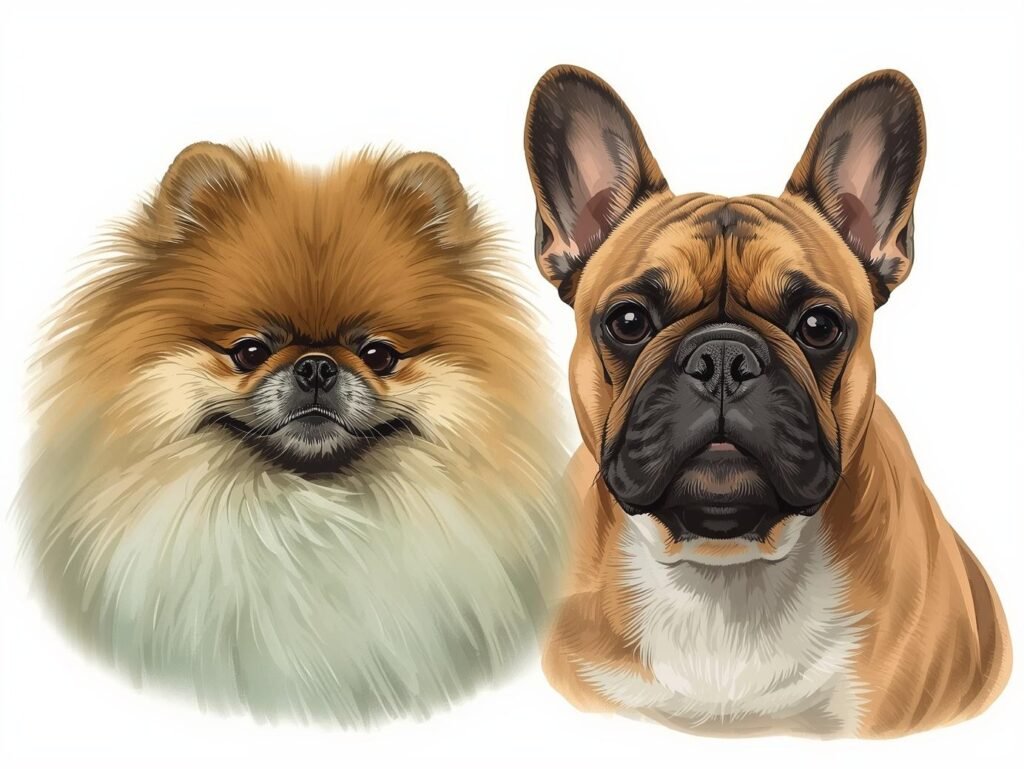
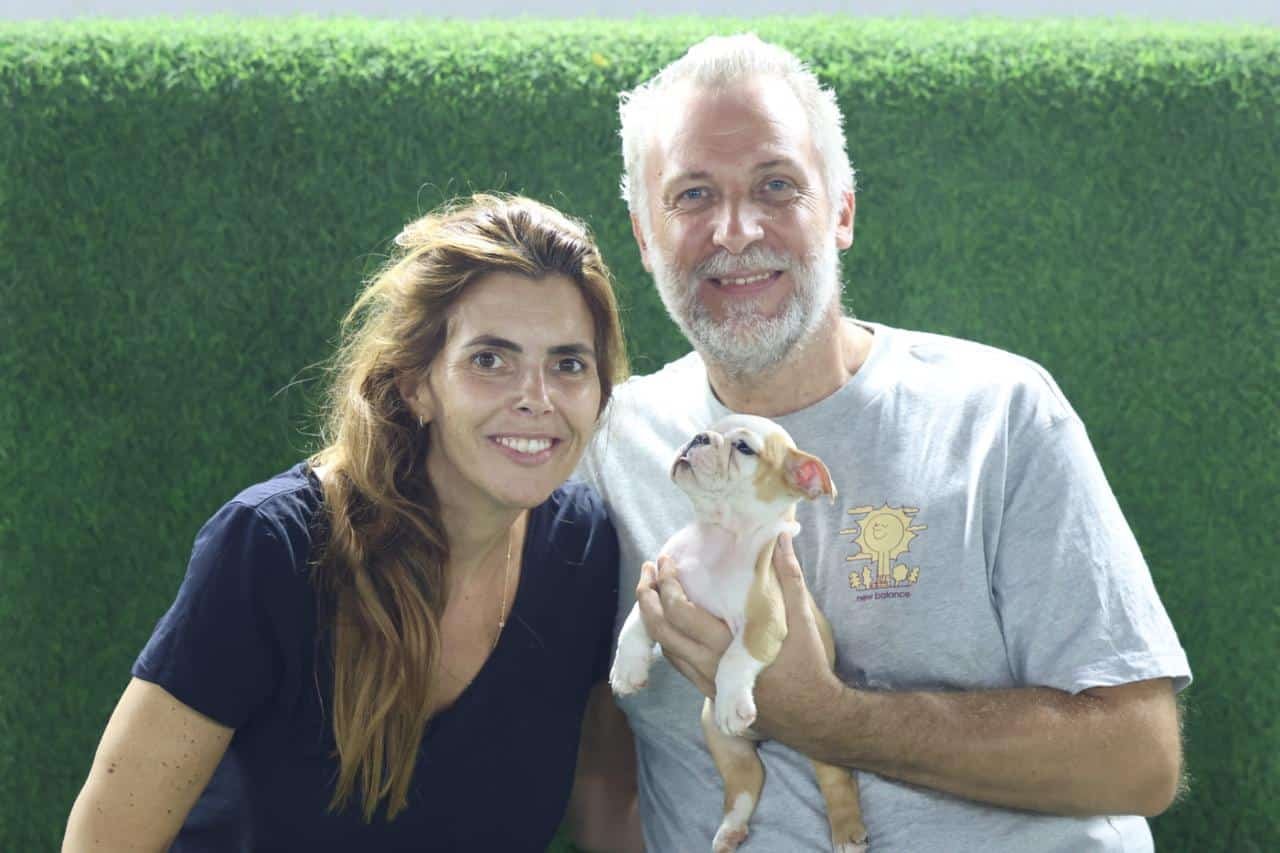
A fluffy French bulldog is playful, loving, and sometimes stubborn. Training should be gentle, fun, and patient.
French Bulldogs respond best to short training sessions because they get tired quickly.
Focus on:
- House training
- Basic obedience
- Social behavior
Because they love attention, rewards and praise work very well.
Keep training calm and avoid over-exercising this breed due to breathing sensitivity.
Teaching Your Dog to Stay Alone
Many dogs struggle with separation anxiety. Training them to stay alone is important.
Start with short periods away
Do not make big emotional goodbyes
Give toys for distraction
Reward calm behavior
Gradually increase the time.
Advanced Training and Mental Games
Once your dog learns basics, you can teach advanced skills such as:
Fetch ,Heel, Roll over and Shake hands
Mental games are great for intelligent breeds and reduce boredom as puzzle toys also help keep your dog busy.
Heading About chow chow puppy Training Challenges
A chow chow dog is loyal and protective, but training may require more patience. Chow Chows are independent and may not always obey quickly.
Early socialization is very important for this breed to prevent aggression or fearfulness.
Training should include:
Firm but gentle leadership, Consistency, reward-based methods and Calm handling
Chow Chows need respect and structure, not harsh discipline.
Common Training Mistakes to Avoid
Many owners make mistakes that slow progress. Avoid:
- Training for too long
- Using punishment
- Being inconsistent
- Skipping socialization
- Expecting instant results
- Training takes time, and every dog learns differently.
How Long Does Dog Training Take?
Training is a lifelong process. Basic obedience may take weeks or months depending on the dog.
The key is daily practice and patience.
Dogs continue learning throughout life, especially when owners stay consistent.
Building a Strong Bond Through Training
Training is not just about rules, it is about building a relationship. Dogs feel happiest when they understand you and feel guided.
Spending time training creates trust and improves communication.
A well-trained dog is more confident, relaxed, and joyful.
Teaching Bite Inhibition
One important topic many owners forget is bite inhibition. Puppies often bite during play, but they must learn that human skin is sensitive.
To teach bite inhibition:
- Stop playing when the puppy bites too hard
- Offer a chew toy instead
- Reward gentle play
- This teaches your dog control and prevents future problems.
Training With Hand Signals
Dogs learn not only from words but also from body language. Hand signals are very useful, especially in noisy areas.
Start by pairing simple hand movements with commands like sit or come.
Over time, your dog will respond even without hearing the word.
This is helpful for older dogs that may lose hearing.
Teaching Your Dog to Drop Objects
The “drop it” command is very important for safety. Dogs may pick up dangerous things outside.
To teach drop it:
- Offer a toy
- Give a treat near their nose
- When they release the toy, say “drop it”
- Reward immediately
Practice often with safe objects.
Preventing Jumping on Guests
Many friendly dogs jump on people to say hello. But this can be unsafe.
To stop jumping:
- Ignore the dog when they jump
- Reward only when all four paws are on the ground
- Ask guests to stay calm
Consistency from everyone is key.
Training Calm Behavior Indoors
Dogs for sale also need to learn how to relax, not just how to play.
Teach calmness by rewarding quiet moments.
Give your dog a “place” command where they go to a bed or mat and stay there calmly.
This is very useful for busy homes.
Using Daily Routine as Training
Everyday life is full of training opportunities.
For example:
- Ask your dog to sit before eating
- Ask for calm behavior before opening the door
- Reward quietness when visitors arrive
- Small daily habits create big results.
Training Recall for Safety
Recall means coming when called. This is one of the most important life-saving commands.
To build strong recall:
- Always reward when your dog comes
- Never punish after calling them
- Practice in safe fenced areas first
- Make coming to you a positive experience.
Dealing With Stubborn Dogs
Some dogs learn slower or test boundaries. The key is patience and consistency.
Instead of repeating commands many times, guide the dog gently and reward success.
Training should feel like teamwork, not a fight.
When to Hire a Professional Trainer
Sometimes owners need extra help, especially with aggression, fear, or serious behavior issues.
A professional trainer can guide you safely.
Choose trainers who use positive methods, not harsh punishment.
Training support can make a huge difference.
Frequently Asked Questions:
1. What is the best age to start training a dog?
The best time to start training is as early as possible. Most puppies can begin learning simple commands at 8 weeks old. Early training helps prevent bad habits and builds confidence.
2. Can older dogs still be trained?
Yes, older dogs can still learn. Training may take more time, but with patience and positive rewards, adult dogs can improve their behavior and learn new commands.
3. How long should daily training sessions be?
Training sessions should be short and fun. For puppies, 5 to 10 minutes is enough. Adult dogs can train for 10 to 15 minutes. Several short sessions are better than one long session.
4. What is the easiest command to teach first?
The easiest command is usually “sit.” It is simple, useful, and helps your dog learn focus before moving on to harder commands.
5. Why does my puppy not listen to me?
Puppies get distracted easily. They may be tired, hungry, excited, or confused. Make sure training is calm, consistent, and rewarding. Always practice in a quiet place first.
6. Should I punish my dog for bad behavior?
No, punishment is not recommended. Yelling or hitting can cause fear and aggression. Positive reinforcement works better by rewarding good behavior instead of focusing on mistakes.
7. How do I stop my dog from biting during play?
Puppy biting is normal, but you must teach bite control. Stop playing when the bite is too hard, give a chew toy instead, and reward gentle play.
8. How long does potty training take?
Potty training can take a few weeks to several months. Puppies need routine, frequent outdoor trips, and praise when they go in the right place.
9. Why is my dog barking too much?
Dogs bark because of boredom, fear, attention-seeking, or excitement. Give enough exercise, train calm behavior, and reward quiet moments.
10. How do I train my dog to come when called?
Use the “come” command with treats and praise. Always make coming to you a happy experience. Never punish your dog after they return.
11. Is socialization part of dog training?
Yes. Socialization teaches your dog how to behave around people, dogs, sounds, and new places. It helps prevent fear and aggression later.
12. What should I do if my dog is stubborn?
Some breeds are more independent. Stay calm, be consistent, and use rewards. Training may take longer, but every dog can learn with patience.
13. Can I train my dog without treats?
Yes, but treats help dogs learn faster. Later, you can replace treats with praise, toys, or affection. Rewards should always be positive.
14. When should I hire a professional dog trainer?
If your dog shows aggression, extreme fear, or serious behavior problems, a professional trainer can help. Choose one who uses gentle and positive methods.
15. What is the most important rule in dog training?
Consistency is the most important rule. Train every day, use the same commands, reward good behavior, and be patient. Dogs learn best with clear routines.
Training Creates a Happy Dog and Owner
Learning how to train your dog is one of the best investments you can make as a pet owner. Whether you are raising a puppy golden retriever, enjoying a fluffy French bulldog, or handling the unique personality of a chow chow dog, the right training methods will lead to success.
With positive reinforcement, patience, and consistency, any dog can learn good behavior and become a wonderful companion for life.