
Showing the single result
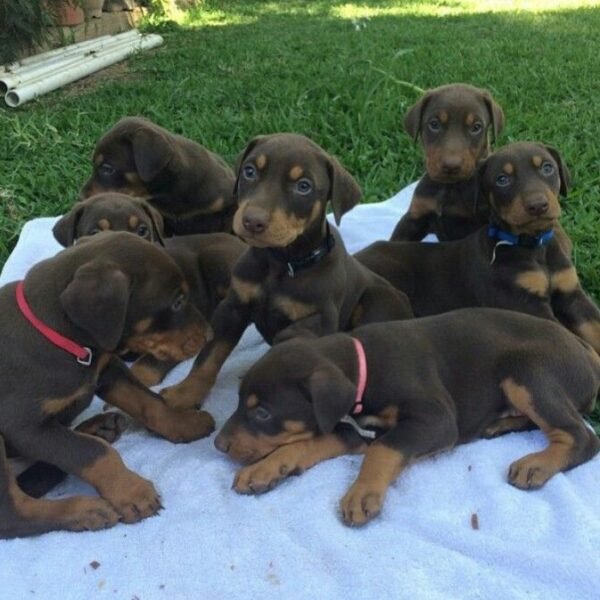
Doberman Puppy for Sale in UAE – 9 Weeks Old
Original price was: 8,500 د.إ.7,500 د.إCurrent price is: 7,500 د.إ.What should you know before choosing a Doberman Pinscher? If you are researching a Doberman Pinscher, searching for Doberman puppies, or comparing Doberman puppies for sale, it is important to understand this intelligent and loyal breed before making your decision. Dobermans are known for their athletic build, strong protective instincts, remarkable intelligence, and deep loyalty to their families. With proper training, socialization, and responsible care, they can become loving family companions as well as confident working dogs.
Doberman Pinscher: Why Is This Breed So Popular?
The Doberman Pinscher is one of the most admired dog breeds worldwide, known for its unique combination of intelligence, athletic ability, loyalty, and elegance. This impressive breed has earned a strong reputation as both a working dog and a devoted family companion.
The Doberman is popular because of its:
- Athletic and muscular build
- High intelligence
- Strong loyalty toward its owners
- Natural protective instincts
- Excellent trainability
- Elegant appearance
- Confidence and alert personality
Although many people associate Dobermans with protection and security work, they are also affectionate dogs that enjoy forming close bonds with their families.
History of the Doberman Pinscher
The history of the Doberman Pinscher began in Germany during the late 19th century. The breed was developed by Karl Friedrich Louis Dobermann, a tax collector who wanted a reliable companion that could protect him while he traveled for work.
He aimed to create a dog with a combination of:
- Loyalty
- Intelligence
- Courage
- Alertness
- Protective ability
Through careful selective breeding, Dobermann developed a versatile working dog that quickly became recognized for its bravery, reliability, and strong bond with humans.
Today, the Doberman Pinscher is considered one of the world’s most respected working and companion breeds.
Where Did the Doberman Pinscher Come From?
The Doberman Pinscher originated in Germany, where it was developed as a multi-purpose working dog. Although the exact breeds used to create the Doberman are not fully documented, experts believe that several breeds contributed to its modern characteristics.
These influences helped shape the Doberman’s:
- Strength
- Intelligence
- Speed
- Loyalty
- Obedience
- Protective instincts
Over time, the breed gained worldwide recognition and became valued not only as a protection dog but also as a loving family companion.
Doberman Puppies: Early Development
Doberman puppies are naturally energetic, curious, and eager to explore their surroundings. The early stages of development are extremely important because they help shape the puppy’s future temperament, confidence, and behavior.
During the first weeks of life, puppies depend completely on their mother for:
- Nutrition
- Warmth and comfort
- Protection
- Early social development
Responsible breeding practices, proper nutrition, veterinary care, and early social experiences all contribute to raising a healthy and well-balanced adult Doberman.
Doberman Pinscher Quick Facts
| Feature | Information |
|---|---|
| Breed Group | Working Dog |
| Origin | Germany |
| Size | Large |
| Height | 61–72 cm |
| Weight | 27–45 kg |
| Life Expectancy | 10–13 years |
| Energy Level | High |
| Shedding | Moderate |
| Family Friendly | Yes, with proper training |
| Apartment Friendly | Possible with sufficient exercise |
Doberman Pinscher Physical Appearance
The Doberman Pinscher has one of the most athletic and elegant appearances among dog breeds.
Distinctive features include:
- Muscular body
- Deep chest
- Long legs
- Sleek short coat
- Strong neck
- Alert expression
- Powerful movement
Its balanced body allows for speed, endurance, and agility.
Doberman Pinscher Size and Weight
Families considering a Doberman Pinscher should understand that this is a large and powerful breed.
Typical adult measurements include:
| Feature | Average Size |
|---|---|
| Height | 61–72 cm |
| Weight | 27–45 kg |
Males are generally larger and heavier than females.
Doberman Pinscher Coat Colors
The Doberman Pinscher has a short, smooth coat that is easy to maintain.
Recognized coat colors include:
- Black and rust
- Red and rust
- Blue and rust
- Fawn (Isabella) and rust
Each color displays the breed’s characteristic rust-colored markings.
Doberman Pinscher Personality
The Doberman Pinscher is known for being intelligent, confident, and loyal.
Common personality traits include:
- Alert
- Fearless
- Affectionate
- Protective
- Obedient
- Energetic
- Highly trainable
With proper socialization, Dobermans are gentle and loving with their families.
Doberman Puppies for Sale: Are Dobermans Good Family Dogs?
Many families searching for Doberman puppies for sale wonder if this breed is suitable for home life.
The answer is yes—when properly trained and socialized. Dobermans often become:
- Loyal family companions
- Gentle with children
- Protective without unnecessary aggression
- Deeply attached to their owners
Early training is essential to help them develop into confident and well-mannered adults.
Doberman Puppies and Children
Well-socialized Doberman puppies can develop excellent relationships with children.
They are typically:
- Playful
- Loyal
- Gentle
- Protective
Children should always learn how to interact respectfully with any dog, and adult supervision is recommended during play.
Doberman Pinscher and Other Pets
A Doberman Pinscher can live successfully with:
- Other dogs
- Cats
- Household pets
Early introductions and positive socialization are key to encouraging peaceful relationships.
Doberman Pinscher Intelligence
The Doberman Pinscher is considered one of the most intelligent dog breeds in the world.
They quickly learn:
- Household routines
- New commands
- Problem-solving tasks
- Advanced obedience exercises
Their intelligence makes them excellent candidates for many types of training.
Doberman Puppies: Is Training Easy?
Training Doberman puppies is usually enjoyable because they are eager to learn and respond well to positive reinforcement.
Successful training includes:
- Praise
- Healthy treats
- Consistency
- Short training sessions
- Patience
Early obedience training helps build confidence and strengthens the bond between puppy and owner.
Doberman Pinscher: Is This Breed Good for Apartment Living?
Although a Doberman Pinscher can adapt to apartment living, it requires significantly more exercise than many companion breeds.
Daily needs include:
- Long walks
- Active play
- Mental stimulation
- Training sessions
Without sufficient activity, boredom may lead to unwanted behaviors.
Does the Doberman Pinscher Bark Frequently?
The Doberman Pinscher is generally not an excessive barker.
Most Dobermans bark when:
- Someone approaches the home
- They detect unusual activity
- They feel protective
- They need attention
Their alertness makes them effective watchdogs.
Doberman Pinscher: Is It a Good Guard Dog?
Yes. The Doberman Pinscher is considered one of the world’s most respected protection breeds.
Its combination of:
- Intelligence
- Courage
- Loyalty
- Trainability
- Confidence
has made it a trusted working dog in military, police, and security roles around the world.
Doberman Pinscher: Is This the Right Breed for You?
A Doberman Pinscher may be an excellent choice if you are looking for:
- A loyal companion
- An intelligent working dog
- A highly trainable breed
- An active lifestyle partner
- A protective family dog
However, this breed requires consistent training, early socialization, regular exercise, and plenty of interaction with its family.
Doberman Puppies: Understanding Early Development
Doberman puppies grow quickly during their first year of life. Every stage of development plays an important role in shaping their personality, confidence, and physical health.
A well-raised puppy should receive:
- Proper nutrition
- Veterinary care
- Early socialization
- Positive experiences
- Safe surroundings
- Gentle handling
These early experiences help create a confident and well-behaved adult Doberman Pinscher.
Doberman Puppy Development Stages
| Age | Development Milestones | What Owners Should Know |
|---|---|---|
| Birth to 2 Weeks | Puppies spend most of their time sleeping and nursing. Their eyes remain closed, they cannot regulate their body temperature, and they rely completely on their mother and littermates for warmth, nutrition, and protection. | Healthy Doberman puppies should gain weight steadily during this stage. Proper maternal care is essential for healthy early development. |
| 3 to 4 Weeks | The puppies begin to fully open their eyes, hear sounds clearly, walk with better balance, explore their surroundings, and play with their siblings in the same womb. | These early interactions help build confidence, improve communication, and support healthy social development. |
| 5 to 8 Weeks | Doberman puppies become much more active and begin developing confidence, social behavior, bite inhibition, curiosity, and independence through play and daily experiences. | Responsible breeders provide gentle handling and expose puppies to different sounds, people, and safe environments, helping them transition successfully into family life. |
Doberman Puppies for Sale: When Can Puppies Leave Their Mother?
Families looking for Doberman puppies for sale should know that puppies should remain with their mother until they are at least 8 weeks old.
During this time they continue learning:
- Bite control
- Dog communication
- Confidence
- Appropriate play behavior
Leaving too early may affect both physical and emotional development.
Doberman Puppies for Sale: How to Choose a Healthy Puppy
Before selecting from Doberman puppies for sale, carefully evaluate each puppy.
Healthy puppies typically have:
- Bright eyes
- Clean ears
- Smooth coat
- Healthy skin
- Good appetite
- Strong movement
- Curious and confident behavior
Always ask about veterinary examinations and vaccination records.
Doberman Pinscher Personality During Puppyhood
A young Doberman Pinscher is naturally intelligent, energetic, and eager to learn.
Common personality traits include:
- Curious
- Playful
- Loyal
- Alert
- Confident
- Affectionate
Consistent guidance during puppyhood helps these qualities develop in a positive way.
Doberman Pinscher and Children
A properly trained Doberman Pinscher can become an excellent companion for children.
Dobermans are often:
- Protective
- Gentle
- Patient
- Loyal
Children should always learn how to interact respectfully with dogs, and adults should supervise play sessions.
Doberman Puppies for Sale: Living with Other Dogs
Many people searching for Doberman puppies for sale already have other pets.
With early socialization, Dobermans usually live peacefully with:
- Other dogs
- Cats
- Household pets
Introducing puppies gradually helps build positive relationships.
Doberman Pinscher Intelligence and Learning Ability
The Doberman Pinscher is consistently ranked among the world’s smartest dog breeds.
They learn quickly because they enjoy:
- Solving problems
- Working with people
- Learning routines
- Receiving positive rewards
Their intelligence makes advanced training easier than for many breeds.
Doberman Puppies: Basic Training
Training Doberman puppies should begin as soon as they arrive home.
Early lessons build confidence while preventing unwanted habits.
Training should focus on:
- Positive reinforcement
- Patience
- Consistency
- Short sessions
- Daily practice
Avoid punishment-based training methods.
Doberman Puppies: Essential Commands
Every owner should teach Doberman puppies several basic commands.
Start with:
- Sit
- Stay
- Come
- Down
- Leave it
- Wait
- Heel
Mastering these commands improves both safety and communication.
Doberman Pinscher: Why Early Socialization Matters
A Doberman Pinscher benefits greatly from positive socialization during puppyhood.
Introduce your puppy to:
- Different people
- Friendly dogs
- Household noises
- Car rides
- Veterinary clinics
- Grooming sessions
- New environments
Positive experiences help prevent fear and encourage confidence.
Doberman Pinscher Exercise Requirements
The Doberman Pinscher is an active breed that requires regular physical activity.
Healthy adults usually enjoy:
- Long daily walks
- Running
- Hiking
- Fetch
- Agility exercises
- Structured play sessions
Regular exercise supports both physical and mental health.
Doberman Puppies: Mental Stimulation
Mental exercise is just as important as physical activity for Doberman puppies.
Excellent enrichment activities include:
- Puzzle toys
- Food-dispensing toys
- Obedience training
- Scent games
- Hide-and-seek
- Learning new tricks
Keeping a Doberman mentally engaged helps reduce boredom.
Doberman Pinscher: Can It Live in an Apartment?
A Doberman Pinscher can adapt to apartment living if its exercise needs are fully met.
Owners should provide:
- Multiple daily walks
- Mental challenges
- Outdoor activities
- Quality time with family
Without enough activity, Dobermans may become restless.
Doberman Puppies: Can They Be Left Alone?
Doberman puppies form strong emotional bonds with their owners.
Being left alone for long periods may lead to:
- Separation anxiety
- Destructive chewing
- Excessive barking
- Stress
Young puppies should spend as much quality time with their family as possible.
Doberman Puppies for Sale: Preparing Your Home
Before bringing home one of the Doberman puppies for sale, prepare your house carefully.
Essential supplies include:
- Comfortable bed
- Food and water bowls
- High-quality puppy food
- Collar and leash
- Interactive toys
- Grooming tools
- Crate
- Training treats
You should also:
- Secure electrical cords.
- Remove dangerous objects.
- Store cleaning products safely.
- Create a quiet sleeping area.
Preparation helps your puppy adjust more comfortably.
Doberman Pinscher in Dubai and the UAE
Families considering a Doberman Pinscher in Dubai or elsewhere in the UAE should understand that this breed is active but can be sensitive to extreme heat.
Helpful recommendations include:
- Walk early in the morning.
- Exercise after sunset.
- Keep fresh water available.
- Provide shaded rest areas.
- Avoid hot pavement during summer.
- Monitor for signs of overheating.
With proper care and climate management, Dobermans can adapt well to life throughout the UAE.
Doberman Pinscher: Understanding the Long-Term Cost of Ownership
Choosing a Doberman Pinscher is a long-term commitment that goes beyond the initial purchase price. While many families focus on finding the right puppy, it is equally important to prepare for the ongoing costs of responsible ownership.
Long-term expenses may include:
- Premium dog food
- Routine veterinary visits
- Vaccinations
- Flea and tick prevention
- Training classes
- Grooming supplies
- Interactive toys
- Pet insurance (optional)
- Emergency medical care
Planning helps ensure your Doberman receives excellent care throughout its life.
Doberman Pinscher Feeding Guide
| Nutrition Topic | Recommendations | Why It Matters |
|---|---|---|
| Choosing the Best Food for Doberman Puppies | Feed a premium puppy food that contains high-quality animal protein, healthy fats, DHA for brain development, calcium, phosphorus, vitamins, and essential minerals. Always provide fresh, clean drinking water. | Proper nutrition supports healthy bone and muscle development, brain function, a strong immune system, and steady growth throughout puppyhood. |
| Doberman Puppies for Sale: Feeding Your New Puppy | Continue feeding the breeder’s recommended food for the first several days after bringing your puppy home. If changing food, transition gradually over 7–10 days by mixing the old and new food while monitoring digestion. | A gradual transition helps prevent digestive upset and allows your puppy to adjust comfortably to its new diet. |
| Portion Control | Measure meals according to your dog’s age, weight, activity level, body condition, and overall health status. Avoid overfeeding and monitor body condition regularly. | Proper portion control helps maintain a healthy weight while reducing stress on the joints and cardiovascular system. |
| Healthy Treats | Offer treats in moderation. Healthy choices include small training treats, cooked chicken, carrot slices, apple pieces (without seeds), blueberries, and dog-safe dental chews. | Supports positive training while maintaining a balanced diet and healthy body weight. |
| Foods to Avoid | Never feed chocolate, grapes, raisins, onions, garlic, xylitol, alcohol, coffee, tea, macadamia nuts, or cooked bones. | These foods can be toxic and may cause serious health problems. Contact your veterinarian immediately if accidental ingestion occurs. |
Doberman Pinscher Feeding Schedule
| Age | Recommended Meals Per Day |
|---|---|
| 8–12 Weeks | 4 meals |
| 3–6 Months | 3 meals |
| 6–12 Months | 2–3 meals |
| Adult | 2 meals |
| Senior | 2 meals or as recommended by a veterinarian |
Doberman Pinscher Grooming Guide
The Doberman Pinscher has a short, smooth coat that is relatively easy to maintain.
Routine grooming helps:
- Remove loose hair
- Keep the coat shiny
- Support healthy skin
- Detect health problems early
- Strengthen the bond between dog and owner
Doberman Grooming and Health Care Checklist
| Care Area | Recommended Care | Why It Matters |
|---|---|---|
| Brushing the Coat | Brush the coat once or twice each week to remove loose hair, distribute natural skin oils, reduce shedding, and maintain a healthy, glossy coat. | Regular brushing keeps the short coat clean, supports healthy skin, and minimizes loose hair around the home. |
| Bathing | Bathe your Doberman every 6–8 weeks or when necessary. Use lukewarm water, a dog-specific shampoo, rinse thoroughly, and dry the coat completely. Never use human shampoo. | Proper bathing removes dirt while protecting the skin from irritation and maintaining a healthy coat. |
| Ear Care | Inspect the ears weekly for redness, swelling, excessive wax, or unpleasant odor. Keep the ears clean using veterinarian-approved products. | Regular ear care helps reduce the risk of infections and supports long-term ear health. |
| Eye Care | Check the eyes regularly to ensure they remain bright, clear, and comfortable. Watch for redness, excessive tearing, swelling, eye discharge, or squinting. | Early detection and treatment of eye problems help protect vision and maintain overall eye health. |
| Dental Care | Brush the teeth regularly, ideally every day or at least several times each week, using toothpaste formulated specifically for dogs. | Helps reduce plaque, tartar, gum disease, and bad breath while promoting lifelong oral health. |
| Nail Care | Check the nails every few weeks and trim them before they become too long. | Proper nail length prevents pain, supports healthy posture, improves comfort during exercise, and maintains good mobility. |
| Paw Care | Inspect the paws regularly for dry skin, cracks, small cuts, or burns from hot pavement, especially in the hot climate of Dubai and the UAE. | Routine paw care helps prevent injuries, reduces discomfort, and protects the paw pads from hot surfaces. |
Doberman Pinscher Grooming Schedule
| Grooming Task | Recommended Frequency |
|---|---|
| Brushing | 1–2 times weekly |
| Bathing | Every 6–8 weeks |
| Ear Check | Weekly |
| Nail Trimming | Every 3–4 weeks |
| Teeth Brushing | Daily or several times weekly |
| Paw Inspection | After walks |
Doberman Puppies Daily Routine
A structured schedule helps Doberman puppies develop confidence and good habits.
| Time | Activity |
|---|---|
| Morning | Walk, breakfast, fresh water |
| Mid-Morning | Rest and quiet time |
| Afternoon | Training session and play |
| Evening | Exercise, dinner, family interaction |
| Night | Final bathroom break and sleep |
Consistency supports emotional well-being and successful training.
Doberman Pinscher: Weight Management
Maintaining a healthy weight is essential for every Doberman Pinscher.
Healthy weight management includes:
- Measuring food portions
- Regular exercise
- Limiting treats
- Monitoring body condition
- Routine veterinary checkups
A healthy weight supports joint health, heart function, and overall mobility.
Doberman Puppies: Common Grooming Mistakes
New owners of Doberman puppies should avoid these common mistakes:
- Bathing too often
- Using human shampoo
- Ignoring dental care
- Skipping nail trimming
- Forgetting ear inspections
- Neglecting paw care
A simple, consistent grooming routine helps prevent many avoidable problems.
Doberman Pinscher: Preventive Healthcare
Preventive care is one of the most important responsibilities of owning a Doberman Pinscher.
Routine veterinary visits help monitor:
- Growth
- Weight
- Heart health
- Skin condition
- Teeth
- Eyes
- Ears
- Overall wellness
Early detection allows many health conditions to be managed more effectively
You can also learn about healthcare for Dalmatian for sale puppies
Find Your Doberman Pinscher at Puppies Hub
Choosing the right Doberman Pinscher begins with selecting a trusted breeder or pet store that prioritizes health, responsible breeding, and proper puppy care. A well-raised Doberman has a better chance of growing into a confident, healthy, and loyal companion.
At Puppies Hub, we are dedicated to helping families across the UAE find healthy and well-socialized Doberman puppies that are ready to become lifelong companions.
Doberman Puppies for Sale at Puppies Hub
If you are searching for Doberman puppies for sale, Puppies Hub offers puppies that receive professional care from an early age.
Every puppy benefits from:
- Complete veterinary examinations
- Age-appropriate vaccinations
- High-quality nutrition
- Early socialization
- Daily health monitoring
Our goal is to give every puppy the healthiest possible start before joining its forever family.
Doberman Pinscher Puppies Raised with Care
Every Doberman Pinscher at Puppies Hub is raised in a clean, safe, and caring environment.
We focus on:
- Responsible breeding practices
- Healthy bloodlines
- Proper puppy development
- Friendly temperaments
- Veterinary supervision
- Ethical animal care
These standards help produce confident and well-adjusted puppies.
Doberman Puppies: Support Before and After Adoption
Bringing home Doberman puppies is an exciting experience, and our support continues after adoption.
Our team guides you on:
- Feeding schedules
- Training advice
- Grooming routines
- Vaccination reminders
- Exercise recommendations
- General puppy care
We are always happy to answer your questions and help you raise a healthy companion.
Puppies for Sale Dubai
At Puppies Hub, we are more than just a pet shop near you—we’re your trusted destination for puppies for sale Dubai. We offer healthy, vaccinated, and ethically bred puppies delivered across the UAE, including Dubai, Sharjah, and Abu Dhabi. Our team ensures top-quality care, fast delivery, and 24/7 customer support through WhatsApp and phone.
You can find English bulldog puppy and dachshund for sale Dubai from Puppies Hub store
Doberman Pinscher: Common Health Problems
Like many purebred dogs, the Doberman Pinscher may be more likely to develop certain inherited or age-related health conditions.
Responsible breeding, regular veterinary care, and a healthy lifestyle can help reduce many risks.
Common Health Problems in Doberman Pinschers
| Health Condition | Description | Common Signs | Prevention & Management |
|---|---|---|---|
| Dilated Cardiomyopathy (DCM) | A serious heart disease that weakens the heart muscle and is one of the most important health concerns in Doberman Pinschers. | Weakness, reduced exercise tolerance, fainting, difficulty breathing, and fatigue. | Schedule routine veterinary examinations and heart screenings to help detect the condition early and improve long-term management. |
| Hip Dysplasia | A developmental orthopedic condition in which the hip joint does not form properly, affecting mobility later in life. | Limping, difficulty standing, stiffness, and reduced activity. | Maintain a healthy body weight, avoid excessive exercise during growth, and follow your veterinarian’s recommendations for joint care. |
| Von Willebrand Disease | An inherited bleeding disorder that affects the blood’s ability to clot properly. | Excessive bleeding after injury, nosebleeds, bleeding gums, and slow clotting. | Responsible breeders perform genetic health testing to reduce the risk of passing on the condition. Veterinary care is important for affected dogs. |
| Wobbler Syndrome | A condition affecting the neck and spinal cord that can interfere with normal movement and coordination. | Unsteady walking, weakness in the legs, neck pain, and difficulty rising. | Seek early veterinary evaluation if symptoms appear. Prompt diagnosis and treatment may improve quality of life. |
| Hypothyroidism | A hormonal disorder caused by reduced thyroid hormone production, which can affect metabolism and overall health. | Weight gain, low energy, hair thinning, dry skin, and cold intolerance. | Veterinary testing can confirm the diagnosis, and most dogs respond well to lifelong medication and regular monitoring. |
| Bloat (Gastric Dilatation-Volvulus) | A life-threatening emergency in which the stomach fills with gas and may twist. Deep-chested breeds such as Doberman Pinschers have an increased risk. | Swollen abdomen, restlessness, drooling, unsuccessful attempts to vomit, and signs of pain. | Seek immediate veterinary care if bloat is suspected. Feeding management and avoiding vigorous exercise immediately before or after meals may help reduce the risk. |
| Obesity | Doberman Pinschers can become overweight if they consume too many calories or do not receive enough exercise. | Weight gain, reduced mobility, lower stamina, and decreased activity levels. | Feed balanced meals, monitor portion sizes, provide regular exercise, and maintain a healthy body weight to reduce the risk of joint problems, heart strain, and reduced mobility. |