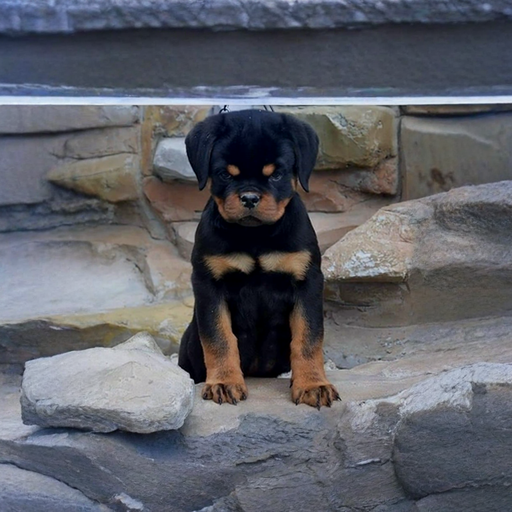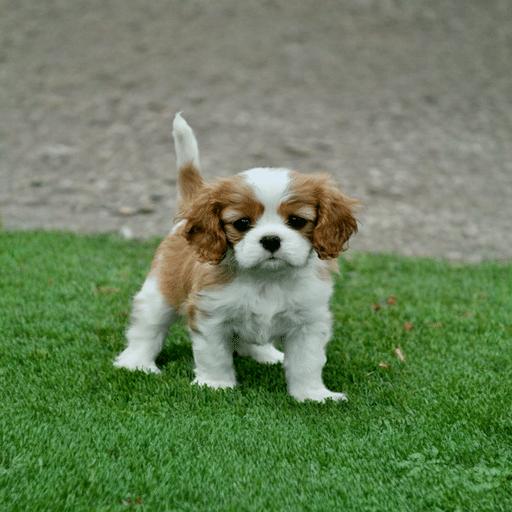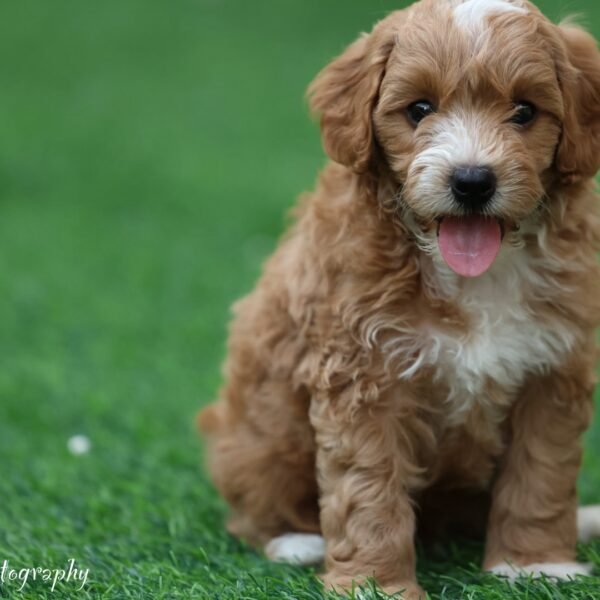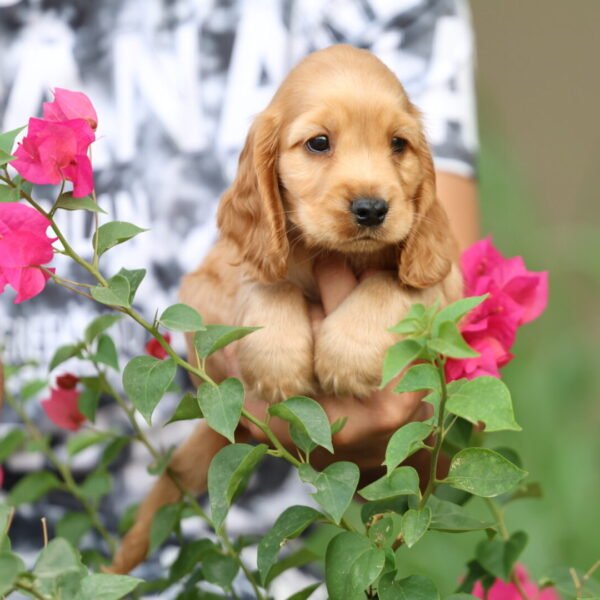

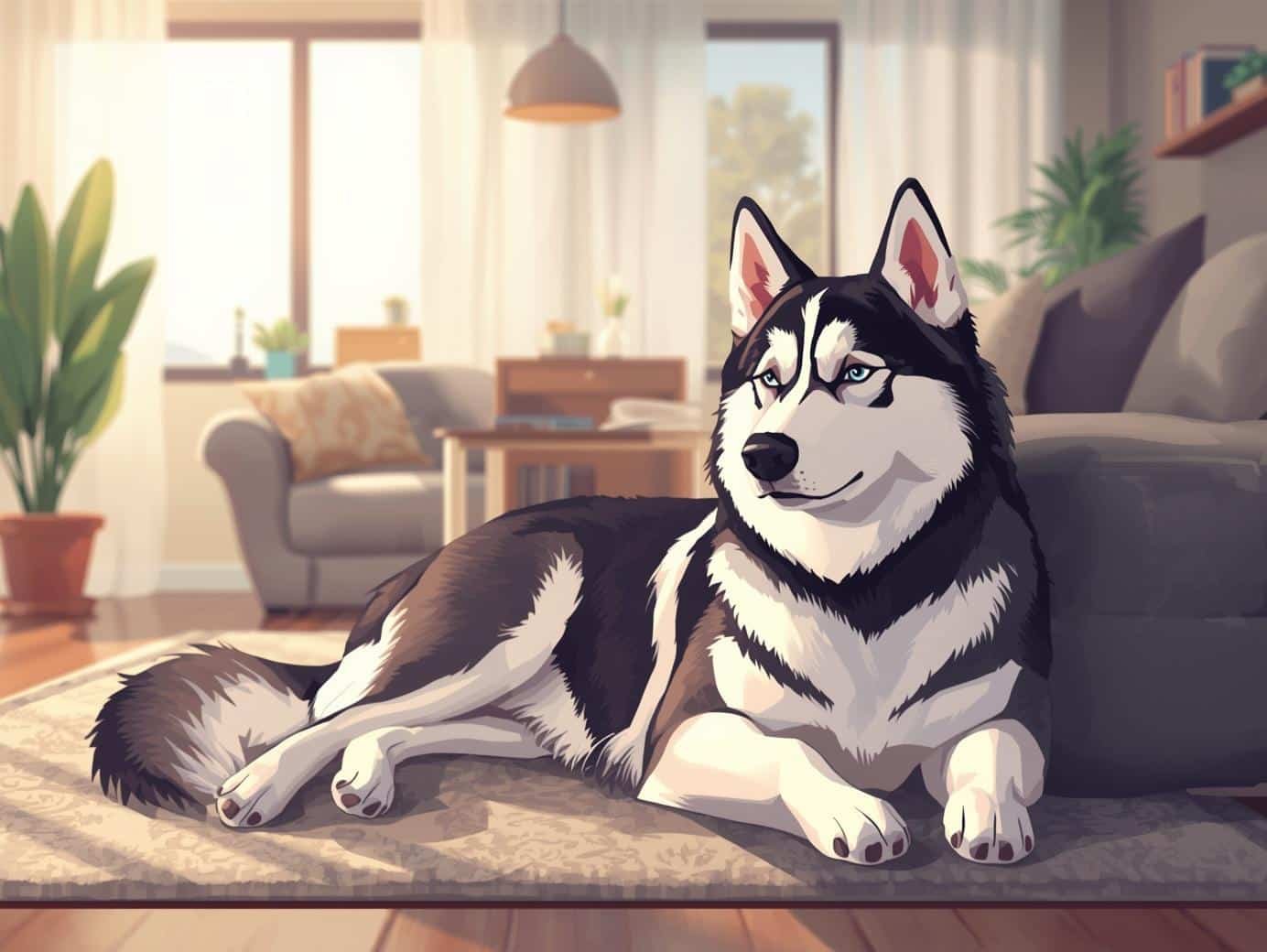
Many people love Husky dogs because of their beautiful blue eyes, thick fur, and strong personality, but one very important question always comes up for people who live in cities or apartments: Can a Husky dog live in a small home? This question matters a lot, especially for people living in places like Dubai or other busy areas where space is limited. The honest answer is yes, a husky can live in a small apartment, but it is not easy, and it requires effort, time, and the right daily routine to make sure the dog stays happy and healthy.
We will explain and share real advice, not just general tips. If you are thinking about getting a husky, this guide will help you decide the right way.
What Makes Husky Dogs Special?
Before talking about living in small homes, you need to understand the personality of husky dog. Huskies are not like most dogs—they have unique traits shaped by their history and environment.
Key personality traits of Huskies
Huskies are known for being:
- Very active
They have high energy and need daily exercise - Very smart
They learn quickly but also get bored easily - Very social
They enjoy being around people and other dogs - Independent thinkers
They don’t always follow commands like other breeds
Their working background
Huskies were originally bred to pull sleds in cold regions. This history explains a lot about their behavior:
- Used to running long distances
- Adapted to cold weather environments
- Trained to work every day in teams
Why this matters for home life
When you bring a Husky into a small home, you are changing its natural lifestyle:
- From wide open spaces: to limited indoor space
- From constant activity: to restricted movement
- From working daily : to a more relaxed environment
Huskies are special because of their energy, intelligence, and strong personality. But these same traits mean they need the right environment and care. Understanding this is the first step before deciding if a Husky can adapt to a small home.
Can Huskies Adapt to Small Spaces?
Yes, a Husky can adapt to small spaces… but only if you meet its real needs.
A Husky does not care much about how big your home is. What really matters is what you provide every day.
What a Husky actually needs
To make a Husky comfortable in a small apartment, you must provide:
- Daily exercise
Long walks, running, or active play are essential - Mental activity
Toys, training, and challenges to avoid boredom - Attention from the owner
Huskies are social and need interaction
What happens if you meet these needs
If you give your Siberian Husky enough activity and attention:
- They can stay calm indoors
- They adapt better to apartment life
- They become happier and more balanced
Even a small apartment can work.
What happens if you don’t
If these needs are not met, problems start quickly:
- Destructive behavior (chewing, digging)
- Excessive barking or howling
- Hyperactivity and stress
A Husky can live in a small space, but only with the right lifestyle. It’s not about the size of your home, it’s about the effort you put into meeting your dog’s physical and mental needs.
The Biggest Challenge: Energy Level
The biggest challenge with a Siberian Husky is energy level.
Huskies are not calm, low-energy dogs. They are built to move, run, and stay active almost all the time.
Simple way to understand it
- A calm dog: sleeps most of the day
- A Husky: always ready to run, play, and explore
What happens in a small home without exercise
If a Husky stays inside without enough activity, you will notice:
- Barking or howling a lot
- Destroying furniture or household items
- Trying to escape
- Feeling stressed and restless
Important thing to understand
This is not bad behavior.
It’s simply:
- High energy
- No physical outlet
- No mental stimulation
What your Husky really needs
To avoid these problems, you must provide:
- Daily long walks or running
- Playtime and training
- Mental challenges (toys, commands, games)
The energy of a Husky is both its best and most challenging trait. If you manage that energy the right way, your dog will be happy and calm—even in a small home.
How Much Exercise Does a Husky Need?
A Siberian Husky needs at least 1.5 to 2 hours of activity every day. This is not optional—it is essential for keeping your dog healthy, calm, and happy.
Types of exercise a Husky needs
Daily activity should include a mix of:
- Walking
Regular walks help release energy - Running
Huskies love to run and need space to move - Playing
Games like fetch or interactive play - Training
Mental exercise is just as important as physical
Special care in hot climates
In hot countries like the UAE (and similar climates), you must be careful:
- Walk early morning or late evening
Avoid high temperatures - Avoid strong sun
Huskies are built for cold weather - Always bring water
Keep your dog hydrated
Why this routine matters
Without enough exercise:
- Your Husky becomes restless
- Behavior problems increase
- A small home feels even more restrictive
A Siberian Husky can adapt to different living spaces—but only with the right routine. Daily exercise is the key to making any home, even a small one, comfortable for your dog.
Living in an Apartment: Real Pros and Cons
| Details | |
|---|---|
| Pros | – You are always close to your dog – Easy to monitor behavior – Strong bonding between you and your dog |
| Cons | – Limited space to move – Possible noise complaints from neighbors – No backyard for free activity |
The apartment itself is not the real problem. The lifestyle you provide is what truly matters.
Comparing Husky with Other Small-Home Dogs
| Comparison | Siberian Husky | Small Breeds | Medium Active Dogs |
|---|---|---|---|
| Energy level | Very high (needs daily intense activity) | Low to moderate | Moderate |
| Space needs | Needs outdoor space or long walks | Comfortable in small apartments | Needs some space but manageable |
| Exercise requirement | 1.5–2 hours daily | Short walks + indoor play | 45–60 minutes daily |
| Behavior indoors | May get bored quickly | Calm and adaptable | Balanced |
| Noise level | May howl or bark when bored | May bark but manageable | Usually moderate |
| Training difficulty | Independent, needs patience | Easier to train | Moderate (depends on breed) |
| Suitability for apartments | Possible but challenging | Very suitable | Suitable with routine |
| Need for attention | High (social and active) | Moderate | Moderate to high |
| Risk of destructive behavior | High if not exercised | Low | Medium |
| Best for lifestyle | Active owners | Busy or relaxed owners | Semi-active owners |
For example:
- jack russell puppies are also active, but they are smaller and easier to manage indoors.
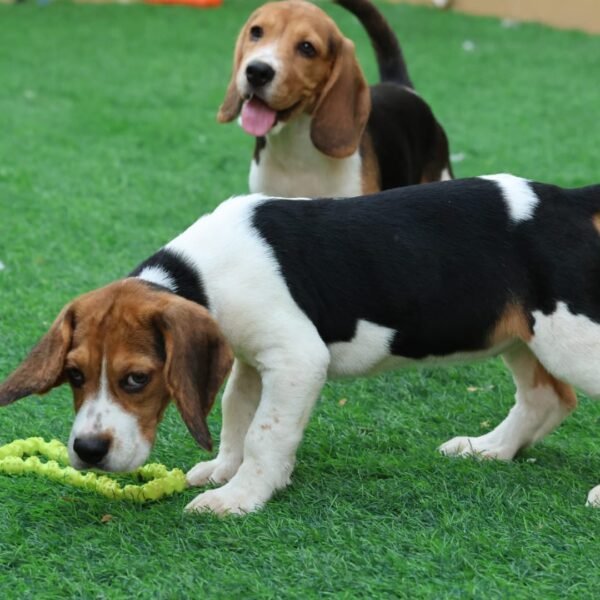
- beagle puppy is playful but less intense than a husky.
Husky is not impossible in a small home… but it demands effort and an active lifestyle. So the real question is not the space… it’s your lifestyle and how much effort you can give.
Temperature Problem in Small Homes
A Husky is naturally built for cold weather. This means heat is not just uncomfortable for them—it can be dangerous, especially in small homes.
Why heat is a serious issue
In hot climates:
- Huskies feel uncomfortable very quickly
- They struggle to regulate body temperature
- They can overheat fast, even indoors
In a small home, the problem becomes bigger because:
- Heat builds up faster
- Air circulation is limited
- The dog has fewer cool areas to move to
Signs your Husky is too hot
Watch for:
- Heavy panting
- Low energy or weakness
- Seeking cold floors constantly
- Excessive thirst
These are warning signs—not something to ignore.
What you must do (not optional)
To keep your Husky safe:
- Keep AC on most of the day
A cool environment is essential - Provide cool resting spots
Tiles, cooling mats, or shaded areas - Never leave the dog in heat
Even for a short time
Extra tips for hot climates
- Walk only early morning or late evening
- Always provide fresh, cold water
- Avoid outdoor activity during peak heat
For Huskies, temperature is not a small detail—it’s a critical factor. In small homes, managing heat is essential for your dog’s health, comfort, and safety.
Is a Husky Good for First-Time Owners in Apartments?
Honestly, a Husky is not the best choice for first-time owners living in apartments.
Why Huskies can be difficult for beginners
If you are new to dogs, a Husky can feel overwhelming because:
- Very high energy
Needs daily exercise and activity - Training is not easy
Huskies are independent and don’t always listen - Needs patience and consistency
Not suitable for someone learning basic dog care
What beginners should consider instead
It’s better to start with:
- Smaller breeds
Easier to manage in apartments - Lower energy dogs
Require less exercise and are calmer indoors
These dogs help you learn:
- Basic training
- Daily care routine
- Understanding dog behavior
A smarter approach
Start simple, then grow:
- Begin with an easier breed
- Gain experience and confidence
- Later, consider a Siberian Husky when you are ready
A Husky is an amazing dog—but not an easy one. For first-time owners in apartments, choosing a simpler, lower-energy breed is the smarter and more realistic decision.
Real-Life Scenario: Same Dog, Different Lifestyle
| Owner | Lifestyle | Daily Routine | Result |
|---|---|---|---|
| Owner A | Lives in a small apartment | – Walks the dog twice daily – Regular training – Gives attention and activity | Happy, calm Husky |
| Owner B | Busy schedule | – Minimal exercise – No training – Limited interaction | Stress, damage, frustration |
Same dog… completely different outcome. The lifestyle you provide matters more than the space itself.
Grooming of Husky in Small Homes
A Siberian Husky sheds a lot, and in a small home, this becomes very noticeable.
What to expect
- Hair spreads quickly on furniture and floors
- Daily cleaning becomes necessary
- Shedding increases during seasonal changes
What you should do
- Brush 2–3 times weekly
Helps reduce loose hair - Use a vacuum regularly
Keeps your home clean and comfortable - Stick to a routine
Grooming is not optional—it’s part of owning a Husky
Feeding and Health Considerations
Huskies are generally healthy dogs, but proper care is still important—especially in small homes and hot climates.
Basic nutrition needs
- Balanced food
Supports energy and overall health - Not too much fat
Prevents weight gain and health issues - Fresh water always available
Essential for daily health
Special care in hot areas
- Hydration is critical
Always keep water available - Monitor your dog for signs of overheating
- Avoid heavy meals during peak heat times
Owning a Siberian Husky in a small home means more responsibility. Grooming and proper nutrition are part of daily care—and they make a big difference in your dog’s comfort and health.
Where to Buy a Husky in UAE
If you are planning to get a Husky, choosing a trusted place is very important. The source you buy from can affect your dog’s health, behavior, and long-term experience.
Why choosing the right place matters
A reliable seller ensures:
- Healthy puppies with proper medical care
- Good early socialization
- Clear information about the dog’s background
- Safe and professional handling
PuppiesHub is a Trusted store in the UAE
PuppiesHub is known as a reliable store in the UAE for selling dogs. They focus on:
- Healthy puppies
Proper veterinary care and monitoring - Proper care
Clean environment and responsible handling - Safe delivery
Ensuring the puppy reaches you safely
Why this is important for you
Buying from a trusted source helps you:
- Avoid future health problems
- Get a well-cared-for puppy
- Start your journey with your dog the right way
Getting a Husky is a long-term commitment. Choosing a trusted place like PuppiesHub makes a big difference in ensuring your dog is healthy, happy, and ready for its new home.
FAQs About Siberian Husky
1. Are huskies good for beginners?
Huskies are not the easiest dogs for beginners. They are smart but also independent, which makes training a bit challenging. A first-time owner needs patience, time, and consistency.
2. Can huskies live in hot countries?
Yes, huskies can live in hot places like the UAE, but they need special care. Air conditioning, fresh water, and avoiding heat during the day are very important.
3. Do huskies bark a lot?
Huskies usually do not bark much, but they love to howl. This can be loud, especially in apartments.
4. How much exercise does a husky need daily?
A husky needs at least 1.5 to 2 hours of exercise every day. Without this, they can become bored and destructive.
5. Can a husky stay alone at home?
Huskies do not like being alone for long hours. They are social dogs and may feel stressed or anxious if left alone too often.
6. Are huskies aggressive?
Huskies are generally friendly and not aggressive. They are known to be good with people, but proper training and socialization are still important.
7. Do huskies shed a lot?
Yes, huskies shed heavily, especially during seasonal changes. Regular brushing is necessary to manage their thick coat.
8. Can huskies be trained easily?
Huskies are intelligent but stubborn. They can learn quickly, but they may choose not to follow commands unless training is consistent and engaging.
9. Is a husky suitable for apartment living?
A husky can live in an apartment if it gets enough exercise and mental stimulation. Without that, apartment life can be difficult for the dog.
10. How long do huskies usually live?
Huskies typically live between 12 to 15 years when they are well cared for with proper diet, exercise, and regular vet check-ups.
In the end, owning a Siberian Husky in a small home is possible, but it is not for everyone. This breed needs time, effort, daily exercise, and a cool environment to stay healthy and happy. A small space alone is not the real problem—the real factor is how much you can give your dog in terms of care, attention, and routine.
If you are ready to commit, plan your day around your dog, and understand its nature, a husky can live comfortably even in an apartment. But if your schedule is busy and you cannot meet its needs, it is better to choose a breed that fits your lifestyle. Making the right decision from the start will ensure a better life for both you and your dog.