
Living with a dog can bring happiness, love, and fun into your life. But sometimes, dogs can develop behaviors that are hard to manage, like biting objects or scratching furniture. These actions can damage your home and make daily life stressful.
Many owners think their dog is being naughty, but this is not true. Dogs act this way for clear reasons, such as boredom, excess energy, anxiety, or a lack of proper training. Understanding why your dog behaves like this is the first step to solving the problem.
We will learn here simple and effective ways to stop biting and scratching. You will also discover how to train your dog using easy methods that work for all breeds.
If you are planning to get a dog, starting with the right choice is very important. PuppiesHub is a trusted dog store in the UAE that offers healthy puppies and helps new owners avoid common behavior problems from the beginning.
Why Dogs Bite Things
Dogs use their mouths the same way humans use their hands. Biting and chewing are natural behaviors for them, especially at a young age. Understanding the reason behind this behavior helps you manage it in the right way.
1. Teething (For Puppies)
Teething is one of the main reasons behind biting, especially in young puppies. During this stage, their teeth are growing, which can cause discomfort and irritation.
Signs of teething
You may notice these behaviors when your puppy is teething:
- Chewing on everything around them
- Biting hands, clothes, or furniture
- Acting restless or uncomfortable
These signs are normal and part of your puppy’s development.
Simple solutions for teething
To manage this stage and reduce unwanted biting:
- Give soft chew toys
Helps relieve pain and keeps your puppy busy - Avoid hard punishment
Puppies are not being aggressive—they are just teething - Redirect behavior
When your puppy bites something wrong, give a toy instead - Be patient
This phase will pass as your puppy grows
Teething is a natural stage in a puppy’s life. With the right approach, you can guide your puppy to chew the right things and avoid unwanted biting behavior.
2. Boredom
Boredom is a very common reason why dogs bite and destroy things. When a dog has too much energy and nothing to do, it will try to entertain itself—and this often leads to chewing, barking, or damaging furniture.
Signs of boredom
You can tell your dog is bored if you notice:
- Chewing furniture or household items
- Barking a lot without a clear reason
- Digging or scratching floors and doors
These behaviors are not bad behavior—they are signs your dog needs more activity.
Simple solutions for boredom
To reduce boredom and stop destructive biting:
- Daily walks
Help your dog release energy and stay calm - Playtime
Spend time playing with your dog every day - Mental games
Use puzzle toys or training exercises to keep your dog thinking - Rotate toys
Change toys regularly to keep things interesting
A bored dog will always find something to do, even if it means destroying your belongings. Keeping your dog active and engaged is the best way to prevent unwanted biting behavior.
3. Anxiety or Stress
Dogs can feel anxiety and stress just like humans. When a dog feels nervous or uncomfortable, it may start biting or chewing things as a way to calm itself.
Common causes of anxiety
There are several reasons why a dog may feel stressed:
- Being alone for a long time
Dogs are social and may feel anxious when left alone - Loud noises
Sounds like fireworks or thunder can scare dogs - New environment
Moving to a new home or place can make a dog feel unsafe
Signs of stress in dogs
You may notice these behaviors:
- Chewing or biting things in an over way
- Hiding or trying to escape
- Barking or whining more than usual
Simple solutions for anxiety
To help your dog feel calm and safe:
- Keep a routine
Feed, walk, and play at the same time every day - Give comfort toys
Toys can help reduce stress and keep your dog relaxed - Train slowly
Help your dog adjust step by step without stress - Provide a safe space
Give your dog a quiet place to relax
Anxiety and stress can lead to unwanted biting behavior. By understanding your dog’s feelings and providing comfort and routine, you can help your dog feel safe and reduce destructive habits.
4. Lack of Training
If a dog is not trained, it will not understand what is right or wrong. This can lead to bad behavior like biting, chewing, or not listening to commands. Training is very important to help your dog behave well and feel secure.
Why training is important
Without training, dogs may:
- Get confused about what is allowed
- Develop bad habits
- Ignore commands from the owner
- Feel stressed because they don’t understand well
Training gives your dog clear rules and structure.
Simple training solutions
You can start training your dog with easy steps:
- Teach basic commands
Start with simple words like “No” and “Leave it.” - Be consistent
Use the same commands every time - Keep sessions short
Train for a few minutes daily
Reward good behavior
Positive reinforcement is the best way to train:
- Give treats when your dog behaves well
- Praise your dog with a happy voice
- Avoid punishment and focus on encouragement
This helps your dog learn faster and enjoy training.
Lack of training can cause many behavior problems, but it is easy to fix. With simple commands, consistency, and rewards, your dog will learn what is right and become more obedient.
How to Stop Dogs from Biting
Biting is a common behavior in dogs, especially puppies. The good news is that it can be corrected with simple training and consistency. Here are the best ways to stop your dog from biting.
1. Give the Right Toys
Dogs naturally need to chew, so it’s important to provide safe alternatives:
- Rubber toys
Durable and safe for chewing - Rope toys
Great for play and chewing - Chew bones
Help satisfy chewing needs
If your dog bites furniture or unauthorized objects, immediately replace them with a suitable toy.
2. Use Positive Reinforcement
Rewarding good behavior is one of the most effective training methods:
- Dog chews a toy: give a treat
- Dog stops biting: praise gently
Avoid harsh punishment, because it can cause fear and make behavior worse.
3. Train Basic Commands
Teaching simple commands helps control biting:
- Sit
- Stay
- Leave it
- No
Practice these commands daily to improve your dog’s behavior.
4. Increase Exercise
Dogs often bite because of extra energy. Exercise helps reduce this:
- Daily walks (20–60 minutes)
- Regular playtime
- Social interaction with people or other dogs
A tired dog is usually calmer and less likely to bite.
Stopping your dog from biting takes patience and consistency. By giving the right toys, rewarding good behavior, training commands, and providing enough exercise, your dog will learn to behave properly and safely.
Why Dogs Scratch Furniture
Scratching furniture is a common behavior in dogs, and it can be frustrating for owners. However, dogs usually do this for specific reasons, not just to cause damage. Understanding the reason helps you fix the problem easly.
1. Marking Territory
Dogs have scent glands in their paws, so when they scratch, they leave their smell behind:
- Helps them mark their space
- Makes them feel more secure
- A natural instinct, especially in new environments
This is why dogs may scratch sofas or carpets to claim them.
2. Nail Maintenance
Some dogs scratch surfaces to take care of their nails:
- Helps keep nails short naturally
- Removes dirt or weak nail layers
- Common in active or outdoor dogs
If your dog scratches often, it may need proper nail care.
3. Attention Seeking
Dogs sometimes scratch to get your attention:
- Happens when they feel bored or ignored
- They learn that scratching gets a reaction
- Even negative attention can reinforce the behavior
This means your dog may continue scratching if it works.
Dogs scratch furniture for natural and behavioral reasons like marking territory, maintaining nails, or seeking attention. By understanding these causes, you can manage the behavior and protect your furniture more effectively.
How to Stop Furniture Scratching
Scratching furniture can damage your home, but the good news is that it can be controlled with simple steps. The key is to guide your dog toward better behavior instead of just stopping the action.
1. Protect Your Furniture
Start by reducing the damage while training your dog:
- Use covers
Protect sofas and chairs from scratches - Use safe sprays with bad taste
These sprays discourage dogs from scratching or chewing
This helps your dog learn that furniture is not for scratching.
2. Provide Alternatives
Dogs need a place to release their natural behavior:
- Scratching mats
Give your dog a safe surface to scratch - Designated play area
Create a space where your dog can play freely
When your dog uses these alternatives, reward it.
3. Trim Nails Regularly
Long nails can increase the need to scratch:
- Keep nails short and clean
- Trim them every few weeks
- Visit a vet or groomer if needed
This reduces the urge to scratch furniture.
4. Ignore Attention-Seeking Behavior
If your dog scratches to get attention:
- Do not react
Even negative reactions can encourage the behavior - Reward calm behavior
Give attention only when your dog is relaxed and not scratching
This teaches your dog the right way to get your attention.
Stopping furniture scratching requires patience and consistency. By protecting your furniture, giving alternatives, trimming nails, and managing attention, your dog will learn better habits over time.
Common Mistakes Dog Owners Make
Many dog owners make simple mistakes that can lead to behavior problems. Understanding these mistakes helps you train your dog in a better and more effective way.
1. Punishing Too Hard
Using harsh punishment is a common mistake:
- Causes fear and stress
- May lead to aggressive behavior
- Breaks trust between you and your dog
Instead, use calm training and positive reinforcement to teach good behavior.
2. Inconsistent Training
Dogs need clear and consistent rules:
- Using different commands can confuse your dog
- Allowing behavior sometimes and stopping it later is confusing
- Everyone in the house should follow the same rules
Consistency helps your dog learn faster and behave better.
3. No Routine
Dogs feel safe when they have a daily routine:
- Regular feeding times
- Daily walks and playtime
- Consistent training schedule
Without routine, dogs may feel anxious or stressed.
Avoiding these common mistakes can make a big difference in your dog’s behavior. With patience, consistency, and a clear routine, your dog will feel more secure and respond better to training.
Best Dog Breeds and Behavior Differences
Different dog breeds have different behaviors, energy levels, and needs. Understanding these differences helps you choose the right dog for your lifestyle and home.
Small Breeds
Examples include:
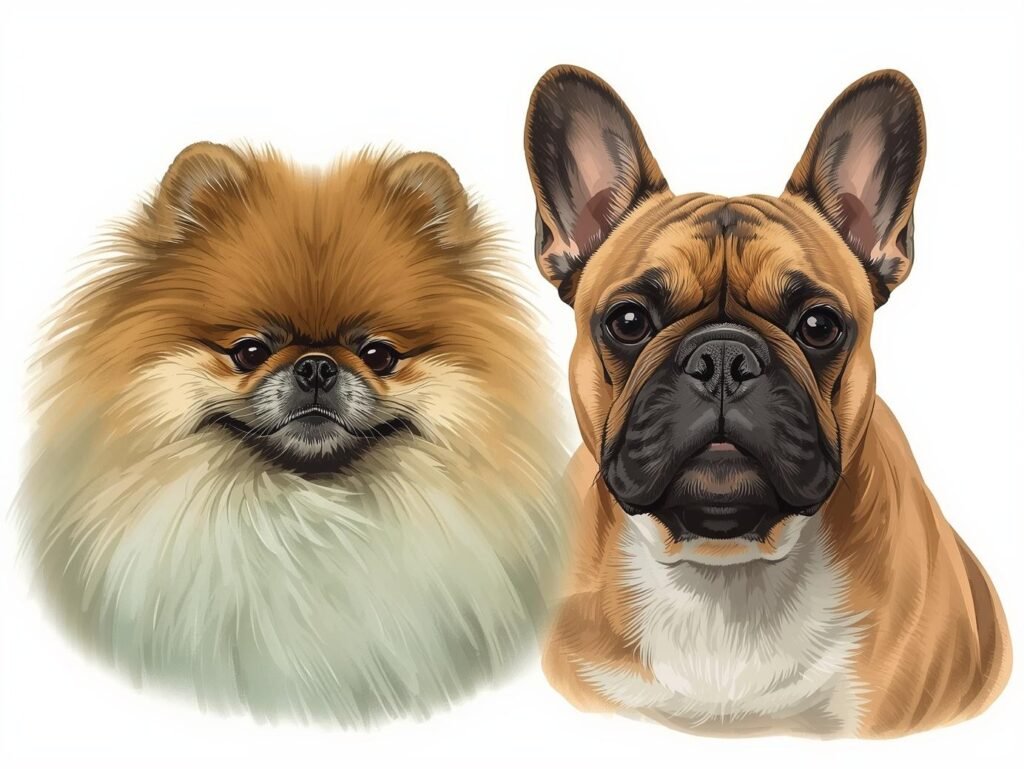
- Pomeranian
- Maltese mix (like maltese shih tzu)
Small dogs are popular for indoor living, but they have unique behaviors:
- Tend to bark more
- Very active indoors
- Need attention and interaction
- Suitable for apartments and small homes
If you are searching for details like Pomeranian dog price or Maltese shih tzu always choose a trusted seller to ensure a healthy puppy.
Large Breeds
Examples include:
- Guard dogs
- Working dogs
- Large family dogs
Large breeds have different needs compared to small dogs:
- Require more exercise daily
- Need structured training
- Usually calmer indoors but need space
- Better suited for houses or villas
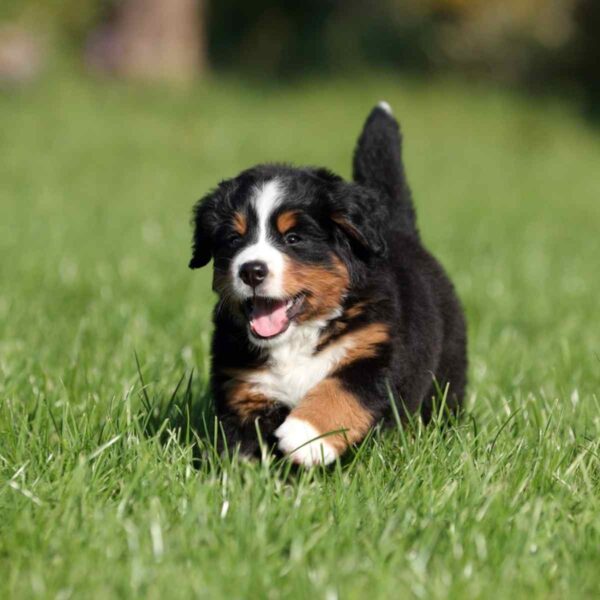
If you like big dogs such as the Bernese mountain dog puppy you should be ready for:
- High energy levels
- The need for more space
- More responsibility in training and care
Key Differences Between Small and Large Dogs
- Small dogs: easier to manage space-wise but may be more vocal
- Large dogs: It requires more effort but is often quieter
- Training and exercise needs vary greatly
Choosing the right breed depends on your lifestyle, space, and time. Whether you prefer small or large dogs, understanding behavior differences helps you make the best decision and ensures a happy life for both you and your dog.
How PuppiesHub Can Help You
If you are planning to get a dog, choosing the right place is very important.
PuppiesHub is a trusted dog store in the UAE that offers:
- Healthy and vaccinated puppies
- Different breeds available
- Professional advice for training
- Safe and reliable buying process
They also help new owners understand dog behavior from the beginning, which reduces problems like biting and scratching later.
Daily Routine for a Well-Behaved Dog
Creating a daily routine is very important for your dog’s behavior. Dogs feel safe and relaxed when they know what to expect every day. A clear routine helps reduce Problems such as anxiety, barking, or bad behavior.
Morning Routine
Start the day with activity and structure:
- Walk
Helps your dog release energy and start the day calmly - Feeding
Give a healthy meal at the same time every day - Short training
Practice simple commands like “Sit” or “Stay”
Afternoon Routine
This is a time for rest and light activity:
- Rest
Dogs need time to relax and recharge - Chew toys
Keeps your dog busy and prevents boredom
Evening Routine
Evening is perfect for bonding and exercise:
- Playtime
Games help your dog stay active and happy - Walk
A second walk helps reduce extra energy - Training
Reinforce commands and good behavior
Night Routine
End the day in a calm way:
- Calm environment
Reduce noise and activity around your dog - Sleep
Make sure your dog has a comfortable place to rest
Following a daily routine helps your dog feel secure and behave better. With regular walks, feeding, training, and rest, your dog will become calmer, happier, and more obedient.
Signs Your Dog is Improving
As you continue training your puppies you will start to see clear signs of improvement. These changes show that your efforts are working and your dog is learning good behavior.
Positive signs to look for
You will notice:
- Less biting
Your dog starts to control its mouth and use toys instead - Less scratching
Reduced damage to furniture and the home - More calm behavior
Your dog becomes more relaxed and less anxiete - Better response to commands
Faster and more consistent reactions to “Sit”, “Stay”, and “No”
These signs mean your dog isHe understands the rules and learns correctly.
Consistency is key
Improvement does not happen overnight. To get the best results:
- Train your dog daily
- Use the same commands every time
- Reward good behavior consistently
- Be patient and calm
Consistency helps your dog learn faster and keeps progress stable.
When to Ask for Professional Help
Sometimes, basic training is not enough. You may need expert support if you notice:
- Aggressive biting
Biting that causes harm or fear - Extreme anxiety
Constant extreme fear or anxiety - No improvement after training
Behavior does not change over time
Why professional help matters
A professional trainer can:
- Identify the root problem
- Create a customized training plan
- Help correct behavior safely
- Support both you and your dog
Watching your dog improve is a great sign that you are on the right track. With consistency and patience, most behavior problems can be solved. And if needed, professional help can make the process faster and more effective.
FAQs About Dog Behavior and Training
1. Why does my dog bite everything?
Because of teething, boredom, or lack of training.
2. Is biting normal for puppies?
Yes, it is normal, but it should be controlled with proper training.
3. How long does training take?
Usually a few weeks with daily practice and consistency.
4. Can I stop scratching completely?
You may not stop it 100%, but you can reduce it a lot with proper training.
5. Are some breeds harder to train?
Yes, some breeds need more time, but all dogs can learn with patience.
6. Should I punish my dog?
No. Use rewards and positive reinforcement instead.
7. What toys are best?
Safe chew toys that are made specifically for dogs.
8. How much exercise does a dog need?
At least 20–60 minutes daily, depending on the breed and energy level.
9. Can stress cause bad behavior?
Yes, stress is a major reason for many behavior problems.
10. Where can I buy a trained puppy in UAE?
You can buy from trusted stores like PuppiesHub to ensure quality and proper care.
Understanding these common questions helps you handle your dog better. With the right care, training, and patience, your dog can become well-behaved and happy.
If you are starting your journey with a new dog, choosing a trusted store like PuppiesHub in the UAE will make a big difference in your experience.