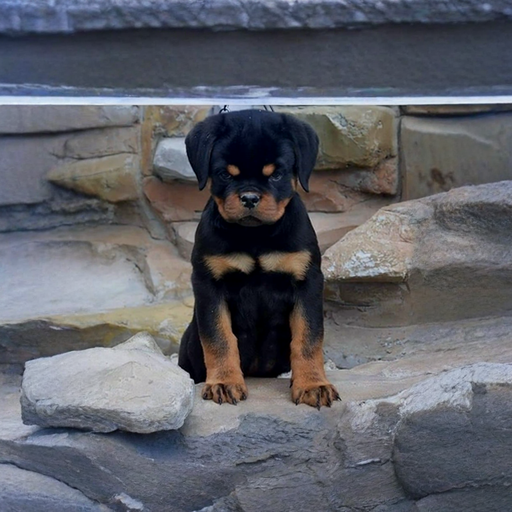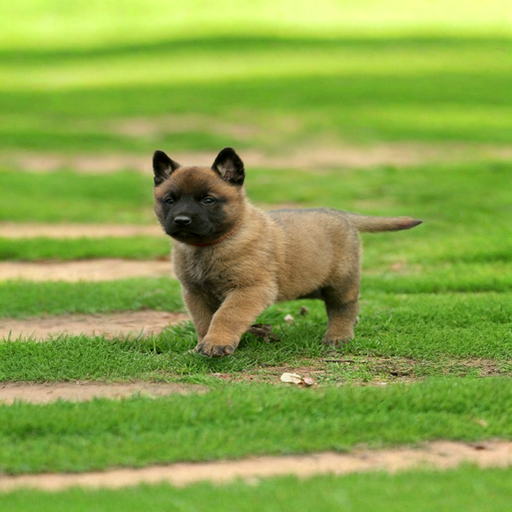



Finding a Rottweiler Puppy for Sale can be exciting, especially when you see a healthy-looking puppy playing, walking around, or looking at you with those serious Rottweiler eyes. But the first puppy that catches your attention is not always the right puppy for your home. Before you make a decision, you need to look beyond the photo, ask the right questions, watch how the puppy behaves, and think honestly about whether your lifestyle matches the needs of this strong and intelligent breed. If you are searching for a Rottweiler Puppy for Sale Near Me, remember that being close to a seller is useful, but location should never be the main reason you choose a puppy.
The better question is simple: Does this puppy appear healthy, well cared for, properly socialized, and suitable for my home and daily routine? This practical Rottweiler Test will help you answer that question before you take a puppy home.
Rottweiler Puppy for Sale: What Should You Check First?
The first check should not be about the puppy’s color, size, or how cute it looks. Start by watching the puppy for a few minutes without trying to control the interaction.
A healthy puppy should normally show some interest in what is happening around it. It may walk around, investigate a new sound, play with another puppy, approach a person, or stop to rest before becoming active again.
Puppies sleep a lot, so seeing a puppy resting does not automatically mean something is wrong. The important thing is how the puppy behaves when it becomes active.
The first five things to observe
When you visit a Rottweiler puppy, look at:
- General alertness
- Movement
- Breathing
- Eyes and coat
- Interaction with people and surroundings
You are not trying to diagnose a medical condition yourself. That is a veterinarian’s job. Your role is to notice anything unusual and ask questions before making a purchase.
A good seller should not become uncomfortable simply because you want to understand how the puppy has been cared for.
Rottweiler Puppy for Sale Test #1: The Energy Test
Energy is one of the easiest things to notice when you meet a puppy.
A young Rottweiler should have periods of activity and periods of rest. It may play hard for several minutes and then lie down. That is normal for a young dog. The problem is not simply seeing a quiet puppy. The question is whether the puppy becomes appropriately alert when something interesting happens.
For example, imagine you enter the room and the puppy is sleeping. Someone gently approaches, and the puppy wakes up. It looks around, changes position, walks toward the sound, or shows some curiosity.
That is very different from a puppy that remains unusually weak, struggles to stand, or shows little response to its surroundings.
What does normal puppy energy look like?
There is no single energy level that every Rottweiler puppy must have. Puppies are individuals.
One puppy may be the first to investigate a toy. Another may watch for a while before joining.
Look for a reasonable balance:
| What you see | What it may mean |
|---|---|
| Plays, explores, then rests | Normal puppy pattern |
| Curious about new sounds | Good sign of awareness |
| Interested in toys | Normal engagement |
| Sleeps after active play | Expected at a young age |
| Very weak or difficult to wake | Ask the seller and veterinarian |
| Difficulty standing or walking | Needs professional assessment |
| Constantly distressed | Requires further investigation |
This is a simple observation, not a health test. If something concerns you, ask for a veterinary examination.
Why energy matters for a Rottweiler
Rottweilers grow into powerful dogs. The puppy you see today will not stay that size.
A buyer who chooses a Rottweiler only because the puppy looks calm may later discover that the adult dog needs regular exercise, training, structure, and interaction.
That is why the energy test is also a test of the owner.
Ask yourself:
Can I provide daily activity when this small puppy becomes a strong adult dog?
If the answer is no, the problem is not the puppy. The breed may simply not match your lifestyle.
Rottweiler Puppy for Sale Test #2: The Interaction Test
Now watch how the puppy reacts to people.
Do not immediately pick it up. Stand nearby and allow the puppy to notice you. A puppy may approach quickly, approach slowly, stay close to another puppy, or investigate from a short distance first.
There is no need to expect a puppy to behave like a trained adult dog.
What matters is whether you can see normal curiosity and whether the puppy can recover after something mildly unfamiliar happens.
Try a simple interaction
- You can crouch down at a comfortable distance and speak calmly.
- You can offer your hand without forcing contact.
Watch what happens.
A puppy may:
- Walk toward you
- Smell your hand
- Look at you
- Move away and return
- Become interested after watching you
- Continue playing before approaching
These can all be normal responses.
Do not force a fearful puppy into your arms just to see how it reacts. That can create unnecessary stress and does not tell you much about its normal personality.
Does a friendly puppy have to run toward you?
No. This is an important point.
People sometimes assume that the best puppy is the one that immediately runs across the room.
That is not necessarily true.
A confident puppy may approach quickly. A more reserved puppy may take a little longer. What matters is the broader pattern of behavior. If a puppy becomes frightened by a normal interaction and cannot settle down, ask the seller about its previous experiences and socialization.
A responsible seller should be able to explain how the puppies have been handled and exposed to normal household experiences.
Rottweiler Puppy for Sale Test #3: The Movement Test
The third test is simple: watch the puppy walk. You do not need to turn this into a complicated orthopedic examination. You are simply looking for obvious problems.
Let the puppy move naturally on a safe, non-slip surface.
Watch the legs and body as the puppy walks and plays.
You want to notice whether it:
- Walks without obvious difficulty
- Uses all four legs
- Can stand normally
- Moves comfortably during play
- Changes direction without obvious problems
A young puppy can be clumsy. That is expected. The concern is an obvious problem such as persistent limping, inability to put weight on a leg, severe weakness, or clear pain.
Why movement matters in Rottweilers
Rottweilers are a large breed. Their growth and physical development deserve attention. Hip and elbow problems can occur in large breeds, and responsible breeding practices can help reduce certain inherited risks.
That does not mean you can guarantee a puppy will never develop a joint problem.
Instead, ask about:
- The puppy’s veterinary records
- The parents’ health history
- Relevant health screening
- Vaccination and deworming records
- Any known health concerns
If you have serious concerns, ask your veterinarian to examine the puppy before the purchase is finalized, where possible.
Rottweiler Puppy for Sale Test #4: The Eyes, Nose, Ears, and Coat Test
The next part of the Rottweiler Puppy for Sale Test is a basic visual check.
You are not replacing a veterinary examination. You are looking for visible signs that should lead to more questions.
Check the Eyes
The puppy’s eyes should generally look clear and comfortable rather than heavily irritated or surrounded by unusual discharge.
Check the Nose and Breathing
A puppy that has just been playing may breathe quickly, which is not necessarily surprising. What matters is whether its breathing appears comfortable once it settles.
Check the Ears
Look for obvious signs such as:
- Dirt
- Discharge
- Swelling
- Strong unpleasant odor
What About the Coat?
A puppy’s coat should generally look reasonably clean and cared for.
A little dirt after playing is not automatically a problem. Instead, look for obvious signs such as:
- Heavy skin irritation
- Large bald patches
- Excessive scratching
- Parasites
- Dirty or matted areas
- Unusual sores
These observations are not a diagnosis.
A puppy can look perfectly healthy and still have a medical issue that only a veterinarian can identify. This is why health records and professional examination matter more than appearance alone.
Rottweiler Puppy for Sale Test #5: The Socialization Test
A Rottweiler puppy does not need to be friendly with every person it meets immediately.
However, early socialization is extremely important.
Socialization means gradually exposing a puppy to different people, environments, sounds, surfaces, handling experiences, and other appropriate situations in a safe way.
The goal is not to make the puppy fearless. The goal is to help it learn that new experiences can be handled calmly.
Ask How the Puppy Has Been Socialized
A useful question is:
“What has this puppy experienced before I came to see it?”
A good answer should contain specific details.
For example, the seller may explain that the puppy has:
- Been exposed to normal household sounds
- Been handled regularly
- Been introduced to different people
- Experienced safe new environments appropriate for its age
A vague answer such as “It is socialized” does not tell you much.
Ask for examples.
Why This Is Especially Important for Rottweilers
Rottweilers are intelligent, strong, and protective dogs. Good socialization and training help owners guide these natural traits in a safe direction.
A poorly socialized large dog can be harder to manage than a poorly socialized small dog because of its physical strength.
That is one reason your responsibilities begin before the puppy comes home.
Rottweiler Puppy for Sale Test #6: The Questions Test
Now it is time to test the seller.
This may actually be one of the most important parts of the entire process.
A beautiful puppy is not enough. You need information.
Before buying, ask questions about the puppy’s age, health, parents, care, vaccination history, feeding routine, and veterinary records.
Questions Worth Asking
| Question | Why Ask It? |
| How old is the puppy? | Helps you understand its current stage of development |
| Has the puppy been examined by a veterinarian? | Provides information about professional health assessment |
| What vaccinations has it received? | Helps you understand its vaccination history |
| Has it been dewormed? | Provides information about previous care |
| Can I see the veterinary records? | Helps verify the information provided |
| What food is the puppy currently eating? | Helps you maintain a familiar feeding routine initially |
| What is the puppy’s normal feeding schedule? | Helps you understand its current routine |
| What can you tell me about the parents? | Provides useful background about the puppy |
| Have the parents had relevant health screening? | Helps you ask informed questions about inherited health concerns |
| How has the puppy been socialized? | Helps you understand its previous experiences |
| Has the puppy shown any health or behavioral concerns? | Encourages transparency about potential concerns |
| What support is available after purchase? | Helps you understand what happens after the sale |
You do not need to ask these questions aggressively. You are simply trying to understand what you are buying and whether the puppy has been responsibly cared for.
A Good Seller Should Be Transparent
Transparency matters.
If someone avoids basic questions, refuses to provide reasonable records, or pressures you to pay immediately without allowing you to understand the puppy’s condition, slow down.
You do not have to make a decision simply because you become emotionally attached to a puppy after seeing it.
Take a breath. Ask for the information. Then decide.
Rottweiler Puppy for Sale Test #7: The Home Test
This test is about you, not the puppy.
Before searching for a Rottweiler, think about your home.
Ask yourself:
- Do you have enough space for a large dog to move comfortably?
- Do you have a safe area where the puppy can rest?
- Can you keep cables, cleaning products, medicines, small objects, and other hazards out of reach?
- Can you create a routine for meals, toilet breaks, exercise, and training?
These questions matter more than whether your home has a large garden.
Does a Rottweiler Need a Huge House?
Not necessarily.
A large home does not automatically make someone a good dog owner.
A Rottweiler can live in different types of homes when its physical and mental needs are properly met.
A smaller home with an active, responsible owner may work better than a large house where the dog receives little attention.
The important factor is the daily lifestyle.
What Should You Prepare?
Before the puppy arrives, prepare:
- A comfortable sleeping area
- Food and water bowls
- Age-appropriate food
- Safe toys
- A collar and identification
- Cleaning supplies
- A secure area
- A plan for veterinary care
- A basic training routine
Puppy-proofing the home is worth doing before the dog arrives, rather than after it discovers every dangerous object for you.
Rottweiler Puppy for Sale Test #8: The Time Test
This is the test that many buyers skip.
Ask yourself: How much time can I realistically give this dog every day?
Not how much time you wish you had. Your real schedule.
If you work long hours, travel frequently, or spend most of the day away from home, you need a realistic plan for the puppy’s care.
A Rottweiler puppy needs more than food and a place to sleep. It also needs:
- Human interaction
- Training
- Exercise
- Mental stimulation
- Routine
- Appropriate social experiences
Puppies Change Your Daily Routine
For example, someone may think:
“I will walk the dog when I come home.”
That sounds simple until you remember that a puppy also needs toilet breaks, training, feeding, supervision, and attention during the day.
Your plan should become more detailed as you think about it.
Ask yourself:
- Who will care for the puppy if you work late?
- Who will take care of it during travel?
- What happens during holidays?
- What happens if you become busy for several weeks?
The best time to answer these questions is before buying the puppy.
Rottweiler Puppy for Sale Test #9: The Location Test
This is where the phrase Rottweiler Puppy for Sale Near Me becomes useful, but it can also be misleading.
Searching locally can make the process easier. You may be able to visit the puppy, inspect the environment, ask questions in person, and avoid complicated transportation.
But there is an important difference between nearby and trustworthy.
The closest seller is not automatically the best seller.
What Should You Compare?
If you find several local options, compare them based on more than distance.
| Factor | Why It Matters |
| Puppy health records | Helps you understand veterinary care |
| Seller transparency | Shows whether questions are welcomed |
| Puppy environment | Gives you information about daily care |
| Socialization | Important for future behavior |
| Parent information | Useful when evaluating background |
| Veterinary support | Important before and after purchase |
| Communication | Good support can make ownership easier |
Distance should be one factor, not the deciding factor. If one seller is ten minutes away but gives unclear answers, while another reputable seller provides clear information and proper care, the second option deserves more attention.
Search Locally, Then Investigate
A practical approach is:
- Search locally
- Shortlist options
- Inspect the puppy
- Ask questions
- Review records
- Compare
- Decide
This is much safer than:
- Search locally
- See cute photo
- Pay immediately
Photos are useful for finding puppies. They are not enough for making the final decision.
Rottweiler Puppy for Sale Test #10: The “Am I Ready?” Test
This is the test that cannot be passed by the puppy. Only you can answer it.
Before buying, answer these questions honestly.
Can I afford the ongoing cost?
The purchase price is only one part of owning a dog.
You should also consider:
- Food
- Veterinary care
- Vaccinations
- Parasite prevention
- Grooming
- Training
- Toys
- Bedding
- Identification
- Unexpected medical costs
Large dogs can also cost more to feed than smaller dogs because they generally require more food.
Can I handle a strong adult dog?
A Rottweiler puppy is small. That can create a false sense of how physically manageable the dog will always be.
It will grow; training should begin early, using appropriate positive methods and consistent rules. You should be comfortable with the idea of eventually handling a powerful adult dog on walks and around visitors.
Can everyone in my home agree?
If you live with other people, everyone should understand the responsibility.
Discuss:
- Who feeds the dog
- Who walks the dog
- Who handles training
- Where the dog can sleep
- What areas are off limits
- What happens when someone travels
This avoids confusion later.
What Should Make You Pause Before Buying a Rottweiler Puppy?
There are certain situations where you should stop and ask more questions rather than rushing into a purchase.
The Puppy Appears Seriously Unwell
If the puppy seems extremely weak, has major breathing difficulty, cannot walk normally, or appears to be in obvious pain, ask for a veterinary assessment.
Do not rely on a seller telling you that the puppy is “just tired.”
The Seller Refuses Reasonable Questions
You should be able to ask about basic care and veterinary history.
If the answers are unclear, inconsistent, or constantly changing, take that seriously.
Records Are Missing
Vaccination and veterinary information should be handled responsibly.
If there are no records, ask why.
You Are Being Pressured
Statements such as “Pay now or someone else will take it” are not a reason to ignore your concerns.
A puppy is a long-term commitment.
You do not need to make a rushed decision simply because someone has created a sense of urgency.
The Environment Raises Concerns
Look around and consider:
- Are the puppies living in a clean and safe environment?
- Do they have appropriate access to food and water?
- Do they appear reasonably cared for?
The environment does not need to look like a luxury showroom. It should, however, support proper animal care.
Rottweiler Puppy for Sale: What Documents Should You Ask For?
Documentation helps turn a verbal conversation into information you can actually review.
Depending on the puppy’s age and circumstances, you may want to see:
| Document or Information | Why It Matters |
| Veterinary examination information | Provides details about professional health assessment |
| Vaccination records | Shows the puppy’s vaccination history |
| Deworming records | Provides information about previous parasite control |
| Microchip information | Useful where applicable for identification |
| Feeding information | Helps you understand the puppy’s current routine |
| Parent information | Gives you more background about the puppy |
| Available health screening records | May provide additional information about relevant health concerns |
| Purchase or ownership documentation | Helps document the transaction and ownership details |
The exact documents can vary. What matters is that the seller can explain the puppy’s background clearly. If a document is important to you, ask to see the original information rather than relying only on a verbal statement.
Rottweiler Puppy for Sale and Health Checks
A visual inspection is useful, but it has limits.
You cannot look at a puppy and know everything about its health.
A veterinarian can assess things that an ordinary buyer cannot.
A professional examination may include checking the puppy’s:
- Heart
- Lungs
- Eyes
- Ears
- Teeth
- Skin
- Body condition
- Musculoskeletal system
- General development
The veterinarian can also discuss vaccination, parasite control, nutrition, and other age-appropriate care.
If possible, arrange a veterinary check around the time of purchase according to the seller’s and veterinarian’s arrangements.
Rottweiler Puppy for Sale: What About the Parents?
The puppy is important, but so is its background.
Ask whether you can learn about the puppy’s parents.
You may want information about:
- General health
- Temperament
- Size
- Living conditions
- Relevant health screening
- Any known inherited conditions
A puppy inherits more than appearance.
Temperament, physical traits, and certain health risks can have genetic components.
This does not mean that knowing the parents guarantees the future. It simply gives you more useful information before making a decision.
Why Appearance Should Not Be Your Main Test
Rottweiler puppies can be extremely attractive.
Their black coat and tan markings are easy to recognize, and a puppy sitting quietly beside you can create an instant emotional connection.
That is normal.
But appearance can distract buyers from important questions.
A puppy can look perfect in a photograph while the buyer knows almost nothing about its health history, socialization, or care.
The opposite is also true.
A puppy may not immediately pose for the perfect photo but may be healthy, curious, and well cared for.
Choose information over photography.
Rottweiler Puppy for Sale: Puppy or Adult Dog?
A puppy is not the only option. Some people are better suited to an adult dog.
A puppy may be suitable if:
- You have time for training
- You can manage toilet training
- You can supervise the puppy
- You are ready for rapid changes
- You want to build habits from an early age
An adult dog may be suitable if:
- You prefer a more established personality
- You have less time for puppy-stage care
- You want a dog that is already physically mature
- You can assess the adult dog’s behavior more clearly
Neither option is automatically better. It depends on your situation.
Rottweiler Puppy for Sale: Training Should Start Early
Training does not need to wait until the puppy is large. In fact, early training is one of the smartest things you can do.
Start with simple skills appropriate for the puppy’s age:
- Responding to its name
- Coming when called
- Sitting
- Walking calmly
- Appropriate chewing
- Handling
- Basic household rules
Keep sessions short.
Young puppies have limited attention spans. Five focused minutes can be more useful than a long session where the puppy becomes tired or frustrated.
What training style should you use?
Reward-based training is widely used because it helps the dog understand which behaviors lead to something positive.
- The goal is not to overpower the dog.
- The goal is to teach the dog what you want it to do.
That distinction becomes especially important with a large, intelligent breed.

Rottweiler Puppy for Sale Near Me Rottweiler Puppy for Sale
Rottweiler Puppy for Sale: Socialization Is Not the Same as Saying Hello to Everyone
This is another common misunderstanding. Socialization does not mean taking a young puppy into every crowded place and asking every stranger to touch it.
It means carefully introducing the puppy to appropriate experiences.
For example:
- Different surfaces
- Household sounds
- Car rides
- Calm visitors
- Safe environments
- Handling
- Different objects
- Appropriate dogs
The pace matters.
If the puppy becomes overwhelmed, the experience can become negative. Good socialization is controlled, gradual, and appropriate for the puppy’s age and vaccination status.
Rottweiler Puppy for Sale: A Simple First-Week Plan
Once you have chosen your puppy, the first week should focus on adjustment and routine rather than overwhelming it with too many activities.
Day 1: Keep Things Calm
Keep the environment calm and allow the puppy to explore its new surroundings gradually.
Show it:
- Food area
- Water
- Sleeping space
- Toilet area
- Safe areas
Avoid inviting a large group of people immediately. Give the puppy time to become comfortable with its new environment.
Days 2–3: Establish a Predictable Routine
Start building a simple and consistent daily routine.
- Feed at consistent times.
- Take the puppy to its toilet area regularly.
- Introduce short, positive training sessions.
- Allow plenty of sleep.
Predictability can help the puppy understand what to expect as it adjusts to its new home.
Days 4–7: Build Simple Habits
Once the puppy has had some time to settle, begin building basic habits through short and positive interactions.
You can work on:
- Name recognition
- Gentle handling
- Short training sessions
- Calm interaction
- Safe play
- Appropriate social experiences
The first week is not about teaching twenty commands.
It is about creating a stable foundation.
Comparing a Rottweiler With Other Puppy Options
A Rottweiler is not the right choice for every household.
Different breeds bring different needs.
- For example, someone looking for a very small companion may be more interested in a baby dog Shih Tzu.
- Someone who wants a tiny dog may look at a teacup Pomeranian puppy.
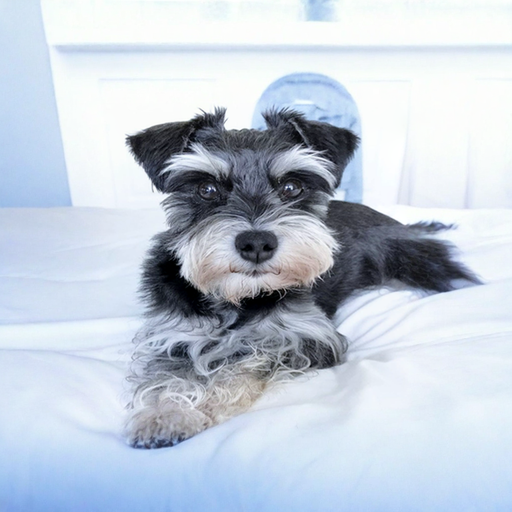
- Another buyer may prefer a smaller but active breed such as a miniature schnauzer puppy for sale.
- A family that enjoys energetic outdoor activities may consider a Jack Russell Terrier for sale.
- Someone looking for a friendly, family-oriented breed may compare the Rottweiler with a Golden Retriever puppy for sale.
The point is not that one breed is better. The right breed depends on your home, schedule, experience, and expectations.
Rottweiler Puppy for Sale: Rottweiler vs Other Breeds
| Factor | Rottweiler | Smaller Companion Breed | Active Medium Breed |
|---|---|---|---|
| Adult size | Large | Small | Small to medium |
| Physical strength | High | Lower | Moderate |
| Training needs | High | Moderate to high | Moderate to high |
| Exercise | Regular | Varies | Usually regular |
| Space needs | Moderate with exercise | Often easier indoors | Varies |
| Owner experience | Helpful | Depends on breed | Depends on breed |
| Grooming | Moderate | Varies | Varies |
| Long-term commitment | High | High | High |
This comparison is intentionally broad because individual breeds and dogs differ.
The important lesson is simple: Do not choose a dog based only on appearance. Choose based on lifestyle fit.
How PuppiesHub Can Help You Choose
If you are looking for a Rottweiler in the UAE, PuppiesHub is a trusted dog store in the UAE where buyers can explore available puppies and get information before making a decision.
The useful part of working with a reputable seller is not simply finding a puppy. It is having a place where you can ask questions about the puppy’s care, background, and available records.
When considering any seller, including PuppiesHub, ask the same practical questions discussed in this guide:
- Look at the puppy.
- Ask about its care.
- Review the available information.
- Think about your lifestyle.
- Then make the decision.
A responsible purchase should feel informed, not rushed.
What Makes a Good Rottweiler Owner?
You do not need to be a professional dog trainer to own a Rottweiler.
But you do need consistency.
A good owner understands that training is not something done for one week. It is part of daily life.
A responsible owner:
- Sets clear boundaries.
- Rewards good behavior.
- Provides appropriate exercise.
- Gives the dog suitable social experiences.
- Maintains consistent routines.
They also understand that the dog will change.
The tiny puppy that currently fits comfortably in your arms will eventually become a large, powerful adult.
Planning for that future is part of responsible ownership.
The 60-Second Rottweiler Decision
If you had only one minute to decide whether you are ready, ask yourself:
- Do I have enough time every day?
- Can I afford routine and unexpected veterinary care?
- Can I train a large and intelligent dog consistently?
- Can I provide exercise without exposing the dog to dangerous heat?
- Does everyone in my home agree?
- Can I manage the dog when it becomes an adult?
- Have I checked the puppy’s health information?
- Have I asked about its parents and early care?
- Have I looked beyond the photograph?
- Am I choosing this puppy because it fits my life, or simply because I fell in love with its appearance?
If your answers are mostly positive, you are thinking about the decision in the right way.
Frequently Asked Questions
1. What should I check before buying a Rottweiler puppy?
Check the puppy’s general behavior, movement, eyes, coat, interaction with people, socialization, veterinary records, vaccination history, and overall living environment. You should also ask about the puppy’s parents and health background.
2. How do I know if a Rottweiler puppy is healthy?
A healthy-looking puppy should generally be alert when awake, move comfortably, breathe normally when settled, and have a reasonably clean coat and clear-looking eyes. However, appearance alone cannot confirm health, so a veterinary examination is important.
3. Is a Rottweiler good for a first-time dog owner?
A Rottweiler can be suitable for a first-time owner who is prepared to invest time in training, exercise, socialization, and responsible handling. Because the breed becomes large and powerful, professional training support can be very useful.
4. What questions should I ask a Rottweiler puppy seller?
Ask about the puppy’s age, veterinary examination, vaccinations, deworming, food, daily routine, parents, health screening, socialization, and any known health or behavioral concerns. Ask to review relevant records.
5. Is searching for a Rottweiler Puppy for Sale Near Me enough?
No. Local search can make visiting the puppy easier, but distance should not be the main factor. You should compare sellers based on puppy care, transparency, health information, socialization, and support.
6. How much exercise does a Rottweiler need?
Exercise needs change with age, health, and development. Puppies need age-appropriate activity rather than excessive exercise. Adult Rottweilers generally need regular physical activity combined with mental stimulation and training.
7. Are Rottweilers difficult to train?
Rottweilers are intelligent and can learn quickly, but they need consistent training. Their size and strength make early training especially important. Reward-based methods and clear household rules can help build good habits.
8. Are Rottweilers good family dogs?
They can be good family dogs when properly bred, socialized, trained, and managed. Every dog is an individual, and families should consider the dog’s temperament, the children’s ages, supervision needs, and the owner’s ability to provide proper training.
9. What should I prepare before bringing a Rottweiler puppy home?
Prepare a safe sleeping area, food and water bowls, appropriate food, toys, cleaning supplies, identification, and a veterinary care plan. Puppy-proof the home by removing dangerous objects and securing areas the puppy should not access.
10. Should I choose the closest Rottweiler puppy?
Not necessarily. The closest puppy is not automatically the best choice. Use location as a convenience, but give greater importance to health information, responsible care, socialization, seller transparency, and whether the puppy fits your lifestyle.
The best time to decide whether a Rottweiler is right for you is before you take the puppy home. When you stand in front of the puppy, it is easy to focus on the excitement of having a new dog. The Rottweiler Test gives you a reason to slow down, observe, ask questions, and think about the dog you will be living with months and years from now. A good choice is not simply the puppy that looks perfect in the moment. It is the puppy, seller, and lifestyle combination that still makes sense after you have checked the important details.