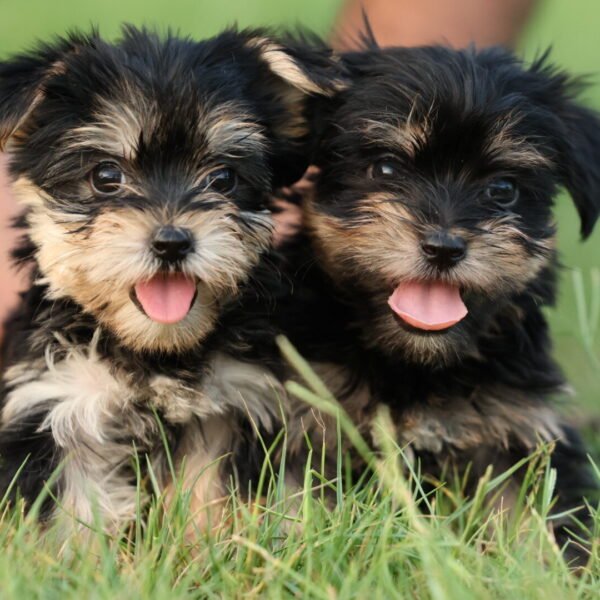
A Yorkshire Terrier teacup is usually a very small Yorkshire Terrier marketed as a teacup or extra-small dog. The term describes a size people look for, but it is not a separate official breed classification. The Yorkshire Terrier remains the same breed, even when individual dogs are smaller than average. Yorkshire Terriers were developed in England and became popular as small companion dogs. Despite their small bodies, they often show confidence and curiosity.
Many enjoy exploring their surroundings, playing with their owners, and learning simple commands. The word “teacup” can make a puppy sound like a special type of dog. In practice, it does not tell you enough about the puppy’s health, expected adult size, or temperament. When looking at a Yorkshire Terrier teacup, consider three important questions:
- Is the puppy healthy and developing appropriately?
- What can the seller tell you about its parents and background?
- Can you provide the care a very small dog may need?
These questions are more useful than asking only how small the puppy will remain.
The Dog That Changes How You See Small Breeds
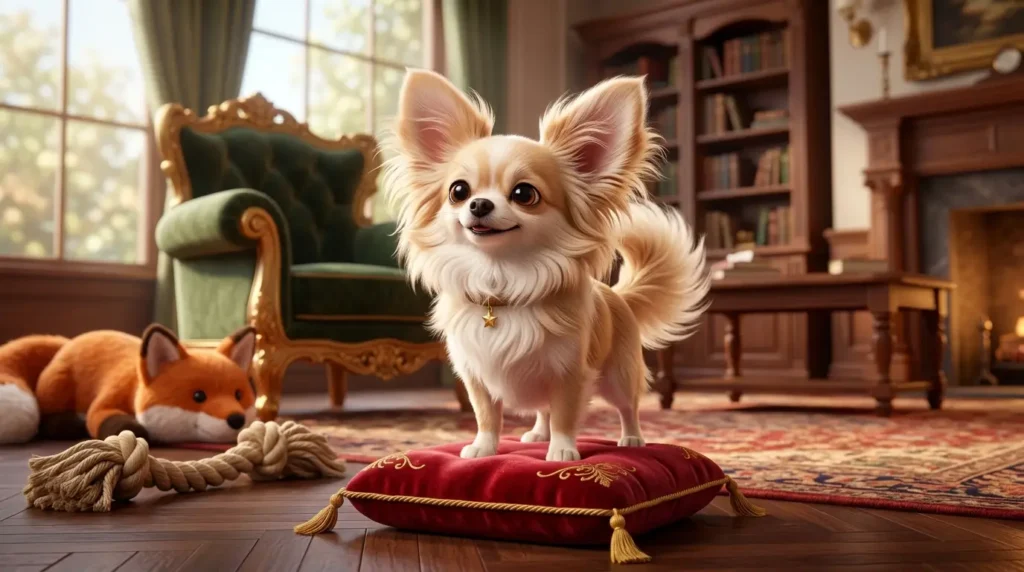
A Yorkshire Terrier teacup can change the way you think about small dogs. Many people expect a tiny dog to spend most of its time sleeping on a cushion or sitting quietly in someone’s arms. Some enjoy that kind of attention, but others want to explore, play, and investigate everything around them.
A Yorkshire Terrier may notice a sound from another room before you do. It may follow you while you prepare breakfast or become excited when you bring out a favorite toy. Even an ordinary walk around the home can become an interesting activity. This is part of the breed’s appeal. Its small size makes it easier to accommodate in many homes, but its personality can be lively and expressive.
Does a Yorkshire Terrier Teacup Like Being Carried?
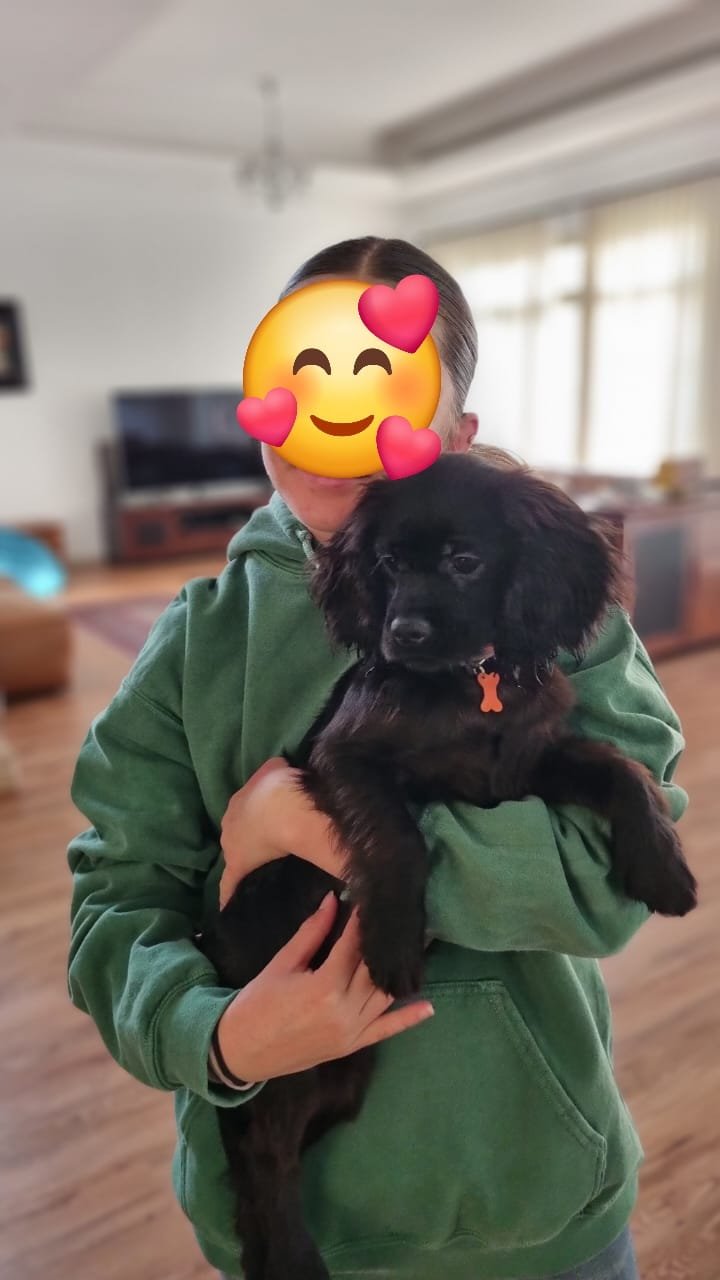
Some enjoy being carried after they become comfortable with their owner. Others prefer walking around and exploring independently. Do not assume that a small puppy wants to be held all the time. Let it approach you, support its body properly when lifting it, and put it down when it becomes uncomfortable or tries to move away. Very small dogs can be injured by falls or rough handling. Children should learn to sit down before holding a puppy, and an adult should supervise every interaction. The goal is to help the puppy feel safe, not to keep it in your arms simply because it looks cute.
One Breed, Different Yorkshire Terrier Teacup Personalities
Two Yorkshire Terrier puppies can look similar and behave very differently. One may rush toward a new toy, while another watches from a comfortable distance before joining the game. Neither response automatically means that one puppy is better. A puppy’s behavior depends on several factors, including genetics, early experiences, health, age, and its surroundings. Its personality also continues to develop as it grows. Consider three examples.
The Curious Yorkshire Terrier Teacup
This puppy likes to investigate new objects and follow interesting sounds. It may explore a room, sniff a toy, and return to its owner before starting another activity. A curious puppy can enjoy short training sessions and games that involve finding a toy or following a simple cue. However, curiosity does not mean the puppy can safely explore everywhere. Keep electrical cables, small objects, cleaning products, and other hazards out of reach.
The Quiet Yorkshire Terrier Teacup
Another puppy may prefer to watch before approaching. It may stay close to a familiar person and take longer to feel comfortable around visitors. A quieter puppy should not be forced into social situations. Give it time, use gentle handling, and reward calm approaches. If a puppy seems persistently frightened, unusually withdrawn, or unwell, ask the seller and a veterinarian for advice. A single quiet moment is not enough to judge its personality or health.
The Playful Yorkshire Terrier Teacup
Some puppies seem to have endless interest in toys. They may enjoy short games, follow moving objects, or invite people to interact. These puppies still need rest. Young dogs sleep frequently, and too much activity can leave them tired or overwhelmed. Short play sessions followed by quiet time are often more suitable than expecting a puppy to remain active for long periods.
The Yorkshire Terrier Teacup Label: What Does It Really Tell You?
The word “teacup” is widely used in pet marketing, but it is not an official size category in the Yorkshire Terrier breed standard.
This matters because the label does not guarantee a particular adult weight, height, health status, or personality.
A seller may use the word to describe an unusually small puppy. Another seller may use it mainly as a marketing term. Buyers should therefore ask for specific information rather than relying on the label.
Can You Guarantee That a Yorkshire Terrier Teacup Will Stay Tiny?
No. No responsible seller can guarantee an exact adult size simply by looking at a very young puppy.
Adult size is influenced by genetics and development. Information about the parents can help provide context, but it does not offer perfect certainty. Be careful if someone promises that a puppy will never grow beyond a specific weight without a sound basis for that estimate.
A puppy’s size at the time of purchase is only one part of the picture. Its age, body condition, growth pattern, and health history are also important.
Is the Smallest Yorkshire Terrier Teacup the Best Choice?
Not necessarily. Extremely small dogs may face additional health and injury risks, including problems linked to low blood sugar, fragile bones, and difficulty maintaining normal body temperature. The level of risk varies by individual dog, and a veterinarian can explain the concerns relevant to a specific puppy.
Instead of choosing the smallest puppy in a group, look for one that appears appropriately alert, moves comfortably, and has a clear health history.
A slightly larger, healthy puppy may be a better fit than an unusually tiny puppy with uncertain medical needs.
Yorkshire Terrier Teacup Health: What Should Buyers Know?
A Yorkshire Terrier teacup needs the same basic care as other dogs, but a very small body can make some health concerns more urgent.
Low blood sugar, also called hypoglycemia, is one concern in very small puppies. Signs can include weakness, unusual sleepiness, shaking, poor coordination, or collapse. These signs require urgent veterinary attention.
Very small puppies may also be more vulnerable to injuries from falls, accidental stepping, or jumping from furniture. This does not mean that every small Yorkshire Terrier will develop these problems. It means that size should be considered when planning daily care.
Health Questions to Ask Before Buying
Before choosing a Yorkshire Terrier teacup, ask the seller:
- Has a veterinarian examined the puppy?
- Are vaccination and deworming records available?
- What food is the puppy eating, and how often?
- Has the puppy had any recent health concerns?
- Can information about the parents be provided?
- Has the puppy been growing as expected?
Review the records rather than relying on verbal assurances alone. Arrange a veterinary examination as soon as practical after bringing the puppy home.
If the puppy appears weak, struggles to walk, has difficulty breathing, or seems unusually unresponsive, do not treat the problem as a normal part of being small.
Yorkshire Terrier Teacup Care in Dubai and the UAE
The UAE’s hot climate makes indoor temperature and outdoor routines important for a Yorkshire Terrier teacup.
A small dog can overheat, especially during strenuous activity in hot weather. Long hair does not make a dog immune to heat, and a small body does not remove the need for careful temperature management. During hot periods, plan outdoor activity for cooler times of the day. Check the pavement before walking your dog because hot surfaces can burn its paws.
At home, provide:
- Fresh drinking water.
- A cool, comfortable resting area.
- Shade when outdoors.
- Safe indoor play opportunities.
- A suitable walking routine.
- Regular observation for signs of heat stress.
Never leave a dog in a parked car, even for a short time.
Can a Yorkshire Terrier Teacup Live in an Apartment?
Yes, many Yorkshire Terriers can adapt well to apartment living when their needs are met.
They do not need a large garden simply because they are dogs. They do, however, need daily interaction, suitable exercise, training, and toilet breaks. You should also consider noise. Yorkshire Terriers can be alert and may bark when they hear unfamiliar sounds. Teaching calm behavior early can make apartment life easier for both the dog and the neighbors.
A small home can work well when it is safe, comfortable, and supported by a consistent daily routine.
Yorkshire Terrier Teacup Grooming: More Than a Pretty Coat
The Yorkshire Terrier’s coat is one of its best-known features. It can grow long and silky, but keeping it in good condition takes regular care.
A long coat may tangle around the ears, legs, and belly, especially if the dog plays frequently. Gentle brushing helps prevent knots and gives you an opportunity to notice skin irritation or other changes.
Your grooming routine may include:
- Regular brushing.
- Bathing when needed with dog-safe products.
- Nail trimming.
- Ear checks.
- Dental care.
- Professional grooming when appropriate.
A shorter pet haircut can make coat maintenance easier for many owners. The best style depends on the dog’s coat, lifestyle, and comfort.
Dental care deserves special attention. Small dogs can develop dental problems, so ask your veterinarian about brushing and appropriate dental products.
Yorkshire Terrier Teacup Feeding: Why Routine Matters
A Yorkshire Terrier teacup needs a complete diet that suits its age, size, and health. Puppies generally need more frequent meals than adult dogs, and very small puppies may require particular attention to feeding schedules.
Do not change a puppy’s food suddenly without a plan. If you want to introduce a different diet, ask your veterinarian how to do so safely.
A sensible feeding routine includes:
- Choosing complete puppy food appropriate for the dog’s age and size.
- Following suitable portion guidance.
- Offering meals at consistent times.
- Providing fresh water.
- Monitoring weight and appetite.
- Seeking veterinary advice if the puppy refuses food or shows unusual weakness.
Avoid using treats as the main source of nutrition. Treats should be small and should not replace balanced meals.
If your puppy is exceptionally small, ask the veterinarian whether its feeding schedule needs special attention. Do not assume that a standard routine will suit every individual.
Yorkshire Terrier Teacup Training: Small Dogs Need Boundaries Too
A small dog can learn useful household skills, and training should begin early. Yorkshire Terriers are often alert and responsive. Many enjoy learning when sessions are short, clear, and rewarding. Start with simple skills such as:
- Responding to their name.
- Coming when called.
- Sitting.
- Walking calmly on a harness and lead.
- Accepting gentle handling.
- Learning where to toilet.
- Settling quietly when visitors arrive.
Use rewards such as small treats, praise, or a favorite toy. Avoid harsh punishment, which can make a puppy fearful and interfere with learning. Toilet training may take patience, particularly when the puppy has a very small bladder. Offer regular toilet opportunities, especially after waking, eating, drinking, and playing. Consistency matters more than expecting quick results.
Yorkshire Terrier Teacup Socialization: Building Confidence Safely
Socialization helps a puppy become familiar with the world around it. For a Yorkshire Terrier teacup, the process should be gradual and appropriate for its age and vaccination status. Introduce the puppy to ordinary household sounds, gentle handling, different surfaces, and calm visitors.
Reward relaxed behavior and allow the puppy to move away when it needs a break. Do not force it to meet every person or dog. A positive experience with one calm visitor is more useful than overwhelming the puppy with a crowded room. Ask your veterinarian when and how to introduce outdoor environments and other dogs safely. The goal is to build confidence without exposing the puppy to unnecessary health risks.
Yorkshire Terrier Teacup vs. Other Small Dogs
A Yorkshire Terrier teacup is not the only option for someone who wants a small companion. Comparing breeds can help you decide which dog best matches your expectations.
| Breed |
General size |
Activity |
Coat care |
Useful consideration |
| Yorkshire Terrier |
Small |
Moderate to active |
Regular grooming |
Alert, often confident |
| Toy Poodle |
Small |
Moderate to active |
Regular professional or home care |
Intelligent and trainable |
| Mini Dachshund |
Small, long-bodied |
Moderate |
Depends on coat type |
Back care and safe handling matter |
| Husky |
Medium to large |
High |
Regular shedding management |
Needs substantial activity |
| Large dog breeds |
Varies, often large |
Varies |
Depends on breed |
Need more room for movement |
These are general descriptions, not guarantees about every dog. Individual temperament, health, and upbringing can make a major difference.
Yorkshire Terrier Teacup or a Mini Yorkshire Terrier?
If you are considering a small Yorkshire Terrier, compare the information available for the specific puppy rather than relying on size labels alone.
You can explore a mini Yorkshire Terrier for sale to learn more about Yorkshire Terriers available through PuppiesHub.
Ask about the puppy’s age, health records, parents, expected adult size, and care needs. These details help you make a more informed decision.
Yorkshire Terrier Teacup or a Mini Dachshund?
A mini Dachshund may appeal to someone who wants a small dog with a different body shape and personality.
Dachshunds have long backs and short legs, so owners should take care to reduce repeated high jumps and avoid unnecessary strain on the back.
A Yorkshire Terrier has a different build and coat-care routine. Neither breed is automatically easier; your decision should depend on which dog’s needs you can meet.
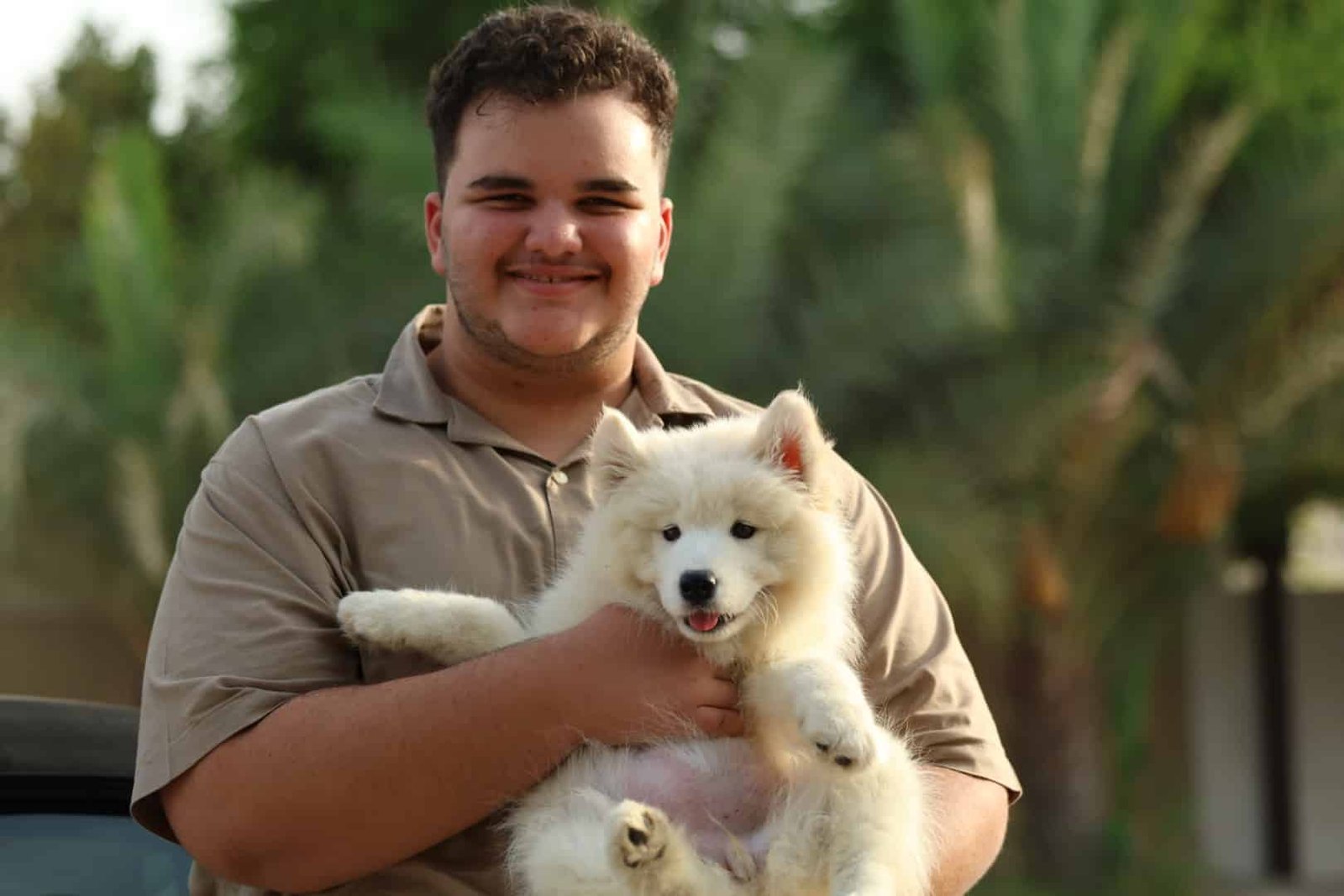
Yorkshire Terrier Teacup or a Husky Puppy?
A Husky puppy is very different from a Yorkshire Terrier in size, exercise needs, and daily management.
Huskies generally grow into medium-to-large, energetic dogs that need substantial activity and careful heat management in the UAE.
If you live in a small apartment and prefer a compact companion, a Yorkshire Terrier may fit your space more easily. But you should still plan for exercise, training, grooming, and attention.
If you are comparing small dogs with a biggest dog breed, remember that adult size is only one factor. Temperament, health, energy, and the time you can provide all matter.
Finding a Yorkshire Terrier Teacup in the UAE
If you are looking for a Yorkshire Terrier teacup in Dubai, Abu Dhabi, Sharjah, or elsewhere in the UAE, take time to compare sellers and ask clear questions.
A responsible purchase begins with information, not urgency.
What Should You Check When Meeting a Puppy?
Observe the puppy when it is awake and moving naturally. Look for comfortable movement, normal breathing, and interest in its surroundings. A puppy may be shy in a new place, so avoid judging its temperament from one brief interaction.
Ask to review the available health records and learn about the puppy’s daily routine.
If possible, meet the puppy in a suitable environment and ask questions about how it has been raised. Photos and videos can help you discover a puppy, but they cannot replace a careful assessment.
Why Should You Avoid Choosing Only by Size?
A seller may advertise an exceptionally tiny puppy because that feature attracts attention. However, unusually small size can sometimes be linked to health concerns.
Do not pay more simply because someone claims a puppy will remain extremely small. Ask what evidence supports the expected adult size and whether a veterinarian has assessed the puppy’s development.
A healthy dog with a suitable temperament is a better choice than a puppy selected only for being the smallest.
How Puppies Hub Can Help You Explore Yorkshire Terrier Puppies
If you are considering a Yorkshire Terrier teacup, Puppies Hub is a dog store in the UAE where you can explore available breeds and learn more about your options.
Start by browsing the puppies available on the website. When you find a Yorkshire Terrier that interests you, ask about its age, health information, expected size, and daily care requirements.
A good buying decision should give you enough information to understand the puppy’s needs before you commit.
Puppies Hub can be a starting point for your search, but you should still review the information provided for the individual puppy and arrange appropriate veterinary care.
Yorkshire Terrier Teacup: Is This the Right Puppy for You?
Before choosing a Yorkshire Terrier teacup, think about your normal day.
Do you have time for grooming? Can you provide regular meals and toilet breaks? Is your home safe for a very small dog? Can you afford veterinary care? Will someone be available to look after the puppy when you travel?
These questions may seem ordinary, but they help prevent problems later. A Yorkshire Terrier can be a wonderful companion for someone who enjoys interaction and is ready to care for a small dog responsibly. It may not be the best choice for someone who wants a pet that requires little attention.
The right match is not about finding the smallest puppy available. It is about finding a healthy dog whose needs fit your home, routine, and expectations.
Frequently Asked Questions About Yorkshire Terrier Teacup Dogs
1. What is a Yorkshire Terrier teacup?
A Yorkshire Terrier teacup is a Yorkshire Terrier marketed as especially small. “Teacup” is not a separate official breed classification, and it does not guarantee a specific adult size or health status.
2. How big does a Yorkshire Terrier teacup get?
Adult size varies. The puppy’s genetics, development, and health influence its final size. Ask about the parents and available growth information, but understand that an exact adult weight cannot be guaranteed.
3. Is a Yorkshire Terrier teacup good for apartment living?
Yes, it can adapt well to apartment life when it receives exercise, training, interaction, and toilet breaks. Safe indoor space and a consistent routine are important.
4. Are Yorkshire Terrier teacup puppies healthy?
Some are healthy, but extremely small size can increase certain risks, including injury and low blood sugar. Review veterinary records and arrange a professional examination rather than judging health by appearance alone.
5. Does a Yorkshire Terrier teacup need daily exercise?
Yes. It needs suitable daily movement and mental stimulation. Short walks, safe play, and brief training sessions can help meet its needs, with activity adjusted for age and health.
6. Is a Yorkshire Terrier teacup easy to train?
Yorkshire Terriers can learn household rules and basic commands with consistent, reward-based training. Toilet training may take patience, and the puppy should be handled gently because of its small size.
7. How often should I groom a Yorkshire Terrier teacup?
Grooming needs depend on coat length and condition. Regular brushing, nail care, ear checks, and dental care are important. A professional groomer can help you maintain the coat comfortably.
8. Can a Yorkshire Terrier teacup live in the UAE?
Yes, with appropriate care. Provide a cool indoor environment, fresh water, and outdoor activity during cooler hours. Avoid hot pavement and never leave the dog in a parked car.
9. What should I ask before buying a Yorkshire Terrier teacup?
Ask about the puppy’s age, veterinary examination, vaccinations, deworming, parents, feeding routine, health history, and expected adult size. Request available records and avoid making a decision based only on photos.
10. Should I choose the smallest Yorkshire Terrier teacup puppy?
Not automatically. The smallest puppy is not necessarily the healthiest or the best match for your home. Prioritize health, appropriate development, temperament, and clear information about its background.
A Yorkshire Terrier teacup may be tiny, but caring for one is a real commitment. Before choosing a puppy, look beyond the label, learn about its needs, and make sure you are ready to provide a safe home. When size is only one part of your decision, you have a much better chance of finding a companion who fits your life for years to come.