Showing the single result
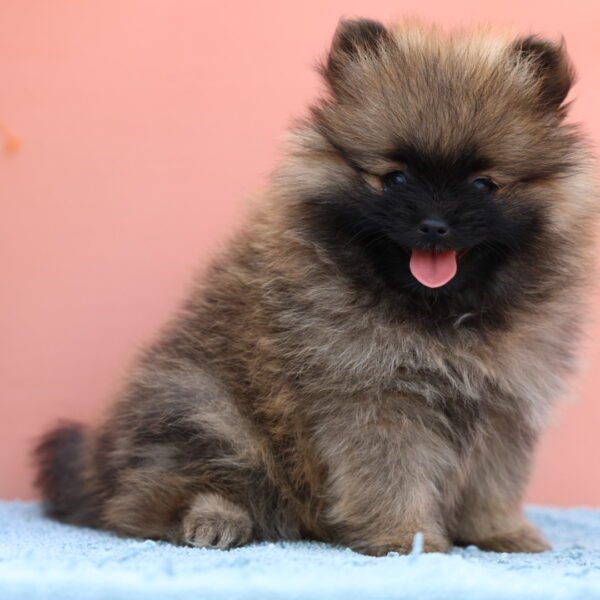
Pomeranian Puppy for Sale in Dubai – 8 Weeks Old
Original price was: 6,200 د.إ.5,600 د.إCurrent price is: 5,600 د.إ.What should you know before choosing a Pomeranian puppy for sale? If you are looking for a Pomeranian puppy for sale, you may also be searching for a tea cup Pomeranian puppy, a teacup Pomeranian puppy, or a baby Pomeranian dog before making your decision. Many families also compare the Pomeranian puppy price, look to buy a Pomeranian puppy online, or check the Pomeranian dog price in UAE and Pomeranian dog price in Dubai while searching for the right puppy.
Before bringing one home, it is important to understand the breed’s history, personality, grooming needs, nutrition, training, health, and how well a Pomeranian adapts to life in the UAE. Learning about these topics first will help you choose the right puppy and provide the best possible care throughout its life.
Pomeranian Puppy for Sale: Why Learning About the Breed Comes First
Finding the perfect puppy is about much more than choosing the cutest face. The Pomeranian is a small breed with a big personality. It is intelligent, confident, affectionate, and enjoys spending time with its family.
Before welcoming a Pomeranian into your home, it is helpful to understand:
- The breed’s history
- Daily care requirements
- Grooming needs
- Nutrition
- Exercise
- Training
- Health concerns
- Family compatibility
Knowing these details helps owners make informed decisions and build a strong relationship with their new companion.
History of the Pomeranian
The Pomeranian belongs to the Spitz family, one of the oldest groups of dog breeds in the world. Although today’s Pomeranian is a small companion dog, its ancestors were much larger working dogs that lived in Northern Europe.
These early dogs helped people by:
- Pulling small sleds
- Herding animals
- Watching over homes
- Working in cold climates
Over many generations, breeders selected smaller dogs while keeping the breed’s intelligence and lively personality.
This gradual development created the modern Pomeranian we know today.
You can also learn about the history of the Yorkshire terrier puppy and husky dog
Where Did the Pomeranian Come From?
The Pomeranian takes its name from Pomerania, a historic region that lies between present-day northern Poland and northeastern Germany. This area was well known for breeding strong Spitz-type dogs, which served as the ancestors of the modern Pomeranian.
Over time, breeders developed a smaller and more refined version of these dogs. Their charming appearance, fluffy coats, and lively personalities quickly captured the attention of European royalty, making the Pomeranian one of the most admired companion breeds in Europe.
How the Pomeranian Became Popular
The Pomeranian’s popularity grew significantly during the nineteenth century. One of the most influential figures behind its success was Queen Victoria, who owned several Pomeranians and greatly admired the breed.
Queen Victoria favored smaller dogs, inspiring breeders to continue developing more compact Pomeranians. As a result, the breed became increasingly popular throughout Europe before eventually gaining recognition around the world. Today, the Pomeranian is considered one of the most recognizable and beloved toy dog breeds.
What Was the Pomeranian Originally Bred For?
Unlike many toy breeds that were developed primarily for companionship, the Pomeranian descends from hardworking Spitz-type dogs. Although today’s Pomeranians are best known as affectionate companion animals, they have retained many of the traits inherited from their working ancestors.
These qualities include:
- Alertness
- Intelligence
- Curiosity
- Energy
- Confidence
These characteristics not only reflect the breed’s history but also make the Pomeranian an excellent companion for families and individuals alike.
Pomeranian Quick Facts
| Feature | Information |
|---|---|
| Breed Group | Toy Group |
| Country of Origin | Germany and Poland (Historical Pomerania) |
| Original Purpose | Companion Dog with Working Spitz Ancestors |
| Height | 18–24 cm |
| Weight | 1.8–3.5 kg |
| Life Expectancy | 12–16 years |
| Coat Type | Long Double Coat |
| Shedding | Moderate |
| Grooming Needs | High |
| Energy Level | Moderate |
| Intelligence | High |
| Apartment Friendly | Excellent |
| Family Friendly | Excellent |
Physical Appearance
The Pomeranian is easy to recognize because of its fluffy coat, fox-like face, and lively expression.
Typical features include:
- Thick double coat
- Small pointed ears
- Bright almond-shaped eyes
- Curled tail carried over the back
- Compact body
- Light, graceful movement
Although small, the breed has a confident posture that often makes it appear larger than it really is.
Size and Weight of Baby Pomeranian Dog
The Pomeranian is one of the smallest companion breeds. Healthy adults usually measure:
| Feature | Average Size |
|---|---|
| Height | 18–24 cm |
| Weight | 1.8–3.5 kg |
Because of their small size, owners should handle puppies carefully, especially during the first few months.
Tea cup Pomeranian Puppy
Many people search for a Tea cup Pomeranian puppy because they are looking for an exceptionally small companion dog. However, it is important to understand that “Teacup Pomeranian” is not an officially recognized breed or size classification.
Major kennel organizations recognize only the standard Pomeranian. The term “teacup” is commonly used as a marketing label to describe:
- Smaller-than-average puppies
- Naturally small adult Pomeranians
- Dogs promoted for their tiny size
When choosing a Pomeranian puppy, it is always best to prioritize good health, responsible breeding, and proper care rather than focusing solely on finding the smallest possible dog.
Coat Colors of a Teacup Pomeranian Puppy
Pomeranians come in a wide variety of beautiful coat colors, making each dog unique in appearance. Some of the most common colors include:
- Orange
- Cream
- White
- Black
- Brown
- Blue
- Chocolate
- Red
- Parti-color
As Pomeranians mature, their coat color may change slightly, so a puppy’s appearance does not always reflect its final adult coloring.
The Famous Double Coat
One of the Pomeranian’s most distinctive features is its luxurious double coat. It consists of a soft, dense undercoat covered by a longer, straight outer coat. This unique combination creates the breed’s signature fluffy appearance while also protecting it from the elements.
Regular brushing is essential to keep the coat healthy, prevent tangles, and reduce loose hair.
Why the Pomeranian Looks Larger Than It Is
Many people are surprised by how small a Pomeranian actually is when they meet one in person. Its thick, fluffy coat creates the illusion of a much larger dog.
Beneath all that fur is a compact, lightweight body packed with energy, making the breed both agile and lively despite its tiny size.
Pomeranian Personality
The Pomeranian is well known for its lively, confident, and affectionate personality. Although it is one of the smallest dog breeds, it often displays the boldness and self-assurance of a much larger dog.
Some of the breed’s most notable personality traits include:
- Loyal
- Curious
- Friendly
- Alert
- Intelligent
- Playful
- Brave
- Affectionate
These qualities make the Pomeranian an excellent companion for families, singles, and seniors alike. Its intelligence, playful nature, and strong bond with its owners have helped make it one of the world’s most popular companion dog breeds.
Is the Pomeranian a Good Family Dog?
Yes. A well-socialized Pomeranian develops strong bonds with its family. It enjoys spending time with people and often likes participating in everyday activities.
The breed adapts well to:
- Families
- Couples
- Seniors
- Apartment owners
- First-time dog owners
With proper training, regular grooming, and daily attention, the Pomeranian becomes a loving companion for many years.
Baby Pomeranian Dog Development
A baby Pomeranian dog grows quickly during its first year of life. Although this breed remains small as an adult, the first few months are very important for healthy physical growth, confidence, and social development.
The care a puppy receives during this stage has a lasting effect on its behavior, health, and relationship with people.
Providing proper nutrition, gentle training, and positive experiences helps a puppy grow into a friendly and confident companion.
Pomeranian Puppy Development Stages
| Age | Development Milestones | What Owners Should Know |
|---|---|---|
| Birth to 2 Weeks | Puppies spend most of their time sleeping and nursing. Their eyes remain closed, they cannot regulate their body temperature, and they rely completely on their mother for warmth, nutrition, and protection. | Healthy Pomeranian puppies should gain weight steadily during this stage. Proper maternal care is essential for healthy early development. |
| 3 to 4 Weeks | Puppies begin opening their eyes fully, responding to sounds, walking with better balance, playing with their littermates, and exploring nearby objects. | These early experiences help build confidence, improve communication skills, and support healthy social development. |
| 5 to 8 Weeks | Pomeranian puppies become much more active and begin developing bite inhibition, social skills, confidence, curiosity, and independence through play and daily interactions. | Responsible breeders provide gentle daily handling and expose puppies to normal household sounds, helping them transition successfully into family life. |
When Can a Pomeranian Puppy Leave Its Mother?
Most Pomeranian puppies are ready to leave their mother between 8 and 10 weeks of age. During this important stage, they continue to learn essential social and behavioral skills from their mother, littermates, daily play, and regular interaction.
Separating a puppy too early can affect its confidence and emotional development. Waiting until the appropriate age helps ensure a smoother transition to its new home and supports healthy physical and emotional growth.
Signs That a Puppy Is Ready for a New Home
Before joining a new family, a healthy Pomeranian puppy should be able to:
- Eat solid food independently
- Drink water without assistance
- Walk confidently
- Play actively
- Gain weight consistently
- Receive its first veterinary examination
- Begin its vaccination schedule
Reaching these milestones indicates that the puppy is physically and emotionally prepared for life in a new home.
Pomeranian Personality
The Pomeranian is well known for its lively, confident, and affectionate personality. Despite its small size, it often behaves like a much larger dog, showing remarkable courage and curiosity.
Some of the breed’s most common personality traits include:
- Friendly
- Curious
- Intelligent
- Loyal
- Alert
- Playful
- Confident
- Affectionate
Pomeranians form strong bonds with their owners and enjoy being involved in everyday family activities.
Is the Pomeranian Good with Families?
Yes. The Pomeranian is a loving companion that generally adapts well to family life. It enjoys spending time with adults, older children, and seniors, making it a versatile pet for many households.
Because of its small size, young children should always be taught how to handle the dog gently. Supervised play helps prevent accidental injuries and encourages positive interactions.
Is the Pomeranian Good with Children?
A well-socialized Pomeranian can be an excellent companion for respectful children. Teaching children how to interact appropriately with the puppy helps build a safe and lasting relationship.
Children should learn to:
- Hold the puppy gently
- Avoid pulling its ears or tail
- Respect the puppy while it is eating
- Let it sleep without interruption
- Play calmly and carefully
With proper guidance, both the puppy and the children can develop a strong and trusting bond.
Can a Pomeranian Live with Other Dogs?
Yes. Most Pomeranians can live happily with other friendly dogs when introductions are gradual and positive.
Early socialization helps puppies become more confident around different breeds, while calm introductions encourage healthy, long-lasting relationships.
Can a Pomeranian Live with Cats?
Many Pomeranians also live peacefully with cats. Introducing both animals slowly and supervising their early interactions allows them to become comfortable with one another. Patience and consistency usually lead to the best results.
Intelligence
The Pomeranian is an intelligent breed that enjoys learning and adapting to daily routines. It quickly recognizes family members, feeding schedules, walking times, favorite toys, and household habits.
Its eagerness to learn makes training both enjoyable and rewarding when positive reinforcement is used.
Is the Pomeranian Easy to Train?
Yes. Pomeranians respond exceptionally well to reward-based training methods.
Training sessions are most effective when they are:
- Short
- Positive
- Consistent
- Engaging
Praise, encouragement, and small treats are excellent motivators that help reinforce good behavior.
Basic Commands Every Pomeranian Should Learn
Teaching basic commands from an early age helps develop a well-behaved and confident companion.
Essential beginner commands include:
- Sit
- Stay
- Come
- Down
- Wait
- Leave it
Practicing these commands daily strengthens communication and builds trust between the dog and its owner.
Socialization
Socialization is one of the most important aspects of raising a confident and well-adjusted Pomeranian.
Gradually introduce your puppy to:
- New people
- Friendly dogs
- Different environments
- Household noises
- Car rides
- Grooming sessions
- Veterinary visits
Positive experiences during puppyhood often lead to a calm, confident, and friendly adult dog.
Exercise Needs
Although small in size, the Pomeranian is an active breed that benefits from daily exercise.
Healthy adult dogs usually enjoy:
- One or two short walks each day
- Indoor play sessions
- Interactive toys
- Short training activities
Regular exercise helps maintain a healthy weight while preventing boredom and excess energy.
Mental Stimulation
Mental stimulation is just as important as physical exercise. Activities that keep a Pomeranian mentally engaged include:
- Puzzle toys
- Hide-and-seek games
- Treat-dispensing toys
- Learning new tricks
- Obedience training
Rotating activities regularly helps keep the dog interested and mentally challenged.
Can a Pomeranian Live in an Apartment?
Yes. Thanks to its compact size, the Pomeranian is one of the best dog breeds for apartment living.
Even in smaller homes, it still requires:
- Daily walks
- Mental enrichment
- Interactive playtime
- Regular social interaction
Meeting these needs helps maintain both physical health and emotional well-being.
Does the Pomeranian Bark a Lot?
Pomeranians are naturally alert and attentive dogs. They often bark when:
- Visitors arrive
- They hear unfamiliar sounds
- Someone approaches the home
With early training and consistent guidance, excessive barking can usually be managed while allowing the dog to remain an effective watchdog.
Can a Pomeranian Be a Guard Dog?
Although the Pomeranian is far too small to serve as a guard dog, it makes an excellent watchdog.
Its alert nature allows it to notify its owners of quickly:
- Visitors
- Unusual noises
- Activity outside the home
This natural awareness makes the breed a surprisingly observant companion.
Preparing Your Home Before Bringing Your Puppy Home
Before bringing your Pomeranian puppy home, prepare a safe and comfortable environment.
Essential supplies include:
- A comfortable bed
- Food and water bowls
- Puppy-safe toys
- A grooming brush
- A collar and harness
- Training treats
- A properly sized crate
Be sure to remove small objects that could pose a choking hazard and keep electrical cords safely out of reach.
Why Early Training Matters
Good habits begin during puppyhood. Starting training early helps your Pomeranian develop confidence, self-control, good manners, focus, and trust.
Consistent daily training not only makes future learning easier but also strengthens the bond between the puppy and its family, laying the foundation for a happy and well-behaved companion.
Best Food for a Pomeranian
A healthy, balanced diet is essential for keeping a Pomeranian energetic, supporting proper growth, and maintaining its beautiful, fluffy coat. Although the breed is small, Pomeranians are active dogs that require complete and nutritious meals throughout every stage of life.
A well-balanced diet should include:
- High-quality animal protein
- Healthy fats
- Essential vitamins
- Minerals
- Fiber
- Omega-3 and Omega-6 fatty acids
Fresh, clean drinking water should always be available to help keep your Pomeranian properly hydrated.
Feeding a Baby Pomeranian Dog
A baby Pomeranian has different nutritional requirements than an adult dog. Because puppies grow rapidly during their first few months, they need several small meals throughout the day to support healthy growth and development.
Choose a high-quality puppy food that is specifically formulated for small breeds. A nutritious puppy diet should provide:
- High-quality animal protein
- DHA to support healthy brain development
- Calcium
- Phosphorus
- Healthy fats
- Essential vitamins
If you need to change your puppy’s food, do so gradually over several days. A slow transition helps reduce the risk of digestive upset and allows your puppy to adjust comfortably to the new diet.
Feeding Schedule
A regular feeding routine helps maintain healthy digestion and supports house training.
| Age | Meals Per Day |
|---|---|
| 8–12 Weeks | 4 meals |
| 3–6 Months | 3 meals |
| 6–12 Months | 2–3 meals |
| Adult | 2 meals |
| Senior | 2 smaller meals or as recommended by a veterinarian |
Keeping meal times consistent helps your puppy feel secure.
Pomeranian Feeding and Hydration Guide
| Nutrition Topic | Recommendations | Why It Matters |
|---|---|---|
| Portion Control | Measure each meal carefully based on your Pomeranian’s age, weight, activity level, overall health, and type of food. | Proper portion control helps prevent overfeeding, supports a healthy weight, and promotes long-term health. |
| Healthy Treats | Offer treats in moderation. Good options include small training treats, cooked chicken pieces, carrot slices, blueberries, apple slices (without seeds), and veterinarian-approved dental treats. | Healthy treats support training while helping maintain a balanced diet and healthy body condition. |
| Foods to Avoid | Never feed your Pomeranian chocolate, grapes, raisins, onions, garlic, alcohol, coffee, tea, xylitol, macadamia nuts, or cooked bones. | These foods can be toxic or cause serious health problems. Contact your veterinarian immediately if your dog consumes any of them. |
| Water Requirements | Always provide fresh, clean drinking water. Replace the water several times a day, wash the bowl daily, carry water during walks, and encourage drinking after exercise. | Proper hydration supports overall health and is especially important during the hot summer months in the UAE. |
Grooming baby Pomeranian dog
The Pomeranian’s beautiful double coat requires regular care to stay healthy and free from tangles.
Routine grooming helps:
- Remove loose hair
- Reduce shedding
- Prevent mats
- Keep the skin healthy
- Improve coat appearance
Starting grooming while the puppy is young helps it become comfortable with regular handling.
Pomeranian Grooming and Health Care Checklist
| Care Area | Recommended Care | Why It Matters |
|---|---|---|
| Brushing the Coat | Brush the coat daily, paying special attention to areas prone to tangles, including behind the ears, around the neck, under the front legs, behind the back legs, and around the tail. | Removes loose hair, prevents mats, and keeps the double coat healthy and well-maintained. |
| Seasonal Shedding | Increase brushing during seasonal coat changes, remove loose undercoat, and check the skin for signs of irritation. | Helps manage heavier shedding, improves coat health, and reduces loose hair around the home. |
| Bathing | Bathe your Pomeranian every 3–4 weeks. Brush the coat before bathing, remove tangles, use lukewarm water, and choose a dog-specific shampoo. Rinse thoroughly. | Keeps the coat and skin clean while preventing irritation caused by shampoo residue. |
| Drying the Coat | Towel dry the coat gently after bathing. If needed, use a pet-safe dryer on a low setting while brushing to maintain the coat’s natural volume. | Proper drying prevents trapped moisture, reduces the risk of skin problems, and preserves the coat’s fluffy appearance. |
| Eye Care | Check the eyes daily for tear stains, redness, swelling, or discharge, and keep the facial area clean. | Helps prevent irritation and allows early detection of eye problems. |
| Ear Cleaning | Inspect the ears weekly to ensure they remain clean, dry, and odor-free. Clean only the visible part of the ear using a veterinarian-approved ear cleaner. | Regular ear care helps prevent infections and supports long-term ear health. |
| Dental Care | Brush the teeth regularly, ideally every day or at least several times a week, using toothpaste formulated for dogs. | Reduces plaque, tartar, gum disease, and bad breath while promoting lifelong oral health. |
| Nail Care | Check the nails every few weeks and trim them when they begin clicking on hard floors. | Proper nail length supports comfortable movement and healthy posture. |
| Paw Care | Inspect the paws after walks, removing sand, dirt, stones, and plant material. Check the paw pads for cuts or cracks. | Keeps the paws clean, comfortable, and free from irritation or injury. |
| Coat Trimming | Avoid shaving the coat unless recommended by a veterinarian for medical reasons. Trim around the paws and hygiene areas as needed, and schedule professional grooming every 6–8 weeks. | Preserve the natural texture and protective function of the double coat while keeping your Pomeranian clean and comfortable. |
Grooming Schedule
| Grooming Task | Recommended Frequency |
|---|---|
| Brushing | Daily |
| Bathing | Every 3–4 weeks |
| Nail Trimming | Every 3–4 weeks |
| Ear Check | Weekly |
| Teeth Brushing | Daily or several times weekly |
| Eye Cleaning | Daily |
| Professional Grooming | Every 6–8 weeks |
Daily Care Routine
A consistent routine helps Pomeranians feel secure.
An example schedule includes:
| Time | Activity |
|---|---|
| Morning | Walk, breakfast, fresh water |
| Mid-Morning | Playtime and rest |
| Afternoon | Training session or puzzle toy |
| Evening | Walk, dinner, family time |
| Night | Final toilet break and bedtime |
Predictable routines help puppies adjust more easily to family life.
Pomeranian Puppy Price
Many future owners compare the Pomeranian puppy price before choosing a puppy.
The price may vary depending on several important factors, including:
- Bloodline
- Age
- Health status
- Vaccination history
- Breeding quality
- Early socialization
Instead of choosing based only on price, focus on finding a healthy puppy from a trusted provider.
Buy Pomeranian Puppy Online
Many families choose to buy Pomeranian puppy online because it allows them to explore available puppies before visiting a trusted breeder or pet store.
When buying online, always look for a provider that offers:
- Clear health information
- Veterinary records
- Vaccination history
- Recent puppy photos
- Honest communication
- Ongoing customer support
Taking time to verify these details helps you make a confident and informed decision.
Common Grooming Mistakes
Some common mistakes include:
- Skipping daily brushing
- Bathing too often
- Using human shampoo
- Ignoring dental care
- Forgetting regular nail trimming
- Allowing mats to develop
Building a simple grooming routine from puppyhood helps prevent these problems.
Why Grooming Is an Important Part of Health Care
Grooming does much more than keep your Pomeranian looking beautiful.
It also allows you to monitor your puppy’s:
- Skin
- Coat
- Eyes
- Ears
- Teeth
- Paws
Regular grooming sessions also strengthen trust and help your puppy become comfortable with handling throughout its life.
Find Your Pomeranian Puppy at Puppies Hub
Choosing the right place to find your puppy is just as important as choosing the breed itself. A healthy puppy should come from a trusted source that focuses on responsible breeding, veterinary care, proper nutrition, and early socialization.
At Puppies Hub, we are dedicated to helping families across the UAE find healthy, happy puppies that are ready to become lifelong companions.
Every puppy receives the care and attention it needs before joining its new home, giving families confidence from the very beginning.
Why Choose Puppies Hub?
At Puppies Hub, we believe that every puppy deserves a healthy start and every family deserves honest guidance.
Our team is committed to providing puppies that are raised with care, responsibility, and professional attention.
When you choose Puppies Hub, you can expect:
- Healthy puppies
- Ethical breeding practices
- Veterinary health examinations
- Age-appropriate vaccinations
- Proper nutrition
- Early socialization
- Clean and comfortable living conditions
- Friendly customer support before and after adoption
Our goal is to make the experience of bringing home a puppy enjoyable, safe, and rewarding.
Healthy Puppies Raised with Care
The first weeks of a puppy’s life play an important role in its future health and personality.
At Puppies Hub, every puppy benefits from:
- Daily health monitoring
- Balanced nutrition
- Veterinary supervision
- Gentle human interaction
- Safe and clean surroundings
These early experiences help puppies become confident, friendly, and well-adjusted companions.
Support Before and After Adoption
Bringing home a puppy often comes with many questions.
Whether you need advice about:
- Feeding
- Grooming
- House training
- Exercise
- Vaccinations
- Socialization
- Daily care
Our experienced team is always ready to help.
We believe that supporting our customers continues long after the puppy arrives home.
Serving Families Across the UAE
Whether you live in:
- Dubai
- Sharjah
- Abu Dhabi
Puppies Hub proudly helps families throughout the UAE find the right puppy for their lifestyle.
Our mission is to make the process simple while ensuring every puppy receives the highest level of care.
Start Your Journey with Puppies Hub
If you are searching for a healthy Pomeranian puppy for sale, Puppies Hub is here to help you find the perfect companion.
At Puppies Hub, we are more than just a pet shop near you—we’re your trusted destination for puppies for sale Dubai. We offer healthy, vaccinated, and ethically bred puppies delivered across the UAE, including Dubai, Sharjah, and Abu Dhabi. Our team ensures top-quality care, fast delivery, and 24/7 customer support through WhatsApp and phone.
Whether you are welcoming your first puppy or adding another furry family member, Puppies Hub is committed to helping you enjoy every step of your journey.
Check Beagle dog price in UAE and Shiba Inu dog price from Puppies Hub
Common Health Problems in Pomeranian puppy for sale
The Pomeranian is generally a healthy breed and often enjoys a long lifespan. However, like all dogs, it can develop certain inherited or age-related health conditions. Regular veterinary care, balanced nutrition, proper exercise, and responsible breeding all help reduce the risk of many health problems.
Recognizing early signs allows owners to seek treatment before conditions become more serious.
Common Health Problems in Pomeranians
| Health Condition | Description | Common Signs | Prevention & Management |
|---|---|---|---|
| Dental Disease | A common oral health problem in small breeds because plaque and tartar build up quickly in their small mouths. | Bad breath, red or bleeding gums, difficulty chewing, and loose teeth. | Brush the teeth regularly, schedule professional dental cleanings, and follow a consistent dental care routine. |
| Patellar Luxation | The kneecap slips out of its normal position, a condition commonly seen in toy breeds. | Skipping while walking, limping, holding one leg up, and difficulty jumping. | Maintain a healthy body weight to reduce stress on the joints. Your veterinarian may recommend monitoring or surgery depending on the severity. |
| Tracheal Collapse | Weakening of the windpipe that can develop as some Pomeranians age. | Dry cough, honking sound, coughing when excited, and difficulty breathing during exercise. | Use a harness instead of attaching the leash to a collar to reduce pressure on the neck and follow your veterinarian’s advice. |
| Eye Problems | Pomeranians may develop eye conditions such as cataracts, dry eye, or Progressive Retinal Atrophy (PRA). | Cloudy eyes, redness, swelling, excessive tearing, and vision changes. | Schedule regular eye examinations and seek prompt veterinary care if symptoms appear. |
| Skin Allergies | Allergic reactions may be triggered by food, grass, dust, flea bites, or environmental allergens. | Scratching, hair loss, red skin, ear infections, and excessive licking. | Work with your veterinarian to identify the trigger and create an effective treatment plan. |
| Hypoglycemia | Low blood sugar is most common in very young and extremely small Pomeranian puppies. | Weakness, trembling, sleepiness, poor coordination, and loss of appetite. | Feed young puppies several small meals throughout the day to help maintain stable blood sugar levels and seek veterinary care if symptoms develop. |
| Obesity | Excess body weight can affect overall health, even in this active toy breed. | Weight gain, reduced mobility, lower activity levels, and decreased stamina. | Provide a balanced diet, measure meal portions carefully, limit treats, and encourage daily exercise to maintain a healthy weight. |