
Showing the single result
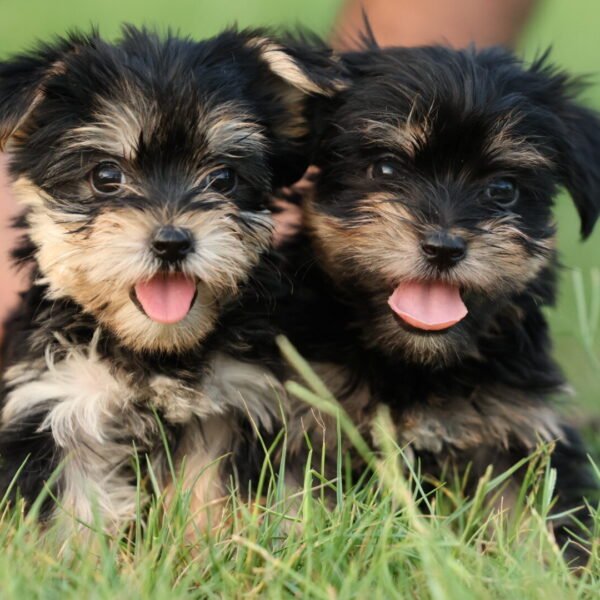
Yorkshire Terrier Puppy for Sale in UAE – 8 Weeks Old
Original price was: 7,700 د.إ.6,500 د.إCurrent price is: 6,500 د.إ.If you are looking for a Yorkshire Terrier puppy for sale, you have probably come across different options such as a mini Yorkshire Terrier, a Yorkshire Terrier teacup, or a standard Yorkshire Terrier for sale. Many families searching for a Yorkshire Terrier Dubai also want to know the Yorkshire Terrier price in Dubai, the average Yorkshire Terrier cost, and how to choose a healthy Yorkshire Terrier puppy from a trusted breeder. Whether you are interested in a Yorkshire Terrier for sale, a mini Yorkshire Terrier for sale, or simply want to learn more about this charming Yorkshire Terrier dog, this guide covers everything you need to know. You will also discover why a Yorkshire Terrier puppy cute appearance is only one part of what makes this breed so special, what affects the Yorkshire Terrier price, and how to choose the right mini Yorkshire Terrier puppy for your family.
What Is a Yorkshire Terrier?
A Yorkshire Terrier is a small dog with a huge personality. Even though it is one of the smallest dog breeds in the world, it is known for being brave, energetic, intelligent, and very loyal to its owner.
A Yorkshire Terrier is a toy-sized dog breed that originated in England during the 19th century. It was first developed to catch rats in textile mills, but today it is one of the world’s most popular companion dogs because of its affectionate personality, beautiful silky coat, and adaptable size.
Many people think Yorkshire Terriers were always luxury lap dogs. The truth is quite different. These little dogs earned their reputation through hard work before becoming one of the most loved family pets around the world.
Today, Yorkshire Terriers are popular in many countries, including the UAE. Their compact size makes them suitable for apartments, while their playful nature makes them enjoyable companions for families, couples, and individuals.
Quick Facts About the Yorkshire Terrier
| Feature | Information |
|---|---|
| Breed Group | Toy Group |
| Origin | England |
| Original Purpose | Rat Hunting |
| Current Purpose | Companion Dog |
| Average Height | 18–23 cm |
| Average Weight | 2–3.5 kg |
| Life Expectancy | 11–15 years |
| Coat Type | Long, silky, straight |
| Shedding | Very Low |
| Energy Level | Medium to High |
| Intelligence | Very High |
| Good With Children | Yes, with supervision |
| Apartment Friendly | Excellent |
| Climate Adaptability | Good with proper care |
Why Are Yorkshire Terriers So Popular?
Yorkshire Terriers are popular because they combine intelligence, beauty, confidence, and a compact size. They are easy to carry, suitable for apartment living, and develop strong bonds with their families.
Their popularity continues to grow because they fit many lifestyles.
Some owners enjoy their elegant appearance, and others appreciate their lively personality.
Many simply love how devoted they become to one person while remaining friendly with the rest of the family. Unlike some toy breeds that prefer relaxing all day, Yorkshire Terriers enjoy exploring, learning tricks, and participating in daily activities.
They often behave as if they are much larger than they really are. This fearless attitude is one of the breed’s defining characteristics.
The History of the Yorkshire Terrier
The Yorkshire Terrier was developed in Yorkshire, England, during the Industrial Revolution. Workers needed a small yet fearless dog capable of hunting rats in factories, mines, and textile mills. Understanding the breed’s history helps explain many of the characteristics and behaviors it displays today.
Life During the Industrial Revolution
During the 1800s, England underwent rapid industrialization, particularly in the northern regions, where large textile factories were established. These factories attracted thousands of workers from across the country, but they also created ideal conditions for rat infestations.
Rats caused significant problems by damaging valuable fabrics, contaminating food supplies, and spreading disease. Factory owners needed an effective way to control these pests. Although cats were useful, small, fearless dogs proved even more effective, especially in the narrow spaces of factories, mills, and mines. This growing demand ultimately led to the development of the breed that would become the Yorkshire Terrier.
The Scottish Connection
Although many people believe the Yorkshire Terrier originated solely in Yorkshire, its history is more complex. During the Industrial Revolution, many Scottish workers migrated south to Yorkshire in search of employment, bringing several small terrier breeds with them. These included the Clydesdale Terrier, Paisley Terrier, Skye Terrier, and Waterside Terrier.
Breeders carefully crossed these dogs to combine their strongest qualities. Their goal was to create a terrier that was small enough to fit into tight spaces, brave enough to hunt rats, intelligent enough to learn quickly, fast enough to catch its prey, and strong despite its small size. Through selective breeding over many years, they successfully developed a dog that exceeded these expectations.
Becoming a Recognized Breed
As time passed, people realized that these hardworking terriers were not only highly skilled but also exceptionally attractive. Their long, silky coats, bright eyes, and confident, elegant gait quickly captured public attention.
As a result, the Yorkshire Terrier gradually transitioned from a hardworking rat hunter to a fashionable companion for wealthy families. Dog shows further increased the breed’s popularity, as judges admired its luxurious coat and refined appearance. Breeders continued to enhance these physical traits while preserving the courage, intelligence, and determination that had originally made the breed so valuable.
How the Yorkshire Terrier Breed Changed Over Time
| Time Period | Yorkshire Terrier Characteristics |
|---|---|
| Early Yorkshire Terriers | Slightly larger, stronger, more muscular, and bred mainly for working purposes such as catching rats in mills and factories. |
| Selective Breeding Over Time | Breeders gradually focused on creating smaller companion dogs with longer coats, richer coat colors, elegant movement, and friendly personalities. |
| Modern Yorkshire Terriers | Today’s Yorkshire Terriers are small, stylish companion dogs that still retain the breed’s original courage, curiosity, intelligence, and confidence, making them one of the world’s most popular companion breeds. |
Was the Yorkshire Terrier Always a Small Dog?
No. Early Yorkshire Terriers were generally larger and more robust than many of the dogs seen today. Over time, selective breeding gradually reduced their size while preserving the breed’s distinctive characteristics. Today, responsible breeding programs focus on producing healthy dogs that meet the established breed standard.
Some people are interested in extremely small dogs marketed as “teacup” Yorkshire Terriers. However, it is important to understand that major kennel clubs do not officially recognize the Teacup Yorkshire Terrier as a separate breed or variety. Instead, the term “teacup” is commonly used to describe mini Yorkshire Terriers that are significantly smaller than the breed standard.
Because of their exceptionally small size, these dogs may require additional care, particularly when it comes to nutrition, maintaining body temperature, and monitoring their overall health. For this reason, choosing a healthy puppy from a responsible and ethical breeder is always more important than selecting the smallest puppy in a litter.
The original job of the Yorkshire Terrier dog
| Category | Details |
|---|---|
| Original Purpose | Yorkshire Terriers were originally bred as skilled pest hunters, helping control rodent populations in working environments. |
| Common Workplaces | Textile mills, warehouses, mines, farms, and workshops. |
| Main Responsibilities | Hunting rats, protecting stored food supplies, preventing damage to fabrics and equipment, and reducing rodent infestations. |
| Skills That Made Them Effective | Quick reflexes, intelligence, bravery, agility, determination, and the ability to work in small spaces. |
| Natural Instincts Today | Modern Yorkshire Terriers still enjoy chasing toys, exploring new environments, solving interactive puzzles, and participating in games that stimulate their hunting instincts. |
| How Their History Shapes the Breed | Although they are now popular companion dogs, Yorkshire Terriers continue to display the courage, curiosity, confidence, and energetic personality developed during their working history. |
Yorkshire Terrier Dog Appearance
The Yorkshire Terrier dog is one of the smallest dog breeds in the world, but its appearance leaves a big impression. People often notice its shiny coat, alert eyes, and confident walk before anything else. Even when standing still, a Yorkshire Terrier carries itself with pride.
Unlike many toy breeds, this dog has a balanced body. It is small but not fragile when properly bred. Every part of its body is proportioned to help it move quickly and confidently.
A healthy Yorkshire Terrier should have:
- A compact body
- A level back
- Strong but fine legs
- Small feet
- A straight tail or naturally carried tail depending on local regulations
- Bright, dark eyes
- Small V-shaped ears that stand upright
Its expression should always look curious and intelligent.
You can also learn more about chihuahua dubai and cavapoo dog
Yorkshire Terrier Size
One of the biggest reasons people choose this breed is its small size. Adult Yorkshire Terriers are easy to carry, travel with, and keep in apartments.
Average measurements include:
| Feature | Adult Size |
|---|---|
| Height | 18–23 cm |
| Weight | 2–3.5 kg |
| Body Length | Around 20–25 cm |
| Life Stage | Adult at around 12 months |
Individual dogs may be slightly larger or smaller depending on genetics. Responsible breeders focus on health instead of producing the tiniest possible puppies.
Mini vs. Teacup vs. Standard Yorkshire Terrier: What’s the Difference?
| Yorkshire Terrier Type | Description | Key Characteristics | Important Considerations |
|---|---|---|---|
| Mini Yorkshire Terrier | A Mini Yorkshire Terrier is simply a Yorkshire Terrier that is smaller than the average size. It is a popular marketing term and not an officially recognized kennel club classification. | Smaller adult weight, easy to carry, ideal for apartments and smaller homes. | Their tiny size makes them more vulnerable to injuries from falls or accidental stepping. Families with young children should always supervise playtime. |
| Mini Yorkshire Terrier Puppy | Mini Yorkshire Terrier puppies are extremely small during their first weeks of life and require gentle handling while they develop. | Developing bones, muscles, teeth, immune system, and confidence during the first months of life. | Proper nutrition, regular veterinary care, and early socialization are essential. The smallest puppy in a litter may still grow into a standard-sized Yorkshire Terrier. |
| Yorkshire Terrier Teacup | “Yorkshire Terrier Teacup” is another popular marketing term rather than an officially recognized breed size. It usually refers to Yorkshire Terriers bred to be much smaller than the breed standard. | Extremely small body size that attracts owners looking for a tiny companion dog. | Teacup Yorkshire Terriers may be more sensitive to cold weather, low blood sugar, dental problems, bone fractures, and physical injuries. Prioritizing overall health is more important than choosing the smallest puppy. |
| Standard Yorkshire Terrier | A Standard Yorkshire Terrier follows the traditional breed size recognized by major kennel clubs and offers an excellent balance between size and health. | Better physical balance, stronger bones, greater stamina, and fewer health risks associated with extremely small dogs. | When looking for a standard Yorkshire Terrier for sale, ask about the parents’ health, vaccination records, growth history, veterinary examinations, and feeding routine instead of focusing only on appearance. |
Yorkshire Terrier Coat
One of the most distinctive features of the Yorkshire Terrier is its beautiful coat. Unlike most dogs, Yorkshire Terriers have hair rather than traditional fur. Their hair grows continuously, much like human hair, which means regular grooming is essential throughout the dog’s life.
A healthy Yorkshire Terrier coat should be:
- Long
- Fine
- Straight
- Silky
- Soft to the touch
The coat should never feel rough or woolly. In addition to regular grooming, proper nutrition plays a vital role in maintaining a healthy, shiny coat.
Yorkshire Terrier Coat Colors
One of the most surprising aspects of the Yorkshire Terrier is that puppies are not born with the same coat colors they will have as adults. Most puppies begin life with a much darker coat, which gradually changes as they mature.
Adult Yorkshire Terriers typically develop:
- A steel-blue body
- A rich golden-tan face
- A golden chest
- Golden legs
This color transformation often continues until the dog is two or even three years old. Because every dog develops at its own pace, each Yorkshire Terrier has a unique coat pattern and color progression.
Yorkshire Terrier Head and Face
The Yorkshire Terrier has a refined yet expressive face that reflects its confident and curious personality. Although its head is relatively small compared to that of larger breeds, it has well-balanced features that contribute to the breed’s distinctive appearance.
Typical facial characteristics include:
- A medium-length muzzle
- A black nose
- Dark, round eyes
- Upright ears
- An alert and intelligent expression
Many owners believe their Yorkshire Terrier communicates through eye contact. These intelligent dogs quickly learn to recognize facial expressions, body language, and everyday routines, helping them form strong bonds with their families.
Yorkshire Terrier Teeth
Despite their small size, Yorkshire Terriers require consistent dental care. Like many toy breeds, they are more likely to develop dental problems at an earlier age than larger dogs.
Daily tooth brushing is one of the most effective ways to reduce plaque buildup and maintain good oral health. In addition, regular veterinary dental examinations can help identify potential issues before they become serious.
Healthy teeth allow Yorkshire Terriers to:
- Eat comfortably
- Avoid painful infections
- Prevent bad breath
- Maintain better overall health
Neglecting dental care can lead to plaque accumulation, gum disease, tooth loss, and other health complications later in life.
Yorkshire Terrier Eyes
A healthy Yorkshire Terrier should have eyes that are:
- Bright
- Clear
- Moist
- Alert
The eyes should be free from excessive discharge, persistent redness, or signs of irritation. Because the hair around the face grows continuously, many owners trim it regularly or gently tie it back to keep it away from the eyes and prevent discomfort.
Keeping the area around the eyes clean can also help reduce tear staining and promote overall eye health.
Yorkshire Terrier Ears
Yorkshire Terrier ears typically become fully upright as puppies develop stronger ear cartilage, although the timing varies from one dog to another.
Healthy ears should:
- Remain clean
- Have little or no odor
- Show no redness or swelling
- Stay free from excessive wax buildup
For most dogs, a weekly ear inspection is sufficient to monitor ear health. When cleaning is needed, it should be done gently using products recommended by a veterinarian to avoid irritation or injury.
How Fast Does a Yorkshire Terrier Grow?
Yorkshire Terriers grow quickly during the first year of life.
Most growth happens in the first six months, and after that, growth becomes slower.
Typical development looks like this:
| Age | Development |
|---|---|
| Birth | Completely dependent on the mother |
| 2 Weeks | Eyes begin opening |
| 4 Weeks | Walking and playing begin |
| 8 Weeks | Ready for early socialization |
| 3 Months | Learning basic commands |
| 6 Months | Nearly adult height |
| 12 Months | Fully grown adult |
Every puppy develops at its own pace. Regular veterinary checkups help ensure healthy growth.
Does a Yorkshire Terrier Shed?
One of the main reasons many people choose a Yorkshire Terrier is its minimal shedding. Unlike many other breeds that shed significant amounts of fur throughout the year, Yorkshire Terriers lose very little hair. Their continuously growing coat behaves more like human hair than traditional dog fur, making them a popular choice for owners who prefer a cleaner home.
However, minimal shedding does not mean the breed is low maintenance. Regular brushing is still essential to prevent tangles, remove loose hair, and keep the coat healthy and looking its best.
Is a Yorkshire Terrier Hypoallergenic?
No dog is completely hypoallergenic. However, Yorkshire Terriers are often considered one of the better choices for people with mild dog allergies because their low-shedding coat releases less hair into the environment.
That said, allergic reactions vary from person to person. While some people with mild allergies can comfortably live with a Yorkshire Terrier, others may still experience symptoms. For this reason, it is a good idea to spend time with the breed before making the decision to adopt one.
Why Do People Love the Yorkshire Terrier?
The Yorkshire Terrier has remained one of the world’s most beloved companion dogs because it combines elegance, intelligence, and confidence in a remarkably small package. It is compact enough to adapt well to apartment and city living, yet brave, energetic, and always eager to explore its surroundings.
Owners especially appreciate the breed for its:
- Loyal personality
- High intelligence
- Beautiful, silky coat
- Compact size
- Long lifespan
- Adaptability to different lifestyles
- Strong bond with its family
These qualities have helped the Yorkshire Terrier remain one of the most popular companion breeds worldwide, including among families living in the UAE that search on Puppies For Sale UAE
Yorkshire Terrier Dog Personality
The Yorkshire Terrier dog may be small in size, but its personality is anything but small. This breed is known for being confident, curious, affectionate, and full of energy. Many owners describe Yorkshire Terriers as dogs that act as if they are much larger than they really are.
Yorkshire Terriers enjoy being close to their families. They like to follow their owners from one room to another and often want to be involved in daily activities. Whether you are working from home, watching television, or preparing dinner, your Yorkshire Terrier will probably want to stay nearby.
This breed forms strong emotional bonds with its family and usually prefers spending time with people rather than being left alone for long periods.
Is the Yorkshire Terrier a Calm Dog?
The answer depends on the individual dog and how it is raised.
A well-trained Yorkshire Terrier can be calm inside the house after getting enough exercise and mental stimulation. However, this is naturally an active and alert breed.
Yorkshire Terriers enjoy exploring new places, meeting people, and playing interactive games. They are always interested in what is happening around them. If their physical and mental needs are not met, they may become:
- Restless
- Noisy
- Bored
- Destructive
- Overly excited
Providing daily walks, short training sessions, and puzzle toys helps them stay balanced and relaxed.
Yorkshire Terrier Temperament
The temperament of a Yorkshire Terrier is one of the main reasons the breed has remained popular for generations.
Typical personality traits include:
- Loyal
- Brave
- Intelligent
- Friendly with family
- Curious
- Alert
- Playful
- Confident
Despite their tiny bodies, Yorkshire Terriers rarely behave timidly.
Many will confidently approach larger dogs without realizing the size difference. This fearless attitude comes from their history as working terriers that hunted rats in factories and warehouses.
Early socialization helps channel this confidence into polite behavior.
Is the Yorkshire Terrier puppy cute and Friendly with Families?
Yes.
Yorkshire Terriers usually enjoy spending time with family members of all ages.
They like being included in daily routines and often become deeply attached to the people they live with. Because they are companion dogs, they generally prefer staying close to their owners instead of spending long hours alone.
Families who give them attention, playtime, and regular interaction usually find them to be loving companions.
Is the Yorkshire Terrier Good with Children?
A Yorkshire Terrier can live happily with children when everyone understands how to interact respectfully.
Older children often become wonderful companions because they know how to handle small dogs gently.
Very young children should always be supervised because Yorkshire Terriers are lightweight; rough handling may accidentally cause injuries.
Teaching children simple rules makes a big difference.
For example:
- Never pull the dog’s tail.
- Do not disturb the puppy while sleeping.
- Avoid hugging too tightly.
- Let the puppy walk away if it wants a break.
- Offer treats with an open hand.
When both children and puppies learn to respect each other, they often build strong friendships.
Is the Yorkshire Terrier Good with Other Dogs?
Most Yorkshire Terriers get along well with other friendly dogs when they are introduced properly. Early socialization plays a crucial role in shaping their behavior. Puppies that are exposed to a variety of dogs from a young age typically grow into more confident, well-mannered adults.
Although Yorkshire Terriers are small, many have bold personalities and naturally try to take the lead, even around much larger breeds. For this reason, owners should introduce dogs gradually, encourage calm interactions, and reward positive behavior. Supervised play sessions also help puppies develop important social skills and build confidence around other dogs.
Can a Yorkshire Terrier Live with Cats?
Yes, Yorkshire Terriers can successfully live with cats. The best outcomes usually occur when both animals are introduced at a young age and have the opportunity to grow up together.
Initial introductions should be slow and carefully supervised. Allow both pets to observe each other at their own pace without forcing interaction, and reward calm, relaxed behavior. With patience and consistent guidance, many Yorkshire Terriers and cats learn to coexist peacefully, often sharing sleeping areas, playing together, and forming close bonds over time.
Does the Yorkshire Terrier Bark a Lot?
Yorkshire Terriers are naturally alert and attentive dogs. They often bark to notify their owners when someone approaches the house or when they hear unfamiliar sounds. Despite their small size, this makes them excellent watchdogs.
However, excessive barking is not an unavoidable breed characteristic. It is often the result of factors such as:
- Boredom
- Anxiety
- Insufficient exercise
- Inconsistent training
- Excitement
- Attention-seeking behavior
Teaching the “quiet” command from an early age, along with providing regular exercise and mental stimulation, can significantly reduce unnecessary barking.
Can a Yorkshire Terrier Be a Guard Dog?
Many people wonder whether such a small breed can protect a home. Although a Yorkshire Terrier is not a guard dog in the traditional sense and cannot physically defend property like larger working breeds, it is an excellent watchdog.
Yorkshire Terriers are quick to notice changes in their environment, including:
- Visitors approaching the home
- Unfamiliar sounds
- Unusual movement
- Doorbells
- Activity outside windows
They typically alert their owners immediately, a behavior that reflects the strong terrier instincts developed over generations. While they may not physically guard a home, their vigilance and willingness to sound the alarm make them highly effective at warning their families of potential disturbances.
Yorkshire Terrier Intelligence
The Yorkshire Terrier is widely regarded as one of the most intelligent toy breeds. These dogs are quick learners and enjoy solving problems, making them highly responsive to training and mental challenges.
Their intelligence is evident in everyday life. For example, Yorkshire Terriers quickly learn to recognize:
- Feeding times
- Walking routines
- Favorite toys
- Family members
- Household rules
Many owners are surprised to discover that their Yorkshire Terrier understands familiar words and phrases long before they intentionally begin training. Providing consistent training and mental enrichment helps keep these intelligent dogs engaged and prevents boredom.
How Easy Is It to Train a Yorkshire Terrier?
Yorkshire Terriers respond exceptionally well to positive reinforcement. They are motivated by praise, treats, and interactive games, making training both effective and enjoyable.
Because puppies have relatively short attention spans, training sessions should be brief, typically lasting between five and ten minutes. Several short sessions throughout the day are generally more productive than a single long lesson.
Useful beginner commands include:
- Sit
- Stay
- Come
- Down
- Leave it
- Wait
Patience, consistency, and positive reinforcement are far more effective than punishment, helping to build both confidence and trust.
How Smart Is a Yorkshire Terrier Compared to Other Small Dogs?
Among toy breeds, the Yorkshire Terrier is considered one of the most trainable and capable problem-solvers. Their intelligence, curiosity, and eagerness to work with people make them excellent candidates for a wide range of activities.
Many Yorkshire Terriers enjoy learning:
- Tricks
- Agility exercises
- Puzzle games
- Scent activities
- Obedience training
Their enthusiasm for interacting with their owners makes training a rewarding experience for both the dog and the family.
Does the Yorkshire Terrier Like to Play?
Absolutely. Play is an essential part of a Yorkshire Terrier’s daily routine and contributes to both physical fitness and mental well-being.
Many Yorkshire Terriers especially enjoy:
- Fetch
- Tug-of-war
- Hide-and-seek
- Puzzle feeders
- Soft plush toys
- Ball games
Rotating toys every few days helps keep playtime interesting and prevents boredom. Interactive games also strengthen the bond between the dog and its owner.
Yorkshire Terrier Exercise Needs
Although Yorkshire Terriers are small, they still require regular daily exercise to remain healthy and happy.
A healthy adult Yorkshire Terrier typically benefits from:
- One or two daily walks
- Indoor play sessions
- Short training sessions
- Mental enrichment activities
Most adults thrive with approximately 30 to 45 minutes of combined physical and mental activity each day. Young puppies, however, require shorter exercise sessions because their joints and bones are still developing.
Mental Stimulation for a Yorkshire Terrier
Mental exercise is just as important as physical activity for this intelligent breed. Without enough mental stimulation, Yorkshire Terriers may create their own entertainment, which can lead to undesirable behaviors.
Common signs of boredom include:
- Excessive barking
- Chewing furniture
- Digging
- Stealing socks or household items
- Chasing moving objects
Simple activities that help keep their minds engaged include:
- Food puzzle toys
- Learning new tricks
- Nose work games
- Treasure hunts
- Rotating toys regularly
Even ten minutes of mentally stimulating activities each day can have a noticeable impact on a Yorkshire Terrier’s behavior and overall well-being.
Best Toys for a Yorkshire Terrier
Because Yorkshire Terriers have small mouths and delicate jaws, they should be given toys specifically designed for toy breeds.
Suitable options include:
- Small rubber balls
- Soft plush toys
- Lightweight rope toys
- Interactive puzzle toys
- Treat-dispensing toys
- Small chew toys
Always select toys that are appropriate for the dog’s size and age. Oversized toys can be difficult to handle, while damaged toys should be replaced promptly to reduce the risk of injury.
Can a Yorkshire Terrier Stay Home Alone?
Yes, Yorkshire Terriers can stay home alone for reasonable periods, but they are highly social dogs that thrive on human companionship. Spending long hours alone on a regular basis may lead to loneliness or separation-related behaviors.
Puppies should not be left alone for extended periods, while adult dogs can gradually learn independence through consistent training and routine.
Before leaving your Yorkshire Terrier alone, make sure it has:
- Fresh water
- Safe toys
- Comfortable bedding
- A secure and puppy-proof environment
Some owners also leave soft background music or calming sounds to help reduce anxiety and create a more relaxing environment.
Common Behavior Problems
Like any breed, Yorkshire Terriers can develop unwanted behaviors if they do not receive proper training, socialization, and mental stimulation. Fortunately, most of these issues can be prevented or improved with early guidance and consistent routines.
Common behavior problems include:
- Excessive barking
- Separation anxiety
- Jumping on visitors
- Possessiveness over toys
- House-training accidents
- Pulling on the leash
With patient training, regular exercise, and positive reinforcement, most Yorkshire Terriers develop into well-mannered, confident, and enjoyable companions.
How to Raise a Well-Behaved Yorkshire Terrier
Building good habits starts from the first day at home.
Successful owners usually follow simple routines.
These include:
- Keep feeding times consistent.
- Reward good behavior immediately.
- Introduce new people gradually.
- Provide daily exercise.
- Offer mental challenges.
- Avoid harsh punishment.
- Create a predictable daily schedule.
- Continue socialization throughout puppyhood.
Dogs learn best when expectations remain clear and consistent.
A confident, well-socialized Yorkshire Terrier is usually a pleasure to live with.
Yorkshire Terrier Puppy Care
Bringing a Yorkshire Terrier puppy home is exciting, but the first few weeks are also very important. A puppy is still learning about the world, and every new experience helps shape its future personality.
A young Yorkshire Terrier needs a safe environment, a consistent routine, proper nutrition, and gentle training. Puppies thrive when they know what to expect each day. The first weeks should focus on helping the puppy feel secure rather than introducing too many new experiences at once.
A simple daily routine usually includes:
- Regular meal times
- Short play sessions
- Toilet breaks
- Plenty of sleep
- Gentle socialization
- Quiet time with the family
Most puppies sleep between 16 and 20 hours every day. This is completely normal because their bodies and brains are developing quickly.
When Can a Yorkshire Terrier Puppy Leave Its Mother?
One of the most common questions from new owners is when a puppy is ready to join a new family.
Most Yorkshire Terrier puppies should stay with their mother until they are at least eight weeks old. Many experienced breeders prefer waiting until nine to twelve weeks, especially for smaller puppies.
During this period, puppies learn valuable skills from:
- Their mother
- Their littermates
- Daily interactions within the litter
These early lessons include:
- Bite control
- Dog communication
- Confidence
- Play behavior
- Emotional development
Removing a puppy too early may increase the risk of behavioral problems later in life.
Signs That a Puppy Is Ready for a New Home
Responsible breeders usually wait until puppies reach several important milestones before allowing them to leave.
A healthy puppy should:
- Eat solid food independently
- Drink water without assistance
- Walk confidently
- Play normally
- Show curiosity
- Gain weight consistently
- Receive the first vaccinations
- Complete an initial veterinary examination
These milestones help ensure a smoother transition into a new family.
Preparing Your Home for a Yorkshire Terrier Puppy
Preparing the house before the puppy arrives helps prevent accidents and reduces stress.
Because Yorkshire Terriers are very small, they can fit into surprisingly small spaces. Take time to remove potential hazards such as:
- Loose electrical cables
- Small objects
- Toxic plants
- Cleaning chemicals
- Sharp decorations
Creating one quiet area for the puppy also helps it settle more quickly. This area should include:
- A comfortable bed
- Food and water bowls
- Safe chew toys
- A crate or puppy pen if used
- Puppy training pads during house training
First Night at Home for Yorkshire Terrier puppy
The first night at home is often the biggest adjustment for a new Yorkshire Terrier puppy. Everything in its environment is unfamiliar, from the sights and smells to the sounds of its new home. As a result, it is completely normal for some puppies to cry or appear unsettled during their first few nights.
Owners can help make this transition easier by:
- Keeping the puppy’s sleeping area close to the family
- Following the same bedtime routine every evening
- Providing a soft, comfortable blanket
- Taking the puppy outside for one final toilet break before bedtime
While it is important to comfort a puppy when necessary, try to avoid encouraging constant nighttime attention unless it genuinely needs assistance. With patience, consistency, and a reassuring routine, most puppies begin to feel secure and adapt to their new home within just a few days.
Feeding a Yorkshire Terrier Puppy
Proper nutrition is essential for supporting a Yorkshire Terrier puppy’s healthy growth and development. Because these puppies have fast metabolisms and small stomachs, they benefit from eating several small meals throughout the day rather than one or two large meals.
A high-quality puppy food should provide all the nutrients needed for healthy development, including:
- High-quality animal protein
- Healthy fats
- Essential vitamins
- Important minerals
- Omega fatty acids
- Calcium
- Phosphorus
Fresh, clean drinking water should always be available to keep your puppy well hydrated.
Best Food for a Yorkshire Terrier
The best diet for a Yorkshire Terrier depends on its age, activity level, and overall health. Most healthy dogs thrive on a balanced commercial diet formulated specifically for small breeds, as these foods are designed to meet their unique nutritional needs.
Key nutrients to look for include:
- High-quality chicken, turkey, lamb, or fish
- Healthy fats to support skin and coat health
- Calcium for strong bones and teeth
- DHA for brain and vision development
- Fiber to promote healthy digestion
Whenever changing your dog’s food, introduce the new diet gradually over several days to reduce the risk of digestive upset.
Yorkshire Terrier Feeding Schedule
As a Yorkshire Terrier grows, its feeding schedule should be adjusted to match its changing nutritional needs.
| Age | Meals per Day |
|---|---|
| 8–12 weeks | 4 meals |
| 3–6 months | 3 meals |
| 6–12 months | 2–3 meals |
| Adult | 2 meals |
Keeping mealtimes consistent not only supports healthy digestion but also helps establish a successful house-training routine.
Portion Size Guide
The ideal portion size varies from one dog to another and depends on several factors, including:
- Body weight
- Activity level
- Age
- Type of food
- Veterinary recommendations
Rather than estimating portions, follow the feeding guidelines provided by the food manufacturer and adjust the amount based on your dog’s body condition. A healthy Yorkshire Terrier should have a visible waist and be lean without appearing underweight.
Foods That Yorkshire Terriers Should Never Eat
Some human foods are toxic to dogs and should never be offered to a Yorkshire Terrier.
Avoid feeding your dog:
- Chocolate
- Grapes
- Raisins
- Onions
- Garlic
- Avocado
- Alcohol
- Coffee
- Tea
- Foods containing xylitol
- Macadamia nuts
- Cooked bones
If your Yorkshire Terrier accidentally eats any of these foods, contact a veterinarian immediately, as prompt treatment may be critical.
Healthy Treats for Yorkshire Terriers
Treats are an excellent training tool but should complement a balanced diet rather than replace regular meals.
Healthy treat options include:
- Small training treats
- Plain cooked chicken
- Carrot pieces
- Blueberries
- Apple slices with the seeds removed
- Veterinary-approved dental treats
To maintain a healthy weight, treats should make up only a small portion of your Yorkshire Terrier’s daily calorie intake.
Water Requirements for Yorkshire Terrier Dog
Fresh, clean water should be available at all times. Because Yorkshire Terriers are small dogs, they can become dehydrated more quickly than larger breeds, especially during hot weather.
Owners should make it a habit to:
- Wash the water bowl daily
- Refill it with fresh water regularly
- Carry water during walks and outings
- Encourage the dog to drink after exercise or play
Maintaining proper hydration is particularly important during the hot summer months in the UAE, when high temperatures can increase the risk of dehydration.
Daily Routine for a Yorkshire Terrier Puppy
A predictable schedule helps puppies learn faster.
An example routine may look like this:
| Time | Activity |
|---|---|
| Morning | Toilet break and breakfast |
| Mid-Morning | Play and short training |
| Noon | Nap and water break |
| Afternoon | Lunch and gentle walk |
| Evening | Family time and dinner |
| Night | Final toilet break and bedtime |
Every household is different, but consistency helps puppies feel secure.
Yorkshire Terrier Puppy Sale: What to Look for Before Buying
When searching for a Yorkshire Terrier puppy sale, it is important to look beyond the puppy’s appearance.
A responsible breeder or trusted pet store should provide:
- Veterinary health records
- Vaccination history
- Deworming records
- Information about the parents
- Feeding recommendations
- Ongoing support for new owners
Healthy puppies are active, curious, and alert. Their eyes should be clear, their coat should be clean, and they should show interest in people and their surroundings.
Taking time to choose the right puppy helps build the foundation for a happy and healthy life together.
How to Groom a Yorkshire Terrier
Grooming is one of the most important aspects of caring for a Yorkshire Terrier. Unlike many other breeds, Yorkshire Terriers have hair rather than traditional fur, and it continues to grow throughout their lives. Without regular grooming, the coat can become tangled, collect dirt, and develop painful mats that pull on the skin.
A consistent grooming routine does more than keep your dog looking its best. It also allows owners to detect potential health issues early, including skin irritation, parasites, ear infections, and unusual lumps. When introduced during puppyhood, grooming quickly becomes a familiar and enjoyable part of a Yorkshire Terrier’s routine.
Why Regular Grooming Is Important
Regular grooming provides numerous health and hygiene benefits in addition to maintaining a beautiful coat. It helps to:
- Prevent painful tangles and mats
- Remove dirt and debris
- Promote healthy skin
- Distribute natural skin oils throughout the coat
- Reduce loose hair around the home
- Detect fleas and ticks early
- Strengthen the bond between the owner and the dog
Spending just a few minutes grooming each day is far easier than dealing with severe matting that requires extensive trimming.
Brushing a Yorkshire Terrier’s Coat
A Yorkshire Terrier’s silky coat should be brushed regularly to prevent knots and tangles. Dogs with long coats should ideally be brushed every day, while those with a shorter puppy cut generally need brushing three or four times per week.
Begin brushing at the head and work gently toward the tail, paying extra attention to areas where mats commonly form, including:
- Behind the ears
- Under the front legs
- Around the neck
- Behind the back legs
- Around the tail
Always brush slowly and gently to avoid pulling the hair or causing discomfort.
Best Brushes for a Yorkshire Terrier
Using the proper grooming tools makes coat care much easier and more comfortable for your dog. Useful grooming supplies include:
- A soft slicker brush
- A stainless-steel comb
- A dog-safe detangling spray
- Small grooming scissors
- Nail clippers
- A dog toothbrush
- A veterinary-approved ear-cleaning solution
Avoid using brushes, shampoos, or other grooming products designed for humans, as a dog’s skin has a different pH balance and requires specially formulated products.
Bathing a Yorkshire Terrier for sale
Most Yorkshire Terriers only need a bath every three to four weeks unless they become particularly dirty. Bathing too frequently can strip the coat of its natural oils, leading to dry skin and a dull coat.
Before bathing:
- Brush the coat thoroughly.
- Remove any tangles or mats.
- Prepare towels and dog shampoo.
- Use lukewarm water.
After shampooing, rinse the coat thoroughly to remove all product residue, as leftover shampoo may irritate the skin. Gently pat the coat dry with a towel before using a pet-safe dryer on a low heat setting if needed.
Choosing the Right Shampoo
Always use a mild shampoo formulated specifically for dogs. Products designed for sensitive skin are often an excellent choice because Yorkshire Terriers can have delicate skin.
Some shampoos also contain moisturizing ingredients that help maintain a soft, shiny coat. If your dog has allergies or an existing skin condition, consult your veterinarian before introducing any new grooming products.
Drying the Coat Properly
Allowing the coat to remain damp for extended periods can lead to skin irritation and encourage mat formation.
After bathing:
- Pat the coat dry with a towel.
- Avoid rubbing the hair vigorously.
- Use a low-heat pet dryer if necessary.
- Brush the coat while drying to prevent tangles.
A completely dry coat is easier to manage and less likely to develop mats.
Yorkshire Terrier Grooming and Care Checklist
| Care Area | Recommended Care | Why It Matters |
|---|---|---|
| Coat Trimming | Schedule professional grooming every 6–8 weeks. Choose either a traditional long coat or a shorter puppy cut based on your lifestyle. Keep the hair around the feet trimmed. | Maintains a healthy coat, reduces matting, improves cleanliness, and provides better traction on smooth floors. |
| Eye Care | Trim the hair around the eyes regularly or secure it with a soft topknot. Clean away any dried discharge daily with a damp cloth. | Prevents eye irritation, improves vision, and helps detect signs of infection early. Consult a veterinarian if you notice persistent redness, excessive tearing, or discomfort. |
| Ear Cleaning | Check the ears weekly for redness, swelling, strong odor, excess wax, or frequent scratching. Clean only the visible part of the ear using a veterinary-approved ear cleaner. | Helps prevent ear infections and keeps the ears healthy. Never insert cotton swabs into the ear canal. |
| Nail Trimming | Trim the nails every 3–4 weeks, especially if your Yorkshire Terrier spends most of its time indoors. | Prevents discomfort, supports proper posture, and makes walking easier. Ask a veterinarian or groomer for help if you’re inexperienced. |
| Dental Care | Brush the teeth daily whenever possible, or at least several times each week, using toothpaste made specifically for dogs. | Reduces plaque, tartar, bad breath, gum disease, and the risk of tooth loss. |
| Paw Care | Inspect the paws after every walk for stones, cuts, cracked paw pads, splinters, and trapped dirt. Trim the hair between the paw pads regularly. | Keeps the paws clean, improves comfort, and reduces the risk of slipping or injury. |
| Skin Care | Regularly check the skin for persistent scratching, dry patches, hair loss, scabs, or red bumps. | Early detection of skin problems helps prevent more serious health issues and supports overall skin health. |
Seasonal Grooming
Although Yorkshire Terriers require year-round grooming, seasonal adjustments can help keep them comfortable.
Summer
During hot weather:
- Brush the coat regularly to remove loose hair.
- Ensure fresh drinking water is always available.
- Avoid shaving the coat completely unless advised by a veterinarian or professional groomer.
- Walk during the cooler parts of the day.
- Watch for signs of overheating.
Winter
Although winters in the UAE are generally mild, cooler evenings may still affect very small Yorkshire Terriers.
During cooler months:
- Dry the coat thoroughly after bathing.
- Keep bedding warm and dry.
- Protect puppies from prolonged exposure to cold drafts.
Recommended Grooming Schedule for mini Yorkshire Terrier puppy
| Grooming Task | Recommended Frequency |
|---|---|
| Brushing | Daily for long coats |
| Bathing | Every 3–4 weeks |
| Nail trimming | Every 3–4 weeks |
| Ear check | Weekly |
| Teeth brushing | Daily if possible |
| Eye cleaning | Daily |
| Professional grooming | Every 6–8 weeks |
Following a regular grooming schedule keeps your Yorkshire Terrier healthy, comfortable, and easier to care for over time.
Common Grooming Mistakes
New owners occasionally make mistakes that can affect their dog’s comfort and coat condition. Common examples include:
- Skipping regular brushing
- Bathing too frequently
- Using human shampoo
- Neglecting dental care
- Allowing mats to become severe
- Forgetting to trim the nails
- Pulling on tangled hair instead of gently removing knots
Fortunately, most of these problems are easy to prevent with a consistent grooming routine.
Professional Grooming or Home Grooming?
Both home grooming and professional grooming can be excellent choices, and many owners successfully combine the two.
Routine care such as brushing, eye cleaning, paw care, and tooth brushing can easily be done at home, while professional groomers are well equipped to handle:
- Haircuts
- Deep coat maintenance
- Nail trimming when needed
- Coat styling
- Hygiene trimming
Choosing a groomer who has experience with toy breeds helps ensure your Yorkshire Terrier remains comfortable and relaxed throughout each appointment.
Grooming Builds Trust
Grooming is about much more than keeping your Yorkshire Terrier looking beautiful. Regular handling teaches puppies to become comfortable with being touched, examined, and cared for.
As a result, future veterinary visits, health checks, and grooming appointments are often far less stressful. By keeping grooming sessions short, calm, and rewarding, owners can help their Yorkshire Terrier develop positive associations that last a lifetime.
You can learn more about grooming Cane Corso puppies
Yorkshire Terrier for Sale in the UAE
Finding a healthy Yorkshire Terrier for sale is about much more than choosing the cutest puppy. The first months of a puppy’s life have a lasting effect on its health, confidence, and behavior, so choosing a trusted source is one of the most important decisions a future owner can make.
A responsible breeder or pet store should focus on:
- The puppy’s overall health
- Proper socialization
- Veterinary care
- Age-appropriate vaccinations
- Balanced nutrition
- Ethical breeding practices
- Ongoing guidance for new owners
These factors have a much greater impact on your puppy’s future than appearance alone.
Yorkshire Terrier Puppy for Sale at Puppies Hub
If you are searching for a Yorkshire Terrier puppy for sale in the UAE, Puppies Hub is committed to helping families find healthy, well-cared-for puppies raised with high standards of care.
Every puppy deserves the best possible start in life. That is why careful attention is given to health, nutrition, cleanliness, and early socialization before a puppy joins its new family.
The team also understands that bringing home a puppy is a long-term commitment. New owners often have questions about feeding, grooming, vaccinations, training, and daily care, especially if they are welcoming their first dog.
Guiding before and after adoption helps families feel more confident as they begin this new journey.
Yorkshire Terrier Dubai
The popularity of the Yorkshire Terrier Dubai market has grown significantly over the past few years. Families living in apartments and modern communities often look for a breed that is affectionate, intelligent, and comfortable in smaller living spaces.
Yorkshire Terriers fit these lifestyles well because they are:
- Compact
- Easy to travel with
- Suitable for apartments
- Friendly companions
- Adaptable to indoor living
- Intelligent and easy to train
With proper exercise and regular grooming, they can thrive in homes throughout Dubai and other parts of the UAE.
Yorkshire Terrier Price in Dubai
One of the first questions many people ask is about the Yorkshire Terrier price in Dubai.
The price of a puppy can vary depending on several important factors, including:
- Bloodline
- Age
- Overall health
- Size
- Coat quality
- Veterinary care
- Vaccination status
- Ethical breeding standards
Rather than focusing only on the purchase price, it is important to consider the value of choosing a healthy puppy that has received proper care from the beginning.
A puppy raised responsibly is more likely to enjoy a healthy and happy life.
Understanding the Yorkshire Terrier Cost
The total Yorkshire Terrier cost goes beyond the initial purchase.
Future owners should also plan for ongoing expenses such as:
| Expense | Typical Need |
|---|---|
| Quality food | Daily |
| Grooming | Every few weeks |
| Veterinary checkups | Regular |
| Vaccinations | According to schedule |
| Parasite prevention | Monthly or as recommended |
| Toys | Replaced when needed |
| Bedding | Occasionally |
| Training supplies | During puppyhood |
Planning for these costs helps ensure the puppy receives excellent care throughout its life.
Check also Beagle dog price and Pomeranian dog price from Puppies Hub
Why Families Choose Puppies Hub
Choosing where your puppy comes from matters.
At Puppies Hub, the focus is on providing puppies that receive proper care from an early age while supporting families throughout the adoption process.
Families choose Puppies Hub because they value:
- Healthy puppies
- Veterinary care before adoption
- Age-appropriate vaccinations
- Ethical breeding standards
- Professional guidance
- Friendly customer support
- A smooth adoption experience
The goal is to match every puppy with a loving family that understands the responsibilities of dog ownership.
Health Comes First
Good health begins long before a puppy arrives at its new home.
Every Yorkshire Terrier puppy should receive proper care during its earliest weeks, including:
- Regular health monitoring
- Balanced nutrition
- Clean living conditions
- Social interaction
- Veterinary examinations
- Preventive healthcare
These early experiences help puppies grow into confident and healthy adult dogs.
Puppies Raised for Family Life
Early experiences shape a puppy’s personality.
Puppies that experience gentle handling and positive human interaction often adjust more easily to their new homes.
This early socialization helps them become more comfortable with:
- Adults
- Children
- Everyday household sounds
- New environments
- Routine handling
- Grooming sessions
A confident puppy usually adapts more quickly after joining its new family.
Puppies Hub Across the UAE
Families throughout the UAE continue to choose Puppies Hub because convenient service is available across multiple emirates.
Whether you live in:
- Dubai
- Sharjah
- Abu Dhabi
You can receive assistance in finding the right puppy for your lifestyle.
Every family is different, and selecting the right puppy involves understanding both the breed and the owner’s expectations.
A Responsible Start Makes a Difference
The first year of a Yorkshire Terrier’s life influences many aspects of its future.
Healthy nutrition, preventive healthcare, gentle training, and proper socialization all contribute to developing a confident companion.
Choosing a trusted source allows owners to begin this journey with greater peace of mind.
Find Your Yorkshire Terrier Puppy at Puppies Hub
If you are looking for a healthy Yorkshire Terrier puppy for sale, Puppies Hub offers carefully cared-for puppies for families across the UAE.
At Puppies Hub, we are more than just a pet shop near you—we’re your trusted destination for puppies for sale Dubai. We offer healthy, vaccinated, and ethically bred puppies delivered across the UAE, including Dubai, Sharjah, and Abu Dhabi. Our team is committed to providing top-quality care, fast delivery, and 24/7 customer support through WhatsApp and phone, making it easier to welcome the perfect puppy into your home.
Whether you are searching for a playful family companion, a loyal friend for apartment living, or your very first dog, our team is here to help you choose the Yorkshire Terrier that best matches your lifestyle.
Common Health Problems in Yorkshire Terriers
| Health Condition | Description | Common Signs | Prevention & Management |
|---|---|---|---|
| Dental Disease | A common problem in small breeds because plaque and tartar build up quickly in their small mouths. | Bad breath, red or bleeding gums, difficulty chewing, loose teeth. | Brush teeth daily, use veterinarian-approved dental treats, and schedule regular professional dental cleanings. |
| Patellar Luxation | The kneecap slips out of its normal position, a condition frequently seen in toy breeds. | Skipping while walking, sudden limping, holding one leg up, difficulty jumping. | Maintain a healthy weight to reduce stress on the joints. Severe cases may require surgery. |
| Hypoglycemia | Low blood sugar, especially common in young puppies and very small Yorkshire Terriers. | Weakness, trembling, confusion, sleepiness, loss of balance, and seizures in severe cases. | Feed several small meals throughout the day and avoid long periods without food, particularly during puppyhood. |
| Tracheal Collapse | Weakening of the windpipe that can make breathing difficult as the dog ages. | Dry cough, honking sound, coughing when excited, difficulty breathing during exercise. | Use a harness instead of a collar to reduce pressure on the neck and follow your veterinarian’s recommendations. |
| Liver Shunt | A congenital condition where blood bypasses the liver instead of being properly filtered. | Poor growth, vomiting, low energy, poor appetite, confusion after eating. | Early diagnosis and veterinary treatment can improve long-term outcomes. |
| Eye Problems | Yorkshire Terriers may develop age-related eye conditions such as dry eye, cataracts, progressive retinal atrophy, or corneal ulcers. | Cloudy eyes, excessive tearing, redness, squinting, and vision changes. | Schedule regular eye examinations and seek veterinary care as soon as symptoms appear. |
| Skin Allergies | Sensitive skin may react to food, grass, dust mites, flea bites, or environmental allergens. | Persistent scratching, paw licking, hair loss, red skin, recurring ear infections. | Work with your veterinarian to identify the trigger and develop an appropriate treatment plan. |
| Obesity | Excess body weight can negatively affect overall health, even in a small breed. | Weight gain, reduced activity, difficulty moving, decreased stamina. | Measure meals carefully, avoid excessive treats, and provide daily exercise to maintain a healthy weight. |
Yorkshire Terrier Vaccination Schedule
Vaccinations protect puppies from several dangerous infectious diseases.
A veterinarian will recommend the exact schedule based on the puppy’s age and medical history.
A typical vaccination timeline may look like this:
| Puppy Age | Recommended Care |
|---|---|
| 6–8 Weeks | First puppy vaccinations and health examination |
| 10–12 Weeks | Booster vaccinations |
| 14–16 Weeks | Final puppy vaccination series |
| Around 16 Weeks | Rabies vaccine (according to local regulations) |
| Every Year | Annual health check and booster vaccinations as recommended |
Following the recommended schedule helps protect both the puppy and the wider pet community.
Parasite Prevention
Parasites can affect both puppies and adult dogs. Preventive care usually includes protection against:
- Fleas
- Ticks
- Intestinal worms
- Heartworm where recommended
Your veterinarian will suggest the most appropriate prevention plan based on your location and your dog’s lifestyle.
How Often Should a Yorkshire Terrier Visit the Vet?
Regular veterinary visits are essential throughout the dog’s life.
Typical recommendations include:
Puppies
Every few weeks during the vaccination period.
Healthy Adults
At least once every year.
Senior Dogs
Every six months or as advised by the veterinarian.
Routine examinations often detect health concerns before they become serious.
Signs Your Yorkshire Terrier Needs Veterinary Care
Contact a veterinarian if your dog shows any of the following symptoms:
- Refusing food for more than a day
- Difficulty breathing
- Repeated vomiting
- Severe diarrhea
- Sudden weakness
- Persistent coughing
- Blood in urine or stool
- Difficulty walking
- Seizures
- Collapse
Early treatment often leads to better outcomes.
Yorkshire Terrier Life Expectancy
One reason many people love this breed is its relatively long lifespan. Most healthy Yorkshire Terriers live between 11 and 15 years, while some receive excellent care and live even longer.
Several factors influence life expectancy, including:
- Genetics
- Nutrition
- Exercise
- Veterinary care
- Dental hygiene
- Weight management
- Living environment
Providing consistent care throughout life gives a Yorkshire Terrier the best chance of enjoying many healthy years.
Can a Yorkshire Terrier Live Comfortably in the UAE?
Yes, a Yorkshire Terrier can adapt very well to life in the UAE when owners understand how to manage the climate.
Because this breed has a small body and a fine coat, it is more comfortable indoors during the hottest parts of the day. Air-conditioned homes provide a comfortable environment, while outdoor activities should be planned carefully during summer.
Living with a Yorkshire Terrier in Dubai
Families living in Dubai often choose Yorkshire Terriers because they fit well into apartment living.
Daily walks are still important, but timing matters.
During the summer months, the safest times for outdoor activities are:
- Early morning
- After sunset
Hot pavement can burn sensitive paw pads, so owners should always check the ground temperature before walking.
Living with a Yorkshire Terrier in Sharjah and Abu Dhabi
The same summer care principles apply throughout the UAE.
Whether you live in Sharjah, Abu Dhabi, or another emirate, your Yorkshire Terrier should always have:
- Fresh drinking water
- Access to shade
- Indoor cooling
- Regular rest breaks
- Protection from extreme heat
Avoid leaving a dog inside a parked vehicle, even for a short time. Temperatures inside cars can rise rapidly and become dangerous.
Summer Care Tips for Yorkshire Terrier Dubai
Helping a Yorkshire Terrier stay comfortable during the UAE summer is simple when owners follow a few practical habits.
Good daily practices include:
- Walking early in the morning.
- Walking again after sunset.
- Providing unlimited fresh water.
- Keeping indoor areas cool.
- Limiting intense exercise during the afternoon.
- Watching for signs of overheating.
- Brushing the coat regularly to keep it clean.
If your dog begins panting heavily, appears weak, or struggles to cool down, move it to a cooler area immediately and contact a veterinarian if symptoms continue.
Is a Yorkshire Terrier the Right Dog for You?
A Yorkshire Terrier is often an excellent choice for people who want:
- A small companion dog
- An intelligent breed
- A loyal family member
- A dog suitable for apartment living
- A breed that enjoys close human interaction
However, this breed also requires:
- Regular grooming
- Daily attention
- Consistent training
- Routine veterinary care
Families who are prepared for these responsibilities are often rewarded with a loving companion for many years.
Frequently Asked Questions
Is a Yorkshire Terrier a good family dog?
Yes. Yorkshire Terriers are affectionate, loyal, and enjoy spending time with their families. They usually do well with respectful children and can adapt to different household sizes.
How much exercise does a Yorkshire Terrier need?
Most adult Yorkshire Terriers benefit from around 30 to 45 minutes of combined walks, playtime, and mental activities each day.
Can a Yorkshire Terrier live in an apartment?
Yes. Their compact size makes them excellent apartment dogs, provided they receive daily exercise and mental stimulation.
How often should a Yorkshire Terrier be groomed?
The coat should be brushed regularly, while professional grooming is usually recommended every six to eight weeks, depending on the coat style.
Is a Yorkshire Terrier easy to train?
Yes. Yorkshire Terriers are intelligent and respond well to positive reinforcement, short training sessions, and consistent routines.
Where can I find a healthy Yorkshire Terrier puppy for sale in the UAE?
Choosing a trusted provider is one of the most important steps when bringing home a puppy. Puppies should come from a place that prioritizes health, proper veterinary care, ethical breeding, and early socialization.
Find Your Perfect Yorkshire Terrier at Puppies Hub
If you are looking for a healthy, happy, and well-socialized Yorkshire Terrier puppy for sale, Puppies Hub is here to help you find the right companion for your family.
At Puppies Hub, we are more than just a pet shop near you—we are your trusted destination for puppies for sale Dubai. We offer healthy, vaccinated, and ethically bred puppies with delivery across the UAE, including Dubai, Sharjah, and Abu Dhabi.
Every puppy receives attentive care before joining its new home, and our team is available to guide your journey, from choosing the right puppy to understanding nutrition, grooming, training, and everyday care.
Whether you are looking for a playful family companion, a loyal apartment dog, or your very first puppy, Puppies Hub is committed to helping you welcome a healthy Yorkshire Terrier into your home with confidence.