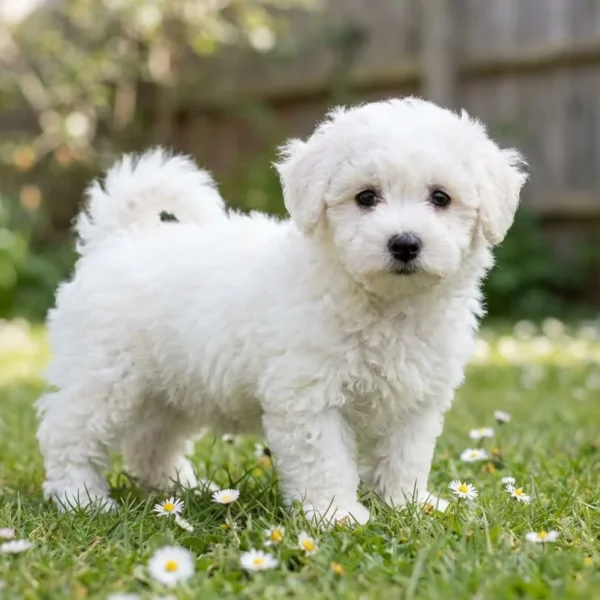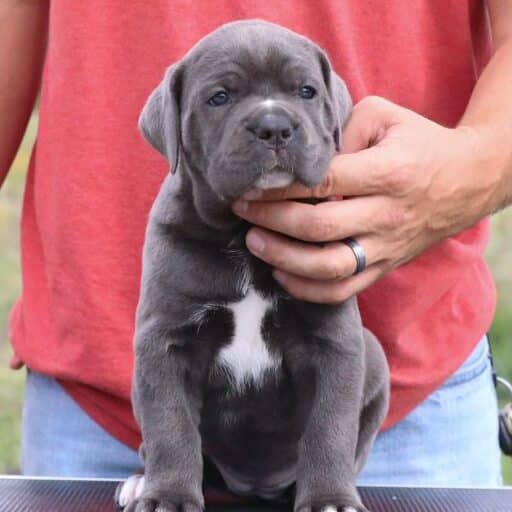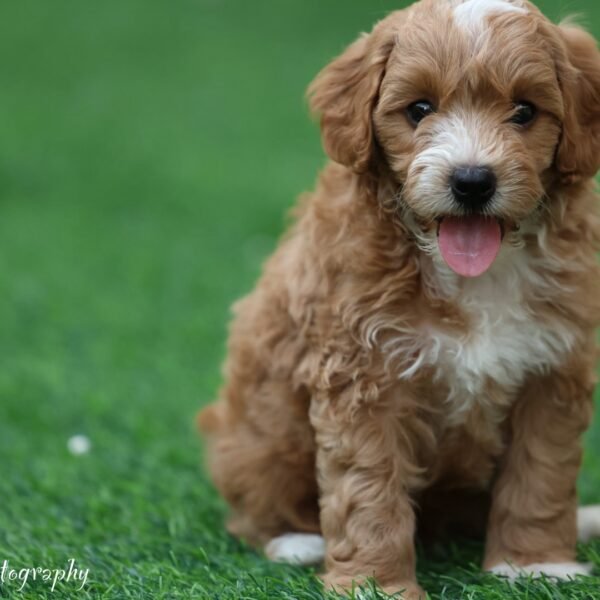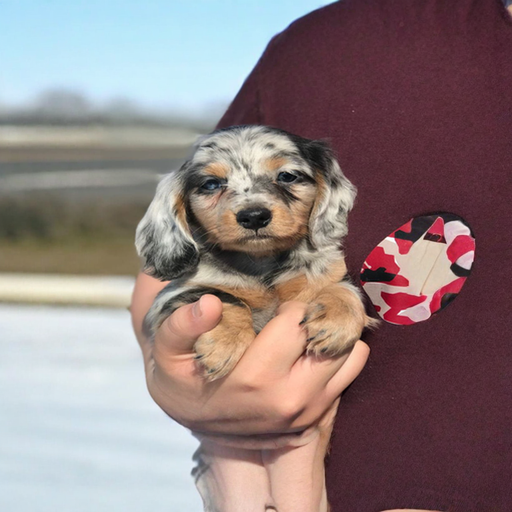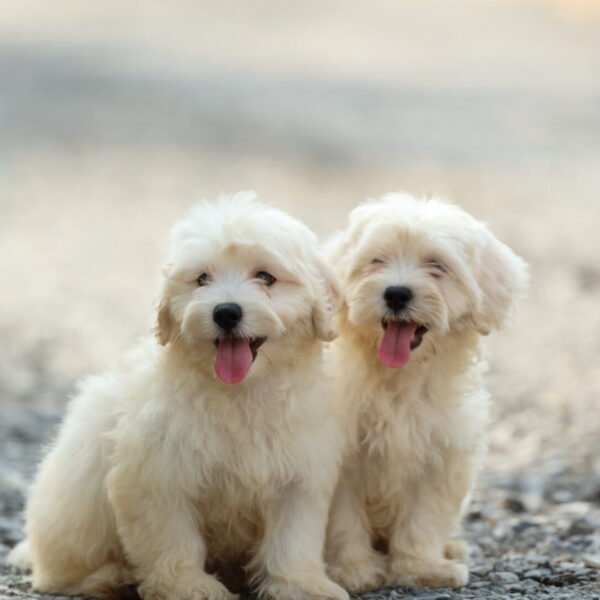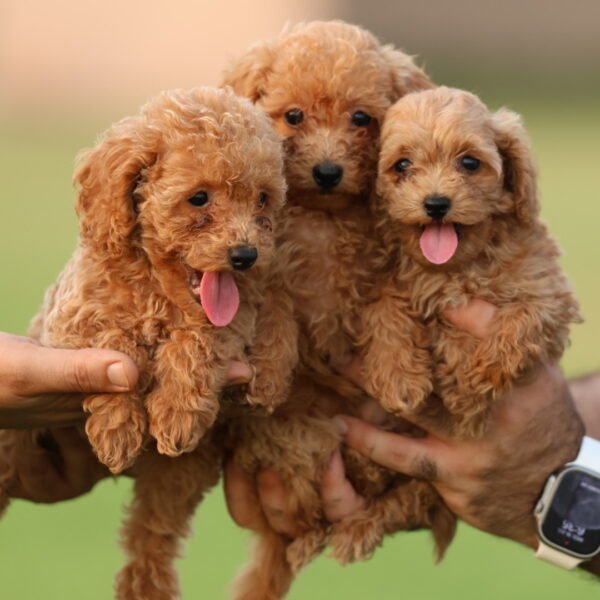

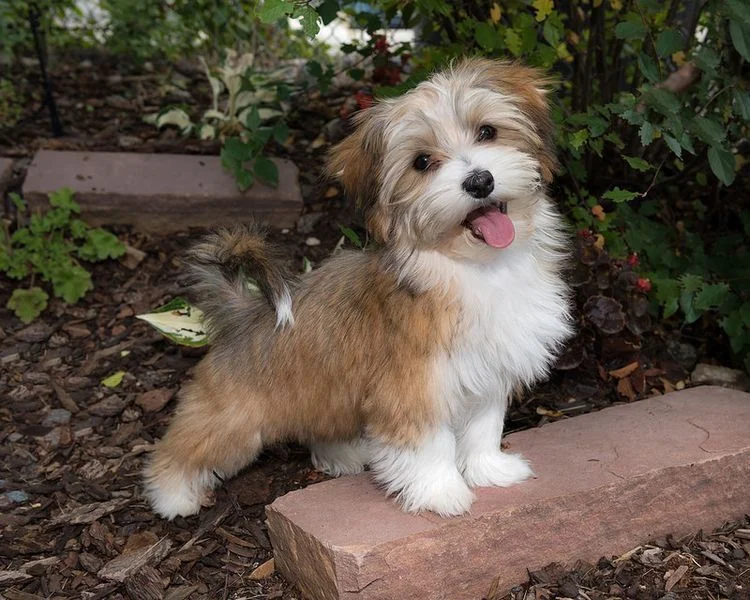
Havanese puppies for sale in UAE – 10 Weeks Old
Original price was: 10,000 د.إ.9,000 د.إCurrent price is: 9,000 د.إ.
The Havanese dog is a small, friendly, and affectionate companion known for its beautiful long coat, expressive eyes, and cheerful personality. The Havanese breed has a fascinating history connected to Cuba, where it became a popular companion for families and wealthy households. Today, many dog lovers choose a Havanese because it is intelligent, playful, and adaptable to different homes. If you are researching the Havanese dog price or thinking about welcoming this charming breed into your family, understanding its origin, types, personality, grooming needs, feeding habits, and daily care is an important first step.
At Puppies Hub, a trusted dog store in the UAE, customers can contact us through WhatsApp to ask about puppy availability, details, and purchasing information.
What Is a Havanese Dog?
The Havanese is a small companion dog that belongs to the Bichon family of dogs. It is known for its friendly nature, soft coat, and strong attachment to people. A Havanese dog usually enjoys being close to its family and taking part in everyday activities.
Although the breed is small, it has a lively personality.
A Havanese can enjoy playing with toys, learning commands, going for walks, and relaxing beside its owner. It is not simply a decorative lap dog; it needs regular activity, attention, and mental stimulation. One of the most recognizable features of the Havanese breed is its long, silky coat. The coat can come in many colours and combinations, which makes individual dogs look quite different from one another.
The Havanese is also known for being intelligent and social. With early training and positive experiences, it can become a confident family companion. However, every Havanese dog has its own personality, and good care is important for developing healthy behaviour.
Havanese Dog History: Where Did the Breed Come From?
The history of the Havanese is closely connected to Cuba. The breed developed from small companion dogs brought to the island by European settlers and traders. Over generations, these dogs developed into the small, charming companion breed now known as the Havanese.
The European Roots of the Havanese
The Havanese belongs to a group of small companion dogs often called Bichon-type dogs. These dogs were popular in parts of Europe and were valued for their friendly personalities and attractive coats.
Small white companion dogs travelled with people across different countries and regions. Some of these dogs reached the Caribbean, where they became part of the development of local companion breeds.
The early ancestors of the Havanese are commonly linked with dogs such as the Bichon Tenerife and other small European companion breeds. However, the exact development of the modern Havanese was gradual rather than the result of one single breeding event.
How the Havanese Developed in Cuba
Cuba played the most important role in the development of the modern Havanese. Small companion dogs brought to the island were bred over generations, and the resulting dogs became associated with Cuban homes and families.
The breed became especially popular among wealthy Cuban households. Its small size, attractive coat, and affectionate nature made it a suitable companion for indoor life.
Over time, the Havanese developed characteristics that made it different from other Bichon-type breeds. Its coat became known for its silky texture, and its personality remained social, lively, and people-oriented.
Why Is It Called the Havanese?
The name Havanese comes from Havana, the capital of Cuba. The name reflects the breed’s strong historical connection with the country and its development as a Cuban companion dog.
This connection is an important part of the identity of the Havanese dog breed. Although the breed is now popular around the world, Cuba remains central to its history.
The Havanese in the Modern World
During periods of political and social change in Cuba, some Havanese dogs were taken out of the country by families who moved abroad. These dogs helped preserve the breed and contributed to its development outside Cuba.
The breed later became established in North America and other regions. It gained recognition from major kennel organizations and became increasingly popular as a family companion.
Today, the Havanese is appreciated in many countries because of its friendly personality, manageable size, and attractive appearance. It is also a popular choice among people looking for a small dog that enjoys human company.
You can also learn about the history of the Jack Russell Terrier and Bichon Frise dog breed
Havanese Dog Origin and Breed Background
The Havanese dog originated in Cuba, but its older ancestry is connected to European companion dogs. Understanding this background helps explain why the breed has a combination of qualities associated with Bichon-type dogs.
Is the Havanese a Cuban Dog?
Yes. The Havanese is considered the national dog of Cuba and is the country’s only native dog breed. Its development took place in Cuba over many generations.
Although its ancestors came from Europe, the modern Havanese became established as a distinct breed in Cuba. This is why the breed is strongly identified with Cuban culture and history.
Is the Havanese Related to the Bichon Frise?
The Havanese and Bichon Frise are related through their broader Bichon ancestry. Both are small companion dogs with friendly personalities and coats that require regular grooming.
However, they are separate breeds with different physical characteristics. A Havanese usually has a longer, softer coat that can come in many colours, while the Bichon Frise is best known for its white, fluffy appearance.
Their personalities also have similarities, but individual dogs can behave differently depending on their temperament, training, and environment.
Is the Havanese Related to the Maltese?
The Havanese and Maltese belong to the wider group of small companion dogs with historical connections to the Mediterranean and European regions.
Both breeds are affectionate and have coats that need regular care. However, the Havanese generally has a wider range of accepted coat colours, while the Maltese is traditionally known for its white coat.
Havanese Dog Characteristics and Appearance
The Havanese is a small dog with a sturdy body, expressive face, and distinctive coat. Its appearance is one of the main reasons why the Havanese breed attracts attention among dog lovers.
Havanese Dog Size and Weight
An adult Havanese generally stands around 8.5 to 11.5 inches tall at the shoulder. Its typical weight is approximately 7 to 13 pounds, although individual dogs may fall outside these ranges.
The Havanese is small enough to live comfortably in many apartments, but it still needs regular movement and play. Its size should not be a reason to ignore exercise or training.
Havanese Coat Type
The Havanese has a long, soft coat that can be straight or wavy. The coat is usually lightweight and has a silky texture.
Unlike some breeds with thick double coats, the Havanese has a coat that continues to grow and needs regular grooming. Without brushing, the hair can become tangled and form mats.
Some owners keep the coat long, while others choose a shorter pet haircut to make everyday care easier.
Havanese Dog Colours
One of the interesting features of the Havanese is its wide range of coat colours. A Havanese dog may have a solid colour or a combination of different shades.
Common colours and patterns include:
- White.
- Cream.
- Black.
- Chocolate.
- Gold.
- Silver.
- Red.
- Fawn.
- Black and white.
- Chocolate and white.
- Other mixed colour patterns.
Coat colour does not determine a Havanese dog’s personality or quality as a companion. Health, temperament, and responsible care are more important considerations when choosing a puppy.
Havanese Eyes and Facial Features
The Havanese usually has dark, expressive eyes that give it a friendly appearance. Its ears are dropped and covered with long hair, while its tail is carried over the back.
Its face often has a gentle expression, and the coat around the head can create a soft, rounded appearance.
What Are the Types of Havanese Dogs?
People searching for Havanese types may find terms such as standard Havanese, mini Havanese, teacup Havanese, and different colour varieties. It is important to understand which descriptions refer to recognized breed characteristics and which are informal marketing terms.
1. Standard Havanese
The standard Havanese refers to the recognized breed itself. It follows the breed’s accepted physical characteristics, including its small size, distinctive coat, and balanced body.
A standard Havanese is not a separate variety from the breed. It is simply a way people may describe a Havanese that falls within the expected breed size and appearance.
2. Mini Havanese
The term Mini Havanese is sometimes used to describe a particularly small Havanese dog. However, it is not a separate officially recognized Havanese variety.
A puppy’s small size does not guarantee that it will remain unusually small as an adult. Adult size is influenced by genetics, health, and development.
When someone advertises a Mini Havanese, ask about the parents’ size and the puppy’s health rather than relying only on the label.
3. Teacup Havanese
Teacup Havanese is an informal term often used in advertisements for very small dogs. It is not an official breed variety.
Extremely small size can sometimes be linked to health and development concerns. Buyers should be careful about advertisements that promise an unusually tiny adult dog.
A healthy Havanese with an appropriate body condition is generally a better choice than a puppy selected only because it is smaller than average.
4. Havanese Coat Colour Varieties
Havanese dogs come in many colours and combinations. People may describe them by their coat colour, such as black Havanese, chocolate Havanese, cream Havanese, or white Havanese.
These are colour descriptions rather than separate types of Havanese. A dog’s colour does not make it a different breed.
5. Havanese Haircut Styles
Some people also use the word types when talking about Havanese haircuts. Common grooming styles include:
- Long natural coat.
- Puppy cut.
- Short pet trim.
- Rounded teddy-bear style.
These are grooming choices, not genetic varieties. The best style depends on the owner’s grooming routine, the dog’s coat condition, and personal preference.
Havanese Personality and Temperament
The Havanese is known for being affectionate, playful, and social. It usually enjoys spending time with people and can become closely attached to its family.
A Friendly and Affectionate Companion
A Havanese dog often likes sitting near its owner, following family members around the house, and joining everyday activities. It may enjoy being held, but owners should always handle it gently and allow it to move away when it wants space.
Its social nature makes the Havanese a lovely companion for people who have enough time to spend with their dog.
Intelligent and Curious
The Havanese is an intelligent breed that often learns new commands quickly. It may enjoy puzzle toys, simple tricks, and interactive games.
Training should be positive and consistent. Harsh punishment can make a sensitive Havanese nervous and less confident.
Playful and Energetic
Although the Havanese is small, it can be quite active. It enjoys short walks, indoor games, and playing with suitable toys.
A Havanese dog needs daily activity to stay healthy and avoid boredom. A combination of physical exercise and mental stimulation is usually helpful.
Can a Havanese Be Left Alone?
The Havanese enjoys human company and may find long periods of isolation difficult. Some dogs can develop separation-related behaviours when they are left alone without gradual preparation.
Teach your Havanese to spend short periods independently in a safe area. Increase the time gradually and provide appropriate toys and a comfortable resting place.
If your daily routine keeps you away from home for long hours, arrange suitable care and companionship.
Does the Havanese Bark a Lot?
A Havanese may bark when it hears unfamiliar sounds, notices visitors, or wants attention. However, barking levels vary between individual dogs.
Early training can help teach a Havanese when barking is appropriate. Reward quiet behaviour and avoid shouting, as this may increase excitement or anxiety.
Is the Havanese a Good Family Dog?
The Havanese can be an excellent family companion when its needs are understood. It is generally friendly and enjoys being included in family activities.
Havanese with Children
A Havanese can get along well with children, especially when it grows up with gentle and respectful handling.
Young children should always be supervised around a Havanese puppy. Teach them not to pull its hair, ears, or tail, and not to disturb it while sleeping or eating.
Because the breed is small, rough handling can cause injuries. Children should never be allowed to carry a puppy without adult supervision.
Havanese with Other Dogs
Many Havanese dogs enjoy the company of other friendly dogs. Early socialization and gradual introductions can help them develop positive relationships.
Allow dogs to meet in a controlled environment and supervise their interactions until you understand how they behave together.
Havanese with Cats
A Havanese can often live with cats when introductions are handled patiently. Give both animals separate resting areas and never force them to interact.
Reward calm behaviour and allow the relationship to develop gradually.
Is Havanese Suitable for First-Time Owners?
The Havanese can be suitable for first-time dog owners because it is usually friendly, intelligent, and responsive to positive training.
However, it still needs grooming, exercise, toilet training, veterinary care, and companionship. Anyone considering a Havanese should be prepared for these responsibilities.
How to Take Care of a Havanese Dog
Taking care of a Havanese requires attention to grooming, nutrition, exercise, training, and health. A consistent routine can help your Havanese puppy grow into a confident and healthy adult dog.
1. Daily Grooming
The Havanese coat needs regular brushing to prevent tangles. Long hair can collect dirt and become matted, especially around the ears, legs, belly, and tail.
Brush gently and work through small sections. Never pull forcefully on a knot, as this can hurt your dog.
2. Professional Grooming
Many Havanese owners arrange professional grooming every four to eight weeks, depending on the coat length and condition.
A shorter haircut can make daily brushing easier, especially for owners who do not have time to maintain a long coat.
3. Bathing
Bathe your Havanese when necessary using a gentle shampoo made for dogs. Rinse the coat thoroughly and dry it properly.
A damp coat can become tangled more easily. If your Havanese has skin irritation or frequent itching, ask your veterinarian before changing grooming products.
4. Ear Cleaning
The Havanese has dropped ears with hair around them. Check the ears regularly for dirt, redness, unusual discharge, or unpleasant smells.
Clean only the visible areas using a dog-safe product recommended by your veterinarian. Do not insert cotton buds or other objects deep into the ear canal.
5. Eye Care
Check your Havanese’s eyes regularly. Gently clean the area around the eyes when needed with a suitable product.
If you notice redness, excessive discharge, cloudiness, or repeated rubbing, arrange a veterinary examination.
6. Nail Trimming
Long nails can make walking uncomfortable. Check your Havanese’s nails regularly and trim them carefully.
If you are not confident doing this yourself, ask a professional groomer or veterinarian to show you the correct method.
7. Dental Care
Dental hygiene is important for the Havanese. Small dogs can develop plaque and gum problems, so introduce tooth brushing early.
Use a dog-specific toothbrush and toothpaste. Human toothpaste is not suitable for dogs.
What Should a Havanese Dog Eat?
A balanced diet is important for a Havanese at every stage of life. Puppies need food designed for growth, while adult dogs need a diet that supports their activity level and body condition.
Best Food for a Havanese Puppy
Choose a complete and balanced puppy food suitable for small-breed puppies. It should provide the nutrients needed for healthy growth.
You can use dry or wet puppy food, or a combination of both if the overall diet remains nutritionally balanced.
Ask your veterinarian about the correct food and daily portion for your Havanese puppy.
Feeding Frequency for Havanese Puppies
Young Havanese puppies generally need several small meals throughout the day. As they grow older, the number of meals can gradually decrease.
A common general routine is:
- Very young puppies: several small meals daily.
- Puppies around three to six months: usually three meals daily.
- Older puppies: often two or three meals, depending on their needs.
The correct schedule depends on age, weight, health, and the food being used. Follow veterinary guidance rather than relying on a fixed schedule for every puppy.
Food for an Adult Havanese
An adult Havanese usually needs a complete adult dog food that matches its age, weight, activity level, and health.
Measure daily portions instead of filling the bowl without checking the amount. Regularly monitor body condition to prevent unhealthy weight gain.
Foods to Avoid
Some common human foods can be toxic to a Havanese dog. Keep these foods away:
- Chocolate.
- Grapes and raisins.
- Onion and garlic.
- Products containing xylitol.
- Alcohol.
- Caffeine.
- Cooked bones that can splinter.
- Very salty or heavily seasoned food.
If your Havanese eats a potentially toxic food, contact a veterinarian immediately.
Havanese Training Guide
Training is an important part of raising a well-behaved Havanese. The breed is intelligent and often enjoys learning when training is fun and rewarding.
1. Teach Your Havanese Its Name
Choose a short name and use it consistently. Say the name in a friendly voice and reward your puppy when it looks at you.
Practise in a quiet room before using the name in more distracting environments.
2. House Training
Take your Havanese puppy to its toilet area after waking up, eating, drinking, and playing.
Reward it immediately when it uses the correct place. A consistent schedule helps the puppy understand what you expect.
Accidents are normal during early training. Clean the area thoroughly and continue practising without shouting or punishment.
3. Teach Basic Commands
Start with simple commands such as:
- Sit.
- Stay.
- Come.
- Down.
- Leave it.
Use small treats, praise, and short training sessions. End each session with a positive experience.
4. Leash Training
Allow your Havanese puppy to become familiar with a suitable collar or harness gradually. Start indoors before practising short walks in a safe environment.
Reward your dog for walking calmly beside you. Avoid pulling the leash or forcing the puppy to continue when it is tired.
5. Stop Excessive Barking
If your Havanese barks for attention, avoid rewarding the behaviour by immediately giving attention every time.
Instead, reward calm and quiet behaviour. Identify what triggers the barking and work on those situations gradually.
6. Teach Your Havanese to Stay Alone
Start with very short periods in a safe area. Give your dog a comfortable bed and suitable toys.
Increase the time gradually and return before the puppy becomes distressed. This helps build independence and confidence.
7. Socialization Training
Introduce your Havanese to different people, sounds, surfaces, and safe experiences gradually.
Positive socialization can help reduce fear and improve confidence. Follow your veterinarian’s advice about contact with other dogs and public areas while your puppy is completing its vaccination schedule.
How Much Exercise Does a Havanese Need?
The Havanese is active but does not usually need intense exercise. Regular short walks and indoor play can help it stay healthy.
Daily Walks
Adult Havanese dogs generally benefit from daily walks. The exact amount depends on age, health, and fitness.
Puppies need shorter, gentler activity sessions. Avoid forcing a young Havanese to run for long periods or climb too many stairs.
Indoor Games
Indoor games are useful when outdoor conditions are unsuitable. Try:
- Gentle fetch.
- Hide-and-seek with toys.
- Finding a treat hidden in a safe place.
- Learning simple tricks.
- Puzzle toys designed for small dogs.
These activities help keep a Havanese mentally active.
Avoid Overexercising
Watch your dog’s behaviour during exercise. If it slows down, pants heavily, or seems uncomfortable, allow it to rest.
The amount of exercise should increase gradually as your Havanese grows.
Caring for a Havanese in the UAE
The Havanese can adapt to life in the UAE when owners manage the hot weather carefully. Its coat and small size do not make it immune to heat.
Keep Your Havanese Indoors During Hot Weather
Provide a comfortable indoor environment with suitable cooling. Avoid leaving your Havanese outside for long periods during high temperatures.
Walk During Cooler Hours
Choose early mornings or later evenings for outdoor walks. Check the pavement temperature before allowing your dog to walk on it.
Hot surfaces can burn a dog’s paw pads.
Provide Fresh Water
Keep clean water available throughout the day. Carry water when travelling or going outside with your Havanese.
Never Leave Your Havanese in a Parked Car
A parked vehicle can become dangerously hot very quickly. Never leave your Havanese alone inside a car, even if the windows are slightly open.
Watch for Heatstroke
Signs of overheating can include heavy panting, excessive drooling, weakness, vomiting, confusion, and collapse.
If you suspect heatstroke, move your Havanese to a cooler area and seek urgent veterinary care.
Common Havanese Health Problems
The Havanese puppies are generally considered a healthy companion breed, but they can still develop certain health conditions. Responsible breeding, good nutrition, and regular veterinary care can help support its well-being.
Eye Problems
Some Havanese dogs can develop eye conditions. Regular veterinary checks are important, especially if you notice redness, cloudiness, discharge, or vision changes.
Patellar Luxation
Patellar luxation occurs when the kneecap moves out of its normal position. It may cause skipping steps, an unusual walk, or discomfort.
Hip Problems
Some Havanese dogs may experience hip-related conditions. Your veterinarian can assess movement and recommend further examination if your dog shows signs of pain or difficulty walking.
Dental Problems
Small breeds can be prone to dental plaque and gum disease. Regular brushing and veterinary dental checks can help reduce the risk.
Heart Conditions
Some dogs may develop heart problems as they age. Regular veterinary examinations can help identify concerns early.
Allergies and Skin Irritation
A Havanese may develop skin allergies or irritation. Repeated scratching, licking, redness, or hair loss should be checked by a veterinarian.
Regular Health Checks
Arrange routine veterinary visits and follow the recommended vaccination and parasite prevention schedule. Keep your Havanese’s health records in a safe place.
How Long Does a Havanese Dog Live?
The Havanese commonly has an expected lifespan of around 14 to 16 years, although individual dogs may live shorter or longer.
A healthy lifestyle can support a longer and more comfortable life for your Havanese. Important elements of proper care include:
- Good nutrition
- Regular exercise
- Dental care routine
- Regular veterinary examinations
As your Havanese gets older, its activity and dietary needs may change. Your veterinarian can help adjust its care routine to support its health as it ages.
Is the Havanese Hypoallergenic?
The Havanese is often described as a low-shedding breed. Its coat may release less loose hair around the home than some other breeds. However, no dog is completely allergen-free. Allergens can come from skin flakes, saliva, and other sources, not only from hair.
People with allergies should spend time around a Havanese before deciding to purchase one. Regular grooming and home cleaning may help reduce loose hair and allergens, but they cannot guarantee an allergy-free environment.
How to Choose a Healthy Havanese Puppy
Choosing a Havanese puppy requires more than looking at its colour or size. A responsible buyer should ask questions and review the available health information.
Check the Puppy’s General Condition
A healthy-looking Havanese puppy should be alert, responsive, and interested in its surroundings. Its eyes, ears, coat, and general behaviour should be checked.
Appearance alone cannot confirm good health, so veterinary assessment is important.
Ask About Vaccination Records
Ask which vaccinations the puppy has received and request the available vaccination certificate.
Your veterinarian should review the document and explain the next vaccinations and preventive treatments.
Ask About the Puppy’s Age
Confirm the puppy’s date of birth and make sure it is old enough and ready to move to a new home according to appropriate welfare guidance.
Ask About the Parents
Where possible, ask about the puppy’s parents, their size, health background, and temperament. This information may help you understand the puppy’s likely adult characteristics.
Understand the Purchase Details
Before completing the purchase, ask about the puppy’s availability, health documentation, price, and delivery arrangements.
If you are looking for a Havanese dog in the UAE, Puppies Hub can help you ask about available puppies and purchasing information through WhatsApp.
Havanese Dog Price: What Affects the Cost?
The Havanese dog price can vary depending on the puppy’s age, health background, vaccination history, appearance, and availability.
There is no single price that applies to every Havanese puppy. Buyers should consider the puppy’s health and documentation as well as the advertised amount.
Factors That Influence Havanese Dog Price
- Puppy age: The puppy’s age and readiness for rehoming may influence its price and purchase arrangements.
- Health background: Veterinary records and available health information are important when comparing puppies.
- Vaccination history: The vaccination certificate helps buyers understand the puppy’s previous care and the next veterinary steps.
- Coat colour and appearance: Some coat colours may attract different levels of interest, but colour should not be more important than health and temperament.
- Availability: The number of Havanese puppies available in the UAE can change, which may affect current market prices.
How to Ask About the Havanese Dog Price at Puppies Hub
If you want to know the current Havanese dog price, contact Puppies Hub through WhatsApp. You can ask about current availability, puppy details, vaccination documentation, and purchasing arrangements.
We recommend confirming all details before completing your purchase.
Why Choose Puppies Hub for a Havanese Puppy in the UAE?
Choosing a dog store is an important part of finding your new companion. Puppies Hub is a trusted dog store in the UAE, helping customers enquire about puppies and understand the purchase process.
If you are interested in a Havanese puppy, you can contact our team to ask about:
- Current Havanese puppy availability.
- Puppy age and availability details.
- The current Havanese dog price.
- Vaccination certificate and health documentation.
- Delivery services within the UAE.
- Purchase and payment arrangements.
Our team can provide information about the puppies currently available and help you understand the next steps.
Contact Puppies Hub on WhatsApp
Are you looking for a Havanese puppy to welcome into your family? Send Puppies Hub a WhatsApp message to ask about availability, the current Havanese dog price, puppy details, and purchasing information.
We recommend asking all your questions and confirming the available documents and arrangements before making your decision.
FAQs About the Havanese Dog
1. Is a Havanese dog suitable for apartment living?
Yes. The Havanese is a small and adaptable dog that can live comfortably in an apartment. It needs daily walks, indoor play, regular grooming, and enough attention from its family.
2. Does the Havanese dog shed a lot?
No. The Havanese is considered a low-shedding breed. However, its long coat needs regular brushing to prevent tangles and mats. It is not completely hypoallergenic.
3. How much does a Havanese dog weigh when fully grown?
An adult Havanese usually weighs between 7 and 13 pounds (approximately 3–6 kg). Its final weight depends on genetics, diet, and overall health.
4. What is the average Havanese dog price?
The Havanese dog price varies depending on the puppy’s age, health background, vaccination records, coat characteristics, and availability. Contact Puppies Hub through WhatsApp to ask about the current price and available puppies in the UAE.
5. Can Havanese Puppies live comfortably in the UAE?
Yes. A Havanese can adapt to life in the UAE when kept in a cool indoor environment during hot weather. Schedule walks during cooler hours, provide fresh drinking water, and avoid leaving your dog outside in extreme heat.
If you are searching for Havanese puppies for sale in the UAE, contact Puppies Hub through WhatsApp. Ask about current availability, puppy details, vaccination documentation, and delivery services within the Emirates. We will be happy to help you with your enquiry.
You can also buy Golden Retrievers and Chihuahua for Sale from the Puppies Hub store
| Gender | Female, Male |
|---|---|
| Health Information | Certified Healthy, Dewormed & Microchipped, Fully Vaccinated, Vet-Checked |
| Size | Large, Medium, Small, XLarge, XSmall |
What Is a Havanese Dog?
The Havanese is a small companion dog that belongs to the Bichon family of dogs. It is known for its friendly nature, soft coat, and strong attachment to people. A Havanese dog usually enjoys being close to its family and taking part in everyday activities. Although the breed is small, it has a lively personality. A Havanese can enjoy playing with toys, learning commands, going for walks, and relaxing beside its owner. It is not simply a decorative lap dog; it needs regular activity, attention, and mental stimulation.Havanese Coat and Appearance
One of the most recognizable features of the Havanese breed is its long, silky coat. The coat can come in many colours and combinations, which makes individual dogs look quite different from one another.Havanese Personality and Temperament
The Havanese is also known for being intelligent and social. With early training and positive experiences, it can become a confident family companion. However, every Havanese dog has its own personality, and good care is important for developing healthy behaviour.Havanese Dog History: Where Did the Breed Come From?
The history of the Havanese is closely connected to Cuba. The breed developed from small companion dogs brought to the island by European settlers and traders. Over generations, these dogs developed into the small, charming companion breed now known as the Havanese.The European Roots of the Havanese
The Havanese belongs to a group of small companion dogs often called Bichon-type dogs. These dogs were popular in parts of Europe and were valued for their friendly personalities and attractive coats. Small white companion dogs travelled with people across different countries and regions. Some of these dogs reached the Caribbean, where they became part of the development of local companion breeds. The early ancestors of the Havanese are commonly linked with dogs such as the Bichon Tenerife and other small European companion breeds. However, the exact development of the modern Havanese was gradual rather than the result of one single breeding event.How the Havanese Developed in Cuba
Cuba played the most important role in the development of the modern Havanese. Small companion dogs brought to the island were bred over generations, and the resulting dogs became associated with Cuban homes and families. The breed became especially popular among wealthy Cuban households. Its small size, attractive coat, and affectionate nature made it a suitable companion for indoor life. Over time, the Havanese developed characteristics that made it different from other Bichon-type breeds. Its coat became known for its silky texture, and its personality remained social, lively, and people-oriented.Why Is It Called the Havanese?
The name Havanese comes from Havana, the capital of Cuba. The name reflects the breed's strong historical connection with the country and its development as a Cuban companion dog. This connection is an important part of the identity of the Havanese dog breed. Although the breed is now popular around the world, Cuba remains central to its history.The Havanese in the Modern World
During periods of political and social change in Cuba, some families who emigrated abroad took their Havanese dogs with them. These dogs helped preserve the breed and contributed to its development outside of Cuba. Subsequently, the breed became established in North America and other regions, gaining recognition from major kennel organizations and growing in popularity as a family pet. Today, Havanese dogs are highly valued in many countries for their friendly temperament, convenient size, and attractive appearance. They are also a popular choice for those seeking a small dog that enjoys human companionship.Havanese Dog Origin and Breed Background
The Havanese dog originated in Cuba, but its older ancestry is connected to European companion dogs. Understanding this background helps explain why the breed has a combination of qualities associated with Bichon-type dogs.Is the Havanese a Cuban Dog?
Yes. The Havanese is considered the national dog of Cuba and is the country's only native dog breed. Its development took place in Cuba over many generations. Although its ancestors came from Europe, the modern Havanese became established as a distinct breed in Cuba. This is why the breed is strongly identified with Cuban culture and history.Is the Havanese Related to the Bichon Frise?
The Havanese and Bichon Frise are related through their broader Bichon ancestry. Both are small companion dogs with friendly personalities and coats that require regular grooming. However, they are separate breeds with different physical characteristics. A Havanese usually has a longer, softer coat that can come in many colours, while the Bichon Frise is best known for its white, fluffy appearance. Their personalities also have similarities, but individual dogs can behave differently depending on their temperament, training, and environment.Is the Havanese Related to the Maltese?
The Havanese and Maltese belong to the wider group of small companion dogs with historical connections to the Mediterranean and European regions. Both breeds are affectionate and have coats that need regular care. However, the Havanese generally has a wider range of accepted coat colours, while the Maltese is traditionally known for its white coat.Havanese Dog Characteristics and Appearance
The Havanese is a small dog with a sturdy body, expressive face, and distinctive coat. Its appearance is one of the main reasons why the Havanese breed attracts attention among dog lovers.Havanese Dog Size and Weight
An adult Havanese generally stands around 8.5 to 11.5 inches tall at the shoulder. Its typical weight is approximately 7 to 13 pounds, although individual dogs may fall outside these ranges. The Havanese is small enough to live comfortably in many apartments, but it still needs regular movement and play. Its size should not be a reason to ignore exercise or training.Havanese Coat Type
The Havanese has a long, soft coat that can be straight or wavy. The coat is usually lightweight and has a silky texture. Unlike some breeds with thick double coats, the Havanese has a coat that continues to grow and needs regular grooming. Without brushing, the hair can become tangled and form mats. Some owners keep the coat long, while others choose a shorter pet haircut to make everyday care easier.Havanese Dog Colours
One of the interesting features of the Havanese is its wide range of coat colours. A Havanese dog may have a solid colour or a combination of different shades. Common colours and patterns include:- White.
- Cream.
- Black.
- Chocolate.
- Gold.
- Silver.
- Red.
- Fawn.
- Black and white.
- Chocolate and white.
- Other mixed colour patterns. Coat colour does not determine a Havanese dog's personality or quality as a companion. Health, temperament, and responsible care are more important considerations when choosing a puppy.
Havanese Eyes and Facial Features
The Havanese usually has dark, expressive eyes that give it a friendly appearance. Its ears are dropped and covered with long hair, while its tail is carried over the back. Its face often has a gentle expression, and the coat around the head can create a soft, rounded appearance.What Are the Types of Havanese Dogs?
People searching for Havanese types may find terms such as standard Havanese, mini Havanese, teacup Havanese, and different colour varieties. It is important to understand which descriptions refer to recognized breed characteristics and which are informal marketing terms.1. Standard Havanese
The standard Havanese refers to the recognized breed itself. It follows the breed's accepted physical characteristics, including its small size, distinctive coat, and balanced body. A standard Havanese is not a separate variety from the breed. It is simply a way people may describe a Havanese that falls within the expected breed size and appearance.2. Mini Havanese
The term Mini Havanese is sometimes used to describe a particularly small Havanese dog. However, it is not a separate officially recognized Havanese variety. A puppy's small size does not guarantee that it will remain unusually small as an adult. Adult size is influenced by genetics, health, and development. When someone advertises a Mini Havanese, ask about the parents' size and the puppy's health rather than relying only on the label.3. Teacup Havanese
Teacup Havanese is an informal term often used in advertisements for very small dogs. It is not an official breed variety. Extremely small size can sometimes be linked to health and development concerns. Buyers should be careful about advertisements that promise an unusually tiny adult dog. A healthy Havanese with an appropriate body condition is generally a better choice than a puppy selected only because it is smaller than average.4. Havanese Coat Colour Varieties
Havanese dogs come in many colours and combinations. People may describe them by their coat colour, such as black Havanese, chocolate Havanese, cream Havanese, or white Havanese. These are colour descriptions rather than separate types of Havanese. A dog's colour does not make it a different breed.5. Havanese Haircut Styles
Some people also use the word types when talking about Havanese haircuts. Common grooming styles include:- Long natural coat.
- Puppy cut.
- Short pet trim.
- Rounded teddy-bear style. These are grooming choices, not genetic varieties. The best style depends on the owner's grooming routine, the dog's coat condition, and personal preference.
Havanese Personality and Temperament
The Havanese is known for being affectionate, playful, and social. It usually enjoys spending time with people and can become closely attached to its family.A Friendly and Affectionate Companion
A Havanese dog often likes sitting near its owner, following family members around the house, and joining everyday activities. It may enjoy being held, but owners should always handle it gently and allow it to move away when it wants space. Its social nature makes the Havanese a lovely companion for people who have enough time to spend with their dog.Intelligent and Curious
The Havanese is an intelligent breed that often learns new commands quickly. It may enjoy puzzle toys, simple tricks, and interactive games. Training should be positive and consistent. Harsh punishment can make a sensitive Havanese nervous and less confident.Playful and Energetic
Although the Havanese is small, it can be quite active. It enjoys short walks, indoor games, and playing with suitable toys. A Havanese dog needs daily activity to stay healthy and avoid boredom. A combination of physical exercise and mental stimulation is usually helpful.Can a Havanese Be Left Alone?
The Havanese enjoys human company and may find long periods of isolation difficult. Some dogs can develop separation-related behaviours when they are left alone without gradual preparation. Teach your Havanese to spend short periods independently in a safe area. Increase the time gradually and provide appropriate toys and a comfortable resting place. If your daily routine keeps you away from home for long hours, arrange suitable care and companionship.Does the Havanese Bark a Lot?
A Havanese may bark when it hears unfamiliar sounds, notices visitors, or wants attention. However, barking levels vary between individual dogs. Early training can help teach a Havanese when barking is appropriate. Reward quiet behaviour and avoid shouting, as this may increase excitement or anxiety.Is the Havanese a Good Family Dog?
The Havanese can be an excellent family companion when its needs are understood. It is generally friendly and enjoys being included in family activities.Havanese with Children
A Havanese can get along well with children, especially when it grows up with gentle and respectful handling. Young children should always be supervised around a Havanese puppy. Teach them to:- Avoid pulling its hair, ears, or tail.
- Never disturb it while sleeping or eating.
- Handle the puppy gently.
- Avoid carrying the puppy without adult supervision.
Havanese with Other Dogs
Many Havanese dogs enjoy the company of other friendly dogs. Early socialization and gradual introductions can help them develop positive relationships. Allow dogs to meet in a controlled environment and supervise their interactions until you understand how they behave together.Havanese with Cats
A Havanese can often live with cats when introductions are handled patiently. To help them adjust:- Give both animals separate resting areas.
- Never force them to interact.
- Reward calm behaviour.
- Allow the relationship to develop gradually.
Is Havanese Suitable for First-Time Owners?
The Havanese can be suitable for first-time dog owners because it is usually friendly, intelligent, and responsive to positive training. However, it still needs grooming, exercise, toilet training, veterinary care, and companionship. Anyone considering a Havanese should be prepared for these responsibilities.How to Take Care of a Havanese Dog
Taking care of a Havanese requires attention to grooming, nutrition, exercise, training, and health. A consistent routine can help your Havanese puppy grow into a confident and healthy adult dog.1. Daily Grooming
The Havanese coat needs regular brushing to prevent tangles. Long hair can collect dirt and become matted, especially around the ears, legs, belly, and tail. Brush gently and work through small sections. Never pull forcefully on a knot, as this can hurt your dog.2. Professional Grooming
Many Havanese owners arrange professional grooming every four to eight weeks, depending on the coat length and condition. A shorter haircut can make daily brushing easier, especially for owners who do not have time to maintain a long coat.3. Bathing
Bathe your Havanese when necessary using a gentle shampoo made for dogs. Follow these steps:- Rinse the coat thoroughly.
- Dry it properly after bathing.
- Avoid leaving the coat damp, as this can make tangles more likely.
4. Ear Cleaning
The Havanese has dropped ears with hair around them. Check the ears regularly for:- Dirt
- Redness
- Unusual discharge
- Unpleasant smells
5. Eye Care
Check your Havanese's eyes regularly. Gently clean the area around the eyes when needed with a suitable product. If you notice redness, excessive discharge, cloudiness, or repeated rubbing, arrange a veterinary examination.6. Nail Trimming
Long nails can make walking uncomfortable. Check your Havanese's nails regularly and trim them carefully. If you are not confident doing this yourself, ask a professional groomer or veterinarian to show you the correct method.7. Dental Care
Dental hygiene is important for the Havanese. Small dogs can develop plaque and gum problems, so introduce tooth brushing early. For proper dental care:- Use a dog-specific toothbrush.
- Use toothpaste made specifically for dogs.
- Never use human toothpaste.
What Should a Havanese Dog Eat?
A balanced diet is important for a Havanese at every stage of life. Puppies need food designed for growth, while adult dogs need a diet that supports their activity level and body condition.Best Food for a Havanese Puppy
Choose a complete and balanced puppy food suitable for small-breed puppies. It should provide the nutrients needed for healthy growth. You can use dry or wet puppy food, or a combination of both if the overall diet remains nutritionally balanced. Ask your veterinarian about the correct food and daily portion for your Havanese puppy.Feeding Frequency for Havanese Puppies
Young Havanese puppies generally need several small meals throughout the day. As they grow older, the number of meals can gradually decrease. A common general routine is:- Very young puppies: several small meals daily.
- Puppies around three to six months: usually three meals daily.
- Older puppies: often two or three meals, depending on their needs. The correct schedule depends on age, weight, health, and the food being used. Follow veterinary guidance rather than relying on a fixed schedule for every puppy.
Food for an Adult Havanese
An adult Havanese usually needs a complete adult dog food that matches its age, weight, activity level, and health. Measure daily portions instead of filling the bowl without checking the amount. Regularly monitor body condition to prevent unhealthy weight gain.Foods to Avoid
Some common human foods can be toxic to a Havanese dog. Keep these foods away:- Chocolate.
- Grapes and raisins.
- Onion and garlic.
- Products containing xylitol.
- Alcohol.
- Caffeine.
- Cooked bones that can splinter.
- Very salty or heavily seasoned food. If your Havanese eats a potentially toxic food, contact a veterinarian immediately.
Havanese Training Guide
Training is an important part of raising a well-behaved Havanese. The breed is intelligent and often enjoys learning when training is fun and rewarding.1. Teach Your Havanese Its Name
Choose a short name and use it consistently. Say the name in a friendly voice and reward your puppy when it looks at you. Practise in a quiet room before using the name in more distracting environments.2. House Training
Take your Havanese puppy to its toilet area after waking up, eating, drinking, and playing. Reward it immediately when it uses the correct place. A consistent schedule helps the puppy understand what you expect. Accidents are normal during early training. Clean the area thoroughly and continue practising without shouting or punishment.3. Teach Basic Commands
Start with simple commands such as:- Sit.
- Stay.
- Come.
- Down.
- Leave it. Use small treats, praise, and short training sessions. End each session with a positive experience.
4. Leash Training
Allow your Havanese puppy to become familiar with a suitable collar or harness gradually. Start indoors before practising short walks in a safe environment. Reward your dog for walking calmly beside you. Avoid pulling the leash or forcing the puppy to continue when it is tired.5. Stop Excessive Barking
If your Havanese barks for attention, avoid rewarding the behaviour by immediately giving attention every time. Instead, reward calm and quiet behaviour. Identify what triggers the barking and work on those situations gradually.6. Teach Your Havanese to Stay Alone
Start with very short periods in a safe area. Give your dog a comfortable bed and suitable toys. Increase the time gradually and return before the puppy becomes distressed. This helps build independence and confidence.7. Socialization Training
Introduce your Havanese to different people, sounds, surfaces, and safe experiences gradually. Positive socialization can help reduce fear and improve confidence. Follow your veterinarian's advice about contact with other dogs and public areas while your puppy is completing its vaccination schedule.How Much Exercise Does a Havanese Need?
The Havanese is active but does not usually need intense exercise. Regular short walks and indoor play can help it stay healthy.Daily Walks
Adult Havanese dogs generally benefit from daily walks. The exact amount depends on age, health, and fitness. Puppies need shorter, gentler activity sessions. Avoid forcing a young Havanese to run for long periods or climb too many stairs.Indoor Games
Indoor games are useful when outdoor conditions are unsuitable. Try:- Gentle fetch.
- Hide-and-seek with toys.
- Finding a treat hidden in a safe place.
- Learning simple tricks.
- Puzzle toys designed for small dogs. These activities help keep a Havanese mentally active.
Avoid Overexercising
Watch your dog's behaviour during exercise. If it slows down, pants heavily, or seems uncomfortable, allow it to rest. The amount of exercise should increase gradually as your Havanese grows.Common Havanese Health Problems
The Havanese is generally considered a healthy companion breed, but it can still develop certain health conditions. Responsible breeding, good nutrition, and regular veterinary care can help support its well-being.Eye Problems
Some Havanese dogs can develop eye conditions. Regular veterinary checks are important, especially if you notice redness, cloudiness, discharge, or vision changes.Patellar Luxation
Patellar luxation occurs when the kneecap moves out of its normal position. It may cause skipping steps, an unusual walk, or discomfort.Hip Problems
Some Havanese dogs may experience hip-related conditions. Your veterinarian can assess movement and recommend further examination if your dog shows signs of pain or difficulty walking.Dental Problems
Small breeds can be prone to dental plaque and gum disease. Regular brushing and veterinary dental checks can help reduce the risk.Heart Conditions
Some dogs may develop heart problems as they age. Regular veterinary examinations can help identify concerns early.Allergies and Skin Irritation
A Havanese may develop skin allergies or irritation. Repeated scratching, licking, redness, or hair loss should be checked by a veterinarian.Regular Health Checks
Veterinary visits and follow the recommended vaccination and parasite prevention schedule. Keep your Havanese's health records in a safe place. You can learn more about Shiba Inu dog and Golden Retriever price DubaiHow Long Does a Havanese Dog Live?
The average life expectancy of a Havanese dog typically ranges between 14 and 16 years, although the lifespan of an individual dog may vary. Maintaining a healthy lifestyle can help your dog live a longer, more comfortable life. Important parts of a healthy routine include:- Proper nutrition
- Regular exercise
- Dental care
- Routine grooming
- Regular veterinary check-ups
Is the Havanese Hypoallergenic?
The Havanese is often described as a low-shedding breed. Its coat may release less loose hair around the home than some other breeds. However, no dog is completely allergen-free. Allergens can come from skin flakes, saliva, and other sources, not only from hair. People with allergies should spend time around a Havanese before deciding to purchase one. Regular grooming and home cleaning may help reduce loose hair and allergens, but they cannot guarantee an allergy-free environment.How to Choose a Healthy Havanese Puppy
Choosing a Havanese puppy requires more than looking at its colour or size. A responsible buyer should ask questions and review the available health information.Check the Puppy's General Condition
A healthy-looking Havanese puppy should be alert, responsive, and interested in its surroundings. Its eyes, ears, coat, and general behaviour should be checked. Appearance alone cannot confirm good health, so veterinary assessment is important.Ask About Vaccination Records
Ask which vaccinations the puppy has received and request the available vaccination certificate. Your veterinarian should review the document and explain the next vaccinations and preventive treatments.Ask About the Puppy's Age
Confirm the puppy's date of birth and make sure it is old enough and ready to move to a new home according to appropriate welfare guidance.Ask About the Parents
Where possible, ask about the puppy's parents, their size, health background, and temperament. This information may help you understand the puppy's likely adult characteristics.Understand the Purchase Details
Before completing the purchase, ask about the puppy's availability, health documentation, price, and delivery arrangements. If you are looking for a Havanese dog in the UAE, Puppies Hub can help you ask about available puppies and purchasing information through WhatsApp.Havanese Dog Price: What Affects the Cost?
The Havanese dog price can vary depending on the puppy's age, health background, vaccination history, appearance, and availability. There is no single price that applies to every Havanese puppy. Buyers should consider the puppy's health and documentation as well as the advertised amount.Factors That Influence Havanese Dog Price
- Puppy age: The puppy's age and readiness for rehoming may influence its price and purchase arrangements.
- Health background: Veterinary records and available health information are important when comparing puppies.
- Vaccination history: The vaccination certificate helps buyers understand the puppy's previous care and the next veterinary steps.
- Coat colour and appearance: Some coat colours may attract different levels of interest, but colour should not be more important than health and temperament.
- Availability: The number of Havanese puppies available in the UAE can change, which may affect current market prices.
5 FAQs About the Havanese Dog
1. Is a Havanese dog suitable for apartment living?
Yes. The Havanese is a small and adaptable dog that can live comfortably in an apartment. It needs daily walks, indoor play, regular grooming, and enough attention from its family.2. Does the Havanese dog shed a lot?
No. The Havanese puppies is considered a low-shedding breed. However, its long coat needs regular brushing to prevent tangles and mats. It is not completely hypoallergenic.3. How much does a Havanese dog weigh when fully grown?
An adult Havanese usually weighs between 7 and 13 pounds (approximately 3–6 kg). Its final weight depends on genetics, diet, and overall health.4. What is the average Havanese dog price?
The Havanese dog price varies depending on the puppy's age, health background, vaccination records, coat characteristics, and availability. Contact Puppies Hub through WhatsApp to ask about the current price and available puppies in the UAE.5. Can a Havanese dog live comfortably in the UAE?
Yes. A Havanese can adapt to life in the UAE when kept in a cool indoor environment during hot weather. Schedule walks during cooler hours, provide fresh drinking water, and avoid leaving your dog outside in extreme heat.Before choosing a Havanese, consider its grooming needs, feeding routine, exercise, training, and long-term veterinary care. Its small size makes it adaptable, but it still needs daily companionship and a safe environment.
If you are interested in owning a Havanese dog in the UAE, contact Puppies Hub through WhatsApp to ask about available puppies, the current Havanese dog price, and purchasing details. We will be happy to help you with your enquiry and guide you through the available options.
You can learn more about the Bichon Frise breed and Bichon Frise price in UAE