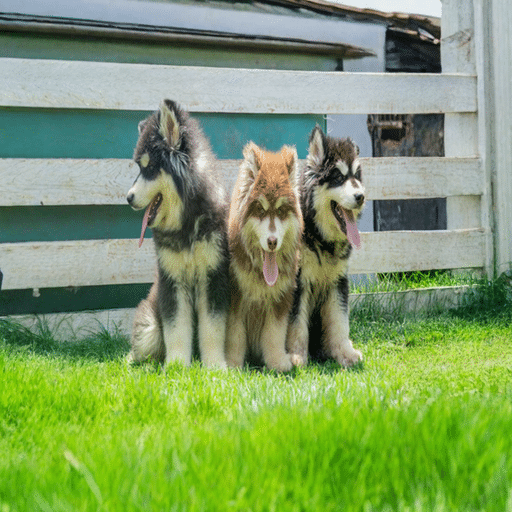

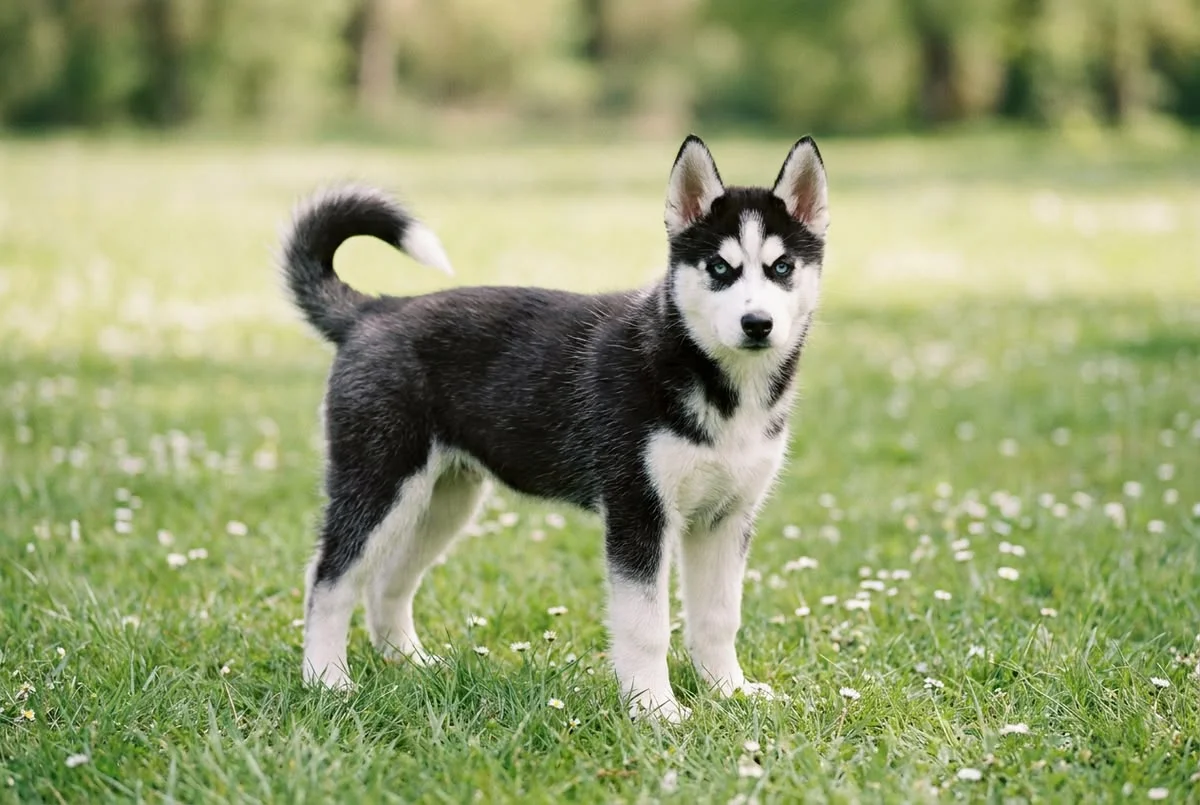
Siberian Husky puppies for Sale in UAE – 10 Weeks Old
Original price was: 10,000 د.إ.9,000 د.إCurrent price is: 9,000 د.إ.
The Siberian Husky puppy is one of the most recognizable dogs in the world, known for its beautiful eyes, thick coat, athletic body, and energetic personality. The Siberian Husky dog has a fascinating history that began in northeastern Siberia, where it was developed as a hardworking sled dog. Today, many families admire this breed for its friendly nature, intelligence, and striking appearance. However, before choosing a Siberian Husky puppy, it is important to understand its history, origin, types, exercise requirements, grooming needs, and special care requirements. If you are researching the Siberian Husky puppy price or thinking about welcoming this breed into your family, this guide will help you understand what owning a Husky involves.
Puppies Hub is a trusted dog store in the UAE, and you can contact us through WhatsApp to ask about puppy availability and purchasing information.
What Is a Siberian Husky Dog?
The Siberian Husky is a medium-sized working dog originally developed for pulling sleds over long distances in cold northern regions. It is famous for its wolf-like appearance, pointed ears, thick double coat, and beautiful eyes. Despite its wild appearance, the Siberian Husky is a domestic dog with a long history of living and working alongside people. It is not a wolf or a wolf-dog hybrid. The breed was developed through generations of selective breeding for endurance, speed, strength, and a friendly working temperament. A Siberian Husky puppy is usually curious, playful, and full of energy. As it grows, it develops into an athletic dog that needs regular physical activity, mental stimulation, and consistent training. The Siberian Husky dog is also known for being social. Many Huskies enjoy the company of people and other dogs, although individual personalities can differ. They are not usually natural guard dogs because many are friendly toward strangers.Siberian Husky History: Where Did the Breed Come From?
The history of the Siberian Husky goes back many centuries. The breed was developed in northeastern Siberia by the Chukchi people, who needed a reliable dog for transportation and everyday life in a difficult Arctic environment.The Chukchi People and the Early Siberian Husky
The Chukchi people lived in northeastern Siberia, where extremely cold weather, snow, and long distances made transportation difficult. They developed strong and efficient sled dogs that could travel long distances while pulling relatively light loads. These early dogs needed more than physical strength. They required endurance, an efficient way of moving, and the ability to work with other dogs as a team. The Chukchi also valued their dogs as companions. The dogs lived close to families and were part of everyday community life. This close relationship helped shape the friendly and social qualities associated with the Siberian Husky today.The Siberian Husky as a Working Sled Dog
The early Siberian Husky was bred to work rather than simply to look attractive. Its body, coat, and movement developed to support life in cold conditions. The breed became known for:- Pulling sleds over long distances.
- Working as part of a team.
- Maintaining energy during demanding journeys.
- Moving efficiently across snow and frozen ground.
- Living and working closely with people. These working qualities remain part of the Siberian Husky dog's character today. Even a family pet may have a strong desire to run, explore, and stay active.
How the Siberian Husky Reached Alaska
In the early twentieth century, Siberian sled dogs were brought to Alaska. They attracted attention because of their speed, endurance, and ability to compete in sled races. The dogs became popular among people involved in transportation and sled racing. Their performance helped introduce the Siberian Husky to a wider audience.The Famous 1925 Serum Run
One of the most famous events in Siberian Husky history happened in 1925 in Nome, Alaska. The town was facing a diphtheria outbreak and urgently needed medicine. A relay of dog sled teams transported lifesaving serum across a long and difficult route. Siberian Huskies were part of this important journey, and their endurance and teamwork helped bring attention to the breed. The event became an important part of the breed's history and helped make the Siberian Husky famous beyond Alaska.Siberian Husky Origin: Why Is It Called Siberian?
The name Siberian Husky refers to the breed's origin in Siberia, a large region in northern Asia that is known for its extremely cold climate. The breed developed in northeastern Siberia, where the Chukchi people needed dogs that could travel long distances in snow and freezing temperatures.Is the Siberian Husky a Russian Dog?
Yes. The Siberian Husky originated in the region that is now part of Russia. Its development is strongly connected to the Chukchi people of northeastern Siberia. Although the modern breed became internationally popular through its history in Alaska and North America, its original roots are in Siberia.Is a Siberian Husky Related to a Wolf?
The Siberian Husky has a wolf-like appearance, but it is a domestic dog breed. Its pointed ears, thick coat, facial markings, and body shape remind many people of wolves. However, a Siberian Husky is not a wolf and should not be described as a half-wolf dog. Its appearance reflects its northern ancestry and working background.Is a Siberian Husky Related to an Alaskan Malamute?
The Siberian Husky and Alaskan Malamute are separate northern working breeds. Both were developed for sled-related work and have thick double coats. However, the Siberian Husky is generally lighter and built for speed and endurance, while the Alaskan Malamute is usually heavier and more powerful, traditionally suited to pulling heavier loads.Siberian Husky Characteristics and Appearance
The Siberian Husky has a balanced, athletic body designed for movement and endurance. Its appearance is one of the main reasons why people are attracted to this breed.Siberian Husky Size and Weight
An adult Siberian Husky is usually medium-sized, although its exact measurements depend on sex and genetics. Typical adult measurements are:| Characteristic | Male | Female |
|---|---|---|
| Height | 21–23.5 inches | 20–22 inches |
| Weight | 45–60 pounds | 35–50 pounds |
| Body type | Athletic and balanced | Athletic and balanced |
Siberian Husky Coat
The Siberian Husky has a double coat made of two main layers:- Undercoat: A soft, dense layer that helps provide insulation.
- Outer coat: A protective layer of straight or slightly smooth guard hairs. This double coat helped the original Siberian Husky survive cold weather. It also means that modern Huskies shed a considerable amount of hair, especially during seasonal coat changes.
Siberian Husky Eye Colours
The eyes are one of the most recognizable features of the Siberian Husky. Common eye colours include:- Blue.
- Brown.
- One blue eye and one brown eye.
- Mixed or partly coloured eyes. Some Siberian Huskies have two blue eyes, while others have two brown eyes. Different eye colours do not automatically indicate a difference in health or quality.
Siberian Husky Facial Features
The Siberian Husky usually has erect triangular ears, an expressive face, and a thick tail. Its facial markings can vary from one dog to another. Some Huskies have a distinctive mask pattern around the eyes and forehead, while others have mostly white faces.What Are the Types of Siberian Husky Dogs?
People searching for Siberian Husky types may find terms such as standard Husky, miniature Husky, wooly Husky, and different colour varieties. It is important to understand that these descriptions do not all represent officially recognized separate breeds. Some refer to coat appearance, size, or informal breeding labels.1. Standard Siberian Husky
The standard Siberian Husky is the recognized breed. It follows the breed's accepted characteristics, including its medium size, athletic body, double coat, and working temperament. A standard Siberian Husky should be balanced and capable of movement and endurance. Its appearance should reflect its original purpose as a sled dog.2. Miniature Siberian Husky
The term Miniature Siberian Husky is sometimes used to advertise smaller dogs that look like Siberian Huskies. However, miniature size is not a separate variety recognized by major kennel organizations as part of the standard Siberian Husky breed. A smaller dog may come from selective breeding or different breeding backgrounds. Buyers should ask about the dog's parents, health, and expected adult size rather than trusting a label alone.3. Wooly Siberian Husky
A Wooly Siberian Husky has a longer and fuller coat than the typical standard coat. The extra coat length can create a very fluffy appearance. The wooly coat is not a separate breed. It is a coat variation, and the longer hair may require additional grooming to prevent tangles and collect less dirt.4. Siberian Husky Colour Varieties
Siberian Huskies come in several coat colours and combinations. Common descriptions include:- Black and white.
- Grey and white.
- Red and white.
- Agouti and white.
- Sable and white.
- Brown and white.
- Solid white.
- Other accepted combinations and markings. Coat colour does not determine a Siberian Husky's personality, intelligence, or ability to become a good family companion.
5. Siberian Husky Eye Colour Varieties
Some people describe Huskies by their eye colour, such as blue-eyed Husky, brown-eyed Husky, or bi-eyed Husky. These are appearance descriptions rather than separate types of Siberian Husky. A puppy's eye colour should not be the only factor when choosing a dog.Siberian Husky Personality and Temperament
The Siberian Husky is known for being friendly, energetic, social, and independent. It can be an excellent companion for active owners who understand its needs.A Friendly and Social Dog
Many Siberian Huskies enjoy meeting people and spending time with their families. They are often friendly toward visitors and may not be naturally suspicious of strangers. This means a Siberian Husky is not always a suitable choice for someone looking for a protective guard dog.An Energetic and Active Personality
The Siberian Husky was developed for endurance and movement. It needs regular exercise and activities that allow it to use its energy. A bored Siberian Husky may dig, chew, escape, or develop other unwanted behaviours.An Intelligent but Independent Dog
The Siberian Husky is intelligent, but it can also be independent. It may understand a command without always choosing to follow it. This is why training needs patience, repetition, and rewards. A strong relationship with the owner is important.A Playful and Sometimes Mischievous Companion
A Siberian Husky puppy often enjoys exploring, playing, and testing boundaries. Some Huskies are also famous for making unusual sounds, including howling and talking-like vocalizations. Owners should provide suitable toys, training, and daily activities to help prevent boredom.Is a Siberian Husky Good with Children?
Many Siberian Huskies can be friendly with children, especially when they are raised with positive social experiences. However, their energy and size mean that interactions should always be supervised. Young children should learn how to approach and handle a dog gently.Can a Siberian Husky Live with Other Dogs?
Siberian Huskies are often social with other dogs, especially when introduced properly. However, individual behaviour varies. Because the breed may have a strong prey drive, owners should be careful around smaller animals and should never assume that every Husky will be safe with every pet.Is a Siberian Husky Suitable for First-Time Owners?
A Siberian Husky can be a wonderful companion, but it is not always the easiest choice for a first-time dog owner. The breed needs regular exercise, consistent training, secure surroundings, and careful management of its coat and temperature. Before choosing a Siberian Husky puppy, ask yourself:- Can I provide daily exercise?
- Can I spend time training my dog?
- Can I manage heavy shedding?
- Do I have a secure home and outdoor area?
- Can I keep the dog comfortable in the UAE climate?
- Can I arrange care when I am away? If you can meet these needs, a Siberian Husky may become a rewarding companion. If you prefer a dog that needs less exercise and less management, another breed may be more suitable.
How to Take Care of a Siberian Husky Dog
Taking care of a Siberian Husky involves more than providing food and water. The breed needs exercise, grooming, training, social interaction, and a suitable environment.1. Provide Daily Exercise
A Siberian Husky needs regular physical activity. Adult dogs generally require substantial daily exercise, although the exact amount depends on age, health, and fitness. Suitable activities may include:- Walks during cooler weather.
- Supervised outdoor play.
- Structured games.
- Training activities.
- Safe running in a secure area. A young Siberian Husky puppy should not be forced into long runs or intense exercise. Its activity should increase gradually as it grows.
2. Keep Your Siberian Husky Mentally Active
Physical exercise alone may not be enough. A Siberian Husky also needs mental stimulation. Try puzzle toys, scent games, short training sessions, and activities that encourage problem-solving. Mental activities can help reduce boredom and unwanted behaviour.3. Brush the Coat Regularly
The double coat of a Siberian Husky needs regular brushing. Brush more often during shedding seasons when loose undercoat increases. Use a suitable dog brush and work gently through the coat. Avoid pulling on knots.4. Bathe When Needed
Siberian Huskies do not usually need frequent baths. Bathe your dog when necessary using a suitable dog shampoo. Rinse thoroughly and dry the coat properly. Ask a professional groomer or veterinarian for advice if your dog has skin irritation.5. Take Care of the Nails
Check your Husky's nails regularly. Long nails can affect walking comfort and movement. Trim them carefully or ask a professional groomer or veterinarian to help.6. Clean the Ears
Check your Siberian Husky's ears regularly for dirt, redness, unusual discharge, or unpleasant smells. Clean only the visible areas with a dog-safe product recommended by your veterinarian. Do not insert cotton buds deep into the ear canal.7. Maintain Dental Health
Brush your Siberian Husky's teeth with a dog-specific toothbrush and toothpaste. Regular dental care helps reduce plaque and gum problems. Never use human toothpaste for your dog.What Should a Siberian Husky Puppy Eat?
Good nutrition supports healthy growth, energy, muscles, bones, and coat condition. A Siberian Husky puppy needs a complete and balanced food designed for puppy development. The right food and daily portion depend on the puppy's age, weight, activity, health, and the food's calorie content.Best Food for a Siberian Husky Puppy
Choose a complete puppy food that meets recognized nutritional standards and is suitable for the puppy's expected adult size. Suitable options may include:- Complete dry puppy food.
- Complete wet puppy food.
- A combination of wet and dry puppy food, when the overall diet remains balanced. Fresh drinking water should always be available. Avoid feeding a Siberian Husky puppy only meat, rice, or vegetables. These foods alone may not provide the balanced nutrition required for growth.
Weekly Feeding Routine for a Siberian Husky Puppy
The following table is an example of how to organize the first eight weeks after bringing your puppy home. It is a routine guide, not a fixed feeding prescription. Follow the food manufacturer's instructions and ask your veterinarian to confirm the correct daily amount and meal frequency for your puppy.| Week | Feeding routine | Main goal |
|---|---|---|
| Week 1 | Continue the same complete puppy food the dog was eating before arrival. Divide the daily amount into age-appropriate meals. | Keep the diet familiar during adjustment. |
| Week 2 | Continue the same food and feeding times. Monitor appetite, stool quality, and water intake. | Establish a consistent routine. |
| Week 3 | If a diet change is needed, begin mixing a small amount of the new food with the old food. | Start a gradual transition. |
| Week 4 | Increase the new food gradually if the puppy tolerates the change. | Avoid sudden digestive changes. |
| Week 5 | Continue complete puppy food and follow the recommended daily portion. | Support healthy development. |
| Week 6 | Review the puppy's weight and body condition with your veterinarian if needed. | Check that the feeding plan is suitable. |
| Week 7 | Maintain regular meals and use small puppy-safe treats during training. | Support positive learning. |
| Week 8 | Continue age-appropriate puppy food and adjust portions according to growth and veterinary advice. | Maintain balanced nutrition. |
How Many Times a Day Should a Siberian Husky Puppy Eat?
Young puppies usually need more frequent meals than adult dogs because they are growing and have smaller stomachs. A general feeding routine may look like this:- Very young puppies: several small meals throughout the day.
- Puppies around three to six months: usually three meals daily.
- Older puppies: often two or three meals, depending on their needs. The exact routine depends on the puppy's age, health, and food. Avoid making a young puppy skip meals.
How Much Food Does a Siberian Husky Need?
There is no single amount that suits every Siberian Husky puppy. Food portions should be based on the puppy's weight, age, activity, and the calorie content of the chosen food. Use the food packaging as a starting point and confirm the amount with your veterinarian. Monitor body condition and adjust the feeding plan when needed.Foods to Avoid
Some human foods can be dangerous or toxic to a Siberian Husky. Keep these away:- Chocolate.
- Grapes and raisins.
- Onion and garlic.
- Products containing xylitol.
- Alcohol.
- Caffeine.
- Cooked bones that can splinter.
- Very salty or heavily seasoned foods. If your puppy eats a potentially toxic food, contact a veterinarian immediately.
Should You Shave a Siberian Husky in the UAE?
Shaving a Siberian Husky down to the skin is generally not recommended. Its double coat helps protect the skin and supports temperature regulation. Removing the coat does not provide a safe solution to hot weather and may expose the skin to sun damage. Regular brushing, a cool indoor environment, and careful exercise planning are better ways to manage the coat in the UAE.Common Siberian Husky Health Concerns
The Siberian Husky is generally a strong and athletic breed, but it can still develop certain health conditions. Regular veterinary care and responsible breeding are important.Hip Dysplasia
Hip dysplasia is a condition that affects the hip joint. It can cause discomfort, stiffness, and difficulty moving. If your Siberian Husky shows signs of pain or an unusual walking pattern, arrange a veterinary examination.Eye Conditions
Some Siberian Huskies can develop inherited eye conditions, including cataracts and other eye problems. Regular eye checks are important. Watch for cloudiness, redness, discharge, or changes in vision.Skin and Coat Problems
Allergies and skin irritation can affect the Siberian Husky. Repeated scratching, redness, or hair loss should be checked by a veterinarian.Thyroid Conditions
Some Huskies may develop thyroid-related health problems. Changes in weight, coat condition, or energy levels should be discussed with a veterinarian.Regular Veterinary Care
Arrange routine veterinary visits and follow the recommended vaccination and parasite prevention schedule. Keep your dog's medical records in a safe place.How Long Does a Siberian Husky Live?
A Siberian Husky commonly has an expected lifespan of around 12 to 14 years, although individual dogs may live longer or shorter. A healthy lifestyle can support a better quality of life. Good nutrition, suitable exercise, dental care, grooming, and regular veterinary examinations are all important. As your Siberian Husky gets older, its activity and dietary needs may change. Your veterinarian can help adjust its routine.Is a Siberian Husky Easy to Groom?
The Siberian Husky is relatively clean compared with some breeds, but its thick double coat sheds heavily. Regular brushing is necessary to remove loose hair and prevent the coat from becoming dirty or tangled. During seasonal shedding periods, owners may need to brush more frequently. Professional grooming can help, but shaving the double coat is generally not recommended.Is a Siberian Husky Good for Apartment Living?
A Siberian Husky can sometimes live in an apartment, but it is not the easiest breed for every apartment owner. It needs substantial daily exercise, mental stimulation, and training. Its vocal nature may also create challenges in buildings where noise needs to be limited. Before choosing a Siberian Husky, consider your daily schedule, access to safe exercise areas, and ability to provide a cool indoor environment.How Much Does It Cost to Own a Siberian Husky?
The purchase price is only one part of owning a Siberian Husky. You should also plan for regular expenses throughout the dog's life. Your budget may include:- Complete puppy or adult dog food.
- Veterinary checkups.
- Vaccinations and parasite prevention.
- Grooming supplies.
- Professional grooming when needed.
- Toys and training equipment.
- A suitable harness and leash.
- Safe bedding and accessories.
- Emergency veterinary care. The cost depends on the dog's age, health, lifestyle, and the products and services you choose.
Siberian Husky Puppy Price: What Affects the Cost?
The Siberian Husky puppy price can vary depending on several factors. There is no single price that applies to every puppy. If you are comparing the Siberian Husky puppy price, consider the puppy's health information, vaccination history, age, appearance, and available documentation rather than looking only at the advertised amount.1. Puppy Age
The puppy's age can affect its price and the arrangements needed before it moves to a new home. Always confirm the date of birth and make sure the puppy is ready for rehoming.2. Health Background
A puppy's general health and available veterinary records are important factors. Ask about any known health concerns and request the available supporting documents.3. Vaccination History
A vaccination certificate helps you understand which vaccinations the puppy has received and what veterinary care may be needed next.4. Coat Colour and Appearance
Some coat colours and eye colours may attract different levels of interest. However, appearance should never be more important than health and temperament.5. Availability
The number of Siberian Husky puppies available in the UAE can change over time. Availability and sourcing arrangements may affect the current selling price.Why Choose Puppies Hub for a Siberian Husky Puppy in the UAE?
Choosing where to purchase your puppy is an important decision. Puppies Hub is a trusted dog store in the UAE, helping customers enquire about puppies and understand the buying process. If you are interested in a Siberian Husky puppy, you can contact our team to ask about:- Current puppy availability.
- Puppy age and availability details.
- The current Siberian Husky puppy price.
- Vaccination certificate and health documentation.
- Delivery services within the UAE.
- Purchase and payment arrangements. We encourage every customer to ask questions and confirm the available information before completing a purchase.