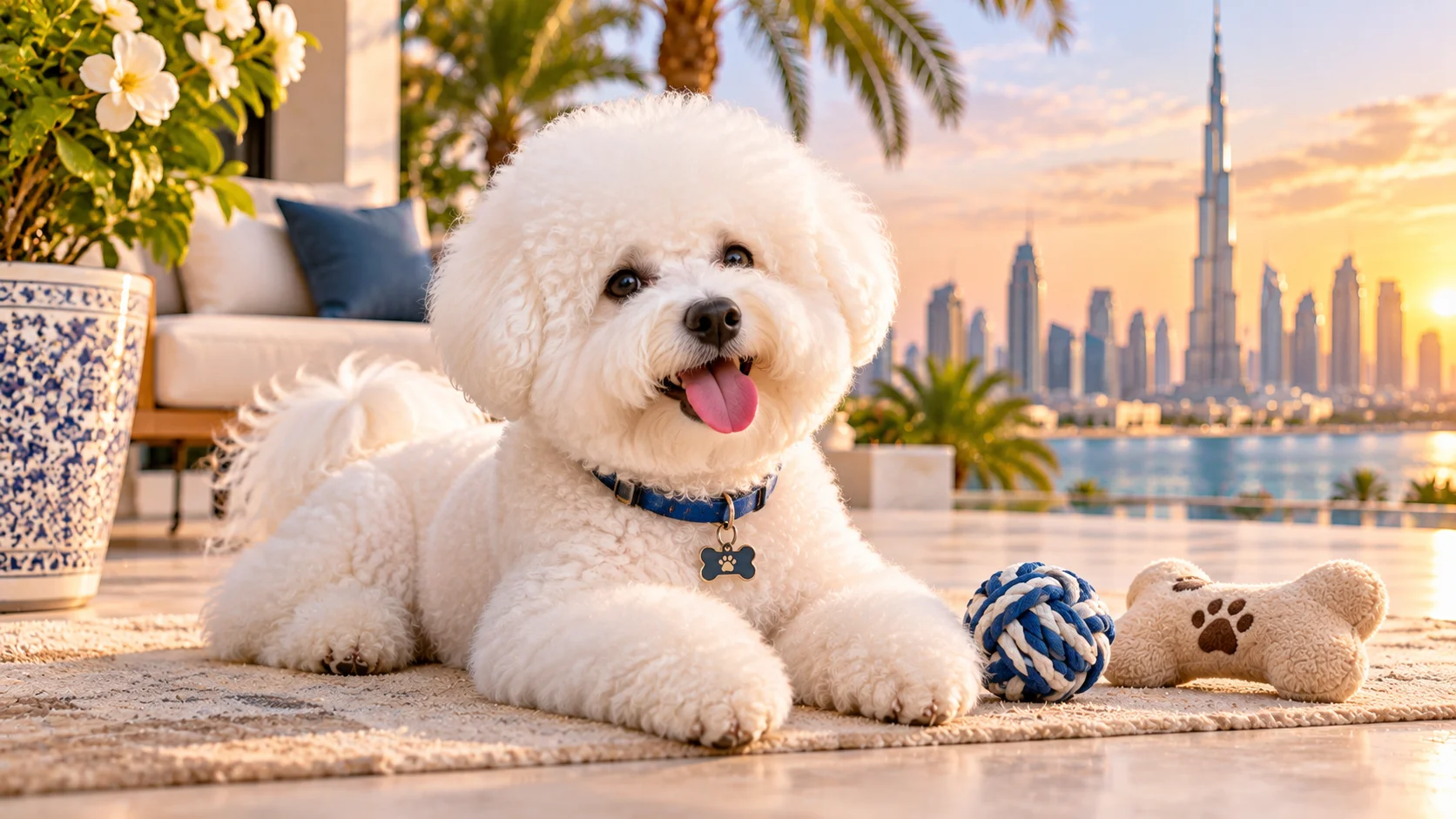
Why Is the Bichon Frise Lifespan in Human Years Different from Its Actual Age?
A one-year-old Bichon Frise is not equivalent to a seven-year-old child. By its first birthday, a dog has already completed much of its early physical development and may be approaching sexual and social maturity.
The first two years are particularly important because the dog’s body and behaviour develop quickly. After the second year, ageing becomes more gradual, although the rate still varies between individuals.
For example, a 10-year-old Bichon Frise is often compared with a person in their mid-to-late 50s using small-dog age charts. However, this does not mean the dog has the same health, strength, or needs as a human of that age. The comparison simply helps owners understand the dog’s general life stage.
When checking the Bichon Frise lifespan in human years, pay attention to changes in behaviour, movement, appetite, sleep, and daily comfort rather than relying only on age charts.
Life Stages That Affect the Bichon Frise Average Lifespan
A Bichon Frise goes through four main life stages, and each one comes with different care needs. Understanding these stages helps owners provide appropriate nutrition, exercise, grooming, and veterinary attention as their dog grows older.
| Life Stage |
Approximate Age |
Main Care Priorities |
| Puppy |
Birth to 12 months |
Nutrition, vaccinations, socialisation, and training |
| Young adult |
1–3 years |
Exercise, dental care, grooming, and balanced nutrition |
| Mature adult |
4–7 years |
Weight management, preventive health checks, and activity monitoring |
| Senior |
Around 8 years and older |
Veterinary monitoring, comfortable exercise, and age-appropriate care |
1. Puppy Stage: Birth to 12 Months
The puppy stage is a period of fast growth and learning. Young Bichons need a complete puppy diet, suitable vaccinations, parasite prevention, socialisation, and gentle training. Their small bodies also mean owners should avoid rough play and activities that may cause injury.
Important care priorities during this stage include:
- Providing balanced puppy food and appropriate feeding portions.
- Following the veterinarian’s vaccination schedule.
- Maintaining regular parasite prevention.
- Introducing basic training and positive socialisation.
- Scheduling veterinary checks to monitor growth and development.
A veterinarian can also advise on feeding amounts, dental development, and parasite protection. These early habits help establish a foundation for a healthy Bichon Frise average lifespan.
Socialisation is equally important. Introduce the puppy to different sounds, people, surfaces, and everyday situations in a calm and positive way. In the UAE, this can include getting used to car journeys, indoor environments, grooming visits, and the sounds of busy residential areas.
2. Young Adult Stage: 1 to 3 Years
During this stage, most Bichons are physically mature and full of energy. They usually enjoy short walks, interactive games, and spending time with their families. Their adult feeding routine should provide balanced nutrition without excessive calories.
This is also a good time to establish consistent dental care and grooming routines.
Owners should focus on:
- Regular brushing to prevent coat tangles.
- Dental care to help reduce plaque buildup.
- Daily physical activity and interactive play.
- Balanced adult food without excessive calories.
- Routine veterinary examinations.
Bichon coats can become tangled when brushing is irregular, while plaque can build up when teeth are neglected. These problems may seem small at first but can affect comfort and health over time.
A young adult may appear perfectly healthy, but preventive veterinary examinations remain important. They give the vet an opportunity to identify concerns before obvious symptoms develop and support a longer Bichon Frise average lifespan.
3. Mature Adult Stage: 4 to 7 Years
A Bichon Frise between four and seven years old is usually a mature adult. Many dogs remain playful, but their activity levels may change slightly. Weight management becomes particularly important because even a small amount of excess weight can put additional pressure on the joints.
Owners should monitor the following changes:
| What to Monitor |
Why It Matters |
| Appetite |
Changes may indicate a health concern |
| Drinking habits |
Unusual changes should be discussed with a veterinarian |
| Bathroom routines |
Changes may require further assessment |
| Skin condition |
Helps identify developing skin problems |
| Energy levels |
May reveal changes in activity or general health |
| Body weight |
Helps prevent unnecessary pressure on the joints |
This stage is also suitable for discussing a preventive health plan with a veterinarian. Depending on the dog’s history and examination, the vet may recommend specific blood tests, dental treatment, or further checks.
Consistent monitoring can help protect the Bichon Frise average lifespan without waiting for a problem to become severe.
4. Senior Stage: Around 8 Years and Older
Many small dogs begin to show senior changes around eight to ten years of age, although the timing varies. Some Bichons remain lively at 11 or 12, while others develop mobility or health problems earlier.
As a Bichon Frise gets older, its daily routine may need some adjustments.
Senior Bichon Frise care checklist:
- Schedule veterinary visits more frequently when recommended.
- Adjust food portions according to activity and body condition.
- Provide soft and comfortable resting areas.
- Choose shorter but regular walks.
- Monitor mobility, appetite, sleep, and behaviour.
- Continue gentle exercise unless a veterinarian advises otherwise.
Senior dogs may need more frequent veterinary visits, adjusted food portions, softer resting areas, and shorter but regular walks. Owners should not stop exercising an older Bichon unless a veterinarian recommends it. Gentle movement helps maintain muscle strength and mobility.
The Bichon Frise lifespan in human years can help owners understand why a 10-year-old dog may need more attention. However, age alone should not determine what the dog can do. Its physical condition, behaviour, and veterinary assessment are more important.
What Factors Affect the Bichon Frise Average Lifespan?
The Bichon Frise average lifespan is influenced by more than breed size. A dog’s inherited traits, daily routine, weight, environment, and medical history all play a role. Although owners cannot control every risk, they can make daily choices that support their dog’s long-term health.
Several factors are particularly important when caring for a Bichon Frise:
| Factor |
How It Affects Health |
What Owners Can Do |
| Genetics and breeding |
May influence the risk of inherited conditions |
Choose responsible breeders and review health records |
| Diet and body weight |
Affect energy, muscle condition, and joint health |
Provide balanced food and measured portions |
| Exercise |
Supports mobility and healthy weight |
Maintain regular, age-appropriate activity |
| Dental care |
Helps prevent plaque, gum disease, and tooth loss |
Brush teeth and schedule dental examinations |
| Veterinary care |
Helps identify health concerns early |
Maintain routine checkups and preventive care |
1. Genetics and Responsible Breeding
Genetics can influence a dog’s risk of developing certain inherited conditions. A puppy from healthy parents with appropriate health screening may have a better starting point than one from an unknown or poorly managed breeding background.
Before choosing a Bichon Frise puppy, consider the following:
- Ask the breeder about the parents’ health history.
- Request information about recommended breed-specific health screening.
- Review the puppy’s veterinary records.
- Confirm that the puppy has been examined by a veterinarian.
A responsible breeder should be willing to discuss health concerns honestly. They should not promise that a puppy will live to a specific age. No breeder can guarantee the average lifespan of an individual Bichon Frise.
2. Diet and Healthy Body Weight
Food affects energy, muscle condition, skin health, digestion, and body weight. A Bichon Frise needs a complete and balanced diet that matches its age, size, activity level, and medical needs.
Overfeeding can lead to weight gain, particularly when treats and table scraps are added to regular meals. Extra weight may increase pressure on the joints, make exercise more difficult, and make some health conditions harder to manage.
Healthy feeding habits include:
- Using measured portions instead of filling the bowl whenever it looks empty.
- Choosing complete food suitable for the dog’s life stage.
- Keeping treats to a small part of daily calorie intake.
- Avoiding excessive table scraps.
- Monitoring body weight regularly.
If your Bichon is gaining weight despite eating a suitable amount, ask your veterinarian to review its diet and activity.
Good nutrition is one of the practical ways to support the Bichon Frise average lifespan, but expensive food is not automatically better. Choose a suitable complete diet and follow professional advice when the dog has a medical condition.
3. Exercise and Daily Movement
Bichons are small, but they still need daily activity. Short walks, indoor games, and simple training exercises can help maintain a healthy weight and provide mental stimulation.
A suitable routine is usually more useful than occasional intense exercise. For example, two manageable walks combined with playtime may work better than one long outing in hot weather.
The exercise routine should match the dog’s age and fitness:
| Life Stage |
Suitable Activities |
| Puppy |
Controlled play and short, gentle activities |
| Adult |
Regular walks, interactive games, and training |
| Senior |
Shorter walks, gentle movement, and adequate rest |
This balanced approach can support the Bichon Frise average lifespan while keeping daily life enjoyable.
4. Dental Care
Dental disease is an important health concern in small dogs. Plaque can harden into tartar, irritate the gums, and contribute to infection and tooth loss. Painful dental problems may also affect eating and behaviour.
To maintain good dental health:
- Brush your Bichon’s teeth regularly with a dog-specific toothbrush and toothpaste.
- Avoid human toothpaste because it is not suitable for dogs.
- Introduce brushing gradually and reward calm behaviour.
- Arrange professional dental examinations when recommended.
Your veterinarian can identify problems that are difficult to see at home and advise whether a dental cleaning is needed. Healthy teeth and gums are an important part of supporting the Bichon Frise average lifespan.
5. Regular Veterinary Care
Routine veterinary visits help monitor weight, teeth, eyes, ears, skin, movement, and general health. Vaccinations and parasite prevention should follow a plan suited to the dog’s age, lifestyle, and local risks.
Regular veterinary care should include:
- Routine physical examinations.
- Vaccinations and parasite prevention.
- Dental and oral health checks.
- Weight and body condition monitoring.
- Additional examinations or diagnostic tests when recommended.
Do not wait for an annual appointment if you notice a sudden change. Repeated vomiting, difficulty breathing, collapse, severe pain, or an inability to urinate needs urgent veterinary attention.
For older dogs, your vet may suggest more frequent examinations or diagnostic tests. The right schedule depends on the individual animal. Regular care gives owners a better chance of identifying problems that could affect the Bichon Frise average lifespan.
Common Health Problems That May Affect Bichon Frise Lifespan
Bichon Frises are often considered a relatively long-lived breed, but they can still develop health conditions. Knowing the warning signs helps owners seek veterinary advice early. It is important to remember that not every Bichon will develop these problems.
The following table summarizes some health concerns mentioned in this guide:
| Health Problem |
Common Warning Signs |
| Allergies and skin problems |
Scratching, paw licking, red skin, and ear irritation |
| Dental disease |
Bad breath, red gums, tartar, and difficulty chewing |
| Patellar luxation |
Skipping, lifting a back leg, or unusual walking |
| Eye conditions |
Cloudiness, redness, excessive tearing, and squinting |
| Bladder stones and urinary problems |
Frequent urination attempts, discomfort, and blood in urine |
1. Allergies and Skin Problems
Some Bichons experience skin irritation linked to environmental allergens, food sensitivities, or other causes. Signs may include:
- Frequent scratching.
- Licking or chewing the paws.
- Red or irritated skin.
- Ear irritation.
- Recurring skin or ear infections.
The white coat can make some skin changes easier to notice, but the thick hair may also hide irritation. Regular grooming gives owners an opportunity to check the skin and look for unusual changes.
Do not start a restrictive diet or use human allergy medicine without veterinary advice. A veterinarian can investigate possible causes and recommend suitable treatment. Managing skin problems can improve comfort throughout the Bichon Frise average lifespan.
2. Dental Disease
Small breeds can be vulnerable to dental problems, and Bichons are no exception. Dental disease may develop gradually, so owners should look for signs such as:
- Bad breath.
- Red or swollen gums.
- Visible tartar.
- Dropping food while eating.
- Chewing on one side of the mouth.
Dogs do not always show obvious signs of oral pain. A Bichon may continue eating even when its mouth is uncomfortable. This is why regular dental checks matter.
If you notice bleeding gums, loose teeth, swelling, or difficulty eating, arrange a veterinary examination. Dental care is not just cosmetic; it helps protect the dog’s comfort and general health.
3. Patellar Luxation
Patellar luxation happens when the kneecap moves out of its normal position. It is seen in several small dog breeds and may cause:
- Intermittent skipping while walking.
- Suddenly lifting a back leg.
- An unusual walking pattern.
- Difficulty with certain movements.
The severity can vary. Some dogs have mild signs, while others experience pain or mobility problems that need treatment. A veterinarian can examine the knee and discuss suitable management.
Maintaining a healthy weight may reduce unnecessary pressure on the joints. If your Bichon suddenly starts limping or avoids jumping, do not assume it is simply getting older.
4. Eye Conditions
Bichons may develop eye problems, including cataracts and other conditions that affect vision. Warning signs can include:
- Cloudiness in the eyes.
- Redness or irritation.
- Excessive tearing.
- Squinting.
- Bumping into familiar objects.
Changes in the eyes should be checked by a veterinarian. Some eye conditions progress slowly, while others need prompt attention. Regular examinations can help identify changes before they seriously affect daily life.
Eye health is particularly relevant when considering the Bichon Frise average lifespan, because vision problems can influence mobility, confidence, and the dog’s ability to enjoy its normal routine.
5. Bladder Stones and Urinary Problems
Some Bichons may develop urinary stones. Possible warning signs include:
- Frequent attempts to urinate.
- Signs of discomfort while urinating.
- Blood in the urine.
- Passing only small amounts of urine.
How to Help Your Bichon Frise Live a Longer and Healthier Life
There is no guaranteed way to extend a dog’s life, but consistent care can reduce preventable health risks. Supporting the Bichon Frise average lifespan means building habits that are realistic enough to maintain for years.
1. Keep a Consistent Feeding Routine
Feed your Bichon at regular times and measure each meal. Follow the food manufacturer’s feeding guidance as a starting point, then adjust portions with your veterinarian according to body condition and activity.
Avoid giving large amounts of leftovers. Foods that are safe for people are not always safe for dogs. Chocolate, grapes, raisins, onions, garlic, and products containing xylitol can be dangerous.
Fresh drinking water should always be available. In the UAE, check the water bowl more often during hot weather and after walks.
2. Brush the Coat and Check the Skin
The Bichon Frise has a curly coat that can trap loose hair and develop mats. Regular brushing helps prevent tangles and allows owners to check the skin.
Many owners arrange professional grooming every few weeks, depending on coat length and condition. Between appointments, check the ears, paws, nails, and areas where mats commonly form.
Grooming is not only about appearance. It can reveal lumps, skin irritation, parasites, or injuries that may otherwise remain hidden.
3. Make Dental Care Part of Daily Life
Daily tooth brushing is a useful goal. If your dog does not accept it immediately, begin with short sessions and introduce the toothbrush gradually.
Use products made for dogs. Dental chews may support oral hygiene, but they should not replace brushing or professional examinations.
Ask your veterinarian how often your Bichon needs a dental check. The answer may depend on its current oral health and previous dental problems.
4. Plan Exercise Around the Weather
The UAE climate requires extra attention when planning walks. High temperatures and hot pavement can make outdoor activity unsafe, especially during summer.
Choose cooler times of day, such as early morning or later evening, and check the pavement before walking. If it feels too hot for your hand, it may be too hot for your dog’s paws.
Indoor play can provide movement when outdoor conditions are unsuitable. Puzzle toys, gentle fetch, and short training sessions can keep a Bichon active without exposing it to extreme heat.
5. Monitor Weight and Body Condition
Do not judge your Bichon’s weight by appearance alone. A thick coat can make it difficult to see whether the dog is gaining extra fat.
Your veterinarian can assess body condition and help you choose a suitable target weight. Regular weighing also makes gradual changes easier to identify.
If your dog is overweight, avoid sudden food restriction or intense exercise. A gradual plan is safer and easier to maintain.
6. Bichon Frise average lifespan and Arrange Preventive Veterinary Visits
Keep vaccination and parasite-prevention records up to date. Discuss dental checks, screening tests, and age-related care with your veterinarian.
The correct preventive plan may change as your dog grows older. A puppy, a healthy adult, and a senior Bichon do not have identical medical needs.
Early attention is especially valuable when a dog develops subtle changes in thirst, appetite, sleep, movement, or behaviour.
Is the Bichon Frise a Good Choice for Families in the UAE?
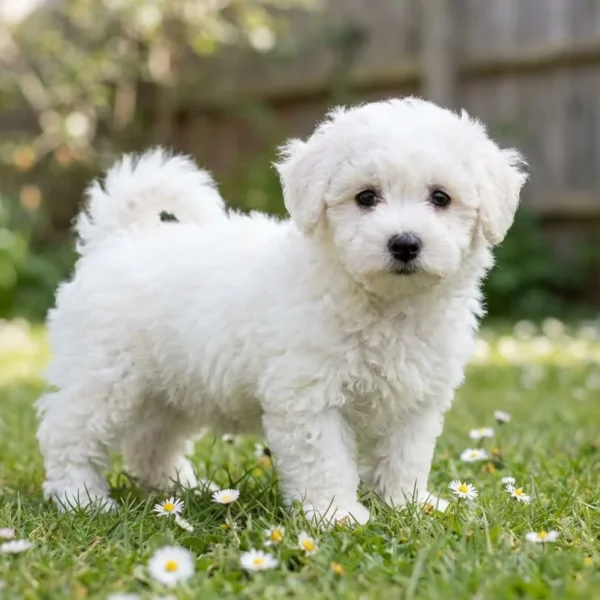
Bichon Frises can be a good choice for many families in the UAE because they are small, affectionate, and generally adaptable. They often enjoy being close to people and can live comfortably in apartments when their exercise, grooming, and social needs are met.
However, this breed is not maintenance-free. Families should consider its daily care requirements before making a decision.
Advantages and Considerations for Families
| Factor |
What Families Should Know |
| Size |
Small size makes the breed suitable for many apartment homes |
| Temperament |
Generally affectionate and people-oriented |
| Exercise |
Needs regular walks and interactive play |
| Grooming |
Requires regular coat maintenance and brushing |
| Social needs |
May become unhappy when left alone for long periods |
| Children |
Needs gentle handling and supervised interactions |
Families with young children should teach them how to handle a small dog gently. It is important to:
- Supervise interactions between children and the dog.
- Provide a quiet place where the dog can rest.
- Avoid pulling the dog’s hair or ears.
- Never disturb the dog while eating or sleeping.
Comparing the Bichon Frise with Other Dog Breeds
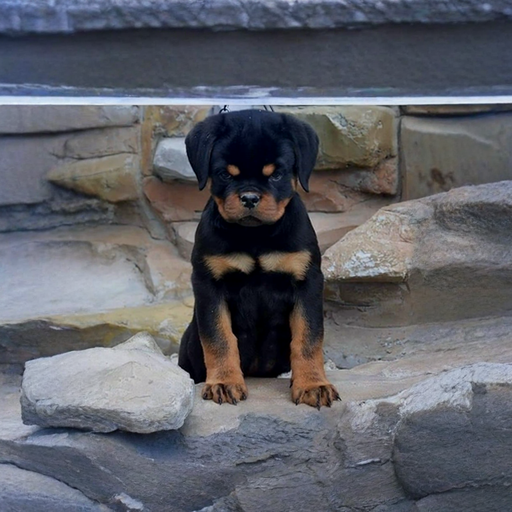
If you are comparing breeds before choosing a companion, you can explore other options on Puppies Hub. You may also want to read about a Corgi for sale near me, a Rottweiler for sale, or the French Bulldog breed profile.
These breeds have different sizes, exercise needs, and care requirements, so the right choice depends on your household and lifestyle.
What to Consider Before Buying a Puppy in Dubai
People researching puppies for sale Dubai should consider more than appearance or puppy age. Before choosing a puppy, ask about:
- Health records and veterinary examinations.
- Vaccination and parasite prevention history.
- Current feeding routine.
- Parent health history, where available.
- Support available after bringing the puppy home.
You can also review information about dog price in UAE to understand the costs involved in choosing and caring for a dog.
Remember that the purchase price is only one part of long-term ownership. Food, grooming, veterinary visits, preventive treatments, and unexpected medical expenses should all be included in your budget.
Signs Your Bichon Frise May Be Getting Older
Ageing is gradual, and it does not look the same in every dog. A Bichon may become less interested in long walks, sleep more often, or take longer to stand after resting.
Common Signs of Ageing in Bichon Frises
| Sign |
What You May Notice |
| Reduced activity |
Your dog may prefer shorter walks and longer rest periods |
| Changes in vision |
Cloudy eyes or difficulty seeing in low light |
| Dental changes |
Bad breath, missing teeth, or difficulty chewing |
| Joint stiffness |
Hesitation before using stairs or jumping onto furniture |
| Changes in sleep |
More daytime sleeping or restlessness at night |
| Weight changes |
Weight gain as activity decreases or unexplained weight loss |
These signs should not automatically be blamed on age. Pain, dental disease, hormonal conditions, and other illnesses can cause similar changes. A veterinary examination can help identify the cause and guide treatment.
The Bichon Frise lifespan in human years gives a broad idea of the dog’s life stage, but its behaviour and physical condition provide more useful information about its daily needs.
When Should a Bichon Frise Visit the Veterinarian?
Routine health checks are important throughout a Bichon Frise’s life, but some symptoms require attention sooner. Knowing when to contact a veterinarian can help owners respond appropriately.
Symptoms That Require a Veterinary Appointment
Contact a veterinarian if your Bichon develops:
- Persistent itching or skin irritation.
- Repeated vomiting or diarrhoea.
- Changes in drinking habits.
- Unexplained weight loss.
- Difficulty walking.
- Noticeable changes in appetite or behaviour.
Keeping a Health Record for Your Bichon Frise
Older Bichons may benefit from more frequent health assessments. Your veterinarian can recommend a schedule based on the dog’s age, previous medical history, and current condition.
Keeping a simple health record can also make veterinary visits more useful. Record the following information:
| Health Information |
What to Record |
| Appetite |
Changes in eating habits |
| Water intake |
Unusual increases or decreases |
| Weight |
Regular weight measurements |
| Medication |
Current medicines and dosages |
| Behaviour |
Changes in sleep, activity, or mood |
| Symptoms |
When a problem started and how often it occurs |
These details can help the veterinarian identify patterns, assess changes over time, and make better decisions about your dog’s care.
Frequently Asked Questions About Bichon Frise Average Lifespan
-
What Is the Average Lifespan of a Bichon Frise?
The Bichon Frise average lifespan is usually around 12 to 15 years. Some dogs live longer, while others may have shorter lives because of genetics, illness, or other health factors. Regular veterinary care, good nutrition, dental hygiene, and healthy body weight can support long-term wellbeing.
-
How Old Is a 10-Year-Old Bichon Frise in Human Years?
A 10-year-old Bichon Frise is approximately 56 human years old using a common small-dog age chart. The Bichon Frise lifespan in human years is an estimate, not an exact scientific measurement, so different charts may give slightly different results.
-
Can a Bichon Frise Live for 15 Years?
Yes. Fifteen years is within the commonly reported life expectancy range for the breed. Some Bichons live beyond this age. Their health, genetics, body weight, dental care, and access to veterinary treatment can all influence their individual lifespan.
-
Is a 12-Year-Old Bichon Frise Considered Old?
A 12-year-old Bichon Frise is generally considered a senior dog. However, some dogs at this age remain active and comfortable. The Bichon Frise lifespan in human years can help explain its life stage, but a veterinarian should assess its actual health and mobility.
-
What Health Problems Are Common in Bichon Frises?
Bichons may experience dental disease, allergies and skin problems, patellar luxation, eye conditions, and urinary problems such as bladder stones. Not every dog develops these conditions. Regular examinations help identify health changes and determine whether treatment is needed.
-
Do Bichon Frises Live Longer Than Large Dogs?
Small dogs often have longer life expectancies than many large and giant breeds. Bichons commonly live around 12 to 15 years, but lifespan varies between breeds and individual dogs. Size alone does not determine how long a dog will live.
-
How Can I Help My Bichon Frise Live Longer?
Provide a balanced diet, maintain a healthy weight, arrange regular veterinary checks, brush the teeth, keep up with grooming, and provide suitable daily exercise. In the UAE, protect your dog from extreme heat and avoid outdoor activity during the hottest hours.
-
When Does a Bichon Frise Become a Senior Dog?
Many small dogs are considered senior at around eight to ten years, although the exact age varies. Some Bichons show age-related changes later. Your veterinarian can help decide when to adjust exercise, nutrition, and preventive health checks.
-
Does Grooming Affect the Bichon Frise Average Lifespan?
Grooming does not directly determine lifespan, but it supports health and comfort. Regular brushing helps prevent painful mats, while coat care allows owners to notice skin problems, lumps, and parasites. Grooming should be combined with dental care and veterinary examinations.
-
Is the Bichon Frise Suitable for Apartment Living in Dubai?
Yes. Bichons can adapt well to apartment living when they receive daily walks, indoor play, social interaction, and regular grooming. Owners should also provide a cool indoor environment and avoid exposing the dog to extreme outdoor temperatures.