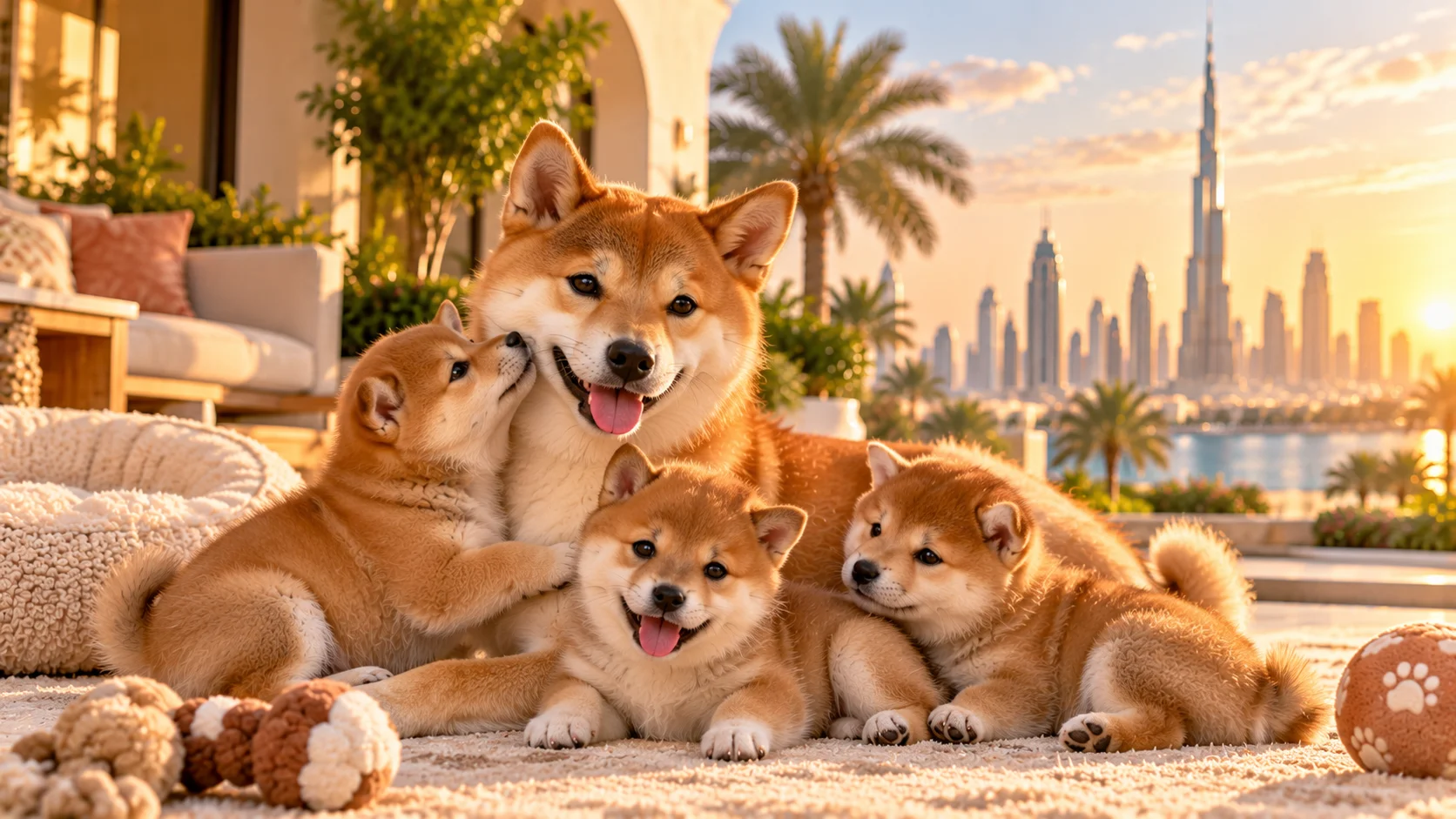
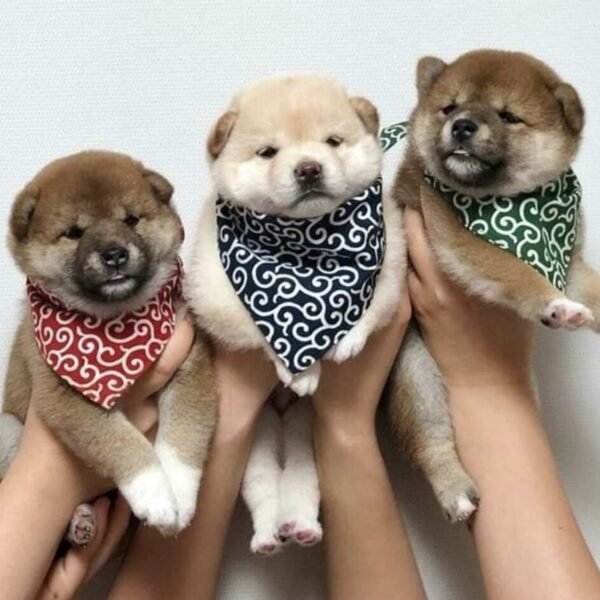
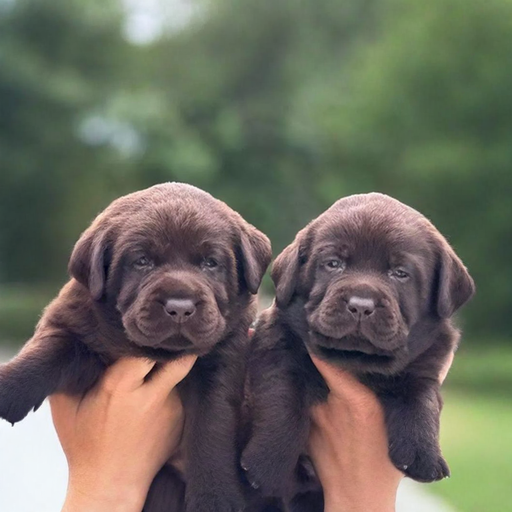
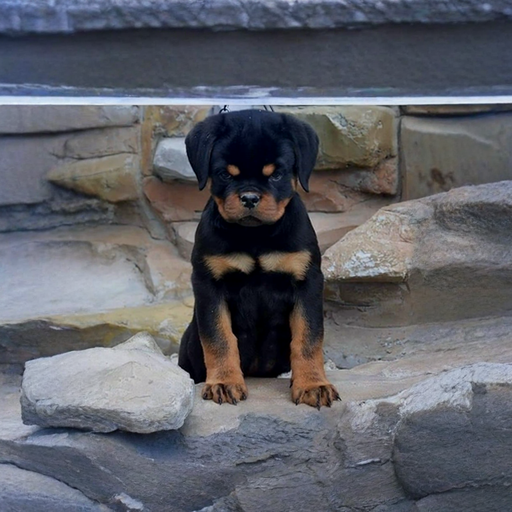
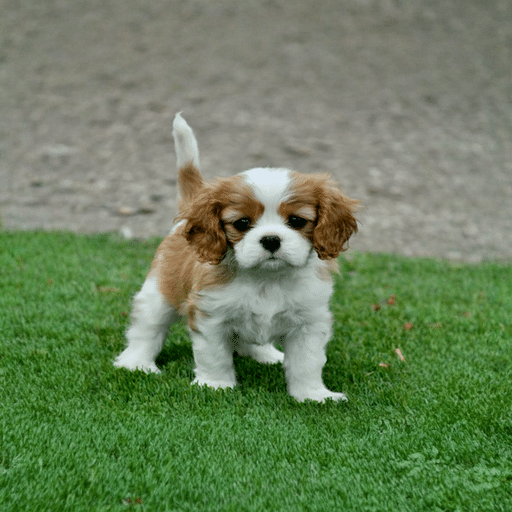
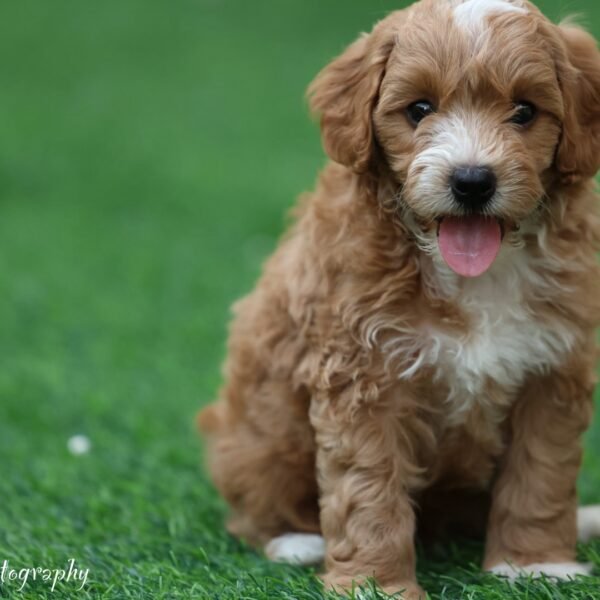
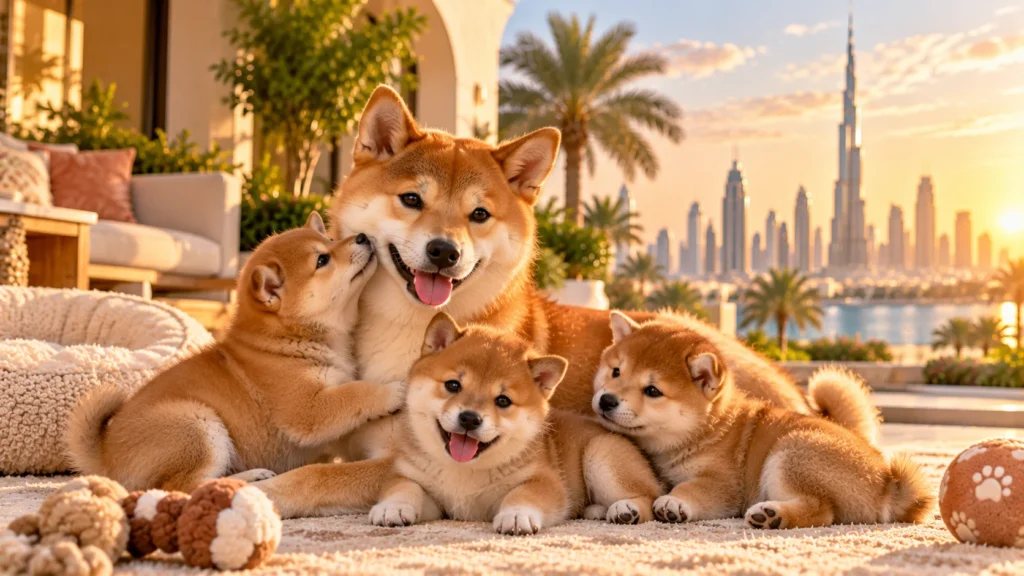
However, they should generally stay with their mother and littermates until at least eight weeks of age, provided they are healthy and developing normally. This period is especially important because puppies learn how to interact with other dogs, manage excitement, and respond to everyday situations. If you are planning to bring a Shiba Inu puppy home in Dubai, Abu Dhabi, or anywhere in the UAE, understanding these stages will help you choose the right time and give your puppy a better start.
The word “mini” is often used in listings of pets to describe a very small dog, but it is not an officially recognized separate Shiba Inu breed. A puppy’s size does not tell you whether it is emotionally or physically ready to leave its mother. Age, health, feeding ability, and social development matter much more.
Shiba Inu Dog Mini: When Does Weaning Start?
Weaning is the gradual process of moving a puppy from its mother’s milk to solid food. For a Shiba Inu dog mini, this usually begins at around three to four weeks of age.
When Does Each Stage of Weaning Happen?
| Puppy age |
Weaning stage |
| 3–4 weeks |
Puppies may start showing interest in soft puppy food by sniffing, licking, or trying small amounts. |
| 6–8 weeks |
Most puppies complete the weaning process and obtain most or all of their nutrition from solid puppy food. |
The transition should be gradual. Suitable puppy food can be softened with warm water to make it easier to eat. It must be designed for puppies and provide the nutrients needed for growth.
What Does a Shiba Inu Puppy Eat During Weaning?
During the early weaning period, puppies can be offered small portions of soft, complete puppy food. The texture can gradually become firmer as their ability to chew improves.
A responsible feeding routine should include:
- Suitable food: Food formulated for growing puppies.
- Regular meals: Small portions appropriate for the puppy’s age.
- Clean water: Provide drinking water once the puppy begins eating solid food.
- Health monitoring: Monitor appetite, weight, and stool quality.
- Continued nursing: Allow access to the mother while nursing remains part of the process.
Important: Do not give cow’s milk as a replacement for the mother’s milk. Many dogs do not digest it well, and it does not provide the correct nutritional balance for a growing puppy.
If a puppy refuses food, loses weight, develops diarrhoea, or appears weak, contact a veterinarian rather than trying different foods without guidance.
Shiba Inu Dog Mini: When Can a Puppy Stop Drinking Mother’s Milk?
A Shiba Inu dog mini puppy usually completes most of the weaning process between six and eight weeks of age. By this stage, many puppies can obtain most or all of their nutrition from suitable solid puppy food.
However, weaning and separation are two different things.
- A puppy may eat independently before it is ready to leave its mother and littermates.
- The mother may naturally spend less time nursing as the puppies grow.
- Gradually reducing dependence on milk allows puppies to adjust without leaving their familiar environment too early.
If the mother cannot nurse because of illness or another serious problem, the puppies may need a veterinary-approved milk replacer and a carefully managed feeding plan. Very young puppies have specific nutritional needs, so ordinary food or homemade milk mixtures are not safe substitutes.
Shiba Inu Dog Mini: Why Should Puppies Stay with Their Mother Until Eight Weeks?
Keeping a Shiba Inu dog mini with its mother and littermates until at least eight weeks old helps support both physical and behavioural development.
What Do Puppies Learn from Their Mother and Littermates?
| Learning experience |
How it helps puppies |
| Everyday interactions with the mother |
Supports learning through observation and interaction |
| Playing with littermates |
Helps puppies learn through play, movement, and communication |
| Bite control |
Puppies may learn to control the force of their mouths when another puppy yelps or stops playing |
| Canine communication |
Helps puppies recognise canine signals and respond to boundaries |
| Handling frustration |
Interactions provide opportunities to recover from small moments of frustration |
Separating a puppy too early can reduce these learning opportunities. It may also make feeding and adjustment more difficult, particularly if the puppy has not fully adapted to solid food.
What Can Happen if a Shiba Inu Puppy Leaves Too Early?
Early separation does not mean that every puppy will develop behavioural problems. However, it can increase the risk of difficulties, especially when the puppy also receives limited social contact or poor care.
Possible concerns include:
- Difficulty interacting with other dogs.
- Fearfulness in unfamiliar situations.
- Problems coping with frustration.
- Poor bite control during play.
- Feeding or growth problems if weaning is incomplete.
These outcomes are not guaranteed. Genetics, health, early handling, and later training also influence behaviour.
A puppy that has been separated early because of an emergency may still develop into a healthy companion with appropriate veterinary care and patient training. The important point is to avoid unnecessary early separation.
Shiba Inu Dog Mini: Signs That a Puppy Is Becoming Independent
There are several signs that a Shiba Inu dog mini puppy is developing greater independence. No single sign proves that it is ready to leave its mother, so the whole picture matters.
1. The Puppy Can Eat Solid Food
A puppy that eats suitable solid food regularly is progressing towards nutritional independence. It should be able to eat without relying entirely on nursing.
Still, eating a few bites is not enough. The puppy must consume enough food to support healthy growth.
2. The Puppy Moves Around Confidently
As puppies grow, they begin walking, exploring, and playing more actively. They may move away from their sleeping area and investigate nearby objects.
This growing confidence is a normal developmental change, but it does not mean the puppy no longer needs its mother.
3. The Puppy Interacts with Littermates
Play with littermates helps puppies learn how to communicate and respond to other dogs. Watch whether the puppy joins play, responds to other puppies, and takes breaks when needed.
A puppy that is consistently isolated, weak, or uninterested in its surroundings may need closer assessment.
4. The Puppy Is Growing Appropriately
Regular weight checks help show whether a puppy is developing as expected. A healthy puppy should generally follow a suitable growth pattern, although individual weights vary.
A veterinarian can assess body condition, hydration, and development. Do not judge readiness from size alone, particularly when a seller describes a puppy as “mini.”
Shiba Inu Dog Mini: Does a Small Size Mean Earlier Independence?
No. A Shiba Inu dog mini does not become independent sooner simply because it weighs less than another puppy.
Physical size and developmental readiness are different things. A tiny puppy may need just as much time with its mother as a larger puppy of the same age.
The term “mini” can also be misleading. Shiba Inu dogs have recognised breed characteristics, but “mini Shiba Inu” is not a separate official breed category. A very small puppy may be smaller than average, may come from smaller parents, or may have a health or growth issue that needs assessment.
What to Check Before Buying a Particularly Small Puppy
- Age: Ask how old the puppy is.
- Parents: Ask about its parents and their size.
- Growth history: Find out how the puppy has been growing.
- Veterinary examination: Ask whether the puppy has been examined by a veterinarian.
Avoid sellers who promise that a puppy will remain exceptionally tiny without explaining the basis for that estimate.
The priority should be a healthy, well-developed puppy, not the smallest puppy in the litter.
Shiba Inu Dog Mini: How the Mother Teaches Puppies Important Skills
The mother plays a valuable role in the early life of a Shiba Inu dog mini. Her behaviour, boundaries, and interactions help the litter learn how to live with other dogs.
Learning Through Play
Puppies often wrestle, chase one another, and gently bite during play. These activities help them practise movement and communication.
When play becomes too rough, another puppy may move away or stop interacting. These natural responses provide feedback that young dogs can learn from.
Learning Boundaries
The mother may move away when she wants a break from nursing or interaction. Puppies gradually learn that other dogs have boundaries.
Later, owners can build on this early learning by:
- Rewarding calm behaviour.
- Preventing rough play.
- Teaching the puppy to respond to basic cues.
Learning About the World
Puppies begin noticing sounds, surfaces, people, and changes in their surroundings. Positive, age-appropriate experiences can help them become more comfortable with everyday life.
The quality of these experiences matters. Puppies should not be frightened or forced into situations they cannot handle. Gentle exposure is more useful than overwhelming stimulation.
Shiba Inu Dog Mini: What Happens During the Socialisation Period?
The early socialisation period is an important stage in a Shiba Inu dog mini puppy’s development. During the first weeks and months of life, puppies learn about their environment and build responses to unfamiliar experiences.
Socialisation does not mean allowing every person to touch the puppy or introducing it to every dog it meets. It means creating safe, positive experiences that help the puppy feel comfortable.
Once the puppy moves to its new home, its owner should continue this process carefully.
Useful Socialisation Experiences for a Shiba Inu Dog Mini
- Hearing ordinary household sounds at a comfortable distance.
- Meeting calm, friendly people.
- Learning to accept gentle handling.
- Exploring safe indoor surfaces.
- Becoming familiar with a collar or harness.
- Practising short, positive training sessions.
Ask your veterinarian about vaccination and disease risks before taking a young puppy to public areas or places where many dogs gather. The safest socialisation plan depends on the puppy’s age, vaccination status, and local conditions.
Shiba Inu Dog Mini: Preparing to Bring a Puppy Home in the UAE
If you plan to bring a Shiba Inu dog mini home in Dubai, Abu Dhabi, Sharjah, or another part of the UAE, prepare your home before the puppy arrives.
A new puppy needs a quiet place to sleep, suitable food, fresh water, and a predictable routine. It also needs time to adjust to unfamiliar people, smells, and sounds.
Prepare a Safe Sleeping Area
Choose a comfortable area away from busy walkways. The puppy should be able to rest without being disturbed constantly.
A suitable crate or puppy pen may help, provided it is introduced positively and never used as punishment. The puppy should have enough room to stand, turn around, and lie comfortably.
Choose the Right Puppy Food
Ask the breeder what the puppy currently eats. Keeping the same food initially can help avoid unnecessary digestive upset while the puppy adjusts.
If you need to change its diet, ask a veterinarian how to make the transition gradually.
Plan for the UAE Climate
Shiba Inu dogs have a thick double coat, so heat management is important in the UAE. Provide a cool indoor environment, clean drinking water, and outdoor activity during cooler hours.
Avoid long walks or strenuous play during very hot weather. Never leave the puppy in a parked car.
A young puppy should also be protected from falls, slippery surfaces, and jumping from furniture. Small injuries can be serious, particularly during early development.
Shiba Inu Dog Mini: What Should You Ask a Breeder Before Buying?
Before choosing a Shiba Inu dog mini, ask the breeder specific questions about age, health, feeding, and the puppy’s early environment.
A responsible seller should be willing to explain the puppy’s background and provide available records.
Use this checklist:
- Age: What is the puppy’s exact date of birth?
- Mother: Can you see the mother, when appropriate, and learn about her condition?
- Weaning: Is the puppy eating complete puppy food independently?
- Health: Has a veterinarian examined the puppy?
- Vaccination: Which vaccinations have been given, and when are the next ones due?
- Deworming: What treatment has been provided under veterinary guidance?
- Growth: Has the puppy’s weight been monitored?
- Socialisation: What experiences has the puppy had with people and other dogs?
- Food: What brand and type of food does it currently eat?
- Records: What health and ownership documents are available?
Be cautious if a seller wants to hand over a very young puppy, cannot explain its age, or refuses to discuss its health. A photograph and a low price are not enough to establish that a puppy is ready for a new home.
Shiba Inu Dog Mini: Choosing a Responsible Puppy Seller in Dubai
If you are searching for a Shiba Inu dog mini in the UAE, compare sellers based on the information and care they provide rather than distance or price alone.
You can learn about available breeds and puppy options through Puppies For Sale in UAE. Before choosing a puppy, ask for clear information about its age, health, feeding routine, and expected adult size.
You may also find it useful to review information about dog breeders Dubai when researching where to buy a puppy.
A responsible purchase should include transparent communication and appropriate records. You should not feel pressured to decide immediately, especially if the seller has not answered important questions.
PuppiesHub is a UAE dog store where buyers can explore available puppies and learn about different breeds. Ask the team about the individual puppy’s background and available health information before making a decision.
Shiba Inu Dog Mini: How Does It Compare with Other Puppies?
A Shiba Inu dog mini is not the only option for someone looking for a small companion. Comparing breeds can help you understand which puppy better matches your home and daily routine.
Comparing a Shiba Inu Dog Mini with a Shih Tzu
For example, a baby dog Shih Tzu may appeal to someone who prefers a small companion with different grooming needs and a different general temperament.
Shih Tzus usually have a long coat that needs regular care. You can also explore Shih Tzu puppies to learn more about this breed and its care requirements.
What Should You Consider Before Choosing a Puppy?
The right choice depends on more than size. Consider these factors:
- Grooming: How much coat care will the puppy need?
- Activity: Does its activity level fit your daily routine?
- Training: How much time can you dedicate to training?
- Health: What health needs should you consider?
- Daily care: How much time can you spend with the puppy each day?
How Much Should You Budget for a Puppy?
If price is part of your decision, review information about puppies for sale in Dubai price and ask what is included in the quoted price.
Veterinary care, food, training, and other ongoing costs should also be included in your budget.
You can also learn more about Yorkshire Terrier teacup
Shiba Inu Dog Mini: Common Mistakes to Avoid
New owners can make a few avoidable mistakes when choosing a Shiba Inu dog mini puppy. Understanding these mistakes can help them make a more informed decision.
1. Taking the Puppy Home Too Early
A puppy that eats solid food may still need its mother and littermates. In ordinary circumstances, wait until at least eight weeks and confirm that the puppy is ready.
2. Choosing by Size Alone
An unusually small puppy is not automatically healthier or easier to care for. Check its development and health history.
3. Changing Food Suddenly
An abrupt change can upset a puppy’s digestion. Ask for its current feeding routine and make changes carefully.
4. Expecting Instant Independence
A puppy may need time to settle, sleep, learn household rules, and become comfortable with its new family.
5. Ignoring Early Training
Shiba Inu dogs can be independent and strong-willed. Gentle, consistent training helps establish good habits from the beginning.
6. Skipping Veterinary Follow-up
A new puppy needs an appropriate health check and a plan for vaccinations, parasite prevention, and future care.
Frequently Asked Questions About Shiba Inu Dog Mini Puppies
1. At what age can a Shiba Inu puppy leave its mother?
Most puppies should remain with their mother and littermates until at least eight weeks old, provided they are healthy and developing normally. Local rules or veterinary advice may require a different approach in specific circumstances.
2. When does a Shiba Inu puppy start eating solid food?
Weaning usually begins at around three to four weeks of age. Puppies gradually learn to eat soft puppy food while nursing may continue during the transition.
3. Can a Shiba Inu puppy leave its mother at six weeks?
Six weeks is generally too early for an ordinary move to a new home. Even if the puppy eats solid food, it still benefits from continued social learning with its mother and littermates.
4. How do I know if a Shiba Inu puppy is fully weaned?
A fully weaned puppy eats enough suitable solid puppy food to meet its nutritional needs without depending on its mother’s milk. A veterinarian or responsible breeder can help assess whether feeding and growth are appropriate.
5. Does a Shiba Inu dog mini become independent earlier than a standard Shiba Inu?
No. A smaller size does not mean that a puppy develops faster or can leave its mother earlier. Readiness depends on age, health, feeding, and behavioural development.
6. Is “mini Shiba Inu” an official breed?
No. “Mini Shiba Inu” is a descriptive or marketing term, not a separate officially recognised Shiba Inu breed. Ask about the puppy’s parents, expected size, and health history.
7. What should a young Shiba Inu puppy eat?
A young puppy needs complete food formulated for growth. During weaning, soft puppy food can be introduced gradually. The feeding plan should match the puppy’s age and health.
8. What if the mother cannot care for her puppies?
Contact a veterinarian promptly. Orphaned puppies may need a suitable canine milk replacer, careful temperature management, and frequent feeding. Their needs vary with age and health.
9. Can I bring a Shiba Inu puppy home in the UAE at eight weeks?
Eight weeks is a common minimum age for rehoming, but the puppy should also be healthy, eating appropriately, and ready for the transition. Review available records and arrange veterinary follow-up.
10. How can I find a responsible Shiba Inu puppy seller?
Look for clear answers about the puppy’s age, health, feeding, parents, and early care. Ask to review available veterinary records, avoid pressure to buy immediately, and confirm that the puppy is old enough and ready to leave its mother.
A Shiba Inu dog mini becomes more independent step by step, not on a single day. Weaning often begins at three to four weeks, but the puppy still needs time to learn from its mother and littermates. For most puppies, waiting until at least eight weeks before moving to a new home is an important part of responsible care. When choosing your puppy through Puppies Hub, focus on its health, development, and background rather than its size alone. That gives you a stronger starting point for a safe, positive life together.