Many families who adopt puppies, raise a friendly black labrador, or search for a chow chow puppy dubai often ask an important question: do dogs really protect children? The truth is that dogs can be very loyal and protective, but their behavior depends on breed, training, environment, and the relationship they build with the family.
Dogs are known as “man’s best friend,” but for many parents, dogs are also seen as guardians of the home. People often believe that dogs will naturally protect babies and young kids from danger.
But is that always true?
we will explain in simple English whether dogs protect children, how dogs behave around kids, what breeds are best for families, and how to raise a dog that is gentle, loyal, and safe.
Why Dogs Feel Protective Toward Children
Dogs are pack animals. In the wild, dogs live in groups and protect members of their pack.
When a dog joins your home, they often see the family as their pack, including children.
Dogs may protect children because:
• They feel loyalty
• They want to guard the home
• They see kids as vulnerable
• They bond emotionally with the child
• They are trained to protect
However, protection is not automatic in every dog.
Do All Dogs Protect Kids Naturally?
Not every dog becomes protective.
Some dogs are:
• Very friendly with strangers
• Shy or fearful
• Not confident enough to guard
• More playful than protective
Protection depends on:
• Breed personality
• Socialization
• Training
• Past experiences
• How the dog is treated
A dog that feels unsafe cannot protect others.
How Dogs Show Protection
Dogs protect children in different ways.
Common protective behaviors include:
• Staying close to the child
• Barking when strangers approach
• Standing between the child and unknown people
• Following the child around
• Watching quietly during play
Protection is often calm, not aggressive.
A good family dog protects through awareness, not violence.
The Importance of Gentle Temperament
The best dogs for kids are gentle first, not aggressive.
A protective dog must also be:
• Patient
• Calm
• Friendly
• Easy to train
• Socialized with people
Aggressive dogs are not safe around children.
True protection comes from balance.
puppies: How Early Training Creates Safe Family Dogs
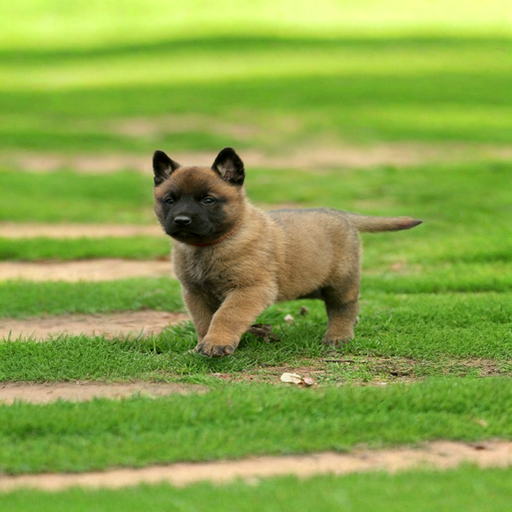
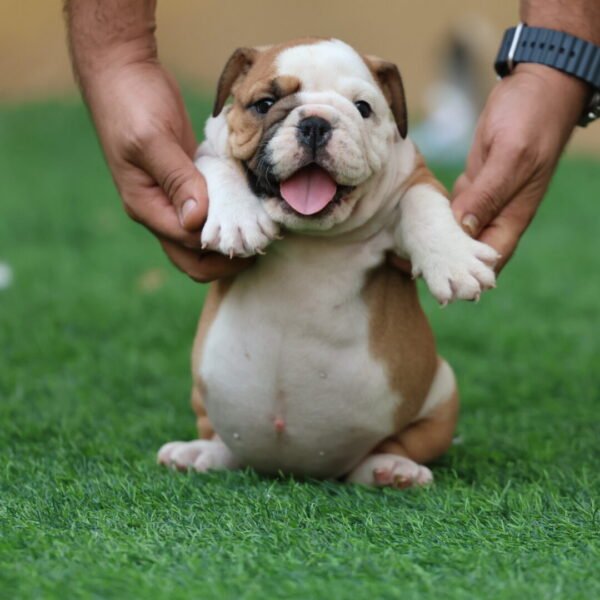
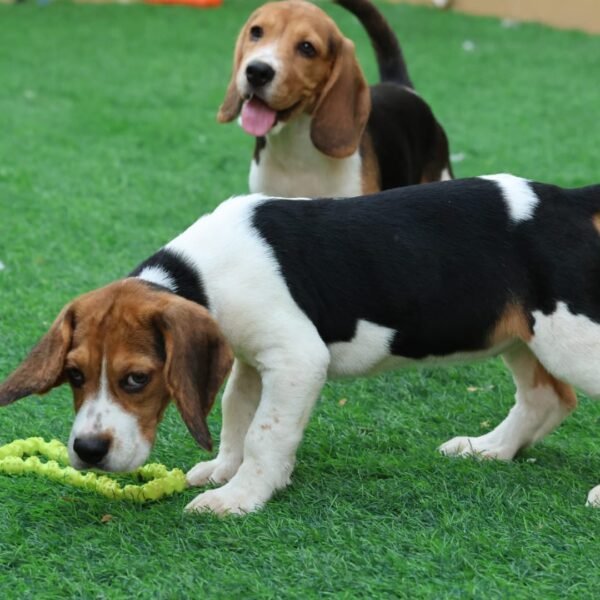
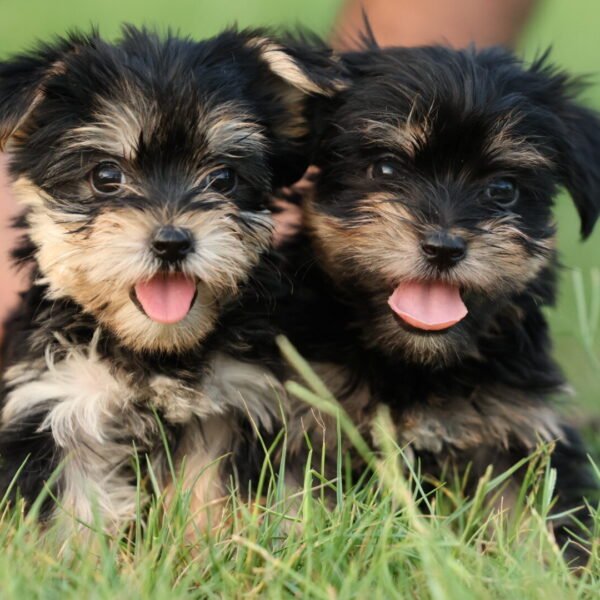
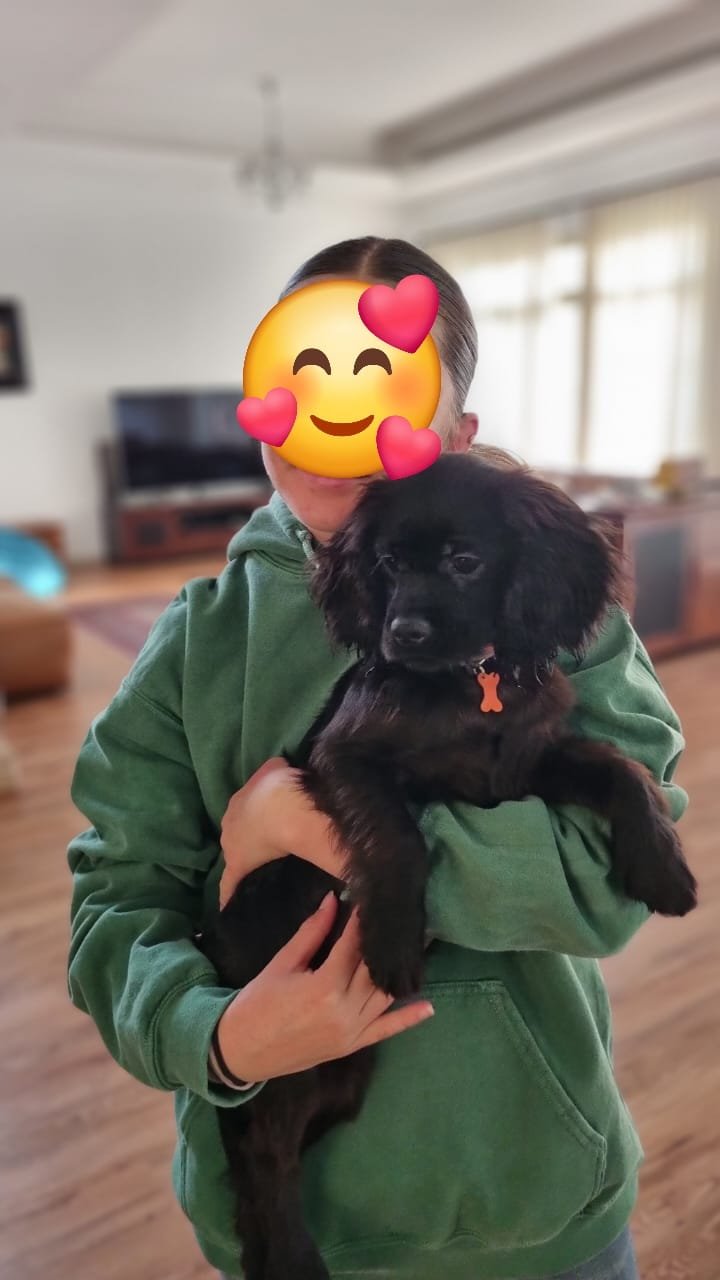
When families bring home puppies they have the best chance to build a strong bond with children from the beginning.
Puppies learn behavior early.
If raised correctly, puppies become loyal family protectors.
Important puppy training steps:
• Teach basic commands (sit, stay, leave it)
• Socialize with children gently
• Reward calm behavior
• Never allow biting games
• Create positive experiences around kids
Puppies should grow up seeing children as friends, not toys.
Can Puppies Protect Children or Are They Too Young?
Very young puppies cannot truly protect.
But they can:
• Bond early
• Learn family routines
• Become emotionally attached
• Grow into protective adults
Protection develops with maturity.
find a book store online
Best Family Dog Breeds That May Protect Kids
Some breeds are naturally more loyal and watchful.
Common protective family breeds include:
• Labrador Retriever
• German Shepherd
• Golden Retriever
• Boxer
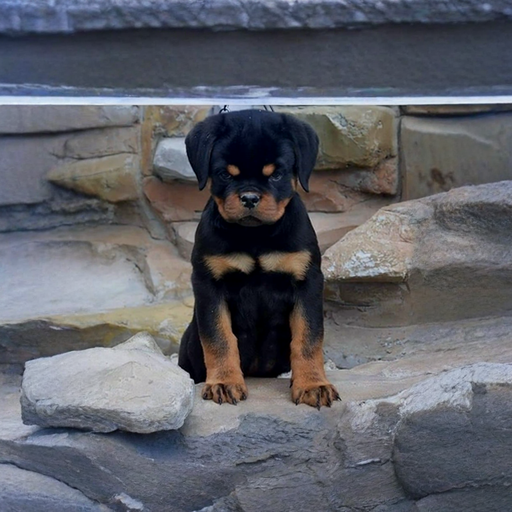
• Rottweiler (with professional training)
• Chow Chow (experienced owners)
But breed alone does not guarantee protection.
Training matters most.
black labrador: One of the Best Dogs for Families and Kids
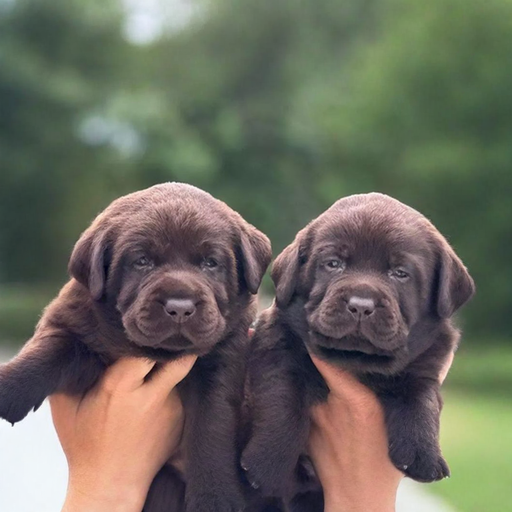
The black labradoris one of the most popular family dogs in the world.
Labs are known for being:
• Gentle
• Loyal
• Intelligent
• Friendly with children
• Easy to train
Black Labradors may not be aggressive guard dogs, but they often protect children through loyalty and strong bonding.
How Labradors protect kids:
• Staying near them
• Barking at unusual sounds
• Watching family members closely
• Being emotionally supportive
Labs are excellent for first-time dog owners.
Do Labradors Make Good Guard Dogs?
Labradors are friendly, so they are not strong guard dogs.
But they are great family protectors because:
• They sense stress
• They stay close
• They alert owners with barking
• They are trusted with kids
Their protection is gentle.
Are Protective Dogs Always Safe With Children?
Not always.
Protection can become dangerous if the dog is:
• Overly territorial
• Poorly trained
• Not socialized
• Fearful of strangers
• Treated harshly
A dog should never be encouraged to be aggressive around children.
A safe dog is calm and controlled.
How to Teach Dogs to Be Gentle Around Kids
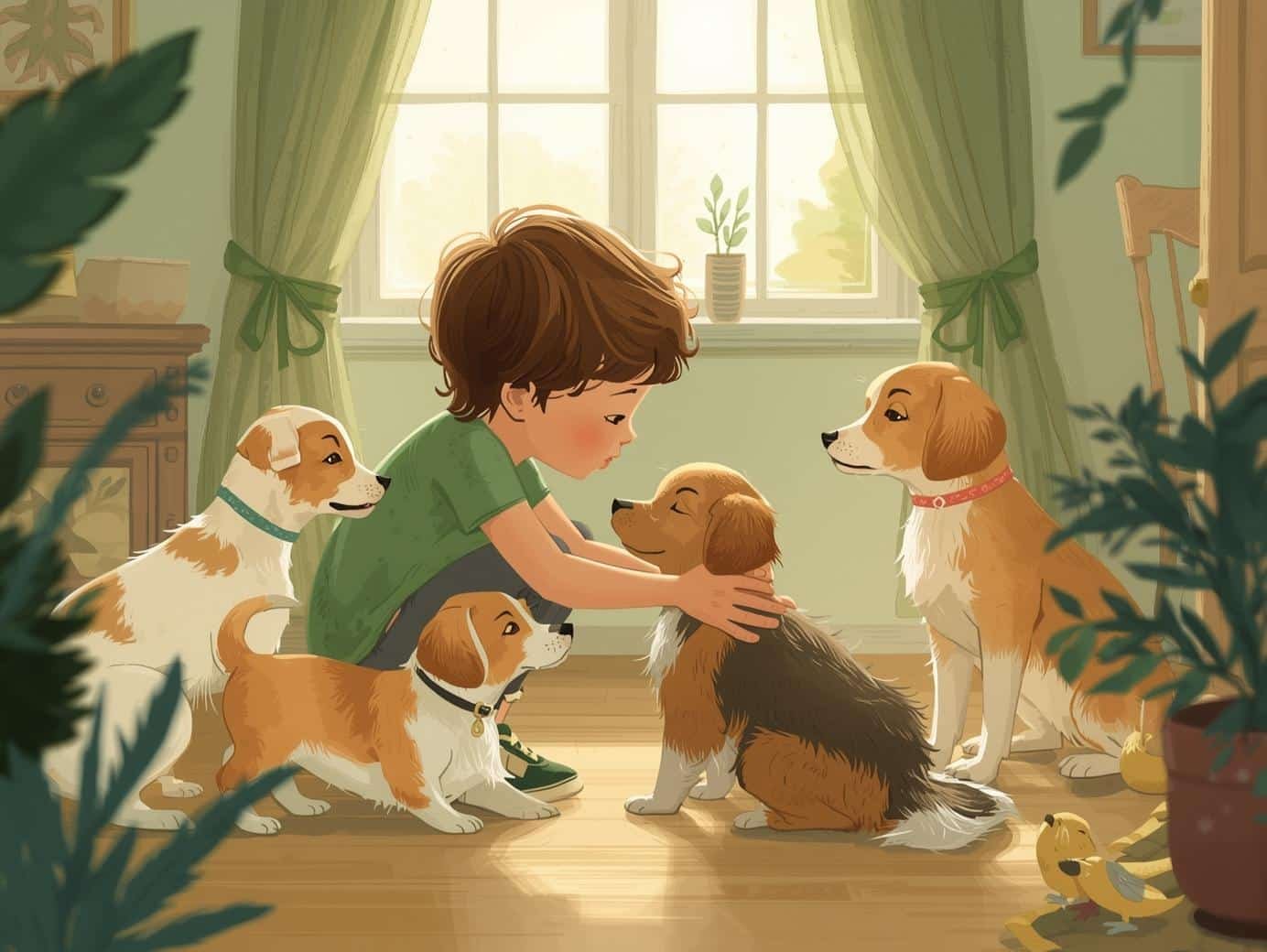
Parents must teach both dog and child.
Dog training tips:
• Reward calm sitting
• Teach “leave it” command
• Stop jumping early
• Provide safe chew toys
• Always supervise play
Child safety tips:
• Do not pull ears or tail
• Do not disturb dog while eating
• Do not climb on dogs
• Respect dog’s space
Mutual respect creates safety.
chow chow puppy: Strong Protective Breed With Special Needs
Many people who search for a chow chow puppy Dubai want a unique and protective dog.
Chow Chows are known for being:
• Independent
• Loyal to their family
• Naturally protective
• Reserved with strangers
Chow Chows can protect children, but they require:
• Early socialization
• Experienced owners
• Calm training
• Clear boundaries
Without training, Chow Chows may become too territorial.
Are Chow Chows Good With Small Children?
Chow Chows can be good, but not always ideal for homes with toddlers.
They are better with:
• Older respectful children
• Calm households
• Strong training routines
Families must supervise carefully.
Dogs as Emotional Protectors for Children
Protection is not only physical.
Dogs protect children emotionally by:
• Reducing anxiety
• Offering comfort
• Supporting mental health
• Being loyal companions
Many children feel safer with a dog near them.
Dogs can help kids grow with confidence.
When Dogs Should Not Be Left Alone With Kids
Even the best dog can react unexpectedly.
Never leave dogs alone with:
• Babies
• Toddlers
• Children who do not understand boundaries
Accidents happen quickly.
Supervision is always required.
Do Dogs Protect Children From Strangers?
Some dogs will bark when strangers come close.
This is natural alert behavior.
Dogs can help by:
• Warning parents
• Creating awareness
• Standing near children
But dogs should not be expected to replace adult supervision.
How to Raise a Protective but Safe Family Dog
Healthy protection comes from:
• Socialization
• Obedience training
• Love and trust
• Calm leadership
• Proper exercise
Avoid training that encourages aggression.
A safe protective dog is confident, not violent.
FAQ: Do Dogs Protect Children?
1. Do dogs really protect children?
Yes, many dogs protect children because they see them as part of their family pack. Dogs may stay close, bark at strangers, or become emotionally loyal. However, protection depends on the dog’s breed, personality, and training.
2. Do all dogs protect kids naturally?
No, not all dogs are protective. Some dogs are friendly with everyone, while others may be shy or fearful. A dog’s behavior depends on socialization, environment, and experiences.
3. How do dogs show that they are protecting a child?
Dogs may protect children by:
• Staying close to them
• Following them around
• Barking when strangers approach
• Standing between the child and danger
• Watching quietly during play
Protection is often calm, not aggressive.
4. Are puppies able to protect children?
Young dogs for sale cannot truly protect yet because they are still growing. But puppies can bond early and learn gentle family behavior, which helps them become loyal protectors as adults.
5. Can a black labrador protect children?
Yes, a black labrador is one of the best family dogs. Labradors are gentle, loyal, and very good with children. They may not be aggressive guard dogs, but they protect through bonding, awareness, and alert barking.
6. Are Labradors good guard dogs?
Labradors are usually too friendly to be strong guard dogs. But they are excellent family companions and can alert owners when something feels unusual.
7. Can Chow Chows protect kids?
Yes, a chow chow puppy can grow into a naturally protective dog. Chow Chows are loyal and reserved with strangers, but they require early socialization and experienced training to stay safe around children.
8. Are Chow Chows good with small children?
Chow Chows can be good with respectful older children, but they may not be ideal for toddlers. They need strong boundaries and supervision because they can become territorial.
9. Should dogs ever be left alone with babies or toddlers?
No. Even gentle dogs should never be left alone with babies or toddlers. Children may accidentally hurt the dog, and the dog may react unexpectedly. Supervision is always necessary.
10. Can dogs become jealous of children?
Yes, some dogs feel jealous when a new baby or child gets more attention. Signs include:
• Barking for attention
• Acting needy
• Sitting between parents and child
Giving your dog routine and love helps reduce jealousy.
11. How can I teach my dog to be gentle with kids?
You can teach gentle behavior by:
• Training commands like sit, stay, leave it
• Rewarding calm actions
• Stopping jumping early
• Socializing the dog with children slowly
Positive reinforcement works best.
12. Do dogs protect children emotionally?
Yes. Dogs often support children emotionally by:
• Reducing stress
• Offering comfort
• Helping kids feel safe
• Being loyal companions
Dogs can improve a child’s confidence and mental health.
13. What dog breeds are best for families with children?
Some popular family-friendly breeds include:
• Labrador Retriever
• Golden Retriever
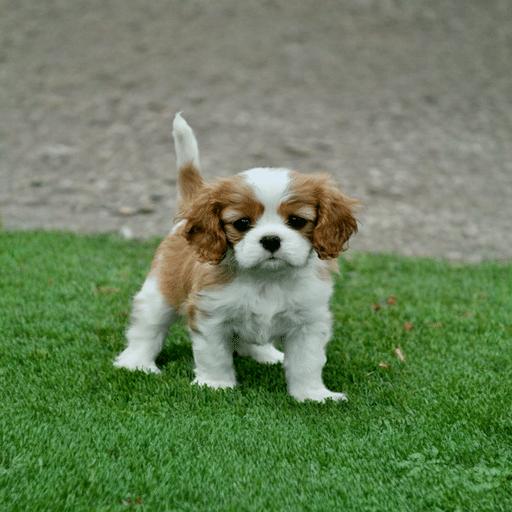
• King Charles Spaniel
• Boxer
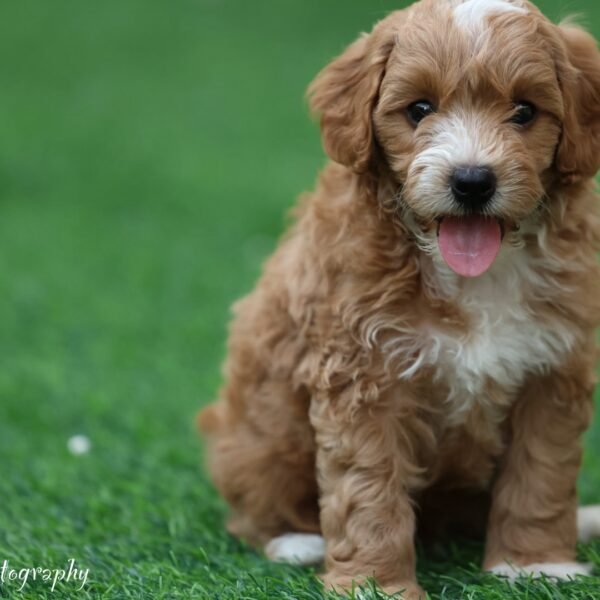
• Cockapoo
• Poodle mixes
Breed matters, but training is more important.
14. Can dogs protect children from strangers?
Some dogs bark or stay alert when strangers come close. This can help warn parents. However, dogs should not replace adult supervision.
15. What is the best way to raise a safe protective family dog?
The best way is through:
• Early socialization
• Obedience training
• Calm leadership
• Regular exercise
• Positive family bonding
A protective dog should be confident and gentle, not aggressive.
Do Dogs Protect Children? Yes, With the Right Care
Dogs can protect children through loyalty, bonding, and awareness. Breeds like Labradors are gentle protectors, while Chow Chows may be naturally guarded but need experienced training.
The most important things are:
• Early socialization
• Gentle temperament
• Supervision with children
• Positive training
With love and responsibility, dogs can become both companions and protectors for your kids.