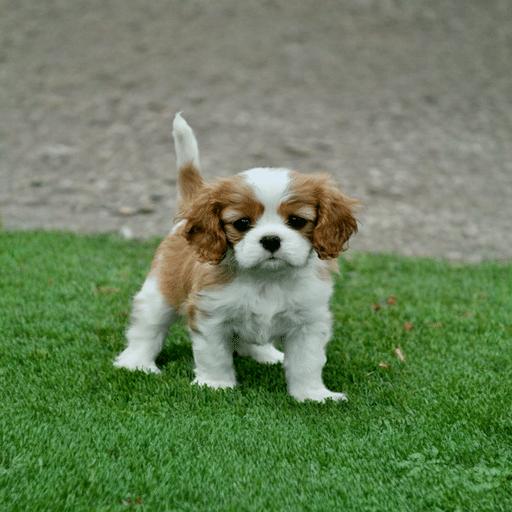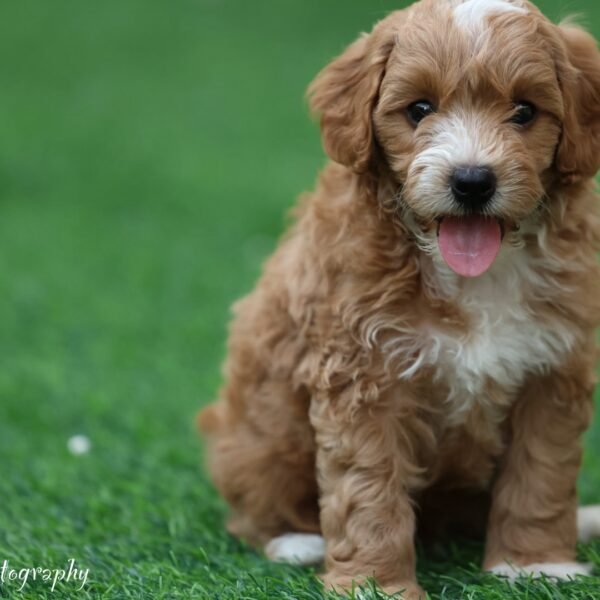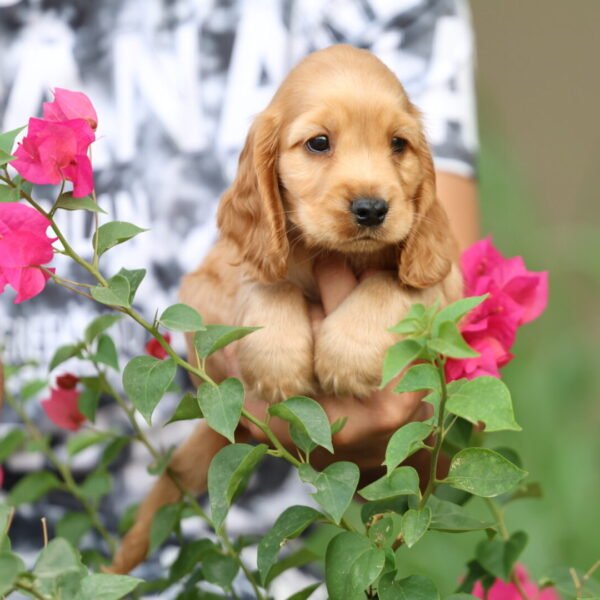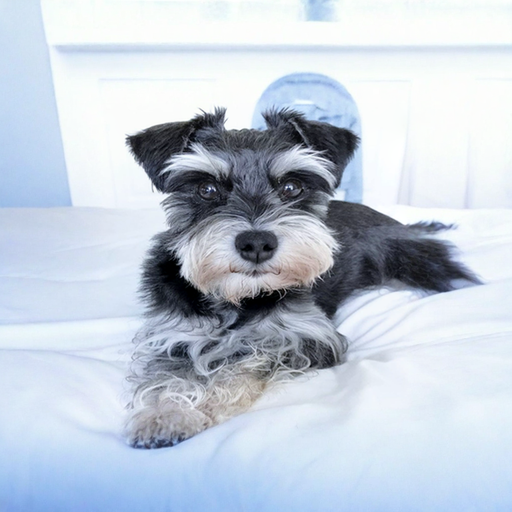

Everything about German Shepherd breeds and their names

انواع كلاب الجيرمن واسماء الكلاب الجيرمن

The world of dogs is full of many different breeds, and German dogs are one of the favorite choices for many pet lovers. The dog market offers many options, such as German dogs for sale and German Shepherd dogs for sale, to meet the needs of families and individuals looking for loyal and intelligent companions.

Dog owners also like to choose German dog names carefully to give each dog a special and unique personality. At the same time, the different types of German dogs make it easier for people to find a breed that matches their lifestyle, preferences, and daily needs.

Features of German Dogs

German dogs are among the most popular dogs in the world because they combine strong physical abilities with high intelligence and loyal behavior. They can adapt to different environments and perform many tasks successfully, which makes them excellent companions for both families and active owners.

Whether used for protection, training, work, or family companionship, German dogs are known for their balanced personality and reliable nature.

Main features of German dogs

  • High intelligence and fast learning
    German dogs can quickly understand commands and learn new skills.
    They are often used for:
    • Training
    • Guarding
    • Assistance work
    • Sports and activities
  • Strong loyalty to the family
    They build close relationships with family members and naturally try to protect them.
    This makes them dependable dogs that create a feeling of safety at home.
  • Strong body and high energy
    German dogs have a muscular body and strong physical ability.
    They can handle:
    • Long walks
    • Running
    • Intensive training
      without getting tired quickly.
  • Smart emotional awareness
    They can notice changes in mood and behavior around them.
    This helps them respond in an intelligent and effective way in different situations.
  • Ability to adapt to different environments
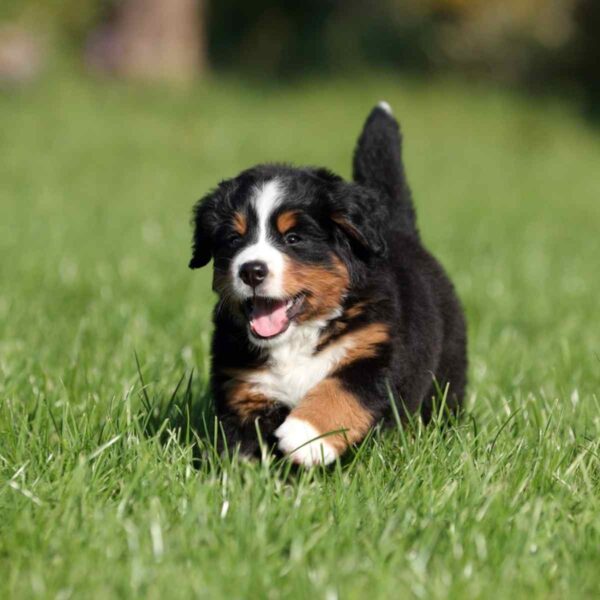
    German dogs and Bernese Mountain dog can live comfortably indoors or outdoors and adapt well to different weather conditions, making them practical and flexible companions.

Different types of German dogs

German dogs come in different types to match various needs and preferences. Each type has its own appearance, personality, and special characteristics.

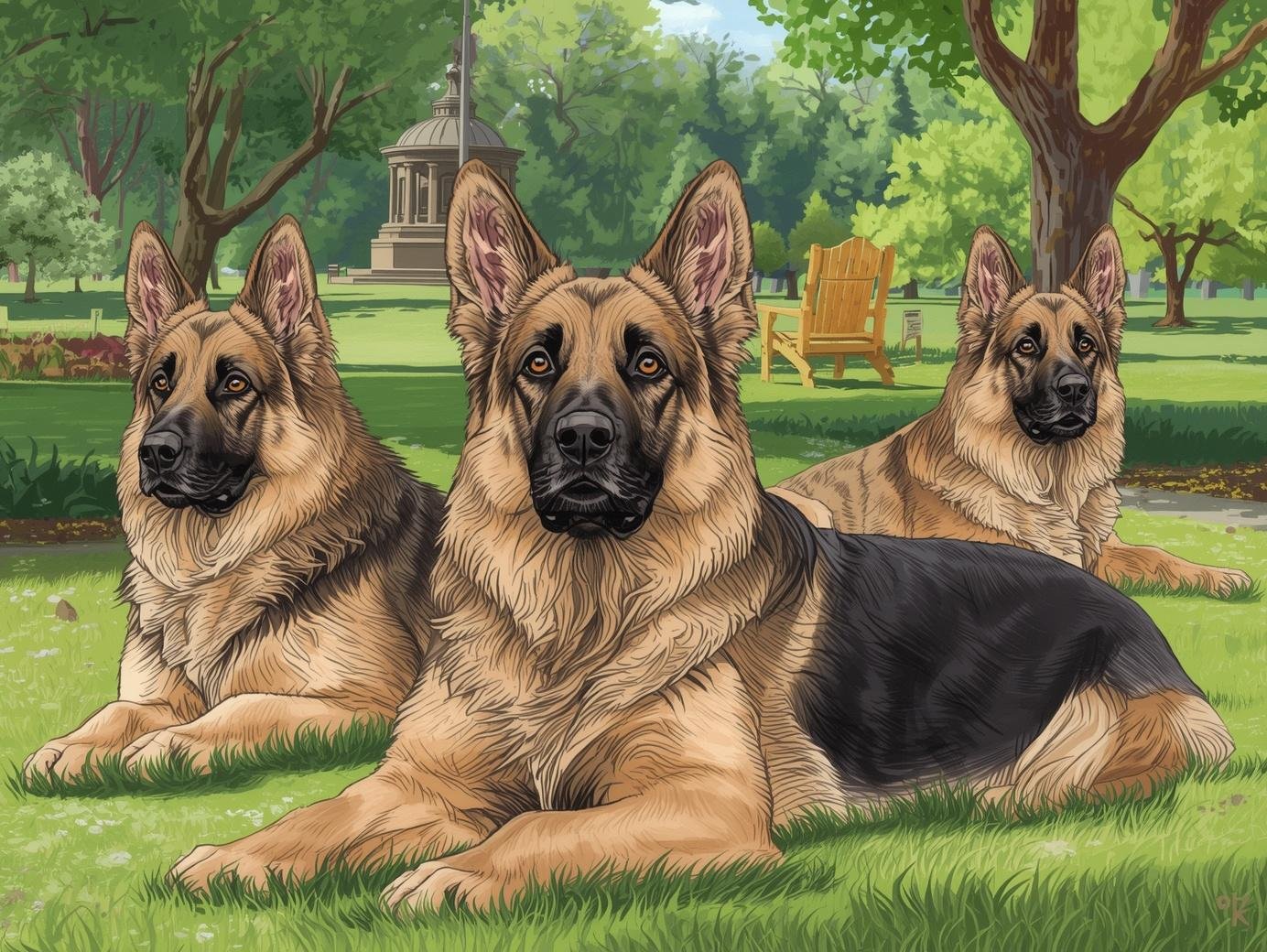
Classic German Shepherd

The classic German Shepherd is known for its balanced muscular body and high intelligence.
It is widely used for:

  • Protection
  • Professional training
  • Security work

because of its discipline and fast response.

Long-haired German Shepherd

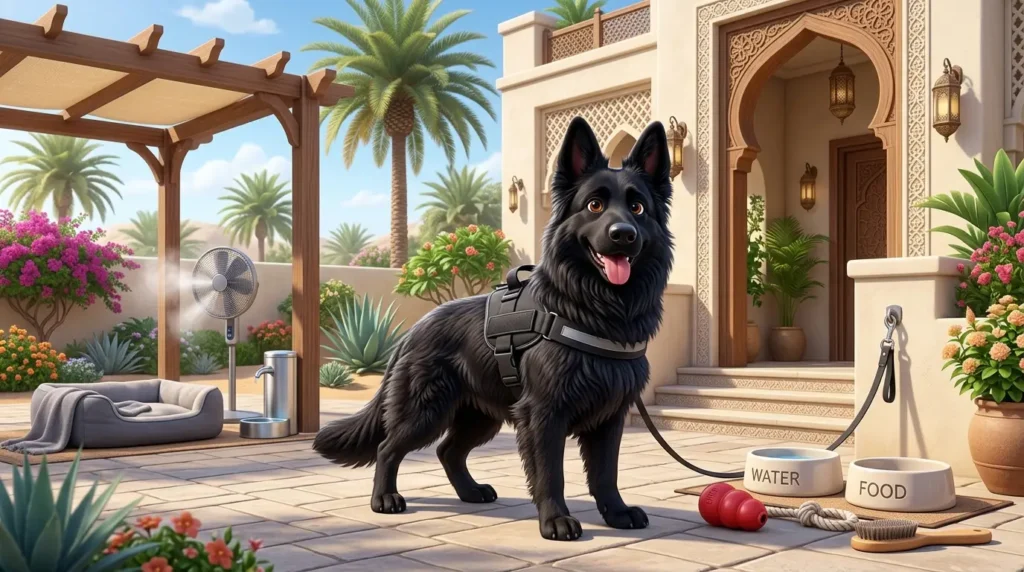
The long-haired German Shepherd has thick and long fur that gives it an elegant and royal appearance.
Its coat also helps it tolerate colder weather better than some other types.

Short-haired light-colored German dog

This type appears in different light colors, from gray to golden shades.
It is very active, energetic, and loves:

  • Playing
  • Running
  • Outdoor activities

Medium-sized German dog

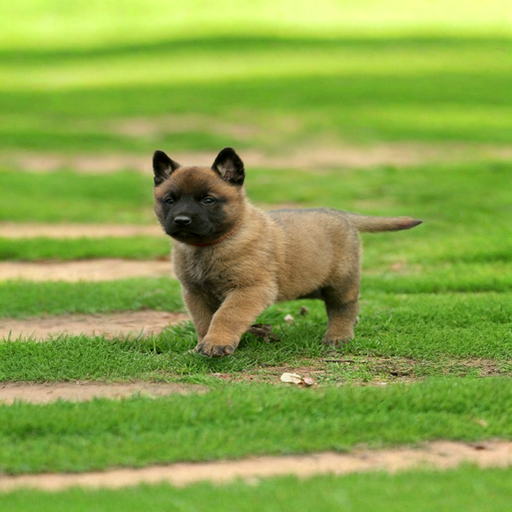
This type is smaller than the classic German Shepherd but still strong and quick to respond.
It is a good choice for families looking for a practical and friendly dog.

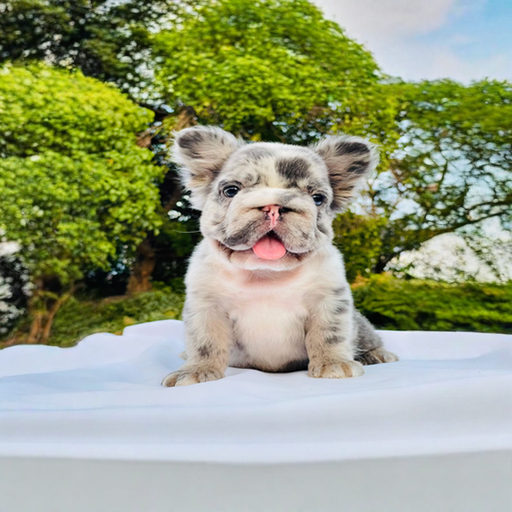
German dog with unique color patterns

Some German dogs have rare and special coat color combinations.
They are known for their flexible personality and ability to adapt to different environments and lifestyles.

German dogs continue to be one of the best choices for people looking for intelligence, loyalty, strength, and a strong connection with their families.

How to choose the right German dog

Choosing the right German dog plays an important role in creating a successful ownership experience and helps the dog fit well with the owner’s lifestyle. A careful evaluation of the dog’s personality and physical condition also helps build a strong relationship between the dog and the family from the beginning. This makes daily life and outdoor activities more enjoyable and comfortable for both the owner and the dog.

  • Watch the dog’s daily energy and natural activity level. Choose a dog that matches your routine, whether you prefer intensive exercise or moderate walking, so its physical needs can be met properly.
  • Observe how the dog interacts with children, adults, and other animals. This helps ensure smooth adaptation inside the family and reduces the chances of aggressive or fearful behavior.
  • Check the strength of the joints, the condition of the teeth, and the health of the ears and eyes to make sure you choose a healthy dog that can live an active and long life.
  • Ask about the parents’ breed and family health history. This helps predict personality traits, intelligence level, and reduces the risk of inherited health problems.
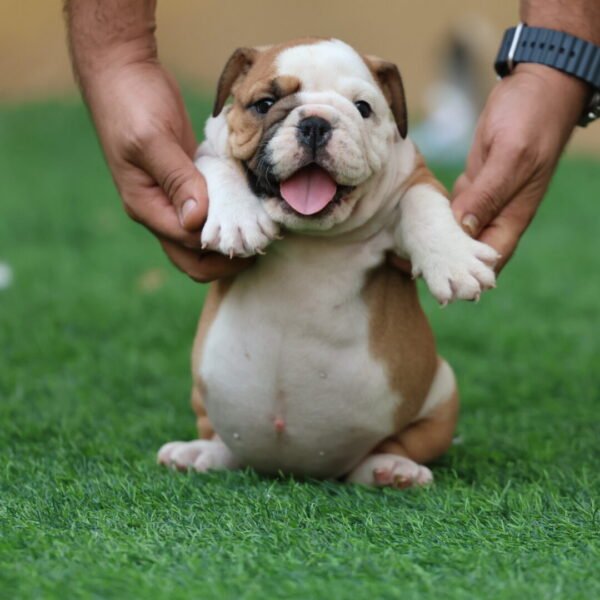
  • Consider the time and effort needed for training and daily care. Choose a dog, such as an  English bulldog that can easily fit into your schedule without causing stress or pressure.

German dogs for sale: tips for buyers

Buying a German dog can be a great opportunity to get a loyal and intelligent companion. A successful buying experience depends on following the important steps that help you choose a healthy dog suitable for your family’s needs.

  • Choose a trusted breeder or certified center, because this increases the chance of getting a healthy dog that has received proper care since birth.
  • Check the official vaccination papers and veterinary records to make sure the dog is healthy and protected in the long term.
  • It is usually better to choose puppies after they are around 8 weeks old, because they are more ready to adapt to a new environment and begin training.
  • Observe the dog’s behavior, activity, and curiosity. This helps you select a dog that matches your family’s personality and lifestyle.
  • Calculate the cost of purchase and future care, including food, training, and healthcare, to avoid financial pressure after bringing the dog home.

German dog prices in the market

German dog prices in the market can change depending on several important factors that affect the final value of each dog and make every purchase different.

  • The purity of the breed and the reputation of the breeder play a major role in determining the dog’s value. Dogs with strong genetic qualities are usually more appreciated in the market.
  • Good health condition and regular veterinary care increase the dog’s value and give buyers confidence in a long, active, and healthy life.
  • Social dogs that respond well to training are often more desirable, which can increase their market value.
  • Small puppies and adult dogs may have different prices because their value is linked to adaptability and training potential.
  • Health certificates, vaccination records, and official pedigree documents provide more trust for the buyer and improve the dog’s position in the market.

Popular and beautiful German dog names

Dog owners often choose special names for German dogs to give each dog a unique personality and make communication easier and more enjoyable. The right name also helps strengthen the bond between the dog and its owner while giving the dog a special identity inside and outside the home.

  • Strong and brave names such as Axel, Ray, and Brooks give the dog a powerful image and highlight its protective personality during training and outdoor activities.
  • Nature-inspired names such as Rocky, Star, and Blue reflect energy, activity, and freedom, especially during playtime and outdoor running.
  • Short and easy names such as Max, Leo, and Jack help the dog respond quickly to daily commands and make training easier.
  • Royal and elegant names such as Lady, King, and Amira give the dog a special and noticeable presence among other pets.
  • Creative and unique names such as Zuma, Vina, and Tiger make the dog stand out and add a fun and memorable touch to its daily life.

Basic steps for training German dogs

Training German dogs starts with building strong foundations that help them learn correct behavior and develop their mental and physical skills in an organized way.

  • Define the skills and behaviors you want the dog to learn, whether they are:
    • Basic commands
    • Guard training
    • Social skills with people and other animals
  • Follow a consistent daily training schedule. Regular training helps the dog learn faster and makes commands clearer and easier to understand.
  • Reward the dog when it follows commands successfully. Rewards can include:
    • Treats
    • Playtime
    • Praise
      This increases the dog’s motivation to learn and strengthens the bond with the owner.
  • Provide different mental and physical exercises to keep the dog focused and prevent boredom during training sessions.
  • Watch the dog’s response and progress, and adjust the training methods based on its needs to achieve the best results.

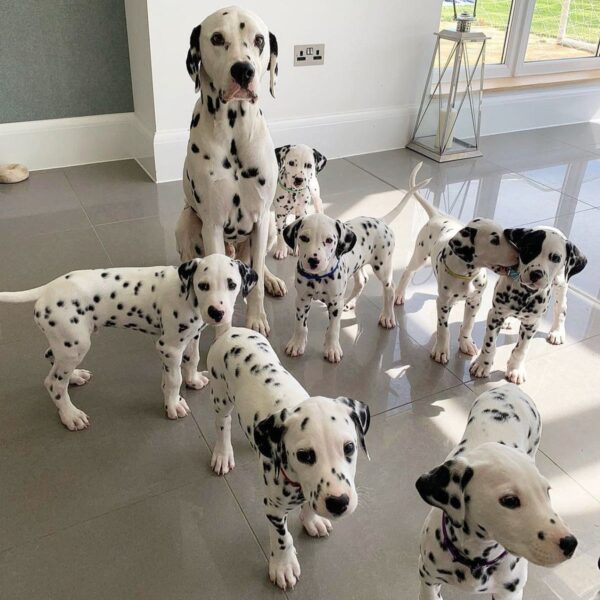
You can learn more about the Dalmatian breed

Ideal nutrition for German dogs

Keeping German dogs healthy and active depends on following a balanced diet that gives them enough energy for healthy growth, strong muscles, and a strong immune system. Good nutrition also helps maintain healthy skin and fur. Choosing the right food and organizing meals properly can help the dog live a longer and more active life.

  • German dogs need strong protein to build muscles and maintain energy levels. Good natural protein sources include:
    • Fresh chicken
    • Beef
    • Fish rich in Omega-3
  • Healthy fats are important for skin and fur health and for reducing fatigue. Fish oil or olive oil can be added to the diet to improve energy and physical endurance.
  • Vegetables and fruits rich in vitamins and minerals help strengthen the immune system and support healthy bones and joints. They also help the body function properly.
  • Organizing daily meal times helps improve digestion, increases focus during training and activities, and prevents overeating or obesity.
  • Constant hydration is very important for supporting body functions and protecting the digestive and urinary systems. It also helps maintain high energy and daily activity levels.

German dog health: common diseases and prevention

Taking care of German dogs’ health helps them stay active, energetic, and able to enjoy a longer life. Good health care also improves their ability to adapt to daily activities and physical exercise while reducing health risks and supporting their overall well-being.

  • Some German dogs may develop joint problems such as hip dysplasia or spinal issues. Regular checkups, bone-support supplements, and suitable exercise help strengthen the muscles around the joints and reduce these risks.
  • Some breeds are more likely to face heart and breathing problems. It is important to monitor breathing and heart activity and visit the veterinarian regularly to maintain a healthy circulatory system and support physical activity.
  • Skin problems such as allergies or skin infections may appear. Regular skin cleaning and checking, along with suitable grooming products, help maintain healthy fur and reduce itching or irritation.
  • Obesity increases the risk of joint and heart diseases. It is important to control food portions, provide balanced meals, and maintain daily physical activity to keep the dog fit and healthy.
  • Regular vaccinations and flea and tick prevention play an important role in protecting German dogs from infections and parasites. These steps help maintain the dog’s comfort and long-term health.

How to care for a German dog at home

Daily care for a German dog at home creates a healthy and safe environment that supports proper growth and keeps the dog active and comfortable. Good care also helps improve positive behavior and strengthens the relationship between the dog and the family.

  • The dog needs regular brushing to remove loose hair and dust, improve blood circulation, and keep the fur shiny and healthy. Brushing also helps detect any skin problems early.
  • Prepare a comfortable bed in a quiet and warm area with good ventilation and enough space for movement. This helps the dog rest properly and feel safe inside the home.
  • Clean the ears, teeth, and nails regularly, and check for any signs of infection or dental problems to maintain good overall health.
  • Give the dog daily opportunities for walking and play inside the home or garden. Mixing mental and physical exercises helps improve fitness, strength, and intelligence, and also reduces boredom or destructive behavior.
  • Organize meal times and always provide clean water. Good-quality food supports healthy growth, high energy, proper digestion, and maintaining a balanced weight.

The difference between German Shepherds and other German Shepherd breeds

FeatureGerman ShepherdOther German Dog Types
AppearanceStrong and balanced body, upright ears, short or medium coatDifferent depending on the type, some have longer or shorter fur with different colors
SizeMedium to large (25–40 kg)Medium to large, depending on the breed
PersonalityVery intelligent, easy to train, protective with familyVaries by type, some are very friendly while others are calmer or more independent
Training AbilityVery high, excellent for police and service workSome types are trainable, but usually less focused than the German Shepherd
Common RolesGuarding, protection, police work, assistanceHunting, herding, family companionship, and show dogs
Energy LevelVery high, needs daily exerciseDepends on the breed; some are calm, while others are very active
Grooming NeedsMedium, needs regular brushingDepends on the coat type; long-haired dogs need more grooming
Purchase CostUsually higher because of high demandLower or medium, depending on breed type and popularity

Training German dogs for home protection and monitoring

Training German dogs for protection and home monitoring starts by developing attention skills and fast responses to improve safety inside the house and protect family members and property in a controlled and safe way. Regular training also helps build the dog’s confidence and ability to react correctly in different situations without unnecessary aggression or fear.

  • Focus on teaching the dog special guarding commands such as:
    • Stop
    • Come closer
    • Stay
    • Warning bark
      This gives the owner better control during different situations and improves fast response.
  • Train the dog to monitor the home regularly and give clear alerts when strangers approach, while keeping the dog calm and preventing excessive aggression to maintain a safe home environment.
  • Assign specific areas for the dog to monitor, such as:
    • Entrances
    • Windows
    • Outdoor yard
      and train it to move between these areas efficiently for better coverage and security.
  • Teach the dog to control its reactions and act carefully during threats so it follows commands and reacts only in real danger situations, helping ensure safety for everyone.
  • Continuous training strengthens the relationship between the dog and its owner, increases loyalty, and improves the dog’s confidence and response speed during protection tasks.

Daily activities and exercises for German dogs

Regular daily activity helps German dogs stay healthy, energetic, and mentally balanced. Exercise also supports muscle development, improves discipline, strengthens intelligence, and reduces stress or destructive behavior inside the home.

  • Give the dog daily opportunities for walking or running outdoors based on its age and energy level. This helps:
    • Improve fitness
    • Boost energy
    • Improve blood circulation
    • Reduce anxiety and destructive behavior
  • Use basic and advanced commands to stimulate the dog mentally, such as:
    • Sit
    • Stay
    • Roll over
    • Multi-step commands
      This improves focus, discipline, and attention.
  • Encourage the dog to use its sense of smell to track objects or find hidden rewards. This increases mental activity and creates a fun and safe interaction with the environment.
  • Provide exercises such as:
    • Jumping over obstacles
    • Climbing platforms
    • Carrying light weights under supervision
      These activities strengthen muscles, support joint flexibility, and improve movement speed during play or training.
  • Include playtime with other dogs or family members to improve social skills, strengthen emotional bonds, reduce fear or aggressive behavior, and encourage teamwork during group activities.

Important travel and transportation tips for German dogs

Preparing properly before traveling with a German dog makes both short and long trips easier, safer, and less stressful for both the owner and the dog.

  • Give the dog time to get used to the car or transportation method before traveling. Train it to stay calm during movement and reward good behavior with treats or praise to reduce fear and anxiety.
  • Pack all important supplies, including:
    • Favorite food
    • Clean water
    • Food and water bowls
    • Favorite toys
    • Comfortable blankets
    • Any needed medications
      This helps the dog feel comfortable during the trip.
  • Use a dog safety belt or a secure travel crate inside the car to protect the dog from injuries during sudden stops or accidents. Make sure the carrier is fixed properly.
  • Plan regular stops during long trips so the dog can:
    • Walk
    • Drink water
    • Release extra energy
      This keeps the dog active and prevents stress or exhaustion.
  • Carry vaccination records, emergency medications, and veterinary emergency contact numbers during the trip. Always monitor the dog’s behavior to make sure it stays healthy and comfortable.

Frequently Asked Questions

How do I prepare my home for a new German dog?

To create a safe and comfortable environment, prepare a special area for the dog that includes:

  • A comfortable bed
  • Food and water bowls
  • Different toys

Remove dangerous or breakable objects and clearly define sleeping and play areas to help the dog adapt easily.

Does a German dog need special training when children are at home?

Yes, the dog should be trained to interact calmly with children and understand play boundaries. Obedience training with adult supervision helps encourage positive behavior and reduces the risk of fear or accidents.

How can I reduce anxiety when the owner leaves the house?

You can gradually train the dog to stay alone for short periods. Interactive toys, mental activities, and a consistent leaving and returning routine can help reduce stress. Leaving items with the owner’s scent may also comfort the dog.

What is the best type of bed for a German dog?

It is best to choose a bed with strong support for the spine and joints. The material should be easy to clean and resistant to moisture. Adding a soft blanket or pillow can provide extra comfort, especially for older or larger dogs.

How can I manage heavy shedding in German dogs?

Using a suitable brush daily helps remove loose hair and improve blood circulation. During shedding seasons, special grooming tools can help control hair loss, while regular cleaning around the home reduces fur buildup.

Can a German dog adapt to a small apartment?

Yes, German dogs can adapt to apartment living if they receive enough daily exercise and mental activities. It is important to provide:

  • A safe space for movement and play
  • Regular walking and running routines

This helps maintain their energy, health, and emotional balance even in smaller spaces.

German dogs are an excellent choice for people looking for intelligence, loyalty, and high energy levels both at home and during outdoor activities. By focusing on health care, training, and even choosing the right name, owners can build a strong and loving relationship with their dogs.

Whether you are interested in German dogs for sale or exploring the different types of German dogs, understanding the needs and personality of each breed helps create a safe, enjoyable, and successful experience for both the dog and the family.